
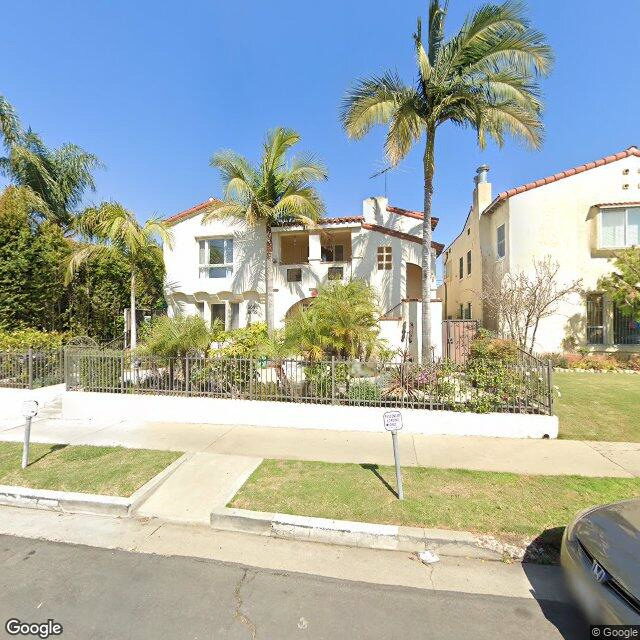
8041 Blackburn Ave, Los Angeles, CA 90048
To contact a resident: (323) 658-7660
For more information about senior living options: (866) 208-4318
Astoria II Costs & Pricing
Astoria II presents a unique pricing structure that reflects its premium offerings in the context of both Los Angeles County and the broader California market. With private rooms priced at $6,000 per month, Astoria II exceeds the local county average of $4,197 and the state average of $3,939. Similarly, studio accommodations are also set at $6,000, which is higher than the county's average of $4,172 and slightly above California's overall average of $4,145. These figures suggest that while Astoria II commands a higher rate compared to its regional counterparts, it likely offers distinct amenities or services that justify this investment for potential residents seeking quality living arrangements.
| Floor plans | Astoria II | Los Angeles County | California |
|---|---|---|---|
| Private | $6,000 | $4,197 | $3,939 |
| Studio | $6,000 | $4,172 | $4,145 |
Memory care communities with a similar price nearby
-
from +$200 / mo
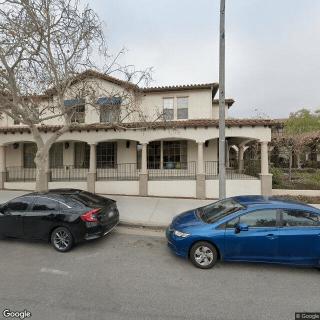
The Kensington at Sierra Madre
$6,200 to $9,270 / month18.6 miles away -
from -$1000 / mo

Sweet Home Senior Living #1
$5,000 to $7,500 / month8.1 miles away -
from -$500 / mo
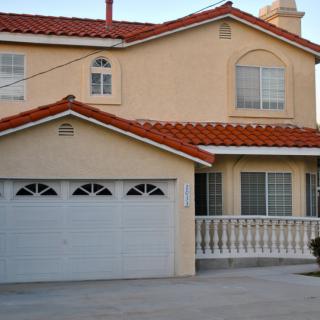
Kind Heart Home Care III
$5,500 to $6,000 / month17.9 miles away -
from +$500 / mo
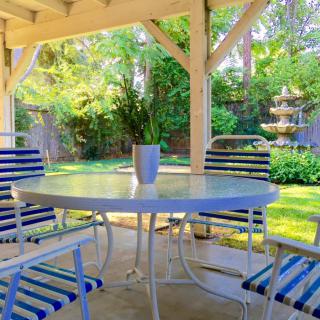
The Kentland House
$6,500 to $7,000 / month16.3 miles away -
from -$1000 / mo

A Caring Touch Board and Care
$5,000 / month17.6 miles away
Overall Review of Astoria II
Pros
 The owners, Inna and Sofia, are praised for taking excellent care of residents and offering generous assistance to families.
- Astoria is an outstanding place for seniors.
- They care about residents and get personally involved with their needs.
- Inna and Sofia treat families like family.
- Residents are welcomed with open arms and celebrated with personal touches.
- Private rooms are clean and neat, with fresh clothes visible during visits.
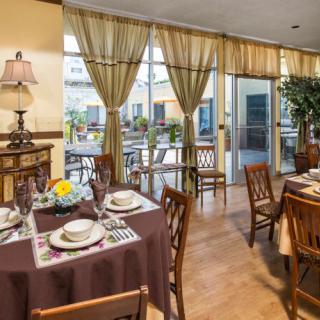
- The sundeck provides a pleasant space for residents to enjoy fresh air.
- The caretakers are kind, caring, and patient.
- Astoria feels more like a family home than a facility.
- It is a safe place where residents are treated with dignity.
Cons
 They described the owner as combative when asked for a favor.
- They felt the owner prioritized easy-to-clean rooms over resident comfort.
- They alleged the staff were punitive and punished the family for asking questions about food.
- They were distressed that a staff member insulted another client by calling her “STUPID.”
- They claimed the facility was joyless and money-driven, lacking warmth.
- They noted filthy wheelchairs and a generally warmless environment.
- They criticised the lack of entertainment and stimulation, with meals and routines rushed and impersonal.
- They said communications were poor, with calls being hung up and no clear updates.
Review
Astoria II is best suited for families seeking a small, homelike setting in Los Angeles where care feels personal, hands-on, and very much centered on daily-quality-of-life. This community works well for residents who want private rooms, straightforward routines, and a warm, family-driven atmosphere backed by owners who are visibly involved. It suits seniors who value dignity, personal attention, and a sense that care is a shared, collaborative effort rather than a distant, institutional experience. In short, it’s a good fit for those prioritizing warmth, accessibility, and close contact with both caregivers and family members.
Those considering alternatives should look elsewhere if the primary need is robust clinical oversight, highly structured programming, and larger-scale resources. Facilities with formal memory-care campuses, intensive rehabilitation services, or high staff-to-resident ratios may deliver more consistent medical management and a wider menu of organized activities. Families with residents who require strong, continuous supervision, or who fear a lack of warmth in interactions, may prefer a setting known for more formal processes and a broader social calendar.
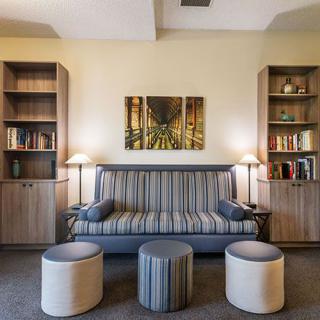
On the positive side, the strongest pros center on hands-on leadership and a genuinely homey feel. Owners are consistently present and deeply involved, which translates into a sense of accountability and quick responsiveness to concerns. Staff are described as kind, patient, and capable, delivering individualized attention rather than a cookie-cutter approach. The environment itself reinforces the positives: a clean, neatly kept, “spotless” setting with private rooms, a sun deck for fresh air, and a dog-friendly policy that supports resident comfort. Families are welcomed, and the option for frequent visits is standard, helping to maintain a sense of belonging and continuity.
However, the main cons highlighted by some critics should not be ignored. One strongly negative account portrays a face-to-face clash with an owner, with perceptions of a punitive, business-first atmosphere and limited warmth toward family requests. Related stories touch on inconsistent communication, insufficient attention to a resident’s specific needs, and experiences that feel curt or transactional rather than nurturing. Other concerns focus on the quality and variety of daily life, roles that seem to emphasize routine over engaging activities, and on specific service details, such as perceived gaps in entertainment, meal preparation, and the overall sense that life inside the walls could be more lively and person-centered. Taken together, these concerns reveal a risk that, for some residents, the atmosphere may drift toward efficiency over emotional nourishment.
Yet the favorable elements do offset several of these drawbacks for the right resident. The intimate scale, owners’ visibility, and a responsive caregiving team create an environment where problems can be addressed quickly and family communication remains central. The home-like setting, with privacy, clean surroundings, and a supportive policy around dietary restrictions or preferences, means daily life can be tailored to individual rhythms. The combination of private rooms, a welcoming visiting policy (including frequent family involvement), and a neighborhood-friendly location supports autonomy and social engagement in a way larger facilities may not. For families who prioritize trust in the leadership and a sense of being part of the resident’s daily care, these strengths carry significant weight.
In the end, Astoria II is a strong choice for seniors who want a small, caring, and personally supervised home environment in a safe, clean, and accessible community. It is less suitable for those who require extensive medical programming, expansive activity schedules, or assurance of flawless day-to-day execution across every facet of care. Prospective buyers should conduct a focused, action-oriented visit: verify the care plan alignment with specific medical needs; ask for current caregiver-to-resident ratios and shift patterns; review meals and activity options for day-to-day engagement; and directly assess communication workflows with families. Confirm costs upfront and compare with similar intimate communities to ensure the chosen plan aligns with expectations for warmth, responsiveness, and the level of clinical support required.
 Studio apartments
 Board and Care Home
 Memory Care
 Activities on-site
 Air-conditioning
 Cable or satellite TV
 Dining room
 Ground floor units
 Handicap accessible
 Housekeeping services
 Kitchenette
 Laundry
 Private
 Private bathrooms
 Respite or short term stays offered
 Security gate
 Wheelchair accessible showers
 Burbank-Glendale-Pasadena (9 miles away)
 Diabetic care
 High acuity care
 Meal preparation and service
 Medication management
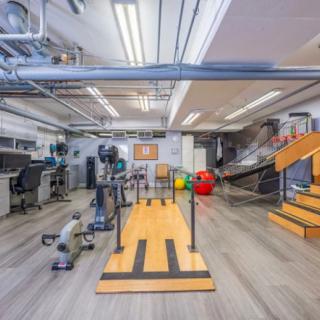
 Physical therapy
 Special dietary restrictions
 Art classes
 Birthday parties
 Current events club
 Forever fit
 Games
Games Happy hour
 Live musical performances
 Resident band or musicians
 Sensory-based programs
 Stretching classes
 English

 Medications Associated with Dementia Risk: A Comprehensive Overview
 Guiding Your Journey: Understanding Power of Attorney for Elderly Parents
 22 Remarkable Caregiver Support Groups Available Online and In-Person