

7815 Mount Vernon Street, Lemon Grove, CA 91945
To contact a resident: (619) 697-0665
For more information about senior living options: (866) 208-4318
Mount Vernon Eldercare Costs & Pricing
Mount Vernon Eldercare offers a competitive pricing structure, particularly for private rooms, which are available at a rate of $2,000 per month. This cost is significantly lower than the average rates in San Diego County and throughout California, both of which stand at approximately $3,939 per month. This pricing advantage positions Mount Vernon as an appealing option for families seeking quality eldercare services without the financial burden typically associated with other facilities in the region. The combination of affordable rates and dedicated care makes Mount Vernon Eldercare a noteworthy choice for those looking to provide their loved ones with a supportive living environment.
| Floor plans | Mount Vernon Eldercare | San Diego County | California |
|---|---|---|---|
| Private | $2,000 | $3,939 | $3,939 |
Memory care communities with a similar price nearby
-
About the same
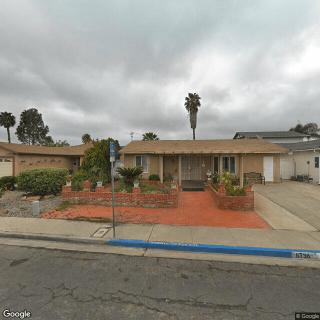
Emmaus Care I
$2,000 to $5,000 / month13.4 miles away -
from +$180 / mo

Monte Vista Village
$2,180 to $3,530 / month0.7 miles away -
from +$310 / mo
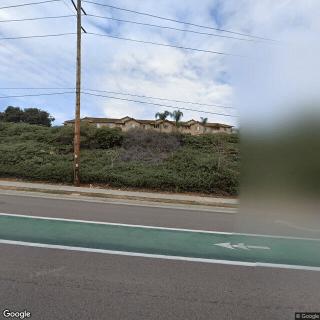
Canyon Villas
$2,310 to $3,880 / month11.3 miles away -
from +$295 / mo

Atria Collwood
$2,295 to $4,995 / month3.6 miles away -
About the same
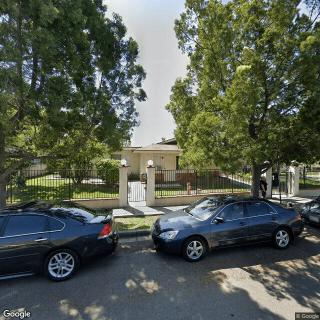
Acorn Oaks Manor II
$2,000 to $2,800 / month2.8 miles away
Overall Review of Mount Vernon Eldercare
Pros
 The facility seemed to be a very nice place.
- It is a very nice, clean facility with very kind, helpful staff.
- It is a very nice home to stay with parents in need of assistance and very clean.
- The staff and the owners are professional and loving.
- The reviewer would not send a loved one to any other facility.
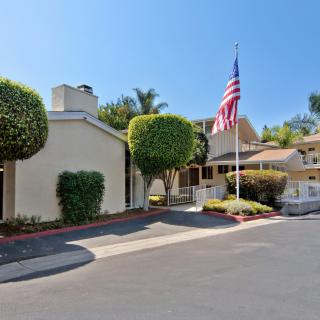
- The outside area is well kept and cottage-like, and the location is within driving distance for family.
Cons
 The owners refused to allow visitors to see their mother.
- They insisted visitors call and make an appointment for another day.
- They described the situation as ridiculous.
- They were refused entry to even see where she sleeps.
- They wondered if they were getting what they were paying for.
- The facility received a failing grade: F minus minus.
- The home was older, with furniture that seemed shabby.
- The impression was that the staff were disconnected from residents.
Review
Mount Vernon Eldercare in Lemon Grove is best suited for families who want a small, home-like setting with an affordable price and caregivers who are described as kind and attentive. The facility presents a cottage-style, older-home atmosphere and a clean, orderly environment. It appeals to seniors who do not require a large campus, demonstration-quality interiors, or highly formal programming, and who prioritize warmth, personal attention, and straightforward living over flashy amenities.
Those considering alternatives should note that access can be problematic here. Several accounts describe owners who refused entry for visits unless an appointment was scheduled, which undermines trust during a critical transition. families that rely on spontaneous or regular on-site monitoring will find this policy a significant obstacle and may want to explore communities with transparent, family-friendly visitation. Additionally, prospective residents who expect newer furnishings or a more modern feel should anticipate a facility that shows its age in some finishes and furniture.
On the plus side, the core positives center on cleanliness, price, and a compassionate impression of staff. Reviewers repeatedly describe the space as well-kept and easy to navigate, with a price point that stands out for the area. The staff, when engaged, is praised for kindness and helpfulness, and at least some families highlight the owners as professional and loving. For families balancing budget with basic comfort, these elements provide tangible value and a sense of genuine care without the expense of larger, more institutional options.
The drawbacks are real and should shape the decision. The facility’s age is evident in furniture and decor that can feel dated or shabby in spots, signaling the need for ongoing upkeep. The live-in staff arrangement, while potentially offering continuity, can yield impressions of limited resident independence and a disconnect between caregivers and day-to-day resident engagement. Reported experiences of very short stays and inconsistent care cues point to variability in day-to-day operations. Most troubling, the access barrier during visits casts doubt on transparency and ongoing oversight, which matters greatly to families evaluating long-term placement.
These dynamics do not cancel each other out; they shift the balance depending on what matters most to the family. For those prioritizing affordability and a homelike ambiance, the benefits, cleanliness, warmth from staff, and clear cost structure, can outweigh concerns about aging interiors and variable staffing. Yet for families where open, predictable access to a loved one and visible, proactive resident engagement are non-negotiable, the cons overshadow the positives and may justify looking elsewhere. The live-in arrangement can be workable in the right context, but only if it comes with robust, observable daytime oversight and rapid response, neither of which is consistently guaranteed here.
In the end, Mount Vernon Eldercare serves a practical niche: a budget-conscious, intimate setting with decent staff goodwill and a tidy, homey feel. It is a sensible choice for families willing to tolerate restricted visiting hours, older decor, and potential inconsistency in daily engagement in exchange for lower costs and a smaller-scale environment. Prospective residents should insist on a face-to-face tour that allows access to sleeping areas and common spaces, ask direct questions about staff coverage and supervision, and confirm visitation policies before any commitment. For families where transparency, prompt responsiveness, and modern amenities are priority, it is prudent to actively compare with other nearby options and potentially pursue a facility with clearer visibility into day-to-day care and richer ongoing resident engagement.
 Board and Care Home
 Memory Care
 Activities on-site
 Indoor common areas
 Outdoor common areas
 Private
 Respite or short term stays offered
 San Diego International-Lindbergh (9 miles away)
 Ambulatory care
 Diabetic care
 High acuity care
 Incontinence care
 Medication management
 Kosher





 Dementia-Related Hallucinations: Causes, Experiences, and Practical Approaches
 Illuminating Insights About Alzheimer's Disease: Ten Crucial Realities
 A Thorough Discussion of Medications Potentially Linked to Dementia Risk