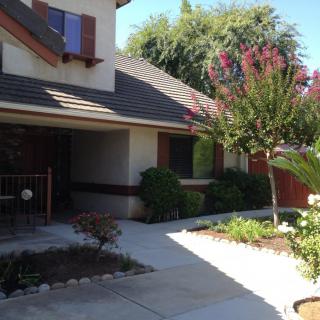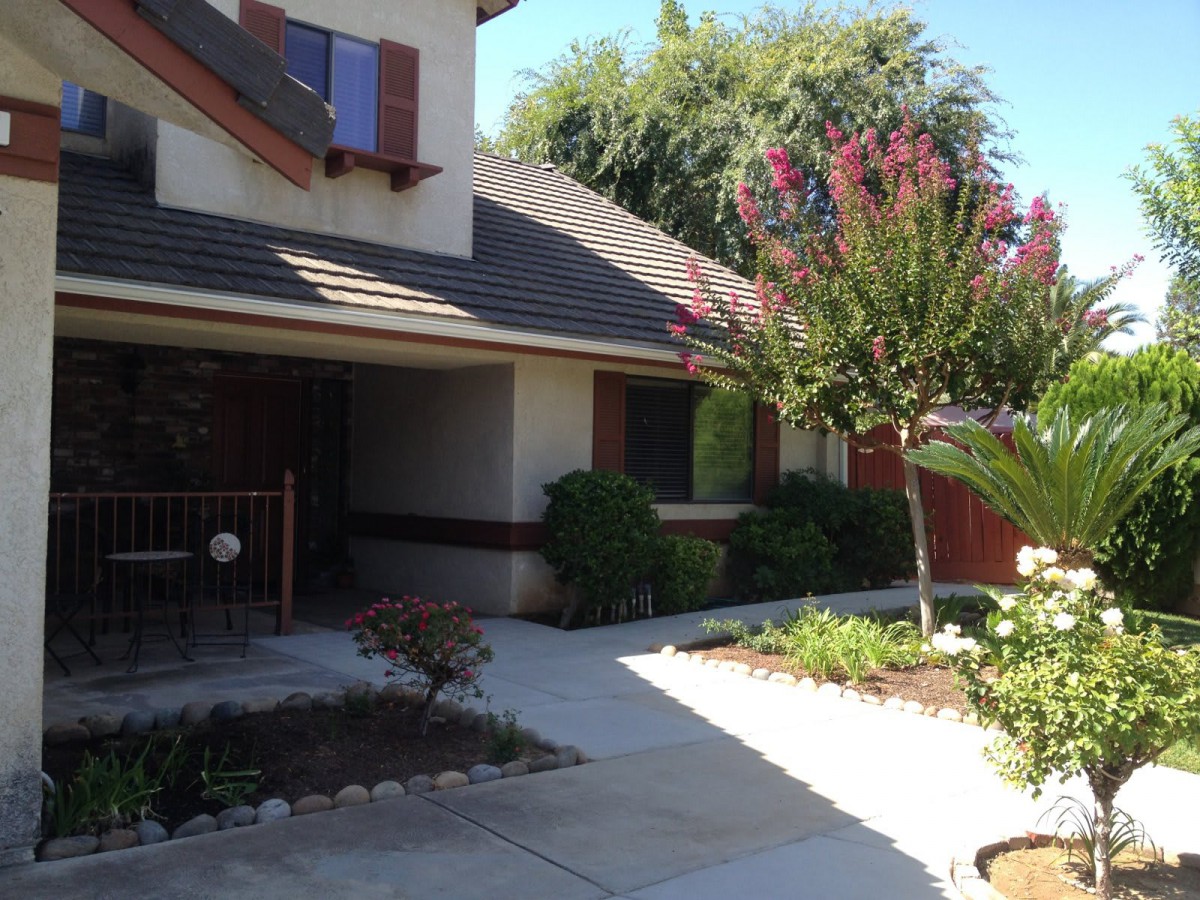
9127 N. Backer Ave. N. of Shepherd/E. of Maple, Fresno, CA 93720
To contact a resident: (559) 240-0728
For more information about senior living options: (866) 208-4318
Royal Gardens I Costs & Pricing
Royal Gardens I offers competitive pricing for its various room types when compared to the broader market in Fresno County and California at large. The costs for a semi-private room at Royal Gardens I are $2,150, significantly lower than the county average of $2,991 and the state average of $3,333. For those seeking more privacy, a private room is available for $2,750, again well below Fresno County's average of $3,589 and California's average of $3,939. Additionally, the studio option at Royal Gardens I is priced at $2,950 - less than both the county's average of $3,349 and the state's average of $4,145. These pricing structures highlight Royal Gardens I as an attractive choice for individuals seeking quality care while being mindful of their budget in comparison to regional alternatives.
| Floor plans | Royal Gardens I | Fresno County | California |
|---|---|---|---|
| Semi-Private | $2,150 | $2,991 | $3,333 |
| Private | $2,750 | $3,589 | $3,939 |
| Studio | $2,950 | $3,349 | $4,145 |
Memory care communities with a similar price nearby
-
About the same
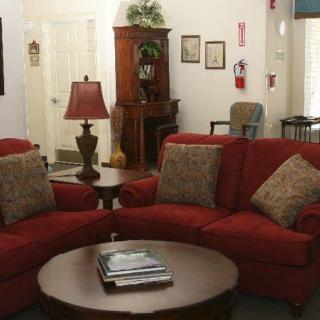
Gettysburg Christian Home
$2,200 to $3,600 / month4.7 miles away -
from +$345 / mo
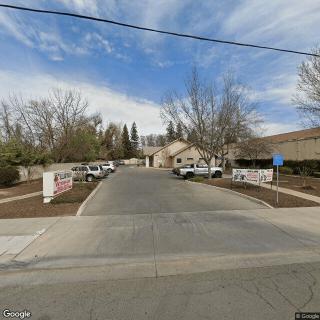
Autumn Ridge
$2,495 / month19.2 miles away -
About the same
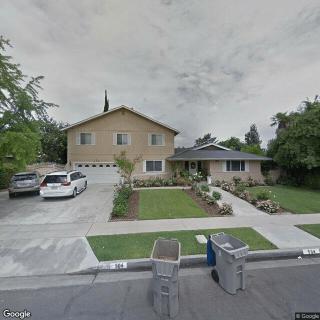
Sierra Palace II
$2,100 to $3,300 / month6.4 miles away -
from -$150 / mo
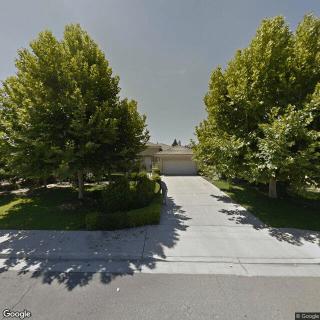
Valley Christian Home I
$2,000 to $2,500 / month4.3 miles away -
from -$150 / mo
Marian Home #4
$2,000 to $3,000 / month6.1 miles away
Overall Review of Royal Gardens I
Pros
 They take great care of residents and understand the care needed for dementia patients.
- The staff are attentive and very professional, and they communicate well with families.
- The grounds and the home are lovely, and the staff help residents get up and moving.
- They keep residents engaged.
- The home and the grounds are extremely clean and well maintained.
- The food is loved by residents.
Cons
 None found.
Review
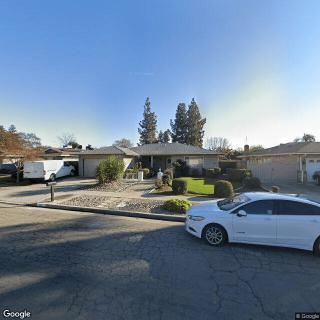
Royal Gardens I in Fresno is best suited for families pursuing dementia-forward assisted living where care is deeply personal, daily engagement is routine, and a warm, home-like setting shapes everyday life. The reviews consistently spotlight staff who understand dementia needs, a calm, well-kept campus, and a program that keeps residents moving and socially engaged. For families, this means fewer battles over routine, more predictability, and reassurance that the person with memory challenges is in an environment designed to reduce confusion and agitation. The combination of attentive caregivers, clean surroundings, appealing grounds, and dependable meal service creates a credible foundation for ongoing quality of life, even as cognitive needs evolve.
That said, this community may not be the best fit for every family. Those with high medical complexity requiring constant, on-site skilled nursing or specialized medical oversight may want alternatives with deeper clinical resources. If budget pressures loom or if the goal is a more clinical atmosphere or stricter security, other options should be explored. Similarly, families seeking intensive, structured memory-care programming with formal clinical milestones and accommodations for acute changes in health could find the level of medical infrastructure at Royal Gardens I less comprehensive. In short, dementia-focused warmth and daily engagement come with trade-offs in medical intensity that must be weighed against current needs.
On the upside, the strongest leverage comes from the staff’s dementia-centric approach. Caring professionals who communicate clearly with families, tend to residents with evident professionalism, and actively involve residents in movement and social activity are core strengths. The environment reinforces these advantages: spotless facilities, well-kept grounds, and meals that residents genuinely enjoy. When a resident is being kept engaged and up and about, the risks of isolation, functional decline, and mood swings diminish, and nutrition improves as evidenced by positive notes about appetite. These pros collectively offset the absence of aggressive medical programming for many families by delivering steadier daily life, greater peace of mind, and sustained quality of life for residents with moderate needs.
Still, the absence of explicit cons in the reviews does not erase practical considerations. Prospective residents should confirm the level of medical staffing available around the clock, the presence of a secured dementia unit, and how emergencies are managed after hours. Understanding the resident-to-staff ratio, how medications are administered, and how care plans are updated and shared with families is essential. The cheerful atmosphere and robust engagement may mask periods of transition if a medical issue spikes; knowing the contingency plan helps families assess whether the pace of daily life aligns with current health status and long-term trajectory. In essence, the positives provide substantial comfort, but verified details matter for decisions with long horizons.
Practical steps to inform a choice include arranging a visit during a typical day, meeting the director of operations, and requesting candid answers about costs, included services, and potential add-ons. Ask to observe a meal service, review activity calendars, and tour living spaces to gauge safety and accessibility. Inquire about trial stays or temporary stays to assess fit, and request references from other families with relatives in similar dementia stages. Clarify what happens when health needs change, including transitions to higher levels of care or hospital transfers. The goal is to confirm that the care plan matches the resident’s dementia profile, routines, and family expectations.
Overall, Royal Gardens I stands out for dementia-capable care delivered with warmth, clarity of communication, and a strong emphasis on daily engagement in a clean, inviting setting. It is a compelling option for families prioritizing continuity of focus on memory care, mobility, and social connection over clinical intensity. Those who anticipate needing frequent medical oversight or specialized memory-care programming may want to compare options with more robust on-site nursing. The recommended path is a thorough tour, careful cost discussion, and a concrete care plan review to ensure alignment with goals. When these boxes are checked, Royal Gardens I offers a resilient, practical home that supports both comfort and dignity for residents with dementia.
 Board and Care Home
 Memory Care
 Private
 Fresno Yosemite International (7 miles away)
 Ambulatory care
 22 Remarkable Caregiver Support Groups Available Online and In-Person
 Understanding Medicaid Coverage for Assisted Living: A Comprehensive Guide
 How and When Medicaid May Cover Assisted Living Costs