
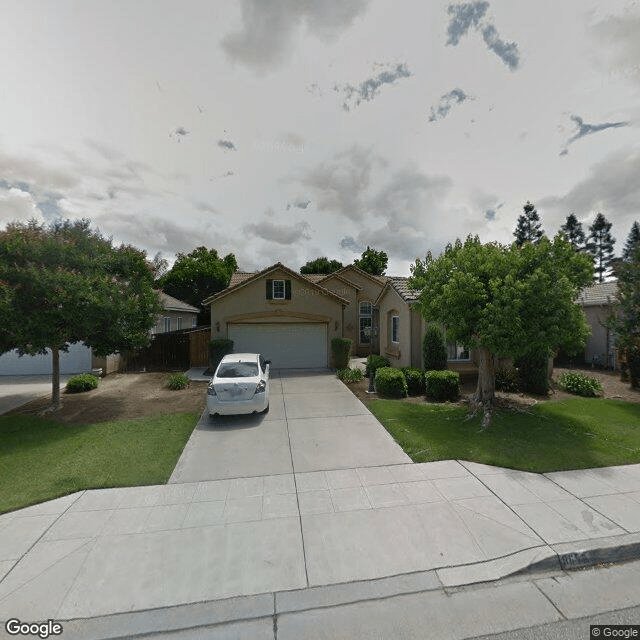
9658 N. Winery Ave., Fresno, CA 93720
To contact a resident: (559) 916-6655
For more information about senior living options: (866) 208-4318
Golden Years II Residential Care Home Costs & Pricing
Golden Years II Residential Care Home offers competitive pricing for its residents while maintaining a high standard of care. For a semi-private room, the cost is $2,800 per month, which is notably lower than both the average rates in Fresno County at $2,991 and the state average of $3,333. The studio option is priced at $3,500, slightly above the county average of $3,349 but still below California's overall average of $4,145. For those seeking more privacy, the private room rate stands at $3,700 - again competitive when compared to Fresno County's average of $3,589 and the broader California figure of $3,939. These rates reflect not only affordability but also an emphasis on quality care in a supportive environment for seniors.
| Floor plans | Golden Years II Residential Care Home | Fresno County | California |
|---|---|---|---|
| Semi-Private | $2,800 | $2,991 | $3,333 |
| Studio | $3,500 | $3,349 | $4,145 |
| Private | $3,700 | $3,589 | $3,939 |
Memory care communities with a similar price nearby
-
About the same
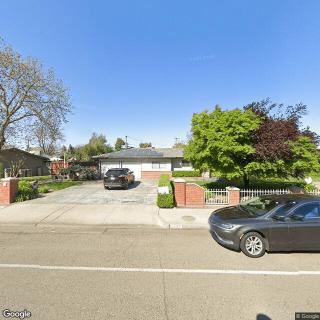
Chateau Jesadean
$2,800 / month5.3 miles away -
from -$200 / mo
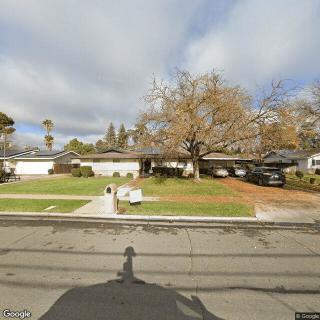
Northwest Villa
$2,600 / month5.5 miles away -
from +$400 / mo
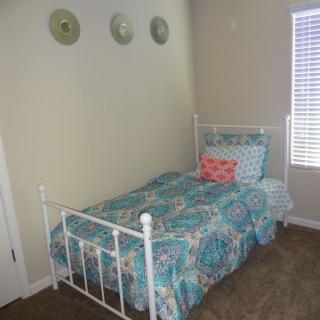
Blossom Creeks Assisted Living
$3,200 to $3,800 / month10.8 miles away -
from +$500 / mo

Nazareth House
$3,300 / month7.7 miles away -
from +$400 / mo
Clovis Guest Home
$3,200 / month5.5 miles away
Overall Review of Golden Years II Residential Care Home
Pros
 The residence is kept exceptionally clean.
- Caregivers are very friendly.
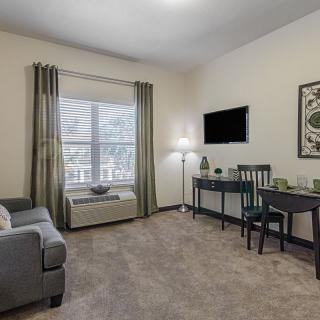
- Rooms are large and private.
- Female and male caregivers are available.
- The staff are described as fantastic.
- The Golden Years is a very nice community.
- Everyone is nice and friendly.
- Residents seem happy and comfortable there.
Cons
 The food is just okay.
- There are no formal activities.
- They need to answer the phone when it rings.
Review
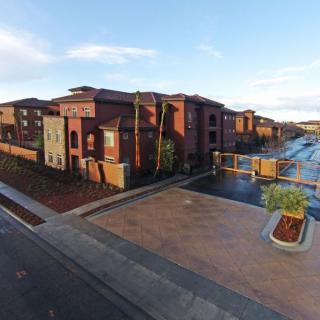
Golden Years II Residential Care Home in Fresno is best suited for seniors who want a compact, home-like setting that emphasizes privacy, cleanliness, and personal warmth. It fits residents who can manage daily living with light assistance and who donā€™t crave elaborate programming or hospital-level services. Families drawn to a calm, predictable rhythm will appreciate how residents share meals and participate in a comfortably social but low-key daily life. With large, private rooms and a focus on a tidy, inviting environment, the community supports dignity and independence while delivering dependable daily care. It is particularly appealing to those who value quiet consistency over high-energy activities.
Alternatives are worth considering for residents who want more structure or medical oversight. If meaningful, formal activities, a broad menu, or specialized memory care are priorities, this setting may feel limited. The dining experience is described as just OK, which could matter for residents who prioritize gourmet meals or varied dining experiences. Families needing around-the-clock nursing supervision or complex medical management should explore larger assisted living campuses or skilled nursing options, where on-site clinicians are routinely available. In short, the community excels in warmth and cleanliness, but it may not satisfy high-demand programming or intensive clinical needs.
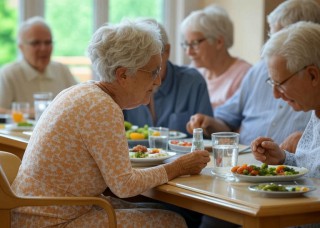
On the upside, the strongest positives are hard to beat. The facility is meticulously clean, a foundation for safety and comfort; caregivers are consistently described as friendly and attentive, which translates into dependable daily support. Private rooms are notably spacious, preserving privacy while still enabling family visits. The staffing mix, both female and male caregivers, offers flexibility and helps accommodate resident preferences and needs. Shared meals three times daily foster fellowship without coercion, reducing isolation. These advantages significantly offset the lack of formal activities and the generic dining experience, turning a potential drawback into a manageable trade-off for those who value a serene home atmosphere.
Residents move through a simple, predictable day: meals together, gentle assistance, and quiet socializing rather than structured programming. The environment reinforces a sense of belonging and comfort; cleanliness and order contribute to a reassuring daily routine. The absence of formal activities means fewer scheduled events, but it also means fewer disruptions and a lower-stress atmosphere. Families should expect a residential care vibe rather than a full-service community; visitors will find staff that are comfortable with routine care tasks, privacy, and the comfort of a small community. For someone who wants a discreet, welcoming atmosphere where privacy is respected, this arrangement is a strong fit.
From a safety and reliability standpoint, the feedback points in lockstep with a high level of resident satisfaction. Descriptions of happiness and comfort among residents indicate effective day-to-day care, with the exception of that minor communication quirk noted as needing to answer the phone promptly. While not a red flag, it signals the need to confirm response times and escalation procedures with staff during visits. The lack of dramatic programming is a deliberate trade-off, not a failure; the core strengths, cleanliness, personal attention, and private living space, provide a robust, low-stress living arrangement for seniors who do not demand constant activity or extensive medical intervention.
Decision guidance: Golden Years II stands out for families seeking a clean, intimate, home-like setting where private rooms, friendly caregivers, and shared meals create a safe, welcoming atmosphere. It is a particularly good match for residents who value dignity, quiet consistency, and straightforward care over elaborate programming or specialized clinical oversight. Those who require robust activity schedules, gourmet dining, or on-site medical teams should look at alternatives with more structured programming. Before choosing, visit to assess exact staffing patterns, on-site nurses or aides, and how meals and private spaces feel in person. When the goal is a calm, dependable, and respectful residential option, Golden Years II earns serious consideration.
 Board and Care Home
 Memory Care
 Activities off-site
 Private
 Fresno Yosemite International (7 miles away)
 Ambulatory care
 Diabetic care
 High acuity care
 Medication management
 Christian services
 Nourishing the Mind: Essential Dietary Approaches for Dementia
 Understanding Dementia Behaviors: Practical Insights and Strategies for Caregivers
 When Dementia Sparks Anger and Aggression: Understanding the Connection and Ways to Cope