
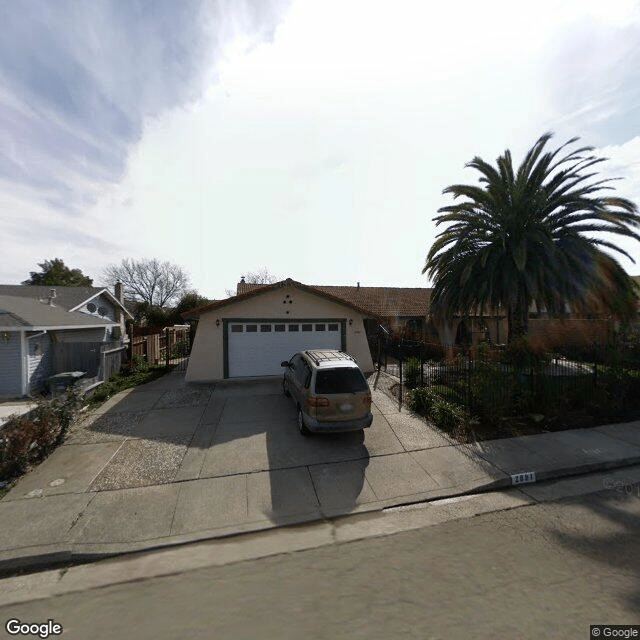
2881 Calaveras Drive, Fairfield, CA 94534
To contact a resident: (707) 426-6356
For more information about senior living options: (866) 208-4318
Heritage Home at Fairfield III Costs & Pricing
Heritage Home at Fairfield III offers competitive pricing for its residents, particularly when compared to both state and county averages. The cost for a studio apartment is set at $2,800 per month, which is significantly lower than the average for Solano County at $4,043 and the broader California average of $4,145. Similarly, the semi-private room option also reflects attractive pricing at $2,800 per month, slightly above Solano County's average of $2,762 but well below California's average of $3,333. This positioning not only highlights Heritage Home as a cost-effective choice within its local market but also underscores its commitment to providing quality living arrangements that remain accessible to prospective residents.
| Floor plans | Heritage Home at Fairfield III | Solano County | California |
|---|---|---|---|
| Studio | $2,800 | $4,043 | $4,145 |
| Semi-Private | $2,800 | $2,762 | $3,333 |
Memory care communities with a similar price nearby
-
from -$300 / mo
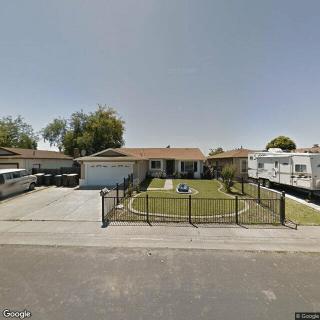
Village Golden Care Home
$2,500 to $3,800 / month2.6 miles away -
from +$195 / mo
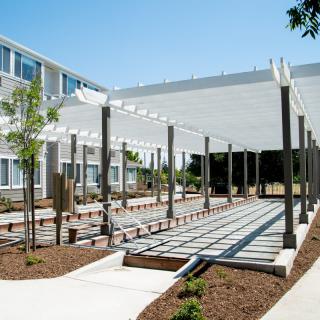
TreVista at Antioch
$2,995 to $5,995 / month24.3 miles away -
from +$450 / mo
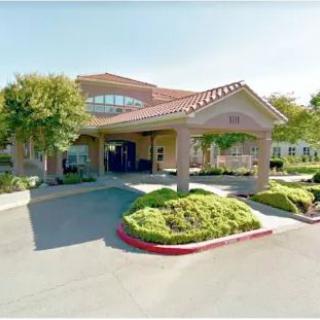
Magnolia Court
$3,250 to $6,000 / month8.4 miles away -
from +$400 / mo
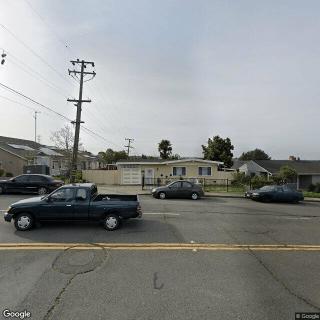
Almabella Manor
$3,200 to $4,000 / month13.5 miles away -
from -$205 / mo
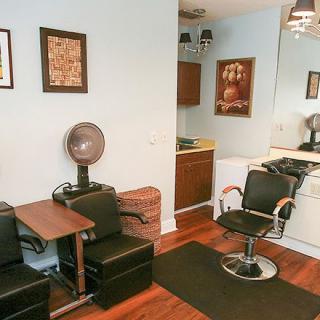
The Inn on Villa Lane
$2,595 to $6,195 / month12.9 miles away
Overall Review of Heritage Home at Fairfield III
Pros
 The staff are friendly, helpful, and open, easily answering questions and giving tours.
- The facility is clean and well maintained, and the overall care is excellent.
- Residents appear well cared for, with nurses evaluating them on a routine basis.
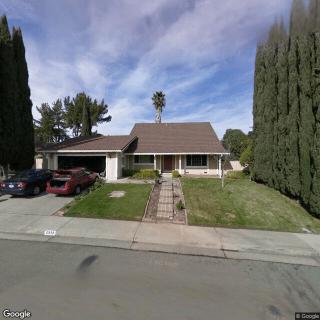
- The outdoor spaces include a very nice courtyard and back yard, plus a pleasant patio area for sitting outside.
- The memory care training and alarm system help ensure residents stay safe.
- The facility is located in a safe neighborhood with an effective security system.
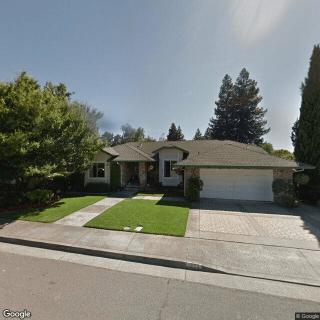
- The care center next door appears recently remodeled and very nice.
Cons
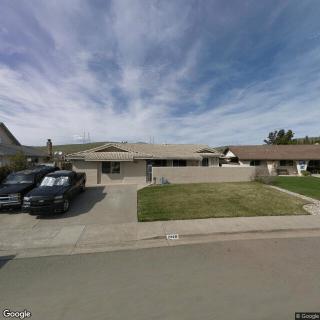
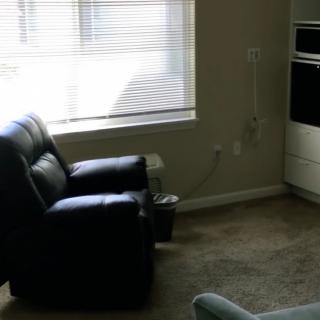
 The 2889 home had stains on the carpet and some wet areas by the bathroom.
- There was a faint urine odor in the home.
- These cleanliness issues tempered the otherwise positive impression of the facility.
Review
Heritage Home at Fairfield III is best suited for families seeking a small, home-like assisted living option where attentive, personable staff, routine nursing oversight, and straightforward memory-care support are the core strengths. The setup, two closely linked care homes with shared staff, appeals to those who value a neighborhood feel, regular monitoring, and a safe, manageable footprint over a sprawling campus. It is particularly appropriate for seniors who do not require hospital-level medical services but do benefit from consistent supervision, a secure environment, and light to moderate activities in a intimate setting.
Those weighing alternatives should consider whether a more bustling program or a facility with a larger campus might better fit their loved one’s social and medical needs. If clean, consistently pristine environments, highly active daily schedules, or more intensive rehabilitation services are non-negotiable, other communities may offer a better fit. Families who want a single, stand-alone building with more expansive amenities, or who worry about odor control and visible cleanliness during tours, may prefer exploring other options before committing to this twin-home arrangement.
The strongest assets here are the staff’s welcoming, responsive demeanor and the clear picture of medical and safety oversight. Staff members readily answer questions, provide tours, and introduce residents, creating a sense of transparency and trust. The facility emphasizes memory-care training and employs a house alarm system to prevent residents from wandering, which supports safety without feeling restrictive. A nurse provides routine evaluations, reinforcing medical attention as part of everyday life. Outdoor spaces, the courtyard and back yard, offer pleasant setups for quiet time or small group gatherings, contributing to a stable, livable atmosphere.
On the downside, cleanliness signals in the available unit show up as carpet staining and some damp areas, with a faint odor noted during visits. These specifics can be meaningful to families sensitive to cleanliness and odor, potentially coloring perceptions of overall quality. Activity programming was not observed during some tours, and visitors noted that the day’s schedule appeared centered on TV and meals rather than structured engagement at that moment. The configuration of two adjacent homes sharing staff can be a plus for coverage, yet it may also raise questions about consistency in daily routines and resident privacy for families that prioritize a more standalone setting.
Still, the pros tend to offset the cons for families prioritizing safety, oversight, and a warm, intimate environment. The combination of attentive staff, nurse involvement, and reliable security creates a dependable backdrop for seniors who value reassurance over a bustling, highly formal setting. The proximity to family, only a short distance from home, facilitates frequent visits and hands-on involvement without a dramatic drop in daily independence. If transportation to outings is important, the possibility of occasional van trips adds a practical channel for socialization. In short, the core experience centers on comfortable living with steady medical touchpoints, not on high-end entertainment or expansive facilities.
For families deciding today, Heritage Home at Fairfield III stands out as a solid choice for residents who thrive in a tight-knit, secure environment and who do not require advanced medical intensity. Prospective renters should be confident in the staff’s engagement, the safety framework, and the home-like ambiance, while also verifying cleanliness in person and probing the daytime activity scheduling during a full tour. If odor control, pristine cleanliness, and more robust daytime programming are priorities, it makes sense to compare with alternatives that emphasize those elements. A decisive visit to both homes on site, carefully evaluating each space, the activity options, and the perceived vibrancy, will reveal whether this setting matches the family’s practical priorities and the resident’s daily rhythms.
 Board and Care Home
 Memory Care
 Activities on-site
 Devotional services off-site
 Indoor common areas
 Ambulatory care
 Diabetic care
 Meals provided
 How to Communicate with a Loved One Living with Dementia: 10 Supportive Strategies
 Comprehensive Guide to VA Nursing Homes: A Crucial Long-Term Care Resource for Veterans
 Estimating the Expenses of At-Home Dementia Care: A Detailed Exploration