
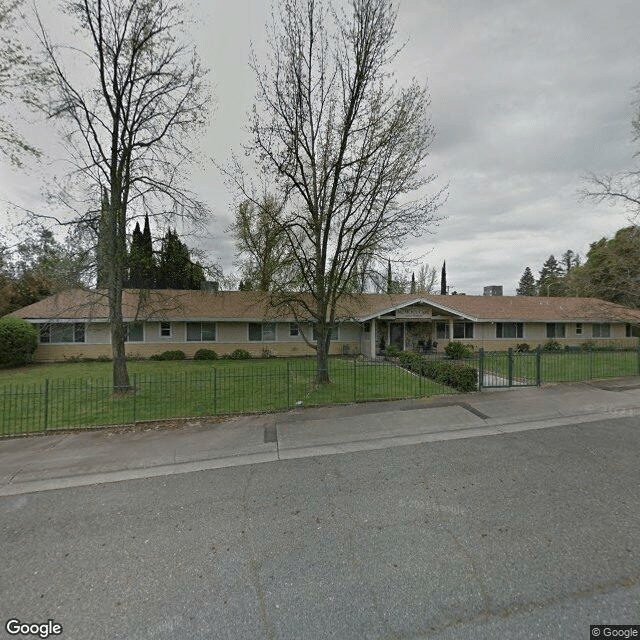
7710 Sunset Ave, Fair Oaks, CA 95628
To contact a resident: (916) 962-7928
For more information about senior living options: (866) 208-4318
Fair Oaks Community at Sunset Costs & Pricing
Fair Oaks Community at Sunset offers competitive pricing for its residents, particularly when compared to the broader Sacramento County and California averages. For a semi-private room, the community charges $2,000 per month, which is significantly lower than the county's average of $3,106 and the state average of $3,333. Additionally, the studio apartments are priced at $4,000 monthly, aligning closely with Sacramento County's average of $3,865 but remaining slightly below California's average of $4,145. This positioning suggests Fair Oaks Community at Sunset provides quality living options that deliver value while maintaining a welcoming environment for its residents.
| Floor plans | Fair Oaks Community at Sunset | Sacramento County | California |
|---|---|---|---|
| Semi-Private | $2,000 | $3,106 | $3,333 |
| Studio | $4,000 | $3,865 | $4,145 |
Memory care communities with a similar price nearby
-
from -$100 / mo
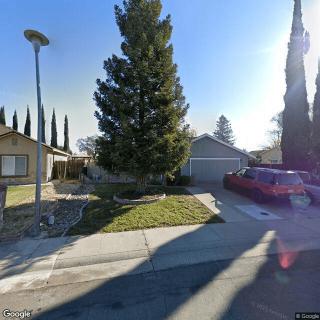
Bloomfield Hills Assisted Living
$1,900 to $2,400 / month4.7 miles away -
from -$200 / mo
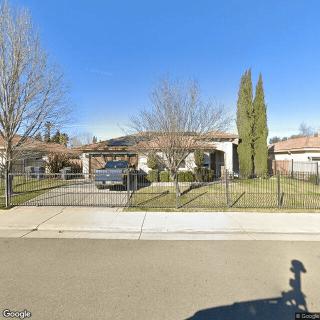
Ciric Care Home
$1,800 to $2,800 / month11.5 miles away -
About the same
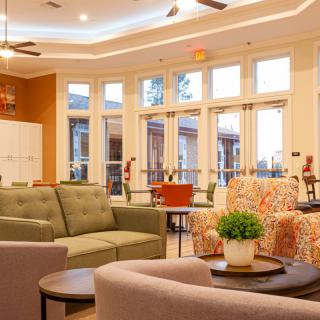
Blissful Gardens
$1,995 to $3,500 / month17.9 miles away -
from +$250 / mo

Oakwood Village
$2,250 to $3,750 / month22.1 miles away -
About the same
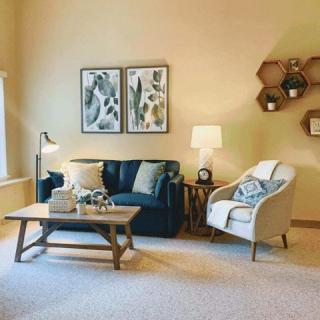
Carlton Senior Living Sacramento Enhanced Assisted Living
$1,995 to $3,695 / month8.0 miles away
Overall Review of Fair Oaks Community at Sunset
Pros
 The room was nice.
- The grass backyard is fairly large, providing outdoor space.
- The room accommodates two beds.
Cons
 They say residents don’t get any care.
- The facility is dirty and stinks.
- There is nothing for residents to do; they are never offered outdoor time, and the outside area is filthy with bird poop.
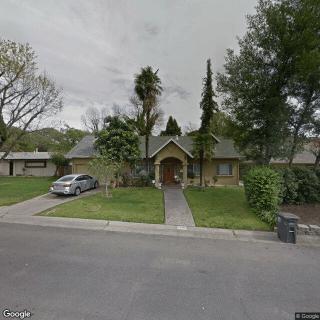
- The front door is filthy, light fixtures are cobwebby, and the yard is in dire need of watering.
- The staff is horrible; they sit around all day, offer no caring words, and yell and snap at residents.
- They push medications to keep everyone asleep all day.
- Some staff cannot speak English, so conversations aren’t possible.
- The food is horrible—cheap and nasty, like hotdogs and baloney with mayonnaise slopped on it.
- This place should be closed down.
- The owner doesn’t care and lacks compassion.
- Carolyn’s care is cheap and low budget; residents do not get quality care or life.
- The place is every senior’s worst nightmare.
- No daily activities, no TV time, and no outdoor time or exercise.
Review
Fair Oaks Community at Sunset is best suited for extremely budget-conscious seniors or for families who can dedicate consistent oversight and active advocacy. It is not a fit for anyone who depends on reliable daily care, vigilant supervision, or safety safeguards. In practical terms, this community serves only those who can tolerate minimal caregiving and who can relentlessly press for basic standards. Alternatives should be considered by anyone who expects clean surroundings, respectful staff interactions, and a predictable care plan. Those seeking transparent, proactive care will want to look elsewhere from the outset.
The care and environment described in multiple accounts raise serious red flags. Residents are portrayed as unkempt, with dirty hair and clothing, and the facility itself is described as dirty and malodorous. Outdoor spaces are reportedly filthy, with bird droppings, and the yard lacks proper maintenance. The front door and light fixtures are neglected, and outdoor areas feel unsafe or unusable. Staff behavior is consistently criticized as disengaged or even hostile, with reports of yelling and doors being closed on residents who may not understand what is happening. Medication practices are questioned, and language barriers further complicate communication. Food is depicted as low-quality and unappealing. Taken together, these elements signal a pattern of neglect and mismanagement rather than a caregiving environment.
In terms of physical space and ambience, the few positives do not compensate for the dominant concerns. One account notes a room that was pleasant enough but small, with a two-bed configuration and limited light. The outdoor area is described as a large grassy backyard that remains largely unusable and inadequately protected from the sun, lacking outdoor furniture and amenities. The décor feels dated, evoking the 1960s, and there is little effort to cultivate inviting common areas or safe, shaded outdoor options. The gap between a potentially modest indoor accommodation and an unsafe or underutilized outdoor setting underscores a broader issue: the facility appears underinvested and inadequately organized to convert space into a genuinely supportive home.
For families evaluating options, the practical course is to conduct a rigorous, multi-time observation. Demand current staffing ratios, rosters, and a detailed explanation of medication management. Observe care at various times of day, including meals and leisure periods. Inspect cleaning schedules, housekeeping quality, and the maintenance of outdoor spaces. Speak directly with residents about daily routines, activities, and whether outdoor time is truly accessible and safe. Request a sample meal plan and a calendar of activities to confirm there is more than the minimum. If an interest remains, insist on clear performance benchmarks or a trial period before committing, and be prepared to escalate concerns promptly if improvements do not materialize.
Alternatives matter because there are options that deliver greater consistency, dignity, and safety at comparable price points. Facilities with stronger staffing, routine housekeeping, meaningful programming, and well-maintained grounds provide far more reliable care and daily structure. If cost is a driver, compare with other RCFE options that emphasize cleanliness and resident engagement, or explore in-home care arrangements that preserve independence while ensuring supervision. The goal is a living situation where care quality, safety, and nourishment are dependable, not results achieved only after sustained, intrusive advocacy.
Bottom line: Fair Oaks Community at Sunset represents a high-risk choice for most seniors and families. The prevailing patterns, care gaps, disengaged staff, pervasive cleanliness and safety concerns, and limited outdoor accessibility, substantially outweigh any minor positives. Only those willing to implement and enforce aggressive oversight, demand immediate improvements, and tolerate ongoing operational scrutiny should consider it. For the broader audience, prioritize communities with demonstrable commitment to respectful care, clean environments, engaging daily activity, and consistent supervision, and approach this option with caution or actively pursue a more capable alternative.
 Memory Care
 Sacramento International (17 miles away)
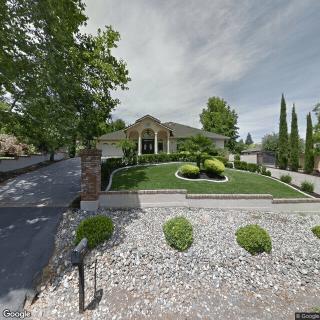


 How to Communicate with a Loved One Living with Dementia: 10 Supportive Strategies
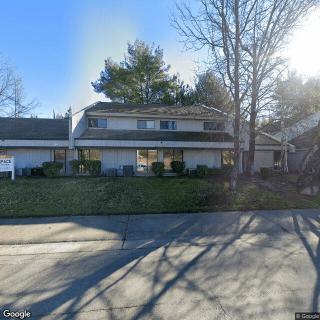
 Comprehensive Guide to VA Nursing Homes: A Crucial Long-Term Care Resource for Veterans
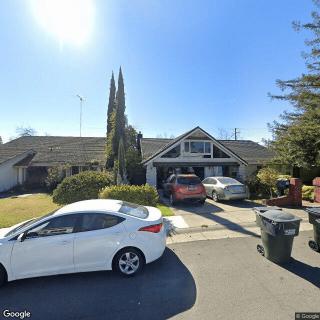
 Estimating the Expenses of At-Home Dementia Care: A Detailed Exploration