
16136 Clovermead St, Covina, CA 91722
To contact a resident: (626) 456-1066
For more information about senior living options: (866) 208-4318
All for Moms Homecare Costs & Pricing
All for Moms Homecare offers competitive pricing for its services, particularly when compared to the costs in Los Angeles County and across California. For semi-private rooms, the monthly fees range from $2,908 to $4,500, which is generally lower than the average cost of $3,349 in the county and slightly above the state average of $3,333. When it comes to private rooms, All for Moms Homecare charges between $3,489 and $4,500 - this positioning is advantageous compared to Los Angeles County's average of $4,197 and California's average of $3,939. Additionally, the one-bedroom option at $5,500 aligns closely with both local and state averages but remains a worthwhile consideration given the care and attention provided. Overall, All for Moms Homecare offers a range that effectively accommodates diverse budgets while ensuring high-quality support tailored to individual needs.
| Floor plans | All for Moms Homecare | Los Angeles County | California |
|---|---|---|---|
| Semi-Private | $2,908 to $4,500 | $3,349 | $3,333 |
| Private | $3,489 to $4,500 | $4,197 | $3,939 |
| 1 Bedroom | $5,500 | $4,603 | $4,340 |
Memory care communities with a similar price nearby
-
from -$508 / mo
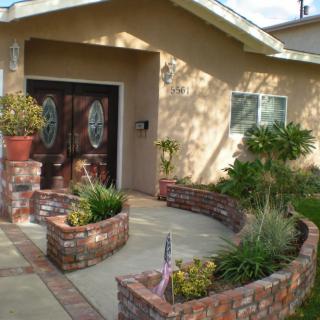
Living Well Care Home
$2,400 to $3,200 / month23.0 miles away -
from +$92 / mo
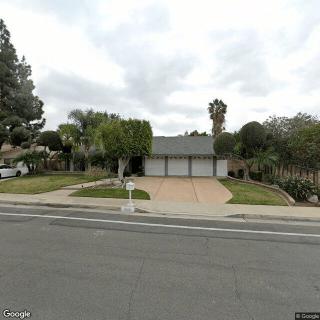
Best Elderly Care I
$3,000 to $3,500 / month20.8 miles away -
from -$408 / mo
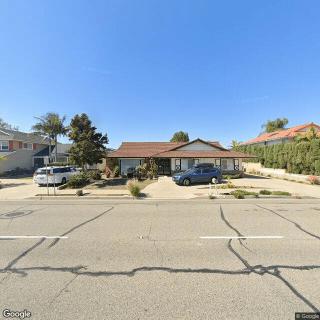
Madison Home Care 2
$2,500 to $2,800 / month22.8 miles away -
from -$208 / mo

The Golden Years Guest Home
$2,700 to $3,500 / month24.8 miles away -
from +$92 / mo

Buena Park Elder Care
$3,000 to $4,000 / month18.6 miles away
Overall Review of All for Moms Homecare
Pros
 The staff at All for Moms Homecare were very friendly, helpful, and kind.
- All for Moms Homecare stayed in communication with the family throughout the entire process with the hospice agency.
- They kept the family updated from the first call to inquire about a tour to mom's admission.
- The care provided gave the family peace of mind, knowing mom was being cared for with such attention.
Cons
 They were hesitant to place mom in a Board & Care facility.
Review
All for Moms Homecare in Covina is best suited for families seeking a transition-focused, intimate care setting where a loved one can receive steady, personalized attention and where communication with relatives and hospice partners is a clear priority. This community works well for families that value a hands-on handoff from inquiry to admission, and that want to feel continuously informed about how care is being delivered. The strongest recommendation hinges on a calm, responsive process: responsive updates, cooperative coordination with hospice, and staff who feel friendly, helpful, and genuinely attentive to a resident’s daily experience.
Those weighing alternatives will want to consider settings with different emphases. If a resident requires around-the-clock medical oversight, more extensive on-site nursing, or dementia-specific programming with structured activities, larger assisted living communities or skilled nursing facilities may offer resources beyond what a small board-and-care-type environment typically provides. For families prioritizing intensive medical management, more robust medical teams, or a broader social program, exploring options with a longer track record of clinical depth is prudent. In short, this choice excels in connection and peace of mind, but may come up short for needs that demand higher medical staffing or specialized care tracks.
The defining positives here center on communication, warmth, and trust-building. The review highlights consistent contact with the family from the initial inquiry through admission, including coordination with the hospice agency. That kind of continuity helps ease the anxiety that accompanies moving a loved one into a care setting. The staff’s friendly, helpful, and kind demeanor contributes to a sense of security, making it easier to believe that mom is receiving attentive, considerate care on a daily basis. In situations where families feel uncertain about how a transition will unfold, these items become the decisive offset to potential worries about care quality.
If any concerns loom, they are largely tied to the inherent trade-offs of a smaller, home-like care arrangement. The single-review snapshot does not disclose specifics about clinical capabilities, nursing presence, safety protocols beyond general assurances, or the breadth of programming. That absence can be interpreted as a potential gap for families needing detailed assurances on medical oversight or robust activity schedules. Yet, the strength of clear, ongoing communication and the compassionate staff helps mitigate these gaps by building trust and ensuring families are never left guessing about what’s happening with day-to-day care.
To make an informed decision, prospective families should verify practical details during visits: how quickly a nurse or caregiver is available for medical questions, how care plans are developed and shared, the exact nature of coordination with hospice, and what happens if care needs intensify. Ask about typical daily routines, staffing levels at various shifts, and how safety concerns are addressed in a small setting. Inquire about emergency procedures, medication management, and the process for updating families after any change in condition. These specifics will reveal whether the strong relational benefits observed in the review translate into dependable, day-to-day reliability.
Bottom line: All for Moms Homecare offers a compelling option for families prioritizing direct communication and a warm, attentive atmosphere during the delicate move into board-and-care living. It is particularly well-suited for those who want reassurance that a loved one will be cared for with attentiveness and consistent family liaison. However, for residents with significant medical complexity or the expectation of extensive on-site clinical services, alternatives with more formal medical staffing and larger-scale programming should be explored. In the right circumstances, this community delivers peace of mind and kindness that can make all the difference in a difficult transition.
 Board and Care Home
 Memory Care
 Private
 Ontario International (19 miles away)







 When to Transition from Assisted Living to Memory Care: Key Indicators, Steps, and Finding the Right Community
 Understanding the Distinctions: Assisted Living and Memory Care Explained
 How to Communicate with a Loved One Living with Dementia: 10 Supportive Strategies