
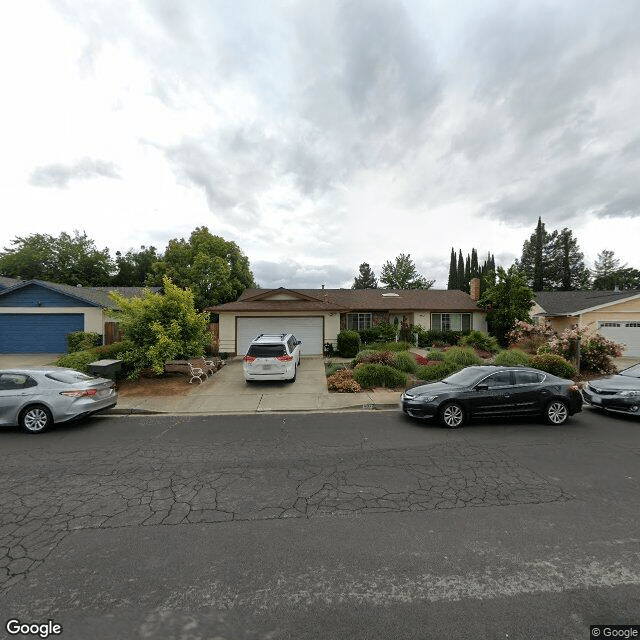
4972 Hames Dr, Concord, CA 94521
To contact a resident: (925) 827-1678
For more information about senior living options: (866) 208-4318
Concord Senior lodge Costs & Pricing
Concord Senior Lodge offers competitive pricing for its accommodations, with both private and semi-private rooms available at $2,500 per month. This rate is significantly lower than the average costs in Contra Costa County, where similar private rooms typically run around $4,088, and semi-private options are priced at approximately $3,471. When comparing these figures to the broader California state averages of $3,939 for private rooms and $3,333 for semi-private rooms, it's clear that Concord Senior Lodge positions itself as an affordable choice without sacrificing quality. This makes it an attractive option for seniors seeking value in a supportive living environment.
| Floor plans | Concord Senior lodge | Contra Costa County | California |
|---|---|---|---|
| Private | $2,500 | $4,088 | $3,939 |
| Semi-Private | $2,500 | $3,471 | $3,333 |
Memory care communities with a similar price nearby
-
About the same
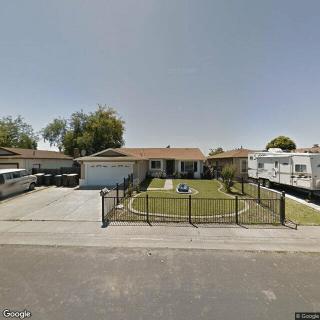
Village Golden Care Home
$2,500 to $3,800 / month19.8 miles away -
from +$495 / mo
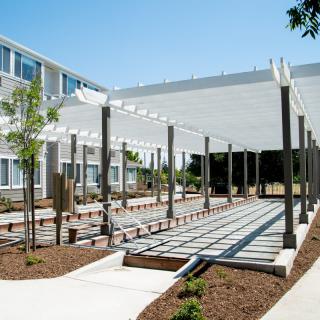
TreVista at Antioch
$2,995 to $5,995 / month8.8 miles away -
from +$100 / mo
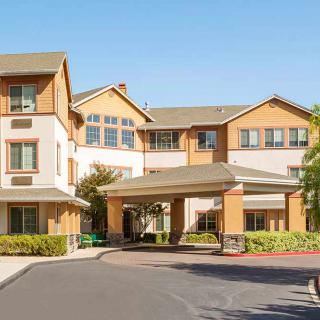
Atria Park Of Lafayette
$2,600 to $6,495 / month7.4 miles away -
About the same
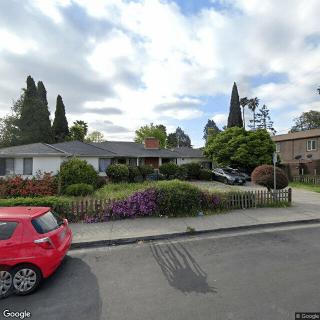
Mori Manor
$2,500 to $4,000 / month20.1 miles away -
from -$300 / mo
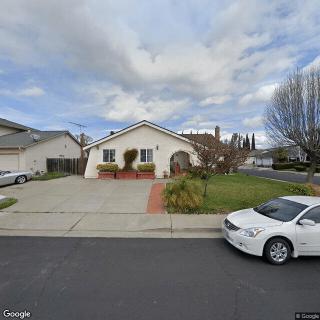
Dover Valley Residential Care Home
$2,200 to $3,000 / month22.2 miles away
Overall Review of Concord Senior lodge
Pros
 Jenny and staff took exceptionally great care of her.
- The grandmother was always clean and comfortable.
- When they visited, Jenny would have Christmas or other music on.
- Staff was usually cooking something that smelled wonderful.
- The reviewer would highly recommend this care home.
Cons
 — the provided review contains only positive statements about the care home.
Review
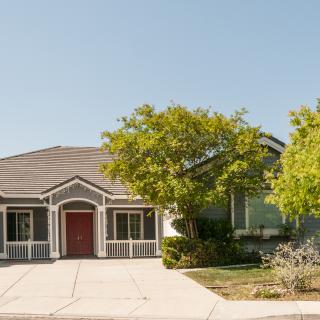
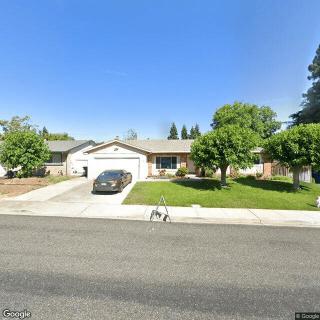
Concord Senior Lodge is best suited for families seeking a small, home-like setting where caregiving is deeply personal and consistently attentive. This community shines when residents value a tight-knit environment, familiar faces, and a routine that feels more like a trusted family home than a large campus. It is ideal for seniors who want to know the caregivers by name, who appreciate daily cleanliness, comfort, and little touches that create a sense of belonging, like music during visits and the aroma of home-cooked meals wafting through the hallways. For families prioritizing warmth, stability, and highly personalized care, this lodge delivers results that feel both dependable and comforting.
Those who may want to consider alternatives are those with more intensive medical needs or a desire for a broad spectrum of on-site amenities. If 24/7 skilled nursing, extensive rehab services, or a dynamic, program-rich calendar are non-negotiables, other communities with larger staffs and more formal clinical support should be evaluated. Similarly, residents who crave a wide array of structured activities, robust social events, or campus-style features may find a larger facility better aligned with their milestones and social goals. Budget considerations also matter; if upfront costs or ongoing fees must be minimized, confirm what is included and what would require additional arrangements elsewhere.
The standout pros are remarkably concrete and meaningful. The level of care described by families centers on exceptional, hands-on attention from staff, particularly the caregiver named Jenny who consistently made the grandmother feel cared for, clean, and comfortable. A clean, well-kept living space underpins daily peace of mind, and the home atmosphere, complete with the smells of comforting meals and occasional music, creates emotional security that’s hard to replicate in larger settings. Longevity of placement, with the grandmother residing there for years, signals reliable routines, steady staffing, and a sense that families can entrust ongoing daily needs without constant disruption. These elements translate into less stress for both residents and their families, and a predictable, reassuring rhythm to everyday life.
The second tier of strengths lies in the subtler, but equally important, daily routines. Residents benefit from a consistent, personable approach to meals, companionship, and comfort that makes each day feel manageable and pleasant. The small-scale operation appears to foster quicker responses to requests, more flexibility in daily scheduling, and a sense that staff truly sees the individual behind the chart. In practice, that translates to fewer lonely moments, more meaningful check-ins, and an environment where routine conversations, music, and home-cooked aromas become part of the resident’s familiar world. For families, those intangible touches often translate into measurable improvements in mood, engagement, and overall wellbeing.
Yet the pragmatic decision must acknowledge potential trade-offs. The small footprint of a residential lodge can mean fewer on-site clinical resources, limited access to a broad lineup of specialized activities, and less spontaneous, campus-wide programming than larger communities. It’s reasonable to anticipate that medical supervision, rehab services, and transportation options may be more constrained, and any sudden health change could require swift coordination with external providers. These realities don’t negate the strong caregiving core, but they do mean due diligence is essential: verify current staffing levels, understand how medical needs are monitored, and confirm the availability of on-call nursing or partnered home health support when necessary.
In the end, Concord Senior Lodge earns its recommendation for families prioritizing warmth, personal connection, and dependable day-to-day care. For residents who thrive in a small, autonomous environment where caregivers form real relationships and the home feels like a trusted living space, this community delivers peace of mind that’s often scarce in larger facilities. Those focusing on medical intensity, expansive programming, or a broad array of on-site services should explicitly compare those capabilities and visit with specific questions to avoid gaps. The prudent approach is clear: assess medical needs honestly, tour with a critical eye, and confirm that the balance of heartfelt care and practical supports aligns with long-term goals.
 6 resident community capacity
 Assisted Living
 Board and Care Home
 Memory Care
 Cable or satellite TV
 Dining room
 Fully furnished
 Garden
 Housekeeping services
 Move-in coordination
 Outdoor space
 Private
 Telephone
 Wi-Fi/high-speed internet available
 Metropolitan Oakland International (22 miles away)
 24-hour supervision
 Activities of daily living assistance
 Assistance with bathing
 Assistance with dressing
 Assistance with transfers
 Diabetes diet
 Meal preparation and service
 Medication management
 Special dietary restrictions
 Transportation arrangement (medical)
 Transportation to doctors appointments
 Understanding Dementia Through Its Seven Stages: A Comprehensive Look at Progression and Expectations
 A Holistic Dementia Care Guide: Effective Strategies for Memory Support
 Comprehensive Insights into Activities of Daily Living (ADLs) and Their Assessment