
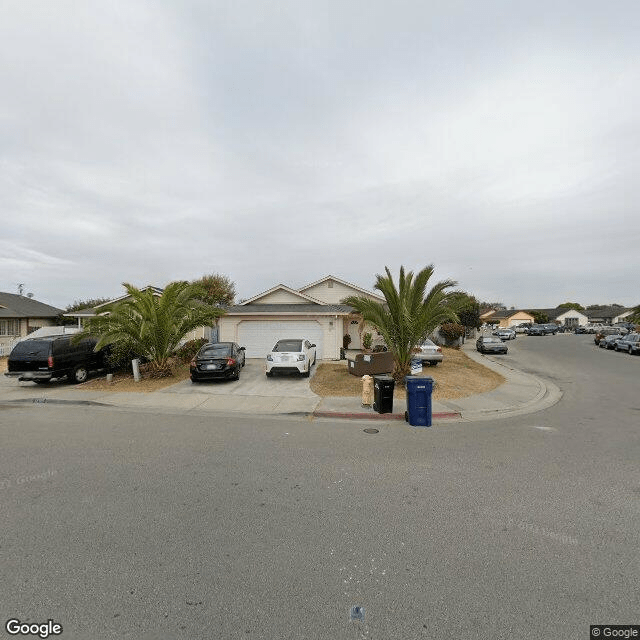
12895 Via Linda, Castroville, CA 95012
To contact a resident: (831) 632-0405
For more information about senior living options: (866) 208-4318
Christian Home Care Costs & Pricing
Christian Home Care offers competitive pricing for its services when compared to the broader market in Monterey County and California. For a semi-private room, residents can expect to pay $2,700, which is significantly lower than the county average of $3,561 and the state average of $3,333. Private rooms at Christian Home Care are priced at $4,500, slightly above Monterey County's rate of $4,311 but still favorable considering that it is less than the overall state average of $3,939. Similarly, one-bedroom accommodations also align closely with regional trends; while priced at $4,500 at Christian Home Care, this sits just above both the county's average of $4,189 and California's average rate of $4,340. Overall, Christian Home Care presents a compelling option for those seeking quality home care services at a fair price within the context of local and state averages.
| Floor plans | Christian Home Care | Monterey County | California |
|---|---|---|---|
| Semi-Private | $2,700 | $3,561 | $3,333 |
| 1 Bedroom | $4,500 | $4,189 | $4,340 |
| Private | $4,500 | $4,311 | $3,939 |
Memory care communities with a similar price nearby
-
from +$300 / mo
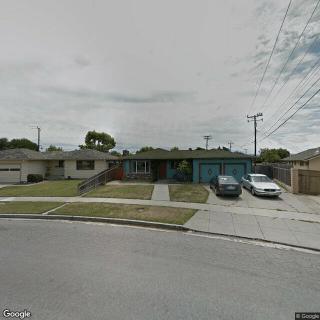
Songbird Care Home
$3,000 to $4,000 / month8.1 miles away -
from +$495 / mo

Vista Harden Ranch
$3,195 to $4,595 / month7.1 miles away -
from +$310 / mo

The Park Lane
$3,010 to $5,965 / month14.9 miles away -
from -$200 / mo
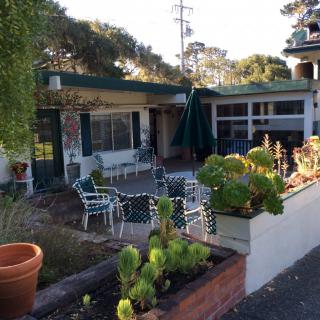
Del Monte Assisted Living & Memory Care
$2,500 to $3,700 / month15.4 miles away -
from +$300 / mo

Home Away From Home II
$3,000 to $3,500 / month8.6 miles away
Overall Review of Christian Home Care
Pros
 Mom enjoys the food.
- The staff's kindness and the cleanliness of the home impressed the reviewer.
- They take her to get her hair done and to doctor’s appointments.
- She gets to watch her baseball games, which she enjoys very much.
- Christian Home Care is the best place for her mother.
- The staff are loving, patient, kind, respectful, and provide excellent care.
- She is happy there.
- The care-to-resident ratio is among the best.
Cons
 It was horrible.
- It was awful.
- They wouldn’t recommend it to anyone.
- They took their loved one out after less than two weeks.
- There was nothing else to say.
Review
Christian Home Care in Castroville is best suited for seniors who want a warm, home-like setting where compassionate, hands-on staff deliver daily living support with a personal touch. This community works best for families that prize cleanliness, a safe environment, and visible attentiveness from caregivers. Residents who value regular meals that are thoughtfully prepared, help with routine tasks, and easy access to hair appointments and medical transportation will feel supported. The model suits those who prefer a smaller, intimate atmosphere over a large institutional feel, with staff who integrate into daily life rather than merely provide tasks. In short, it’s a practical home base for elders who prioritize daily comfort, dependable companionship, and accessible care.
That said, this community may not be the right fit for every situation. Families dealing with high-acuity medical needs requiring round-the-clock skilled nursing, complex wound care, or specialized memory care may want to consider alternatives with broader clinical resources. Those who require highly structured programming, tight oversight, or a consistently long-term, predictable placement may also want to look elsewhere. Additionally, families with apprehensions about rapid changes in placement or care plans should proceed with caution and seek facilities with transparent track records and stronger documented stability.
On the upside, the strongest positives center on interpersonal warmth and practical daily support. Reviewers emphasize kindness, patience, and respect from staff, along with a clean, safe environment. Food quality and fresh offerings appear to be a notable strength, and the ability to arrange hair appointments, doctor visits, and routine outings contributes to a sense of normalcy and dignity for residents. The environment is described as clean with a caring routine, and managers or operators who seem genuinely invested in residents’ happiness. For families who want a homelike routine, reliable assistance with transport and appointments, and staff who treat residents with care and courtesy, these advantages matter a great deal.
However, the negative feedback cannot be dismissed. Two separate accounts label the experience as “horrible” and indicate a decision to move a loved one out within two weeks, a red flag that should not be minimized. The remarks lack granular detail, which makes it harder to diagnose whether issues were isolated mishaps or indicative of broader patterns. Regardless, the severity implied by such experiences is significant for families weighing risk, especially when early transition stress and compatibility matter as much as ongoing care quality. These reports should prompt thorough, direct conversations with the team about expectations, safeguards, and what happens if care needs change suddenly.
For families evaluating this community, practical steps matter. During visits, request a clear tour of typical daily routines, observe caregiver engagement with residents, and ask for a written outline of staffing levels around the clock, including who oversees medical needs and who is available after hours. Probe how transportation is organized for appointments and outings, and review menus and dietary accommodations. Seek examples of individualized care plans, monitor how progress is tracked, and ask for recent resident satisfaction notes. If possible, speak with multiple families about their experiences and request references. Understand the admission process, trial periods, and contingencies should care needs evolve rapidly.
The bottom-line recommendation is balanced and practical. For families prioritizing warmth, attentiveness, solid daily routines, good meals, and help with transportation and errands, Christian Home Care offers a compelling fit. It delivers the kind of personal, home-centered care that can enhance comfort and livability for many seniors. Yet for those whose loved one requires stronger medical oversight, specialized memory care, or a track record of uninterrupted stability, it pays to compare with facilities that demonstrate concrete consistency and a longer, verifiable history of favorable outcomes. In the decision process, align priorities with evidence of genuine daily quality of life and a transparent plan for managing evolving care needs.
 Board and Care Home
 Memory Care
 Private
 Monterey Peninsula (14 miles away)
 High acuity care
 Incontinence care
 Medication management




 8 Important Indicators That Memory Care May Be Necessary
 Delving into the Inner World of Dementia: Insights into Thoughts and Awareness
 Five Subtle Dementia Indicators to Observe: An In-Depth Guide to Understanding “Does My Mom Have Dementia?”