
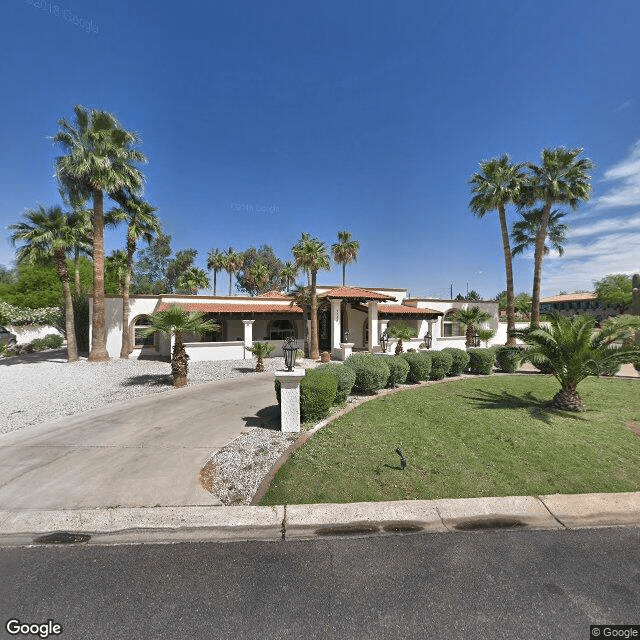
7130 East Gary Road, Scottsdale, AZ 85254
To contact a resident: (480) 788-9833
For more information about senior living options: (866) 208-4318
The Sanctuary of Cholla Costs & Pricing
The Sanctuary of Cholla offers competitive pricing for its living accommodations, reflecting both the quality of care provided and the amenities available. For semi-private rooms, the monthly cost is set at $3,100, which is notably higher than the average rates in Maricopa County ($2,801) and across Arizona ($2,820). Similarly, private rooms are priced at $3,500, slightly exceeding the averages of $3,318 for Maricopa County and $3,345 statewide. These figures suggest that while The Sanctuary of Cholla's costs may be above the local and state averages, they likely encompass a range of additional services and personalized care that could justify this premium investment in residents' well-being.
| Floor plans | The Sanctuary of Cholla | Maricopa County | Arizona |
|---|---|---|---|
| Semi-Private | $3,100 | $2,801 | $2,820 |
| Private | $3,500 | $3,318 | $3,345 |
Memory care communities with a similar price nearby
-
from -$600 / mo
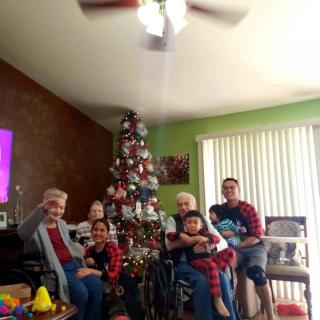
La Bella Vita ALH
$2,500 to $7,000 / month19.9 miles away -
from -$100 / mo
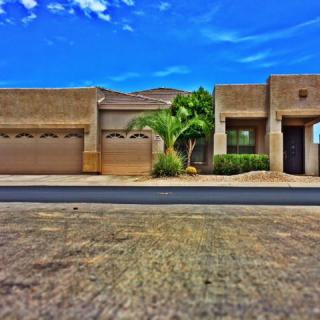
Desert Garden Senior Living
$3,000 to $3,500 / month20.8 miles away -
from -$100 / mo
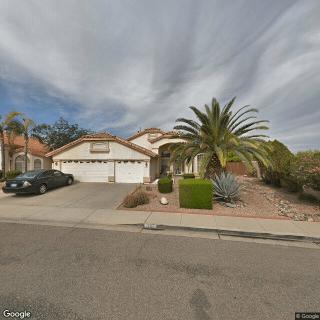
Horizon Assisted Living
$3,000 / month18.2 miles away -
from -$600 / mo
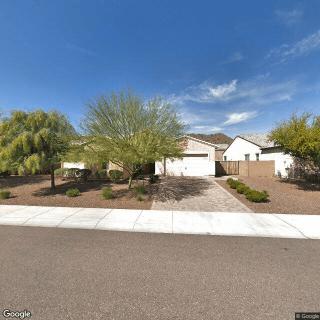
Northlands Assisted Living Home
$2,500 / month22.3 miles away -
from -$100 / mo
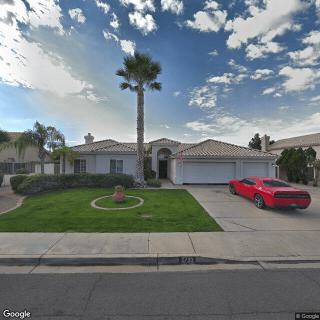
Desert Winds I
$3,000 to $3,800 / month12.3 miles away
Overall Review of The Sanctuary of Cholla
Pros
 The Summit is an exceptional outpatient center with deeply personalized care.
- The therapists Nora, Shelley, and Ashley, along with TMS technician Maria, are outstanding.
- Each therapist takes time to understand individual circumstances, histories, and needs, responding with thoughtful, nuanced, and deeply personalized care.
- The level of attentiveness creates a safe and genuinely supportive atmosphere.
- The owner, Michael, is unhurried, thoughtful, and deeply personal in every interaction.
- His care is genuine, not performative, setting a tone of empathy, accountability, and real human connection.
- The Summit treats people with dignity, compassion, and individualized care.
- The outpatient team helps clients slowly reintegrate into daily life and develop lasting skills.
- The facility is warm, peaceful, and thoughtfully designed to feel safe and respected.
- Clinicians understand each person’s story and tailor evidence-based treatment to their needs.
- The program combines professionalism with genuine compassion and integrity, setting a new standard for outpatient care.
- Maria is described as a ray of sunshine who is informative and warm, making visits positive.
Cons
 The Sanctuary of Cholla did not fully refund the security deposit of $3500 after their mother died.
 - They claim there were too many deaths across the properties to return the money in a timely manner.
- When questioned, they were referred to a lawyer (the general counsel, Michael DeBenon) instead of resolving the refund.
- After months of calls and a letter, only a $1500 check was issued, leaving $2000 unpaid.
- The family considers the missing money stolen and questions the center’s ethics.
- They believe the business is not above-board and warn others about predatory practices toward seniors and grieving families.
Review
The Sanctuary of Cholla is best suited for families seeking a small, intimate feel in Scottsdale where day-to-day care centers on kindness, personal warmth, and a steady, human touch. The strongest signal from available accounts is that, at its core, the staff are pleasant and responsive, and the environment is described as calm and safe. For families who value a home-like atmosphere and caregivers who treat residents with dignity and courtesy, this community can feel like a comfortable place to establish a steady, ongoing relationship with care providers. It is not presented as a high-traffic, multi-wing operation, but rather as a setting where residents and their families can expect approachable, human interactions as a foundation of daily life.
That said, there are clear reasons why some families may want to consider alternatives. The most definitive red flag in the review set concerns financial handling: a security deposit was not refunded in a timely fashion, with the family describing a protracted dispute and unresolved funds. The narrative paints a picture of concern over ethics and responsiveness in management, including referrals to legal counsel and blocked attempts to reach leadership. For families where financial clarity, timely refunds, and straightforward business practices are non-negotiable, this history cannot be dismissed and warrants seeking more transparent policies elsewhere. In this decision framework, the financial integrity of the operator sits at the top of the risk assessment, eclipsing other positive impressions.
The reviews do offer a clear benchmark of what high-quality care looks like in a related care setting, and those benchmarks illuminate where The Sanctuary of Cholla could be evaluated. Across the market, facilities that emphasize individualized, compassionate care, with staff who genuinely listen and respond to each resident’s story, tend to deliver outcomes that families notice and remember. In the comparisons, a highly regarded outpatient model demonstrates what best-in-class, client-centered care looks like: therapists who tailor plans with deep sensitivity to history and current needs, a leadership tone that values integrity and real human connection, and a physical space designed to feel safe and respectful from the first step in. While these characteristics describe another program, they set the standard by which any senior living community should be measured, including The Sanctuary of Cholla.
The core conundrum here is that the most concrete negatives conflict with the softer positives. The main setback, the unreliable handling of a resident’s security deposit, has implications far beyond a single financial dispute. It raises questions about governance, accountability, and the consistency of follow-through on promises. If a family experiences even one instance of delayed refunds or nonresponsive management, that pattern can undermine trust in every other facet of care: how maintenance requests are handled, how care plans are updated, how disputes are resolved. In practical terms, this means that while caregivers may be pleasant on a day-to-day basis, the overarching sense of security and predictability can be compromised if business practices are opaque or unresponsive.
From a decision-making standpoint, the recommended approach is concrete. First, demand full transparency about deposit policies in writing before any commitment, including a clear timeline for refunds, a detailed accounting of any withholdings, and a direct line of contact for financial questions. Second, verify current state compliance and ask to speak with current residents or families about their experiences with billing, deposits, and communication with management. Third, compare the operational cadence and care philosophy to benchmark facilities in the area that are widely praised for both care quality and financial clarity, notably, programs that demonstrate consistent responsiveness, open policies, and a track record of respectful, patient-centered care. Finally, if choosing The Sanctuary of Cholla, secure explicit contractual protections: refund schedules, escalation paths, and a commitment to timely communication, so the risk floor is lowered should disputes arise.
In the end, The Sanctuary of Cholla presents a cautious assignment. For families where the love of a resident’s daily life hinges on the warmth of staff and a calm, reassuring environment, the community could be a fit, provided strict financial assurances are in place and trusted to be upheld. However, for families where the certainty of ethical business practices, prompt financial settlements, and transparent governance are non-negotiable, serious consideration should be given to alternatives. The market offers exemplars of care where both clinical dignity and operational integrity align, and those benchmarks should guide the final choice, with The Sanctuary of Cholla treated as a candidate only after comprehensive verification of deposit policies and management responsiveness.
 Board and Care Home
 Memory Care
 Activities off-site
 Private
 Respite or short term stays offered
 Wheelchair accessible showers
 Phoenix Sky Harbor International (12 miles away)
 Diabetic care
 High acuity care
 Incontinence care
 Medication management
 Meals provided





 Understanding Dementia Through Its Seven Stages: A Comprehensive Look at Progression and Expectations
 A Holistic Dementia Care Guide: Effective Strategies for Memory Support
 Comprehensive Insights into Activities of Daily Living (ADLs) and Their Assessment