
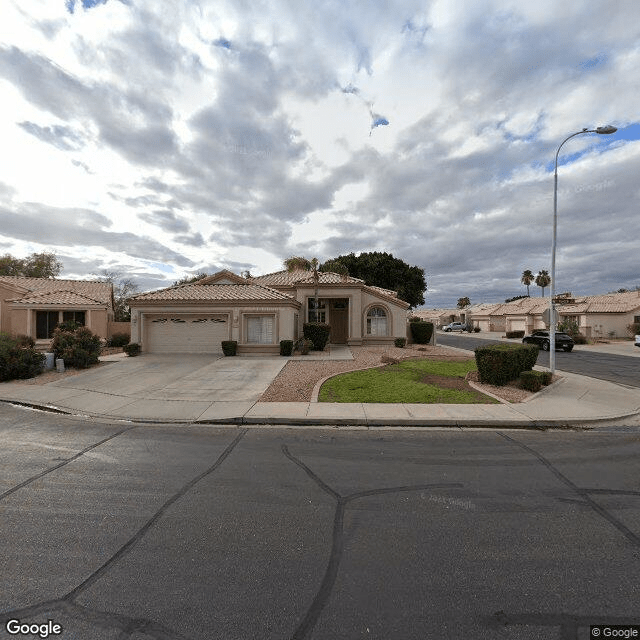
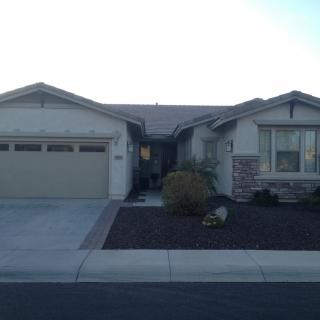
2962 S. Yucca St, Chandler, AZ 85248
To contact a resident: (480) 272-9019
For more information about senior living options: (866) 208-4318
Divine Mercy Assisted Living II Costs & Pricing
Divine Mercy Assisted Living II offers competitive pricing in comparison to both Pinal County and the broader state of Arizona. For a studio room, residents pay $1,850 monthly, which is significantly lower than the county average of $3,473 and the state average of $3,829. The private rooms at Divine Mercy are priced at $2,500 - again favorable compared to Pinal County's average of $3,209 and Arizona's statewide figure of $3,345. Similarly, one-bedroom accommodations cost $2,600 at Divine Mercy versus $3,659 in the county and $3,532 statewide. Even for two-bedroom options at Divine Mercy priced at $3,350, it remains more affordable than both the county and state averages of $3,785 and $4,106 respectively. Overall, Divine Mercy Assisted Living II provides an attractive value for prospective residents seeking quality assisted living services without straining their financial resources.
| Floor plans | Divine Mercy Assisted Living II | Pinal County | Arizona |
|---|---|---|---|
| Studio | $1,850 | $3,473 | $3,829 |
| Private | $2,500 | $3,209 | $3,345 |
| 1 Bedroom | $2,600 | $3,659 | $3,532 |
| 2 Bedrooms | $3,350 | $3,785 | $4,106 |
Memory care communities with a similar price nearby
-
from +$150 / mo
Santo Nino Villas 2
$2,000 to $2,300 / month5.1 miles away -
from +$150 / mo
Angel's Adult Group Home
$2,000 to $3,000 / month6.9 miles away -
from +$350 / mo
Desert Springs Communites
$2,200 to $2,500 / month17.3 miles away -
from +$350 / mo
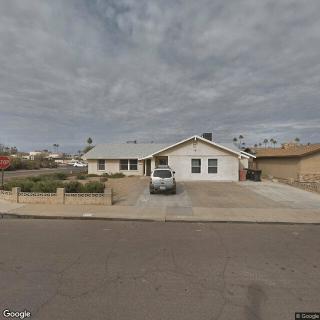
Serene Valley Assisted Living Home
$2,200 to $3,800 / month16.1 miles away -
from +$350 / mo
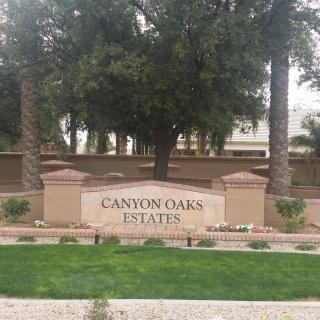
Desert Breeze of Chandler
$2,200 to $3,000 / month4.3 miles away
Overall Review of Divine Mercy Assisted Living II
Pros
 The care home is highly recommended for elderly care.
- Alice and her staff are amazing, loving, and kind, going out of their way to make every resident feel special.
- The residents receive the best possible care in this home.
- The facility maintains high standards of cleanliness and presents a warm, home-like atmosphere.
- The staff are pleasant, family-oriented, and attentive to residents' needs.
- Families and professionals who have evaluated the home are impressed and have no reservations about placing loved ones there.
- Personal care is provided consistently, with daily morning and evening assistance that includes washing, dressing, and changing bedding.
Review
Divine Mercy Assisted Living II in Chandler is best suited for families seeking a small, home-like setting where every resident is treated with unmistakable warmth and personal attention. This community thrives for elders who value familiar faces, predictable routines, and a dignified, family-centered approach to daily care. The environment is deliberately intimate, prioritizing cleanliness, comfort, and a tone of genuine care. For seniors in the late middle to advanced age who benefit from steady, compassionate oversight and a sense of belonging, Divine Mercy II offers a compelling fit.
Those evaluating alternatives should note that the strongest appeal here is personal connection more than clinical volume. If a family requires highly clinical oversight, access to a broad menu of on-site therapies, or the feel of a larger campus with extensive programming, other options may better serve those needs. Families seeking a more institutional atmosphere, or a setting with a wide array of structured activities and specialized medical resources, may want to compare Divine Mercy II against larger facilities to ensure the scale aligns with expectations for ongoing medical management and activity scheduling.
The earned advantages of this community, chiefly the staff-to-resident warmth, the evident dedication of Alice, and the emphasis on a home-like, respectful atmosphere, more than offset the absence of any publicly raised drawbacks in the reviews. Residents report happiness, consistent cleanliness, and care that goes beyond routine duties, with caregivers who wash, dress, and attend to daily needs with diligence. The trust factor is palpable: an elder-abuse investigator’s own impression was favorable, and family members consistently describe staff as amazing, loving, and attentive. In practical terms, that level of personalized attention can translate into fewer misunderstandings, quicker responses, and a smoother daily rhythm for both residents and families.
Still, any solid decision hinges on recognizing what is not highlighted in the reviews. The consensus does not foreground technical shortcomings or glaring service gaps, but the nature of a smaller, home-based assisted living setting implies a trade-off compared with larger campuses. Prospective residents should be mindful that this format may offer fewer on-site medical teams, fewer formal rehab pathways, and a narrower menu of campus-wide activities than bigger operators. If continuity of clinical services and a wide network of therapy options are non-negotiables, it warrants direct inquiry to confirm what is available now and what can be arranged through affiliated providers.
Practical next steps sharpen the choice. Schedule a firsthand visit to assess the atmosphere, observe cleanliness, and note how staff interactions feel in real time. Speak with Alice and the caregiving team about daily routines, safety protocols, medication management, and how family communication is handled. Request details on end-of-life supports and palliative care options, if relevant, as well as how transitions in care are managed should a resident’s needs evolve. If possible, tour a resident’s room during a typical day and ask about meals, activity options, and transportation arrangements to appointments or outings. These conversations reveal whether the intimate, family-focused strengths align with the resident’s expectations and the family’s requirements.
Overall, Divine Mercy Assisted Living II emerges as a strong recommendation for families prioritizing warmth, dignity, and meticulous cleanliness in a small, home-like setting. The 5-star sentiment across all nine reviews reinforces the impression of consistent reliability and heartfelt care. This community is an especially sound choice for elders who thrive on personal attention and a consistent, respectful environment, with families who prize ongoing, intimate contact with caregivers. For those who need more clinical intensity, larger programming, or broader medical resources, it remains wise to compare alternatives, but for a deeply compassionate home where residents feel seen and cherished, Divine Mercy II stands out as a practical, confident choice.
 Board and Care Home
 Memory Care
 Private
 Private bathrooms
 Phoenix Sky Harbor International (14 miles away)
 Diabetic care
 High acuity care



 Dementia, Paranoia, and Caregiver Guidance: Understanding the Connection
 Engaging Memory Care Activities That Enhance Quality of Life
 When to Transition from Assisted Living to Memory Care: Key Indicators, Steps, and Finding the Right Community