For more information about senior living options: (866) 208-4318
3.8 from 38 reviews
5 stars
26
4 stars
1
3 stars
0
2 stars
0
1 stars
11
Overall Review of Cherokee County Health And Rehabilitation Center
common16 reviews mention this
Staff compassion comes through
Residents’ families consistently describe staff as caring, compassionate, and responsive.
Many reviewers say the staff treated their loved ones with compassion and respect, and that they were professional and dedicated. Several describe staff making extra effort during care, including during night calls and day-to-day needs. A smaller set of reviews also raise serious concerns about responsiveness and how long residents waited for help, which contrasts with the praise from other families.
common5 reviews mention this
Clean facility is repeatedly noted
Multiple reviewers highlight how clean the building and rooms look.
Reviewers repeatedly mention that the facility is clean and well kept, including the general appearance of the building. Some also describe staff keeping the environment clean as part of day-to-day care. Not every review is positive, but the cleanliness comments are frequent among the stronger experiences.
common2 reviews mention this
Meals and diet support matter
Residents’ families describe meals as well-prepared and supportive of food preferences.
Several reviewers say meals were well-prepared and that the care team took steps to support what a loved one could eat. One reviewer specifically mentions warming food and helping store items in between meals. Other reviews dispute that experience, describing delayed or inadequately warm food, which is a clear downside for some families.
common2 reviews mention this
Therapy support stands out
Families mention strong support from PT and OT during rehab.
Two reviewers describe the rehabilitation experience as effective, pointing to physical and occupational therapy. One review credits the team with helping their loved one recover functional strength after a hospital stay. Another mentions being pleased with PT and OT received during their family member’s time there.
caveat7 reviews mention this
Understaffing and care breakdowns
Some families report serious problems with staffing, medication, and timely care.
Several reviews describe understaffing and missed or delayed care, including medication not being given as scheduled. Others report neglect-related issues such as a blood clot, a bedsore developing during a stay, and residents ignored for extended periods. There are also complaints about residents being left in unsafe situations and about care quality worsening quickly, which sharply contrasts with the more positive accounts.
How we summarize
Counts show how many written reviews mention each theme; a review can touch several themes, and only frequently mentioned themes are displayed.
Features
Housing
185 resident community capacity
Types of Care
Memory Care
Amenities
Air-conditioning
Beauty salon
Cable or satellite TV
Computer center
Dining room
Fitness room
Fully furnished
Gaming room
Garden
Housekeeping services
Kitchenette
Move-in coordination
Outdoor space
Private bathrooms
Restaurant-style dining
Small library
Telephone
Wellness center
Wi-Fi/high-speed internet available
Transportation
Community operated transportation
Transportation arrangement
Transportation arrangement (non-medical)
Transportation to doctors appointments
Care Services
12-16 hour nursing
24-hour call system
24-hour supervision
Activities of daily living assistance
Assistance with bathing
Assistance with dressing
Assistance with transfers
Diabetes diet
Meal preparation and service
Medication management
Mental wellness program
Mild cognitive impairment
Special dietary restrictions
Specialized memory care programming
Dining
Diabetes diet
Special dietary restrictions
Activities
Community-sponsored activities
Concierge services
Fitness programs
Planned day trips
Resident-run activities
Scheduled daily activities
Nearby Places of Interest
Places of Worship
Christian Life Center (0.2 miles)
Sand Valley Baptist Church (1.3 miles)
Believers Fellowship (1.4 miles)
Southern Baptist Convention (1.5 miles)
East Centre Baptist Church (1.5 miles)
First United Methodist Church (1.5 miles)
St Mary's United Methodist Church (1.6 miles)
Restaurants
Don Bigotes (0.4 miles)
McDonald's (0.6 miles)
Happy China (1 miles)
F.C. Weiss Pub and Eatery (1.5 miles)
TacoMex (1.5 miles)
Mars Shaved Ice (2 miles)
Lanny's (2.2 miles)
Physicians
Floyd Cherokee Medical Center Rural Health Clinic 391 Northwood (0.5 miles)
Isbell Medical Group PC (0.5 miles)
Women's Healthcare Associates PC (0.6 miles)
Vipul Amin MD (0.9 miles)
HearingLife (1.4 miles)
Cherokee Eye Clinic PC (1.4 miles)
Harbin Bob MD (1.5 miles)
Pharmacies
Dean's Pharmacy (0.5 miles)
CVS Pharmacy (0.8 miles)
Lake Side Pharmacy (8.2 miles)
Collinsville Drugs (13.3 miles)
Kilgore Express Pharmacy (13.4 miles)
CVS Pharmacy (16.4 miles)
Health Mart Pharmacy (16.4 miles)
Hospitals
Cherokee Medical Center (0.7 miles)
Transportation
U-Haul Neighborhood Dealer (2.1 miles)
U-Haul Neighborhood Dealer (5.5 miles)
U-Haul (5.6 miles)
U-Haul (14.8 miles)
Parks
Cedar Bluff Park (4.7 miles)
Little River Canyon Natl Prsrv (6.9 miles)
Cherokee Rock Village (7.6 miles)
Little River Falls (15.9 miles)
Little River Canyon National Preserve (16.1 miles)
The features offered by Cherokee County Health and Rehabilitation Center significantly enhance the quality of care provided to individuals with dementia or Alzheimer's disease. Assistance with dressing and bathing fosters a sense of dignity and comfort, while meal preparation and service ensure that residents receive nutritious meals tailored to their dietary needs, which is crucial for overall well-being. Medication management is vital in ensuring adherence to prescribed treatment plans, thereby preventing complications associated with missed doses or improper medication use. Activities of daily living assistance helps residents maintain independence as much as possible, reducing frustration and promoting self-esteem. The provision of 24-hour supervision guarantees a safe environment where residents can be closely monitored for any changes in behavior or health status. Additionally, the mental wellness program addresses the cognitive and emotional needs of residents, supporting their mental health through tailored activities. Specialized memory care programming further focuses on engaging individuals at various stages of cognitive decline, allowing for social interaction and cognitive stimulation that are essential for enhancing quality of life. Together, these features create an integrated approach to memory care that prioritizes safety, dignity, and emotional support.
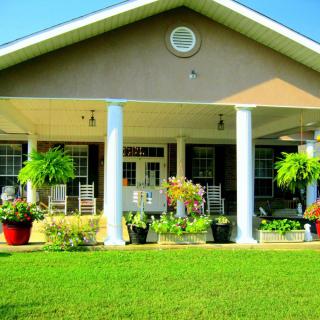
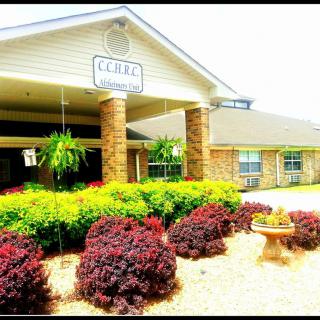
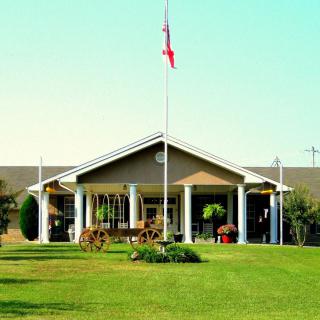
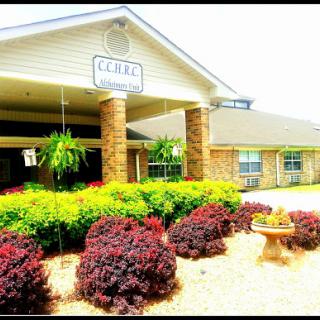
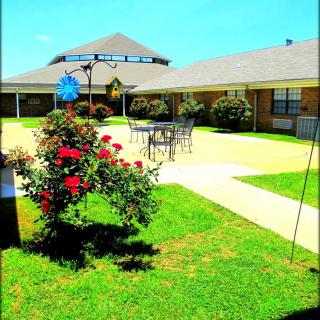
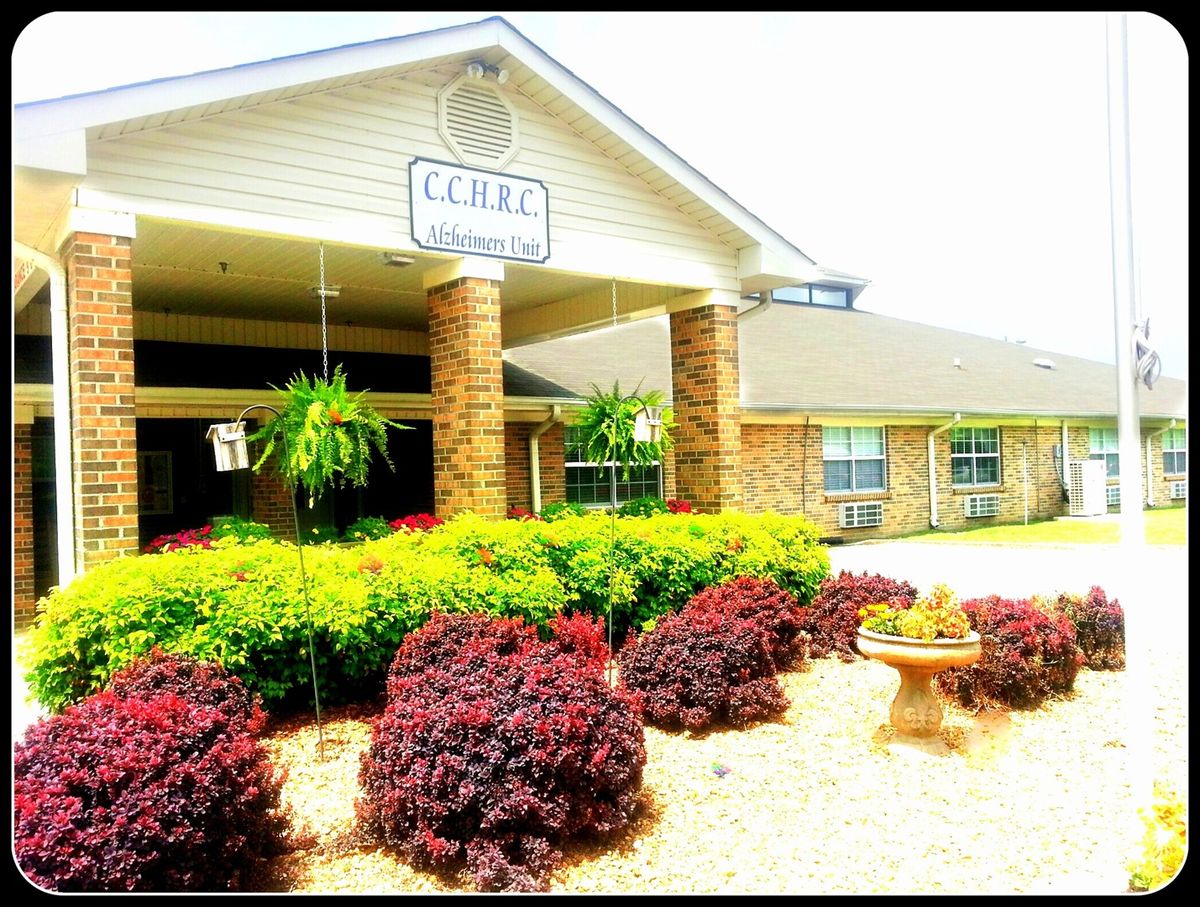
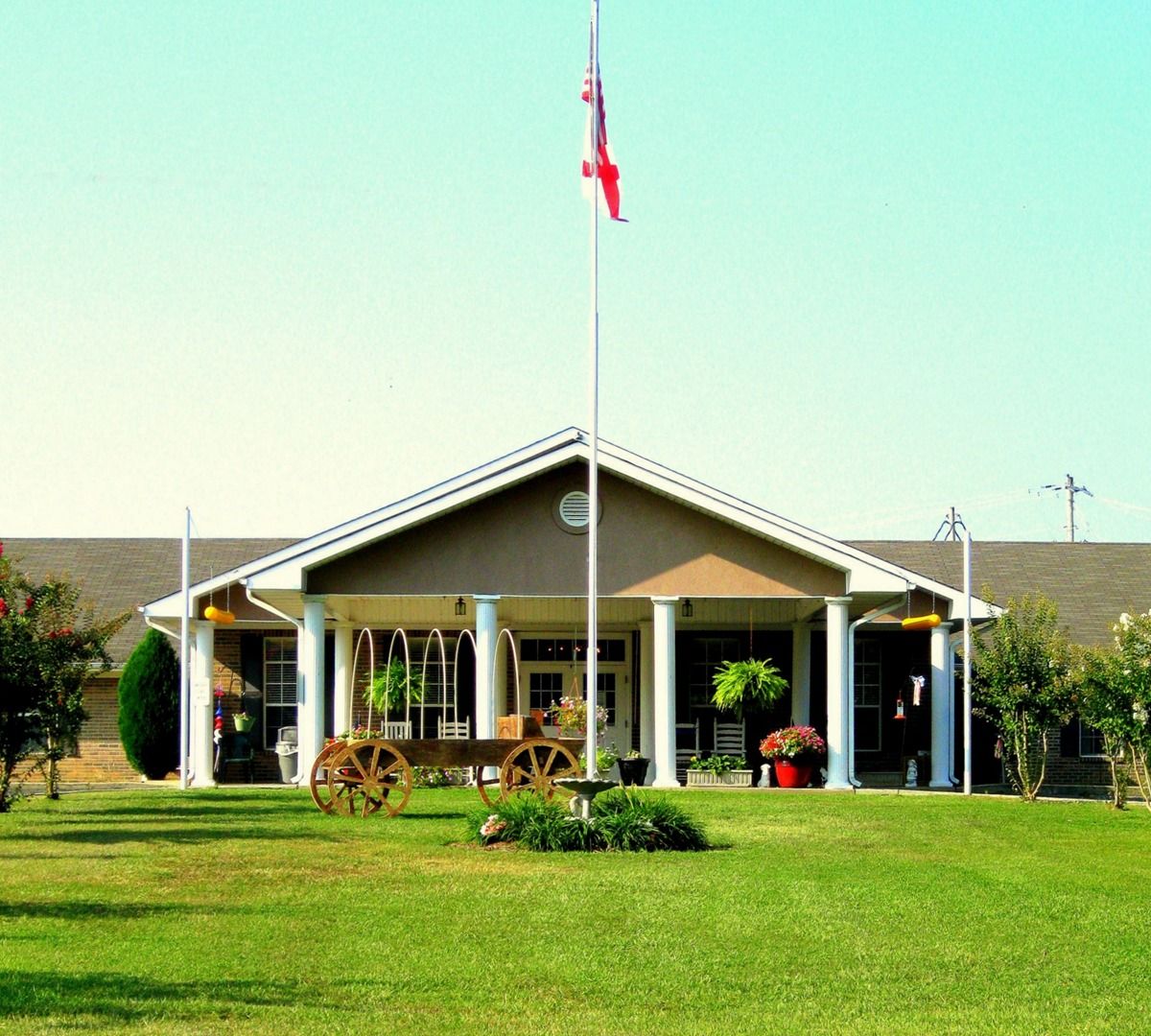
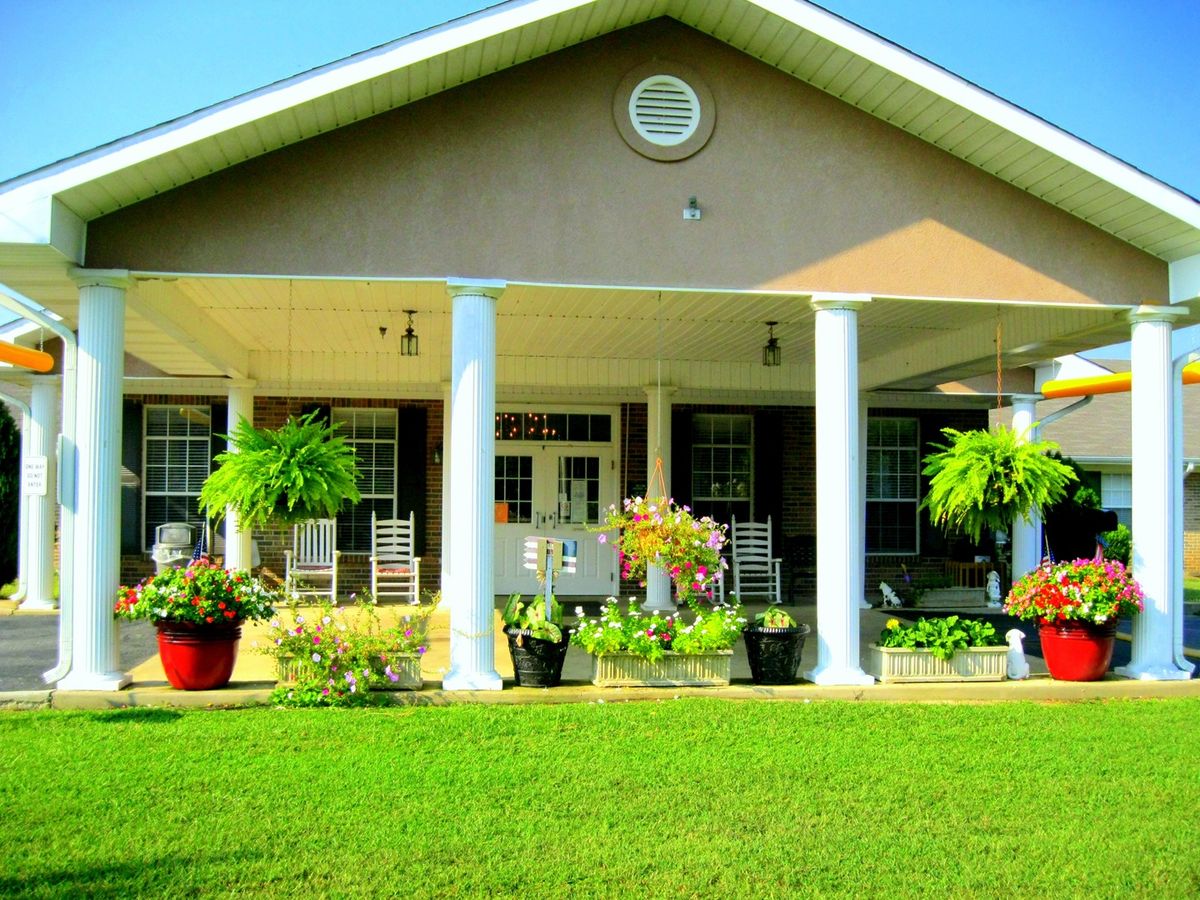
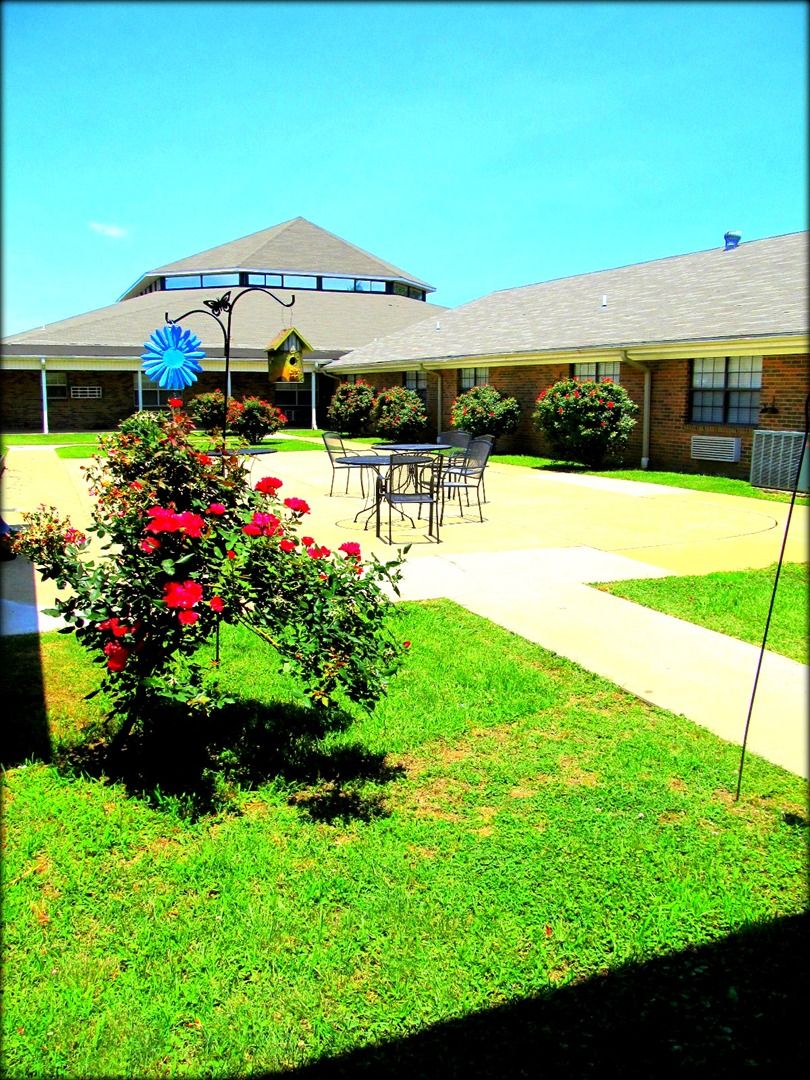
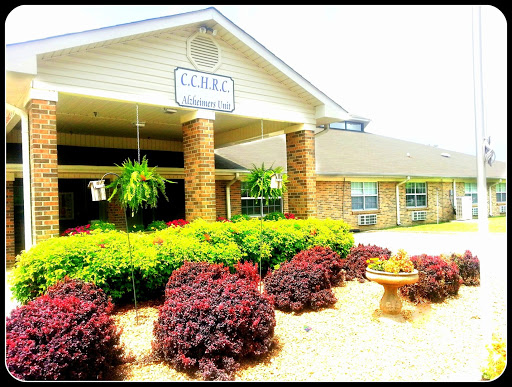
Cherokee County Health And Rehabilitation Center on seniors.fyi includes 5 photos including images showing landscaping, architecture, building, entrance, garden, outdoors, flag, porch, and more.
Nearby Communities
Cherokee Village Specialty Care Assisted Living Facility
Centre, AL
4 from 4 reviews
Specialized memory care with 24/7 supervision and tailored cognitive programming
Cherokee Village Assisted Living Facility
Centre, AL
4 from 4 reviews
Specialized diabetic care with nearby pharmacies and physicians
Cherokee Manor Apartments
Centre, AL
5 from 4 reviews
Excellent access to healthcare, dining, parks, and worship nearby.
Collinsville Healthcare & Rehab
Collinsville, AL
4.1 from 23 reviews
Extensive amenities and care services (24/7 supervision, ADL support, transportation, fitness, and restaurant-style dining) to support independence.
Mountain Cove
Gadsden, AL
5 from 8 reviews
24/7 supervision with ADL support and on-site amenities.
Piedmont Health Care Center
Piedmont, AL
4.4 from 102 reviews
Personalized care with a clean, welcoming environment
Silver Lakes Senior Living
Glencoe, AL
4.9 from 59 reviews
$1,500 to $1,900 / month
Warm, compassionate staff in a clean, welcoming environment.
Cedar Valley Nursing & Rehab Center
Cedartown, GA
4.2 from 34 reviews
Friendly staff and clean, engaging environment with activities.
Renaissance Marquis
Rome, GA
4.4 from 36 reviews
$1,795 to $2,895 / month
Friendly staff, pleasant atmosphere, and well-kept outdoor area.
Choosing between assisted living and nursing homes involves evaluating emotional and financial factors, with assisted living offering independence and support for daily activities at a lower cost, while nursing homes provide intensive medical care for individuals with significant health needs. The decision is influenced by personal preferences, health status, cognitive function, and varying Medicaid coverage across states.
The article presents eight strategies for preserving cognitive health and memory in older adults, emphasizing a nutrient-rich diet, regular exercise, intellectually stimulating activities, adequate sleep, social connections, stress management techniques, limiting harmful substances, and regular medical checkups to mitigate age-related memory decline.
Activities of Daily Living (ADLs) are fundamental tasks vital for an individual's independence, particularly in older adults over 85, and include functions like bathing and dressing; assessing ADLs alongside Instrumental Activities of Daily Living (IADLs) helps determine the level of required assistance due to age-related health challenges. Tailored support plans, involving family and community resources, are essential for maintaining dignity and autonomy in assisted living environments.
Cherokee County Health And Rehabilitation Center photos
×
Outdoors
Building
Architecture
Landscaping
Garden
Landscaping
Building, Architecture, and Entrance
Garden and Outdoors
Outdoor
Pathway, Courtyard, and Patio Furniture
Flag
Porch
Get PricingAsk A QuestionSchedule A TourContact Senior Advisor
By clicking submit, you agree to our Partner's Terms of Use. You
also consent to receive calls and texts, which may be autodialed, from our Partner. Your consent is not a condition to
using our Partner's service. Please visit our Partner's Privacy Policy for information about their privacy practices.

 185 resident community capacity
 Memory Care
 Air-conditioning
 Beauty salon
 Cable or satellite TV
 Computer center
 Dining room
 Fitness room
 Fully furnished
 Gaming room
 Garden
 Housekeeping services
 Kitchenette
 Move-in coordination
 Outdoor space
 Private bathrooms
 Restaurant-style dining
 Small library
 Telephone
 Wellness center
 Wi-Fi/high-speed internet available
 Community operated transportation
 12-16 hour nursing
 24-hour call system
 Activities of daily living assistance
 Assistance with bathing
 Assistance with dressing
 Assistance with transfers
 Diabetes diet
 Medication management
 Mental wellness program
 Special dietary restrictions
 Concierge services
 Planned day trips
 Specialized memory care with 24/7 supervision and tailored cognitive programming


 Choosing the Right Senior Care: A Detailed Exploration of Assisted Living and Nursing Homes
 Safeguarding Your Memory Through the Golden Years: Eight Ways to Preserve Cognitive Health
 Comprehensive Insights into Activities of Daily Living (ADLs) and Their Assessment