
PO Box 206, Smiley, TX 78159
To contact a resident: (830) 587-6253
For more information about senior living options: (866) 208-4318
5 from 1 review
Smiley Community Residence is an independent living community in Smiley, TX.
Information last verified:

PO Box 206, Smiley, TX 78159
To contact a resident: (830) 587-6253
For more information about senior living options: (866) 208-4318
 Independent Living
The area of Smiley, Texas, offers a variety of amenities for senior living. In terms of dining options, there are several restaurants and cafes within a reasonable distance, providing convenient choices for meals and social gatherings. Additionally, there are several places of worship nearby for those seeking spiritual fulfillment. For recreation, there are parks within a short drive, offering opportunities for outdoor activities and relaxation. Pharmacies and medical clinics are also easily accessible, ensuring that healthcare needs can be met promptly. Transportation services are available for convenience, as well as hospitals in close proximity in case of emergencies. Overall, this part of Smiley provides a well-rounded environment with essential services and facilities for seniors looking to settle in the area.
Smiley Community Residence is located at PO Box 206, Smiley, TX 78159 in Gonzales County, Texas

Gonzales Country Community
Smiley, TX
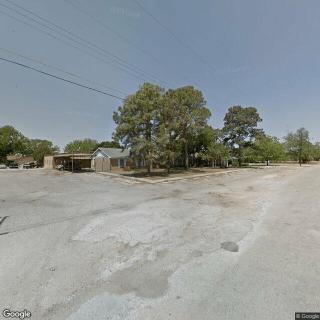
 Independent living option with well-appointed common areas and outdoor spaces.
Colonial Nursing Home
Nixon, TX
Personalized care plans with dedicated staff.
Parkwood Apartments
Nixon, TX
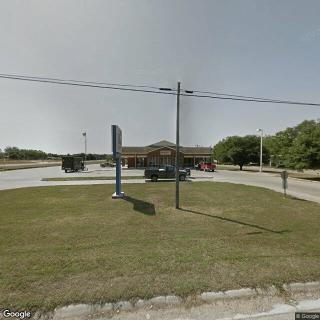
Nearby cafe, four restaurants, and place of worship for easy social and spiritual engagement.
Stockdale Nursing Ctr
Stockdale, TX
Compassionate, around-the-clock staff with individualized care in a tranquil setting.

Country View Boarding Home
Stockdale, TX
Serene, homelike setting with personalized around-the-clock care and proximity to parks and places of worship.

Stockdale Residence And Rehabilitation Center
Stockdale, TX
Extensive amenities and 24/7 care.

Remarkable Healthcare Of Seguin
Seguin, TX
Friendly, competent nursing staff with strong rehabilitation services and good dining.

Nesbit Living & Recovery Center
Seguin, TX
Friendly staff, a clean facility, and engaging activities for residents.
 Managing Nursing Home Expenses After Medicare Coverage Ends
Medicare provides limited coverage for skilled nursing home care, covering full benefits for the first 20 days and partial benefits up to 100 days under certain conditions, after which families must explore alternative funding options like Medicaid or long-term care insurance to manage potentially high costs. Proactive planning is essential to navigate the complexities of financing ongoing care once Medicare coverage ends.
 Is a Geriatric Care Manager the Right Choice for Your Family?
Geriatric care managers create personalized care plans for older adults, addressing their medical, social, financial, and psychological needs while coordinating services and advocating for their well-being. They help families navigate caregiving challenges but may be hindered by high costs and a shortage of qualified professionals.
 Compassionate Conversations: How to Comfort Someone Who Is Grieving
The article highlights the importance of empathy and open communication when comforting someone who is grieving, noting that grief is unique to each individual and emphasizing the need for sincere expressions of condolence, active listening, and ongoing support. It also addresses cultural differences in mourning practices and encourages tailored approaches to provide effective comfort.