
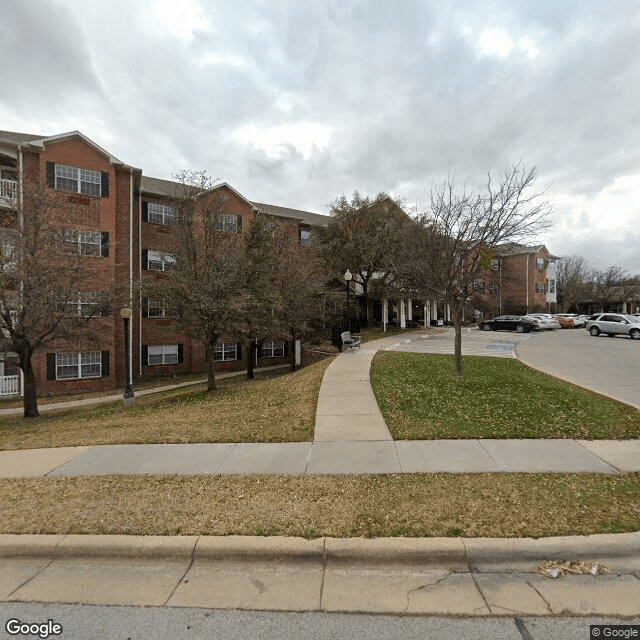
6201 Plaza Pkwy, Fort Worth, TX 76116
To contact a resident: (888) 339-7049
For more information about senior living options: (866) 208-4318
Overall Review of American Retirement Corp
Pros
 The staff across Brookdale Westover Hills are wonderful and attentive to residents and their families.
- The on-site nurse coordinates care with therapists and doctors to ensure coordinated, timely communication.
- Staff help residents attend doctor appointments and participate in activities, creating a welcoming environment.
- Management, including Todd, is highly regarded for strong leadership and responsiveness.
- Residents feel safe and loved, and families are greeted warmly when they visit.
- The care provided is excellent, with many families expressing strong recommendations.
- Clare Bridge memory care staff and administration are excellent, with responsive leadership and genuine care.
- The overall atmosphere is warm, home-like, and well-run, with dedicated, caring staff.
Cons
 The nurse seemed somewhat flippant.
 - The facility allowed a male resident to repeatedly enter the mother’s room and show her ways to get out of the facility undetected.
- A large fee was charged just to place her, and the amount was more than they could afford.
- Bugs were really bad in some parts of the facility and smells were terrible in some rooms on the assisted living side.
- Laziness and a poor attitude were prevalent on a daily basis, with a lack of accountability.
- The father was denied Tylenol after his fall, indicating poor pain management.
- The reviewer described the place as not good at all and felt it resembled a warehouse.
Review
This community is best suited for families that prize a warm, engaged caregiving culture and, in particular, strong attention to memory care residents. Reviews repeatedly highlight staff who know residents by name, coordinate medical and therapy needs, and keep families in the loop with consistent updates. The environment often feels like a close-knit community, with efforts to help new residents integrate socially and participate in activities. For families who want a facility that presents itself as homey and responsive, where care teams are seen as partners in daily living, this option stands out. The memory care unit is frequently singled out for compassionate, attentive staff, which makes it a sensible pick for loved ones who require steady, person-centered oversight in a familiar setting.
At the same time, several reviews signal that alternatives deserve consideration for those with tighter budgets or higher expectations for medical oversight and operational consistency. Potential residents or their families should be cautious if cost becomes a limiting factor, given reports of substantial fees tied to admission and ongoing care. Red flags also appear in accounts of nursing responsiveness, pain management, and safety concerns, ranging from delays in treatment to inappropriate or unsafe interactions. Families should not assume uniform quality across shifts or departments; inconsistencies can surface, particularly outside peak hours or in non-memory-care units. Those who prioritize airtight accountability, rigorous housekeeping, and predictable staffing patterns may find it prudent to compare with other providers.
The strongest positives here center on the human touch: friendly, attentive staff; proactive coordination of care among nurses, physical therapists, and physicians; reliable transportation; and a calendar of activities that keeps residents engaged. Families also note that the on-site teams are willing to adjust seating at meals to facilitate socialization, and that the memory care unit benefits from focused, compassionate attention. These elements create a sense of safety and belonging that often translates into high satisfaction during family visits. When the administrative leadership is responsive and the care staff demonstrate genuine warmth, the value of the community’s core strengths becomes clear and persuasive.
However, the main drawbacks tend to cluster around consistency, cleanliness, and oversights that can undermine the overall experience. Several accounts reference pests, odors in certain areas, and an impression of the environment occasionally feeling less meticulously maintained than expected. There are also explicit concerns about staff accountability and a perceived gap between the cost and the level of attention received, including episodes of delayed pain management and questions about how quickly troubling incidents are addressed. The presence of high turnover or unevenness in care quality across shifts can erode confidence, particularly for families relying on dependable, around-the-clock oversight. These factors do not erase the positives, but they markedly influence risk assessment.
For families evaluating options, a practical approach is essential. During visits, assess not only the warmth of staff but also operational details that impact daily safety and comfort: how quickly aides respond to calls, whether nurses are readily available for pain or symptom management, and whether the dining and housekeeping standards meet expectations. Ask to observe a meal service in both assisted living and memory care areas, review incident-reporting practices, and request current staffing ratios by shift. Verify the facility’s process for handling recalls, medication administration, and safety protocols, and look for consistency in leadership visibility. Above all, obtain a clear picture of monthly costs, what is included, and what may trigger additional charges, so the value proposition aligns with family priorities.
Ultimately, the decision rests on balancing the undeniable warmth and memory-care strengths against the more challenging reports of inconsistency and cost-related concerns. For families prioritizing compassionate, person-centered care with an emphasis on social engagement and strong family partnerships, this community can be a compelling option, especially for a memory-care resident who benefits from engaged, attentive staff. But for those who cannot tolerate sporadic care gaps, housekeeping lapses, or unpredictable pricing, alternative communities that emphasize stringent quality control, steadier staffing, and transparent, all-inclusive pricing warrant serious consideration. Thorough tours, direct conversations with front-line staff, and a clearly defined escalation path for concerns will prove essential in determining whether this is the right fit.
 Independent Living
 Dallas-Fort Worth International (25 miles away)




 Supportive Employee Benefits That Help Caregivers Attain Better Work-Life Harmony
 Top Cars for Senior Drivers and Essential Safety Innovations
 A Closer Look at Private Pay Home Care