
600 S Clay St, Ennis, TX 75119
To contact a resident: (972) 875-4281
For more information about senior living options: (866) 208-4318
Overall Review of Ennis Senior Citizens Housing
Cons
 The place is terrible.
- They do not perform the repairs they promise and cannot get anyone to answer the phone.
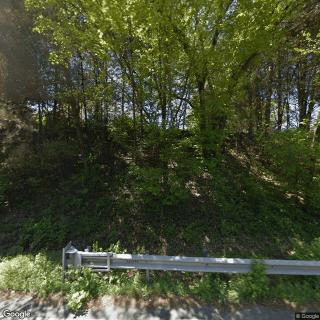
- The sidewalks are uneven and dangerous, with no lighting.
- The trees are overgrown and remain untrimmed.
- Elder residents have to climb a ladder to perform maintenance themselves.
- When something breaks and they do show up, the repair is always half-hearted.
- The reviewer would not recommend this place to any elderly resident.
- The staff are rude and lazy.
Review
Ennis Senior Citizens Housing in Ennis, Texas is best suited for relatively independent seniors who can tolerate uneven sidewalks, limited exterior lighting, and occasional self-directed maintenance. It is not ideal for residents who rely on prompt repairs or consistent hands-on support. The feedback portrays a basic, low-frills environment where safety and convenience do not consistently meet expectations. Those who value quiet, affordable living and can manage minor upkeep may find it workable, but frail elders or anyone needing daily assistance will likely encounter ongoing gaps. Prospective residents should enter with a clear view of what may be required from family members or external aides to stay safe and comfortable.
Explicitly, alternatives should be considered by anyone prioritizing reliable maintenance, predictable service, and a safety-first infrastructure. Seniors needing frequent repairs, steady lighting on outdoor paths, or prompt staff response will likely be disappointed here. Families that require consistent courtesy and accountability from management should look at other options. The combination of safety gaps and reported service lapses suggests that the community’s strengths, if any, do not reliably offset the risk of a poor upkeep track record.
Core drawbacks center on maintenance unreliability and physical hazards. Promised repairs rarely translate into timely action, and when staff does respond, results are described as incomplete. Outdoor walkways are uneven, poorly lit, and lined with overgrown trees, creating obvious trip risks and sightline problems for both residents and visitors. The expectation that elder residents or their families must perform basic fixes, such as addressing issues themselves, highlights a misalignment between resident needs and management capacity. Taken together, these factors establish a concrete risk calculus that overwhelmingly favors caution over confidence, especially for mobility-limited individuals.
Staff behavior compounds the problem. One review characterizes personnel as rude and lazy, a description that erodes trust and makes responsive service unlikely. When calls go unanswered and repairs lag, reliance on the community becomes futile, raising real safety concerns for seniors living alone or with limited support. While some reviewers offered higher ratings, they provide little evidence of sustained improvement or a reliable service ethic. For families evaluating this option, the absence of a credible track record on communication and follow-through should be a primary red flag.
Practical evaluation steps are essential. Request a written service-commitment schedule with defined response times and maintenance logs covering the past year. Tour the grounds at different times of day to observe lighting, sidewalk integrity, and landscaping maintenance; verify accessible routes and stair-free options where needed. Speak with current residents about how promptly issues are addressed and how staff conduct themselves. Confirm who handles urgent repairs, how emergencies are prioritized, and whether there is a clear escalation path. Inspect for ADA-compliant features, functioning emergency call systems, and a transparent process for accountability.
In the end, Ennis Senior Citizens Housing may appeal to seniors who prize affordability and independence and can tolerate ongoing maintenance gaps. For anyone who cannot accept uneven outdoor spaces, inconsistent repairs, or a hesitant service culture, pursuing other communities will produce greater daily reliability and peace of mind. The decision should balance risk tolerance, self-management capacity for minor fixes, and a demand for concrete commitments from management. If those criteria are not met, a move to a more proactive, resident-centered option is strongly advised.
 Independent Living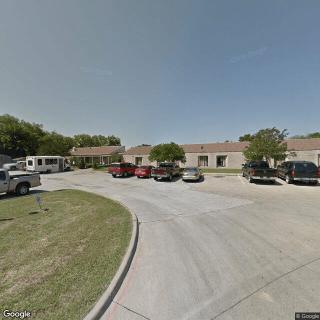
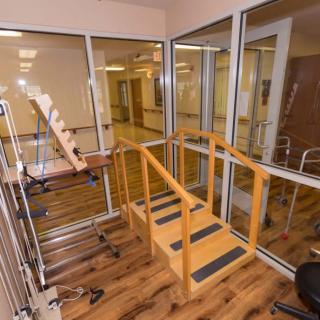
 Recent remodeling with attentive staff and strong rehab/activities.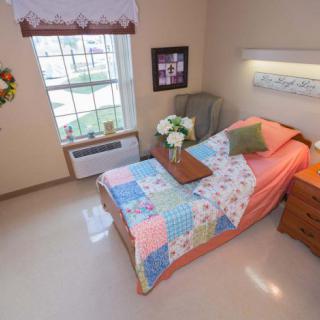


 A Detailed Examination of Nursing Home Costs Across the U.S.
 Exploring Nonmedical Home Care: Understanding Services, Costs, and Financial Approaches
 Engaging Brain Games and Innovative Apps to Keep Senior Minds Active