
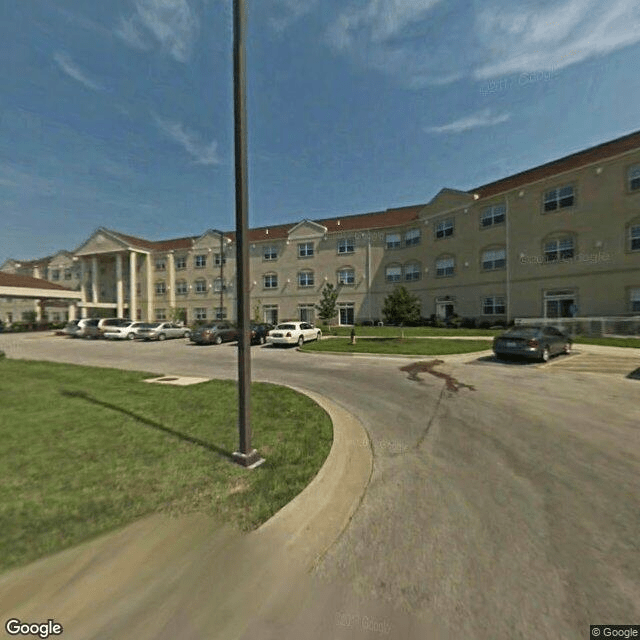
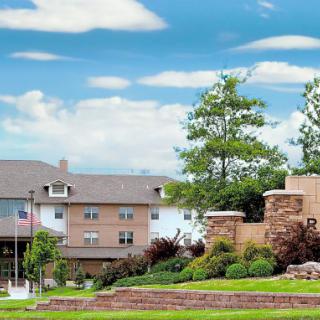
8559 N Line Creek Parkway, Kansas City, MO 64154
To contact a resident: (816) 468-8282
For more information about senior living options: (866) 208-4318
Kendallwood Hills Estates Costs & Pricing
At Kendallwood Hills Estates, residents enjoy competitive pricing compared to both Platte County and Missouri state averages. The monthly cost for a studio apartment is $1,680, significantly lower than the county's average of $2,993 and the state's average of $3,418. Similarly, a one-bedroom unit at Kendallwood Hills is priced at $2,090, which is less than both the county's $2,796 and the state's $3,349 benchmarks. For those seeking more space, the two-bedroom options are available at $3,325 - still quite favorable when stacked against Platte County's average of $3,174 and Missouri's average of $3,675. Overall, Kendallwood Hills Estates offers an attractive blend of affordability and quality living in comparison to nearby areas.
| Floor plans | Kendallwood Hills Estates | Platte County | Missouri |
|---|---|---|---|
| Studio | $1,680 | $2,993 | $3,418 |
| 1 Bedroom | $2,090 | $2,796 | $3,349 |
| 2 Bedrooms | $3,325 | $3,174 | $3,675 |
Independent Living communities with a similar price nearby
-
from -$220 / mo
Novel Place Blue Springs
$1,460 to $2,900 / month24.9 miles away -
from +$245 / mo

Overland Park Place
$1,925 to $2,760 / month17.9 miles away -
from +$320 / mo
Shawnee Hills Senior Living
$2,000 to $3,465 / month18.2 miles away -
from +$70 / mo
Elliott Place
$1,750 to $2,200 / month19.7 miles away -
from +$295 / mo
The Grand Royale
$1,975 to $3,975 / month5.0 miles away
Overall Review of Kendallwood Hills Estates
Pros
 Primrose offers a safety-focused living environment for its residents.
- Primrose provides a wide range of engaging activities that residents enjoy.
- Primrose's staff are caring, helpful, and easy to work with.
- Residents at Primrose form meaningful friendships and a strong sense of community.
- Primrose is conveniently located near doctors, dining, and shopping.
- The apartments at Primrose are spacious, clean, and well-maintained.
- The meals and dining experiences at Primrose are excellent.
- Primrose creates a warm, homelike atmosphere for residents and families.
- Primrose residents thrive with attentive caregivers and supportive staff.
- Primrose encourages resident input and regularly involves them in decisions.
Cons
 One reviewer was not impressed, describing Primrose as dark inside with a smoky odor and not well kept.
 - They claimed some staff lacked empathy and seemed more focused on getting residents “ready to go home” than serving them, even noting scraps being served from the bottom of pans.
- They stated that communication was not taken seriously and that some employees appeared to work for a paycheck rather than for residents’ well-being.
- They described meal service as slow, with long waits and dry, old desserts, and suggested competitors provide better dining options.
- They observed a lack of social activity, noting there was no sign of residents in the common areas.
- They noted that the no indoor smoking policy could be problematic for some residents.
Review
This community is best suited for seniors who prize safety, social vitality, and a family-like staff presence in a central Kansas City location. Feedback repeatedly highlights a strong sense of security, regular resident interaction, and a robust calendar of activities that help residents stay engaged. Families report that staff members know residents by name, respond when questions arise, and adjust care as needs evolve, including handling memory-care transitions with visible attentiveness. For seniors who want ready access to medical offices and convenient nearby amenities, and for families seeking reassurance that a living environment will foster friendship and daily purpose, this option stands out.
At the same time, several clear caveats warrant consideration. Those evaluating alternatives should note that not every resident experiences flawless service every day. Some feedback points to variability in meal service timing and consistency, and a few stories describe gaps in hospitality or empathy among staff. For families prioritizing ultra-smooth dining or a uniformly polished customer-service culture, it makes sense to explore other options where gourmet meals and ad hoc requests are more consistently accommodated. The same voices suggest comparing options where operations emphasize a more centralized dining model or faster response to daily needs.
Yet the primary advantages tend to offset these drawbacks in meaningful ways. The strongest positives center on a safety net provided by attentive caregivers, the ability to move closer to the nurse’s station when needed, and a caregiving ethos that feels like a second family. Dementia and memory-related care are described as managed with appropriate ramping of monitoring and hospice involvement when appropriate, which matters deeply for families navigating difficult transitions. The social fabric, friendships formed through activities, outings, and communal spaces, translates into meaningful daily life that many residents and families value above all else.
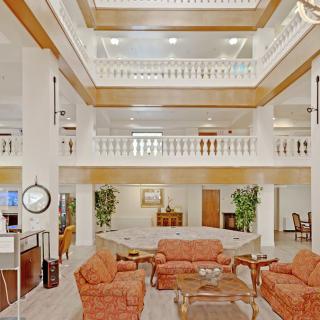
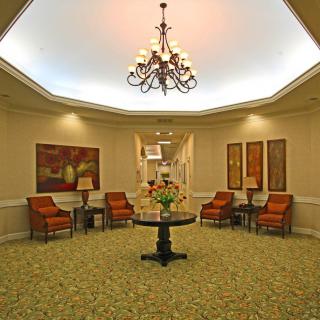
The environment itself reinforces these strengths. Residents benefit from spacious, well-appointed apartments and comfortable common areas that invite family and visitors to participate in the resident’s daily routine. Cleanliness and homelike touches contribute to a welcoming atmosphere, and the program calendar, ranging from informal gatherings to structured events, offers a clear sense of purpose for residents. However, a few tours and campus observations note a darker interior ambiance or moments of odor in certain spaces, underscoring the importance of firsthand visits to verify that the atmosphere aligns with expectations and personal preferences.
Leadership and culture emerge as decisive factors in how well this community delivers its promise. Management is described as accessible and responsive, with staff who remember residents’ histories and preferences. The presence of a proactive front desk team and a clear channel for family input help mitigate friction, and testimonials repeatedly highlight strong personal connections between staff, residents, and families. At the same time, occasional critiques about training gaps and inconsistent service attitudes suggest that leadership should prioritize ongoing hospitality development and a culture of continuous improvement, with visible checks by executive leadership to sustain a consistently high standard.
For families weighing Kendallwood Hills Estates against alternatives, a practical decision framework matters. Prioritize a tour that includes meeting the executive director and the dining director, and request sample menus and dining timelines to gauge service cadence. Observe meal service dynamics and speak with several residents about how daily routines feel in practice. Check the activity calendar to confirm the level of social stimulation and whether it resonates with the loved one’s interests. Finally, compare this community’s emphasis on safety, staff accessibility, and family engagement with other local options that may offer more consistent hospitality or more expansive dining flexibility, such as on-demand meal options or door-to-door services. If safety, social immersion, and a responsive caregiving team are the priorities, Kendallwood Hills Estates is a compelling choice; if absolute dining consistency or a more modern, uniformly pristine ambiance is non-negotiable, explore carefully chosen alternatives before making a final commitment.
 Independent Living
 Activities off-site
 Bath tubs
 Beautician on-site
 Devotional services off-site
 Indoor common areas
 Outdoor common areas
 Respite or short term stays offered
 Wheelchair accessible showers
 Kansas City International (6 miles away)
 Meals provided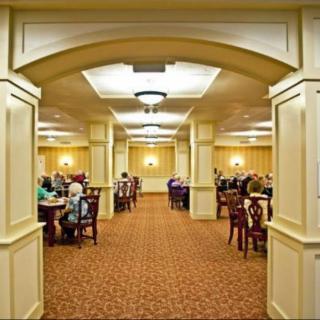

 Comprehensive Guide to Blood Pressure Charts for Older Adults: Understanding Normal and High Readings by Age
 Financing Long-Term Nursing Home Care Through Social Security: A Thorough Exploration
 Essential Knowledge on Pneumonia in Older Adults