
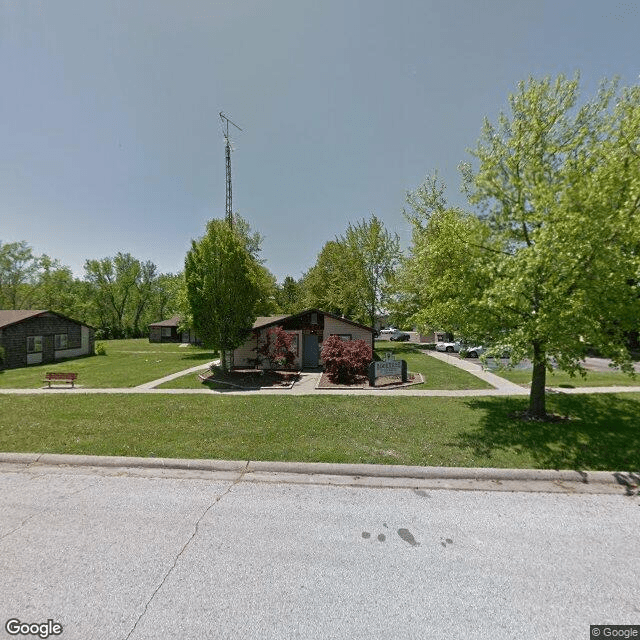
2089 Manor Dr, Fulton, MO 65251
To contact a resident: (573) 642-8862
For more information about senior living options: (866) 208-4318
Rocktree Apartments Costs & Pricing
Rocktree Apartments offers a competitive monthly rate for private accommodations at $4,560, which is notably lower than the average in Callaway County at $5,361. This pricing positions Rocktree favorably within the local market, particularly considering that it also falls slightly above the state average for Missouri, which stands at $4,483. The appealing cost structure of Rocktree Apartments not only highlights its value relative to the county but also underscores its commitment to providing affordable living options without compromising quality.
| Floor plans | Rocktree Apartments | Callaway County | Missouri |
|---|---|---|---|
| Private | $4,560 | $5,361 | $4,483 |
Overall Review of Rocktree Apartments
Pros
 It is a great place to live.
- The management is excellent.
Cons
 They waited weeks with no response after starting the process.
- They had to make about 1600 calls and still received no help due to limited hours.
- They spent money and still hadn't heard back from RockTree.
- They had to rush to the bank at 3:45 pm to obtain a needed bank statement.
- They drove to Columbia multiple times for information that was never provided.
Review
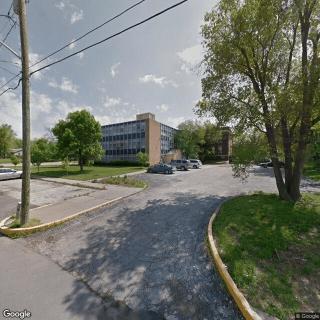
Rocktree Apartments in Fulton, MO is best suited for budget-conscious seniors who want a compact, low-friction living environment with a small-community feel and solid on-site management. The layout and scale appeal to residents who prefer straightforward, independent living without extra frills. Those who need a lot of hand-holding or constant, proactive outreach from staff may find the pace and responsiveness lacking. The facility’s mixed rating, two low scores among a few total reviews, signals that while some residents thrive here, others encounter friction that can affect the move-in experience and ongoing satisfaction. In short, it works for practical, value-focused seniors who can tolerate occasional administrative turbulence.
Those who should consider alternatives include families needing rapid onboarding, transparent timelines, and consistently responsive communications. If a smooth, fully documented intake process matters, Rocktree may fall short. Prospective residents who require quick access to services, clear guarantees about timelines, or a more polished, streamlined experience should compare options where intake procedures are explicitly mapped out and reliably met. Similarly, anyone who relies on fast decision-making, such as coordinating with multiple family members or caregivers, may want to look elsewhere for a more decisive admissions path.
On the positive side, management appears to be a distinguishing strength. A resident characterizes Rocktree as “a great place to live with excellent management,” a sentiment that implies friendly staff, dependable problem-solving, and a steady, resident-centered atmosphere once settled. The small-community dynamic can foster closer relationships with neighbors and staff, enabling a sense of belonging that larger facilities sometimes struggle to deliver. For residents who value consistency in daily interactions and a manager who knows the floor, this can translate into a calmer, more predictable living environment despite other process flaws.
The most troubling aspects surface in administrative and onboarding processes. A painful, disjointed sequence around background checks and paperwork suggests a lack of synchronized intake operations. The experience described, multiple delays, repeated trips, and hours spent chasing paperwork and responses, paints a picture of a system that can drain time and patience before a resident even moves in. The implied costs, both time and travel, are real barriers, especially for seniors with limited mobility or family members coordinating transitions from far away. Hesitation around enrollment grows when communication ebbs and flows and promises are not promptly fulfilled.
Yet the pros and cons do not cancel each other out; they balance in practical, decision-ready ways. If the intention is to secure a modest, neighborly setting with hands-on, engaged management, Rocktree delivers a foundation for stable daily living. The downsides, paperwork delays and uneven responsiveness, are not deal-killers for all, but they are meaningful unless a clear, reliable onboarding plan is put in place. The decisive question becomes whether the value of a welcoming staff, the comfort of a small community, and predictable day-to-day life outweigh the risk of onboarding friction and uncertain response times. For families who can tolerate a slower start in exchange for proven local warmth, Rocktree can be a sensible choice; for those who prize speed, certainty, and flawless administrative logistics, more streamlined options would be prudent to explore.
Final guidance: pursue a targeted, no-surprises intake discussion before committing. Request a written admissions timeline, a concrete list of required documents, and a direct point of contact for the onboarding phase. Tour the property with a focus on how staff handle practical questions and urgent issues, not just what is advertised. Compare neighboring options with similar price points but clearer intake commitments and more transparent communication practices. In the end, Rocktree’s core value rests on solid management and a small-community environment, but its appeal hinges on whether a resident can tolerate onboarding quirks in exchange for steady, caring day-to-day living.
 Independent Living
 Columbia Regional (15 miles away)
 Caregiver Exhaustion: Recognizing the Signs and Restoring Your Well-Being
 Understanding Hospice Care at Home: Comprehensive Services, Key Benefits, and Eligibility
 Understanding the Full Cost of 24/7 In-Home Care: A Detailed Overview