
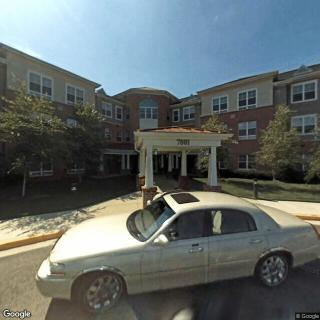
505 Suffolk Ave, Capitol Heights, MD 20743
To contact a resident: (301) 336-0141
For more information about senior living options: (866) 208-4318
Overall Review of Gateway Village
Pros
 Management makes a concerted effort to improve activity offerings and education for healthy living.
Cons
 The reviewer advises others to think twice before moving there.
- The front office spreads residents' personal business with other residents.
- The front office does not answer the phone.
- The gate call box is not working.
- There are other places that are better maintained, less invasive, and have a more trustworthy staff.
- Management is described as having a track record of sharing personal details with residents.
- There is fear that reporting issues could lead to bad treatment by management.
- The aunt must stay because of her income, highlighting a dissatisfaction with the situation.
- The reviewer strongly warns that no one should move there.
Review
Gateway Village in Capitol Heights is best suited for seniors who prize structured activity programming and ongoing health-education offerings, and who can tolerate real-world gaps in front-desk reliability and privacy controls. When programming is the top priority and a robust social calendar is valued, this community can deliver engaging opportunities. Families should understand, however, that it may not be the right fit for residents who demand immaculate privacy, consistently responsive staff, and seamless access to the property. The positive potential of organized activities and wellness focus stands out, but it must be weighed against the reality of day-to-day operations.
Those evaluating alternatives should note that the most salient drawbacks center on front-desk behavior and access controls. The front office is described as intrusive in a way that breaches resident privacy, with staff sharing personal details inappropriately and a palpable sense of gossip interfering with trust. In addition, operational reliability is questioned by missed phone calls and a gate-call box that remains nonfunctional. For families prioritizing privacy, confidentiality, and dependable entry systems, these patterns point toward a higher risk profile than is acceptable in a secure, respectful living environment.
On the upside, management is not standing still. There is a clear, repeated emphasis on expanding activity offerings and promoting healthy-living education. This signals a functional commitment to resident well-being and social engagement, which can meaningfully improve daily life for participants who value structure and learning opportunities. When these programs are well-executed and consistently available, they can offset some dissatisfaction with non-medical services by enriching social interaction and routine. Yet the benefit hinges on trust, accessibility, and the perception that staff are acting in residents’ best interests, areas where the current concerns weigh heavily.
The most troubling drawbacks remain operational and privacy-related. The front office issues go beyond mere inconvenience; they erode confidence in day-to-day safety and the ability to manage personal information discreetly. The gate system’s unreliability compounds this, creating practical barriers to visitors and emergencies alike. The sense that personal details could be shared among residents without consent casts a long shadow over the overall experience, regardless of how polished the activities program may become. Additionally, comparisons to better-maintained options abroad in the market underscore the risk that ongoing maintenance shortcomings could intensify with time if not decisively addressed.
For families making a decision, a rigorous due-diligence plan is essential. Schedule multiple visits at different times, observe interactions between staff and residents, and talk candidly with residents about privacy and responsiveness. Request a written privacy policy, a clear escalation path for complaints, and concrete timelines for gate-access fixes and front-desk improvements. Ask to see a maintenance log, inquire about staffing levels during evenings and weekends, and verify how management evaluates and measures the success of activity programs. Collect references from current residents and families who have navigated similar concerns to gauge whether the promised improvements have translated into real, sustained change.
In the end, Gateway Village offers tangible value through its activity orientation and health-education focus, but those benefits come with significant caveats. It is a better fit for residents who can tolerate privacy compromises and inconsistent front-desk service in exchange for a structured calendar of events and ongoing wellness programming. For families prioritizing privacy, consistent staff responsiveness, and reliable entry controls, alternatives will almost certainly deliver greater peace of mind. The decisive question centers on whether repeated improvements in programs can outpace ongoing concerns about trust and day-to-day reliability; until that balance tilts decisively, proceeding cautiously, with firsthand observation and clear accountability, remains the prudent course.
 Independent Living
 Ronald Reagan Washington National (7 miles away)


 Comprehensive Insights into Palliative Home Care: What It Is and What to Expect
 Skilled Nursing Facilities vs. Nursing Homes: Making Sense of the Differences
 A Detailed Examination of Nursing Home Costs Across the U.S.