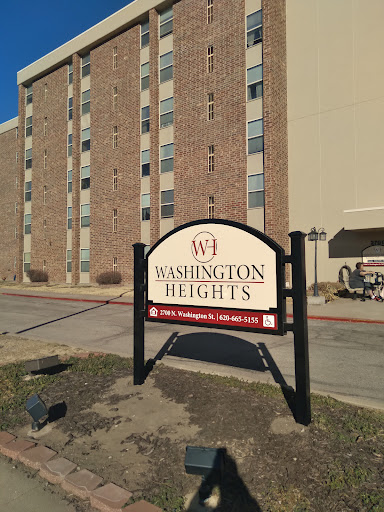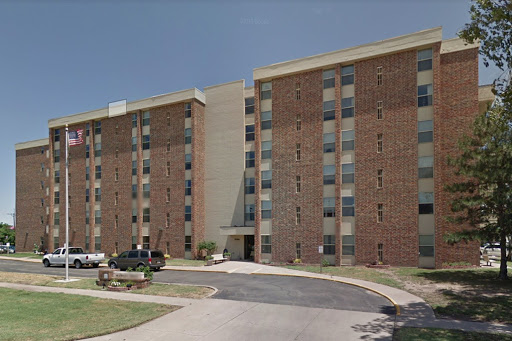
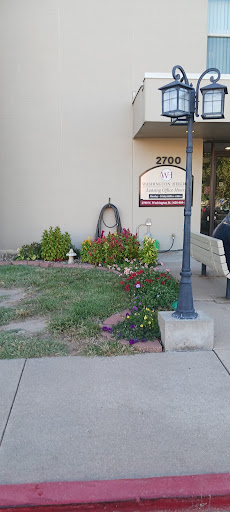
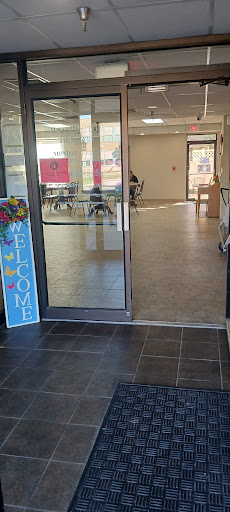
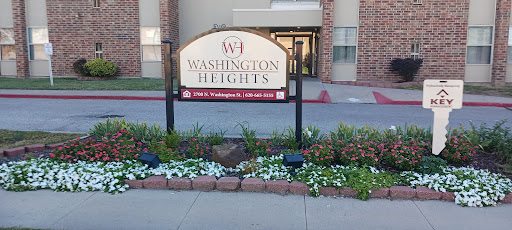
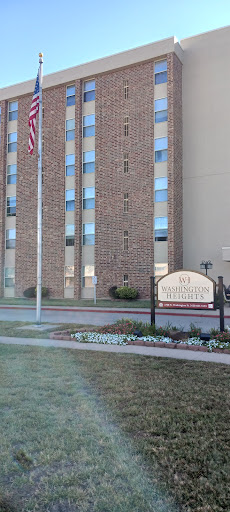
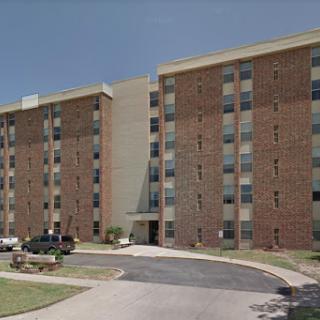
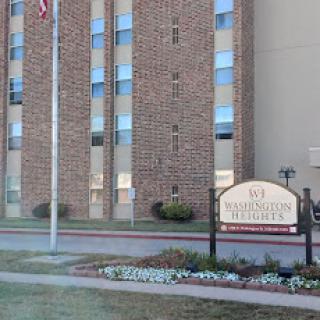


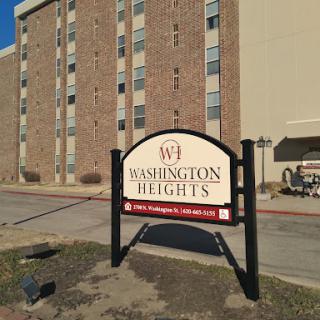

2700 N Washington St, Hutchinson, KS 67502
To contact a resident: (620) 665-5155
For more information about senior living options: (866) 208-4318
Overall Review of Washington Heights
Pros
 It has been a good place to live for residents and their families.
- The retirement community is wonderful, and the people there are great.
- The staff are friendly.
- It offers social activities and events for tenants.
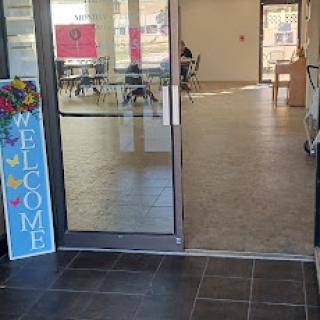
- The community feels welcoming, with friendly residents and staff.
Cons
 The 8-piece family meal's biscuits were not cooked and were doughy.
- For what they charge, one would think everything would be done.
Review
Washington Heights is best suited for active seniors who want a warm, socially engaged independent-living atmosphere in Hutchinson, with a clear sense of community and approachable staff. The environment emphasizes belonging, with friendly neighbors and regular activities that give daily life structure and purpose. For households prioritizing companionship, accessible services, and a low-friction transition into retirement living, this community delivers convincingly. It reads as a place where residents feel seen, their visitors are welcomed, and everyday routines, like meals and social events, fit a comfortable, home-like vibe. This is not a retreat built for high-intensity medical care, but for those who want a supportive, people-centered setting that offsets the isolation that can come with aging in place.
Those considering alternatives should note who this community may not be ideal for. Families pursuing robust, on-site medical oversight, 24/7 nursing, or highly specialized care programs may find Washington Heights short on the care continuum required for higher-acuity needs. The reviews collectively highlight a strong social fabric and friendly staff, but they provide little evidence of advanced clinical amenities or memory-care options. The dining experience also emerges as a potential mismatch for some residents or families who expect consistently premium service relative to price. If care level, medical responsiveness, or gourmet dining are non-negotiables, it would be prudent to survey competing communities that foreground those elements.
The strongest offset to the occasional dining quibble is the staff warmth and the community’s social vitality. Several readers emphasize that the people are friendly, helpful, and genuinely invested in residents’ well-being. The ability to deliver groceries or services to the community without friction and the willingness of staff to assist with transitions, such as moving a resident, signal a hands-on, resident-first culture. Those attributes matter when choosing a place to call home, because reliable, personable staff often determine how smoothly daily life unfolds, from ad hoc needs to the sense of security that comes with knowing help is nearby. For families seeking reassurance that their loved ones will be treated with kindness and respect, this is a persuasive strong point.
Equally persuasive are the qualitative signs of community life: noted social activities, opportunities to connect with neighbors, and the perception that tenants have meaningful things to do. Descriptions of the environment as “wonderful” for seniors, paired with anecdotes about friendly tenants and active engagement, point to a campus where daily life feels purposeful rather than static. In practical terms, this translates to slower declines in social isolation and a clearer sense of belonging, which in turn can improve mood, motivation, and overall satisfaction. For many families, those social dimensions are the core value proposition that makes the monthly cost defensible.
The primary caveat centers on dining quality relative to cost. The most explicit negative feedback, a plate of doughy biscuits and the suggestion that “for what you charge you would think everything would be done”, signals that meals may not consistently meet expectations for some residents. This is not a catastrophic flaw, but it is a credibility issue for prospective residents who place high importance on dining experiences and value. Families should, therefore, request a meal service sample, review menus, and, if possible, attend a meal during a visit to assess whether kitchen standards align with personal tastes and dietary needs. It’s also wise to compare dining flexibility, portion sizes, and the ability to accommodate special diets.
Ultimately, Washington Heights serves as a practical choice for seniors who prize community, approachable care, and social continuity over high-end dining or expansive medical facilities on site. The decision hinges on care expectations: if independence with accessible support and social život is the priority, this community checks the boxes with convincing clarity. If, however, the plan requires substantial daily medical supervision, memory-care programming, or consistently exceptional dining, alternatives that foreground those capabilities should be pursued. Prospective families should book a tour focused on payment structures, meal service demonstrations, activity calendars, and introductions to front-line staff to confirm alignment with their expectations and their loved one’s routines.
 Independent Living



 Seniors and Modern Transportation: Exploring Uber, Lyft, and Other Ride-Hailing Options
 Comprehensive Guide to Qualifying for Home Health Care Services
 Powerful Realities of Elder Abuse and the Most Effective Ways to Report It