
1000 Hazel St # 9A, Pella, IA 50219
To contact a resident: (641) 628-2768
For more information about senior living options: (866) 208-4318
Overall Review of Prairie Village Apartments
Pros
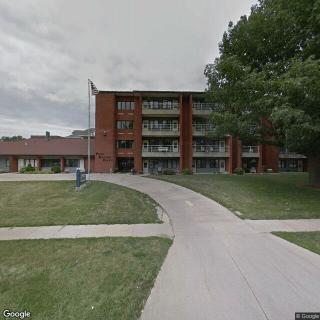
 The property is clean.
- The staff are always willing to get things updated.
Cons
 The unit is very small and made the reviewer depressed.
- The reviewer was not impressed with the community, describing the residents as odd, unfriendly, and sloppy.
- There are troublemakers in the community who run around and spread gossip and lies about others.
- Many residents have dogs, and some do not take responsibility, letting them run freely and relieve themselves anywhere.
- Pella is not the peaceful, crime-free community described; there is drug and alcohol abuse and stuck-up residents.
- The reviewer would not recommend the place to anyone seeking a friendly or quiet community.
Review
Prairie Village Apartments in Pella, IA is best suited for seniors who prize a clean, well-maintained property with responsive maintenance and a straightforward living setup, and who can tolerate a compact living space along with a socially mixed environment. It’s a workable fit for those who value efficiency, ease of upkeep, and a place that gets updates done without drama. The emphasis is on practical, no-fruss living rather than spacious comfort or a meticulously curated social climate.
Anyone seeking quiet, predictable days and a strongly supervised, neighborly atmosphere should consider alternatives. The reviews signal a rough social climate: unfriendly or “odd” resident interactions, gossip, and a handful of disruptive behaviors. For families or residents who require a serene, low-drama setting, Prairie Village may fall short. Those who insist on large floor plans, a consistently peaceful ambiance, or a tightly managed community with minimal risk of conflict will likely want to look elsewhere.
The strongest pluses are clear and tangible: a clean property and a willingness to address updates and repairs promptly. In practical terms, maintenance responsiveness translates to fewer days wrestling with lingering upkeep issues and a faster path from request to fix. This is meaningful for aging in place, where even small maintenance hiccups can feel disproportionately burdensome. Yet these benefits have limited reach when the core social and spatial drawbacks are in play. A refreshed unit address cannot compensate for cramped layouts, noisy or unstable neighbor dynamics, or concerns about dog management and property use by others.
On the downside, the unit itself is repeatedly described as cramped, with one reviewer calling it “very small” and expressing depressive feelings tied to the space. That inescapable reality matters: for anyone who values generous living areas, storage, or a sense of personal sanctuary, the footprint will sting from day one. More troubling are the social conditions cited: residents who are perceived as unfriendly, gossip-prone, and slipshod in pet oversight, allowing dogs to roam and to relieve themselves throughout common areas. The combination of a tight living space and a volatile social climate amplifies daily stress and makes privacy and comfort elusive. Even if maintenance were impeccable, these social and spatial constraints now present as the dominant reality.
From a decision-making standpoint, the numbers tell a story. The rating sits at 3.8 based on ten reviews, with a mix of high praise and sharp dissatisfaction. Six reviewers grant five stars, two give three stars, and two rate it at one star. That spread signals a polarized experience: some residents find enough value in cleanliness and upkeep to overlook other flaws, while others feel the negatives, size, social climate, and behavior, outweigh any maintenance wins. For families evaluating options, this means Prairie Village may work if the priority is low-maintenance living in a clean setting and if the resident can tolerate a tight unit and a socially mixed environment.
In the end, Prairie Village Apartments deliver basic, reliable cleanliness and maintenance that can support independent living for someone who doesn’t require generous space or a quiet, tightly managed community. The decisive question is whether those operational strengths are sufficient to offset the meaningful cons: a notably small unit, a social climate that some find unsettled or unsettled-feeling, and concerns about pet management and resident behavior. If those social and spatial factors are potential deal-breakers, it is prudent to shift attention toward alternatives that emphasize larger living spaces, stronger community norms, and more predictable neighbor interactions. For families weighing options, Prairie Village is a practical, no-nonsense choice only for those who can accept the trade-offs and align them with the resident’s tolerance for a mixed, sometimes unsettled social environment.
 Independent Living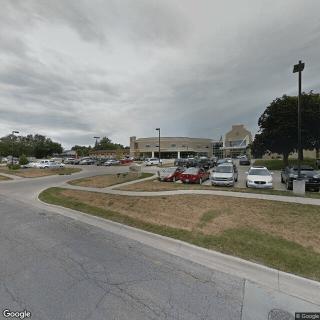





 Home Health Care Aides: Understanding Their Role and Supporting Your Family
 Urinary Tract Infections in Older Adults: Comprehensive Insights on Symptoms, Treatment, and Prevention
 California's Form 602A: An In-Depth Examination of Senior Care Assessment