



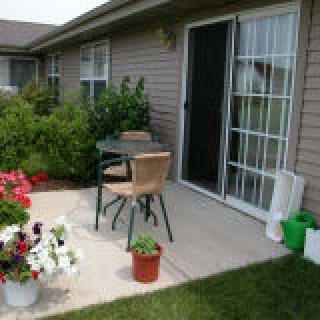



2000 Randi Drive, Aurora, IL 60504
To contact a resident: (630) 499-1890
For more information about senior living options: (866) 208-4318
Alden Horizon Senior Living Costs & Pricing
At Alden Horizon Senior Living, residents can enjoy competitively priced accommodations that significantly contrast with both Kendall County and the broader state of Illinois. For a one-bedroom unit, the monthly cost is an appealing $925, which stands in stark comparison to the county average of $4,144 and the state average of $3,527. Similarly, for those seeking more space, the two-bedroom option is available at just $1,095 - far lower than Kendall County's average of $4,537 and Illinois' average of $4,208. These attractive pricing structures underscore Alden Horizon's commitment to providing quality senior living solutions that are accessible without compromising on comfort or care.
| Floor plans | Alden Horizon Senior Living | Kendall County | Illinois |
|---|---|---|---|
| 1 Bedroom | $925 | $4,144 | $3,527 |
| 2 Bedrooms | $1,095 | $4,537 | $4,208 |
Independent Living communities with a similar price nearby
-
from -$150 / mo
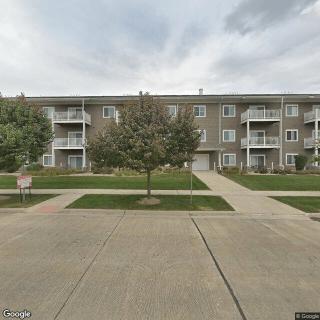
Gardiner Place
$775 to $850 / month24.9 miles away -
from +$134 / mo
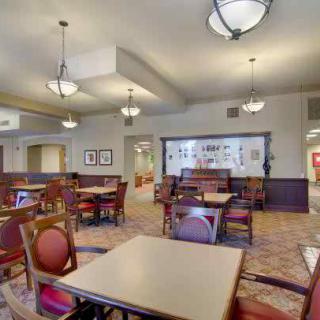
Senior Suites Joliet
$1,059 to $1,161 / month17.4 miles away -
from +$125 / mo
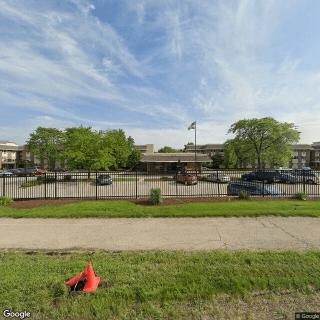
The Holmstad
$1,050 to $2,375 / month9.0 miles away -
from +$134 / mo
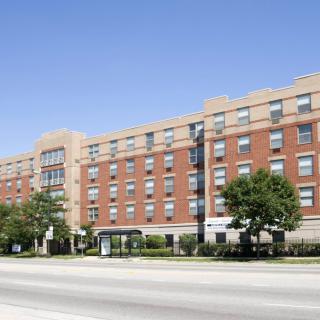
Senior Suites Garfield Ridge
$1,059 to $1,161 / month24.4 miles away -
from -$75 / mo
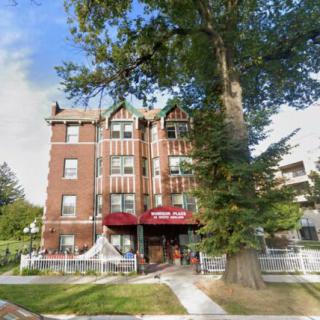
Windsor Place
$850 to $1,250 / month21.1 miles away
Overall Review of Alden Horizon Senior Living
Pros
 Mom enjoys the activities and helping to plan them.
- It is truly an excellent value for the needs mom has right now.
- It’s a comfortable, safe, and good location.
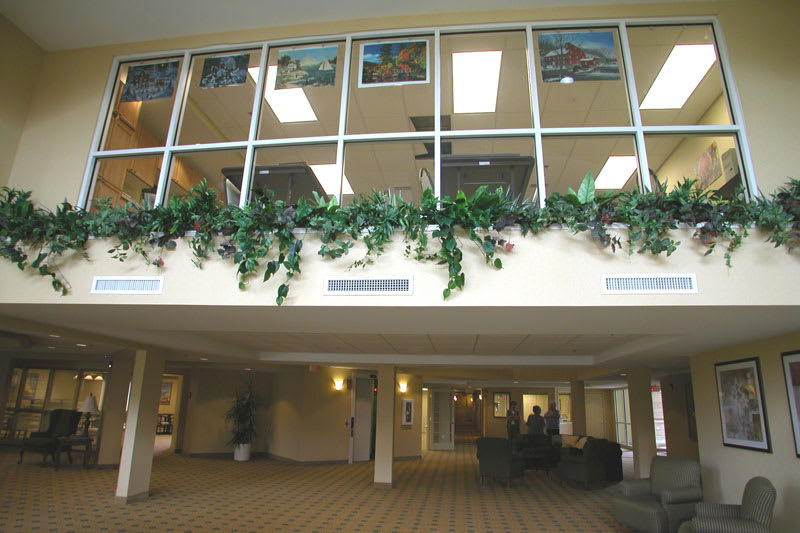
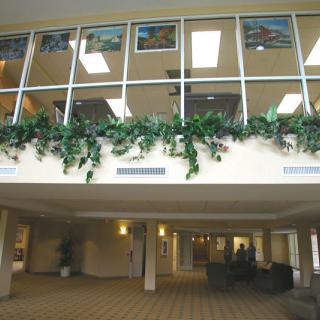
- This is an active community with an impressive updated vestibule.
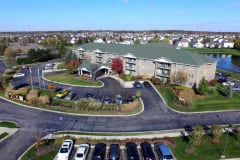
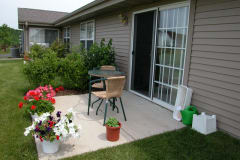
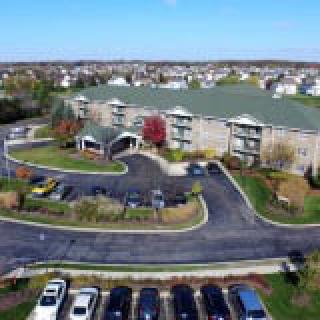
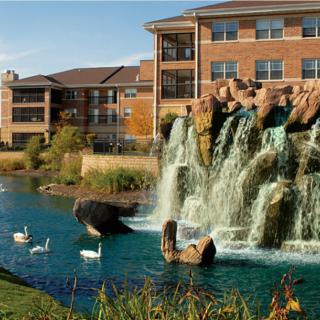
- The landscaping is beautiful, and the walking paths around the lakes with the swans are perfect.
- They offer a lot of activities, and residents have joined in.
Cons
 Alden Horizon is described as a terrible place to live.
- There is a perceived lack of care for residents at Alden Horizon.
- Staff are accused of letting a resident deteriorate and labeling them as mean or difficult.
- The facility is accused of preying on residents to force them out.
Review
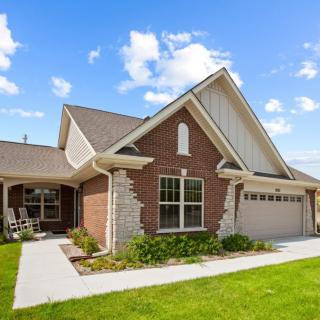
Alden Horizon Senior Living in Aurora is best suited for active, independent seniors who want a vibrant social life and a one-level living option or a comfortable duplex layout, paired with a well-maintained campus and an affordable price. The community excels for residents who can manage daily tasks with minimal assistance and who value robust activity programming, accessible walking paths, and aesthetically pleasing grounds, complete with ponds and swans that contribute to a serene, residents-first atmosphere. It’s especially appealing to couples or neighbors seeking a friendly, clean, and approachable environment where staff responsiveness is evident and the overall living space feels uncluttered and safe. This is not a memory-care or high-need care setting; it targets those who are largely independent but want the conveniences and social structure of a senior living community.
That clarity, however, brings the first caveat: those facing or approaching significant cognitive decline or increasing daily-care needs may want alternatives. Several reviews flag a troubling disconnect between independent living and the escalation of care, with concerns about staff recognizing when a resident requires more assistance and about pressure to relocate once higher-level services become necessary. Families concerned about proactive care coordination, transparent escalation procedures, and safeguards around transitions should consider other communities that explicitly provide or coordinate memory care, short-term respite, or guided steps to higher levels of support. In short, this is a strong match for independence, not a guarantee for ongoing care as needs evolve.
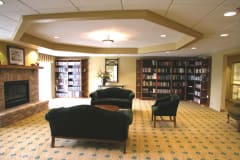
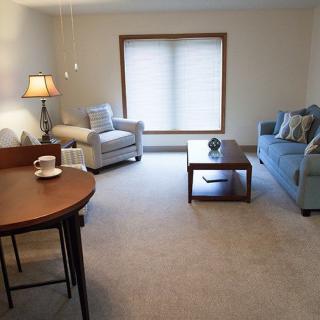
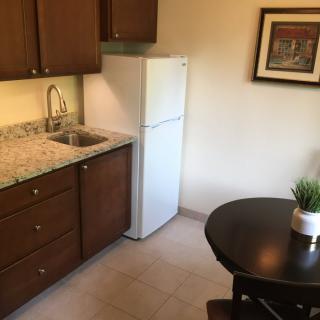
On the upside, the resident-facing advantages land solidly. The calendar of activities is substantial, and residents commonly note participation that translates into meaningful social connections and personal fulfillment. Amenities feel well maintained: bright, spacious apartments with efficient layouts, clean common areas, and a grounds program that includes well-kept landscaping and lakeside walking routes. The one-level floor plans and duplex options reduce stairs and foster a sense of autonomy, while the surrounding environment, beauty in the landscape, swans on the ponds, and easy access to local amenities, boosts daily quality of life. Reports of responsive staff, friendly neighbors, and a manager who appears engaged add credibility to the sense of a stable, person-centered community.
That said, the strongest red flag centers on care boundaries. The most troubling reviews describe situations where a resident’s cognitive or behavioral changes were not recognized or appropriately addressed, with implications that higher care needs are not promptly or effectively accommodated. The risk isn’t stated as a universal failure, but it is persistent enough to warrant serious attention. For families, this translates into a practical imperative: verify how the community handles care escalation, what on-site resources exist, and whether any formal policies align with expectations for transitioning to assisted living or memory care if needs rise. Without clear protocols, the benefits of social engagement and affordability can feel hollow when medical or daily-support needs intensify.
For families evaluating Alden Horizon, a disciplined checklist makes sense. Observe interactions between staff and residents who present with frailty or cognitive symptoms to gauge attentiveness and timeliness. Inquire about the availability of on-site aides, nurse oversight, and any formal partnerships with external care providers. Request specifics on what constitutes “independent living” versus when a resident can access higher levels of support, and ask for sample service agreements and any potential room for negotiated care plans. Walk the campus, inspect the layout of the duplex option and the size of bathrooms, and talk to current residents about how they perceive safety, cleanliness, and neighborly support. Gather references that can speak to consistency of care over time.
Ultimately, Alden Horizon is a practical, well-rounded choice for independents who prize an active, social lifestyle in a pleasant setting, with clean facilities and genuine warmth from staff. Its strengths, engaging activities, affordable pricing, convenient location, attractive grounds, and accommodating administration, deliver tangible value for residents who can self-manage or rely on family oversight to steer care decisions. The decision hinges on risk tolerance around care escalation: for those who foresee steady independence with occasional help, this community delivers. For anyone anticipating the need for memory care or regular escalation of support, alternatives with explicit memory-care pathways or stronger care transition protocols deserve serious consideration.
 Independent Living
 Cats allowed
 Dogs allowed
 Activities off-site
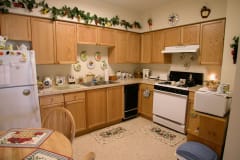
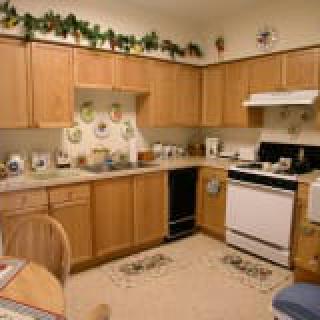
 Full kitchen

 California's Form 602A: An In-Depth Examination of Senior Care Assessment
 Comprehensive Look at Senior Blood Pressure Charts: Normal and Elevated Levels by Age
 Top Canine Companions for Older Adults