
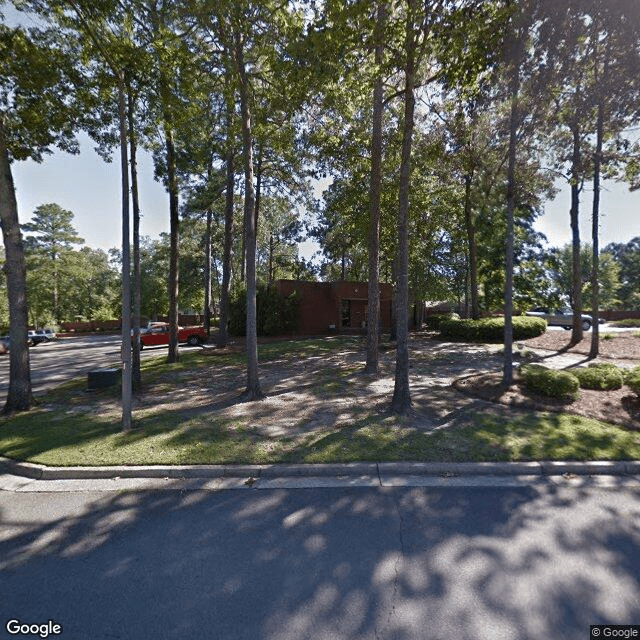
600 Park Dr, Warner Robins, GA 31088
To contact a resident: (912) 328-3800
For more information about senior living options: (866) 208-4318
Sun Pointe Senior Living Costs & Pricing
Sun Pointe Senior Living offers a competitive pricing structure for its residents compared to the broader market in Jones County and the state of Georgia. For instance, a studio apartment at Sun Pointe is priced at $2,700 per month, which is notably lower than the average cost of $3,083 in Jones County and $3,520 statewide. Similarly, one-bedroom units are available at $3,350 - a figure that remains below both the county average of $3,654 and the state average of $3,412. However, the two-bedroom option is priced higher at $5,100 per month; this exceeds the county's average of $3,220 and the state's average of $3,921. Overall, while Sun Pointe offers attractive rates for studio and one-bedroom accommodations, prospective residents may find its pricing for two bedrooms less competitive within the local context.
| Floor plans | Sun Pointe Senior Living | Jones County | Georgia |
|---|---|---|---|
| Studio | $2,700 | $3,083 | $3,520 |
| 1 Bedroom | $3,350 | $3,654 | $3,412 |
| 2 Bedrooms | $5,100 | $3,220 | $3,921 |
Independent Living communities with a similar price nearby
-
About the same

The Gables at Wolf Creek
$2,750 to $2,795 / month21.2 miles away -
About the same

The Cottages on Wesleyan
$2,650 to $3,820 / month22.9 miles away -
from -$471 / mo
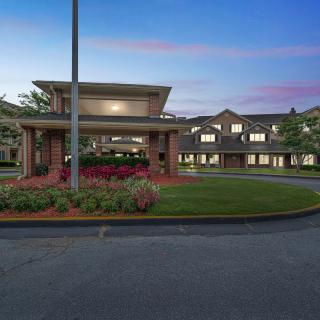
Holiday Pinegate
$2,229 to $2,739 / month19.3 miles away -
from -$261 / mo
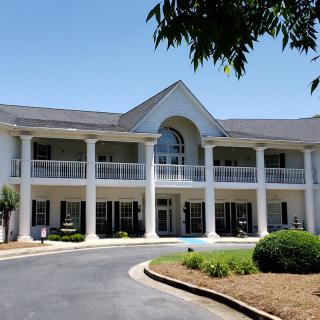
Antebellum Grove Senior Living
$2,439 to $4,878 / month3.2 miles away -
from -$200 / mo
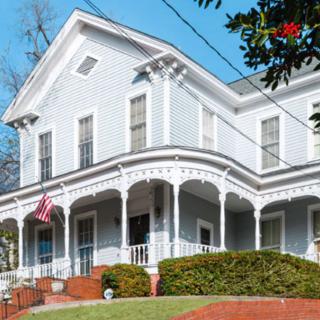
Antebellum Arlington Place
$2,500 to $3,200 / month16.7 miles away
Overall Review of Sun Pointe Senior Living
Pros
 Summers Landing is clean and well maintained.
- The atmosphere is a welcoming family environment, with staff treating residents like family.
- The director, Chris, explains expectations clearly and addresses concerns effectively.
- The nurses and med techs are kind and caring.
- Erin, the Activities Director, plans creative events and makes residents feel like part of the family.
- The accommodations feel excellent and provide a home-like daily life with engaging activities and live music.
- The care team is consistently attentive, responsive, and compassionate toward residents.
Cons
 The reviewer would not put a loved one in this facility, citing nighttime understaffing and residents being put to bed and ignored.
 - A reviewer describes the dementia care as horrible, noting staff did not monitor patients and the head nurse was pushy and condescending, leading to relocation of their father.
- They state that for someone needing gradual levels of care, this may not be the best choice.
- For dementia patients, the memory care unit is not a good fit because it does not monitor falls or related behaviors.
Review
Sun Pointe Senior Living in Warner Robins is best suited for families seeking a warm, family-like atmosphere where residents are greeted by familiar staff, daily social programs, and a sense of belonging. The community tends to reward those who value strong interpersonal connections, visible caregiver involvement, and a steady rhythm of activities that keep independent and early-assisted residents engaged. It is particularly well suited for long-term residents who appreciate caregivers who treat families like part of the team and who trust the staff to create a home-like environment. It shines when continuity, personal attention, and an active calendar take precedence over formal, clinical routines.
Those considering alternatives should note that this community may not be the right fit for residents who require high-intensity medical supervision around the clock or specialized memory-care oversight. Several reviews flag nighttime understaffing and the absence of vigilant monitoring in the dementia unit, which can be a concern for families needing constant safety assurances. A subset of families also reported mixed experiences with food quality and a couple of concerns about specific leadership dynamics. For families prioritizing a larger, more clinical campus, or one with clearly delineated memory-care security and higher night-shift ratios, exploring other options is prudent.
The strongest positives center on cleanliness, a welcoming “family” ethos, and staff who consistently go above and beyond to form trusted relationships. Families repeatedly note that the director and front-line caregivers explain expectations clearly, respond promptly to concerns, and treat residents with genuine care. Nurses and med techs are described as kind, patient, and attentive, and the activities team, especially those who plan live music, crafts, and other daily events, helps residents stay connected and mentally sharp. Long-tenured staff members and memory-care specialists who build rapport with families add a reassuring layer of continuity, while independent-to-assisted residents enjoy sunlit apartments, balconies, and a robust schedule of social opportunities that keep evenings lively and days purposeful.
Yet, the cons are real enough to temper the upfront appeal. Nighttime understaffing has been cited by multiple families as a meaningful drawback, with concerns about delayed responses during late hours. Some reviews reference a head nurse who could be perceived as pushy or condescending, which underscores the importance of speaking with the leadership team during tours to gauge how conflicts are resolved. In memory care, there is skepticism about the facility’s ability to monitor falls and behaviors typical of dementia, suggesting that this is not the ideal setting for residents who require vigilant safety protocols or rapid escalation of medical needs. Occasional feedback about meal quality also appears, indicating that dining experiences can vary and should be sampled during visits.
From a decision-making standpoint, the key question becomes: can the day-to-day warmth, staff familiarity, and engaging activity calendar offset a less-than-ideal level of night supervision and the mixed data on memory care safety? For many families, the answer is yes, provided the resident’s needs align with a home-like, socially rich environment. Prospective residents should verify current night-shift staffing ratios, request a tour of the memory-care area with a focus on safety checks, sample multiple meals, and speak with families who have recent, firsthand experiences. Observing how staff communicate with residents and families during a visit can reveal as much as any brochure, whether the atmosphere supports quiet evenings or if the energy of the day carries late into the night.
In sum, Sun Pointe Senior Living presents a compelling fit for seniors who prize a close-knit community, a proactive caregiving staff, and an abundance of daily activities that foster a sense of family. It is less compelling for those needing constant medical oversight or specialized dementia care with rigorous night monitoring. For families prioritizing warmth, personal connection, and a lively, supportive environment, this community earns strong consideration. For others, particularly where memory-care safety or 24/7 clinical support is non-negotiable, exploring alternative communities with more robust night staffing and dementia-specific protocols is advised. The ultimate choice should reflect the resident’s level of independence, safety needs, and the family’s comfort with the home-like culture that defines Sun Pointe.
 Independent Living
 Middle Georgia Regional (7 miles away)

 Nurturing Our Loved Ones: A Daughter's Journey in Caring for Her Mother
 Nurturing Our Elders: Linda's Journey of Supporting Her Mother
 A Comprehensive Exploration of Common Misunderstandings about Powers of Attorney