Gardens of Gainesville - original listing

Save
Gardens of Gainesville - original listing Gardens of Gainesville - original listing

Gardens of Gainesville - original listing

Information last verified:

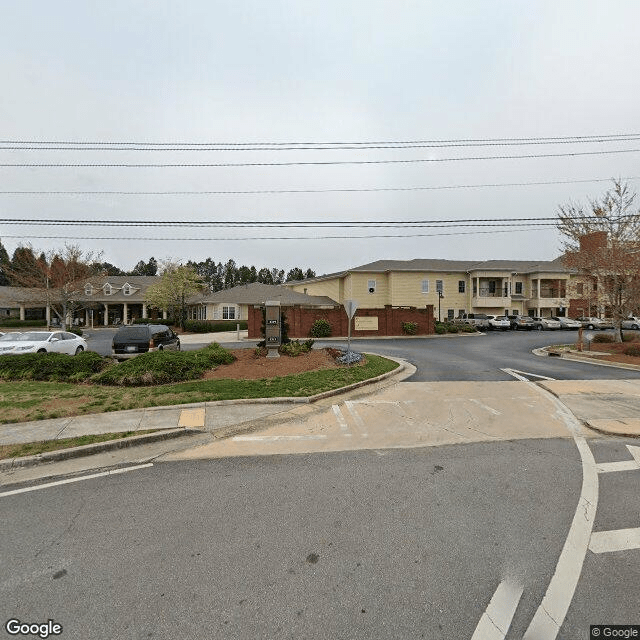
3319 Thompson Bridge Road, Gainesville, GA 30506

For more information about senior living options: (844) 490-3973

4.1 from 66 reviews
5 stars
43
4 stars
8
3 stars
4
2 stars
3
1 stars
8

Seniors.FYI Elite Community Awards

Top 5% Senior Living Community in 2017Top 5% Senior Living Community in 2020

Add this award to your website

Gardens of Gainesville - original listing Costs & Pricing

The Gardens of Gainesville offers competitive pricing for its living accommodations, reflecting both the local market of Hall County and broader trends across Georgia. For a 1-bedroom unit, the cost is set at $3,100 per month, which is notably lower than the Hall County average of $4,052 and also more affordable compared to the state average of $3,412. Similarly, the 2-bedroom option is priced at $3,500, again presenting a substantial savings against Hall County's average of $4,366 and Georgia's statewide figure of $3,921. These rates position Gardens of Gainesville as an enticing choice for those seeking quality living at a reasonable price in a desirable location.

Floor plansGardens of Gainesville - original listingHall CountyGeorgia
1 Bedroom$3,100$4,052$3,412
2 Bedrooms$3,500$4,366$3,921

Overall Review of Gardens of Gainesville - original listing

Pros

  • pro The Christmas program was beautiful and very professional.
  • pro Gardens of Gainesville has a nice southern charm and warm vibe.
  • pro Jamie L. was extremely helpful during the transition process.
  • pro The staff genuinely cared about the resident, getting to know his habits and keeping him happy and comfortable.
  • pro The Gardens did a great job making the resident’s final time on earth peaceful.
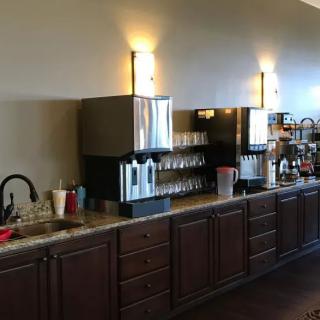
  • pro A lively community where residents enjoy fun activities and delicious food.
  • pro The staff are professional and caring, going above and beyond.
  • pro Paula conducted thorough tours, answered questions, and even brought flowers on move-in day.
  • pro LaMar, the director of maintenance, is prompt and efficient with work orders.
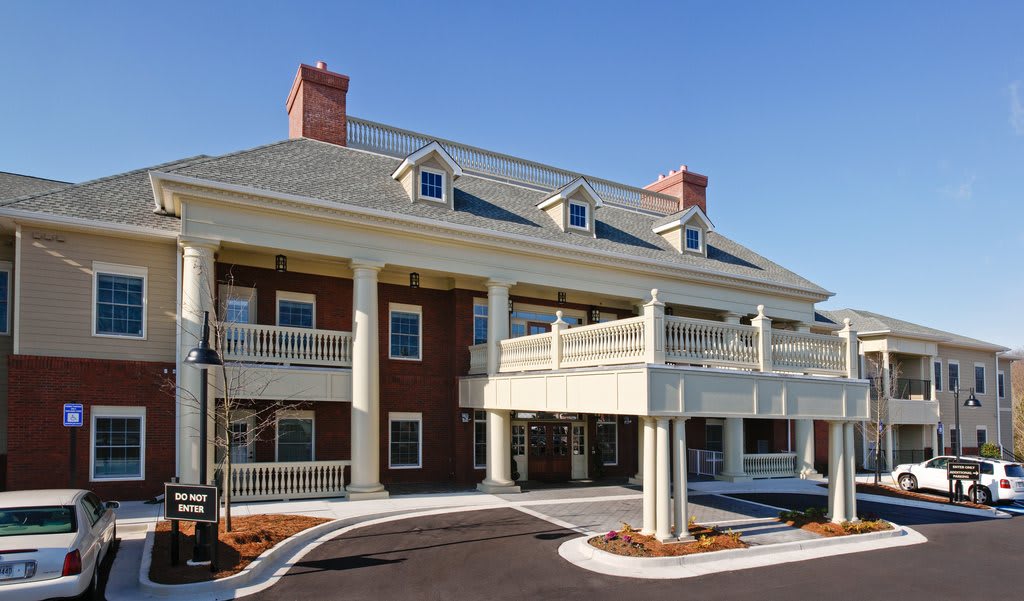
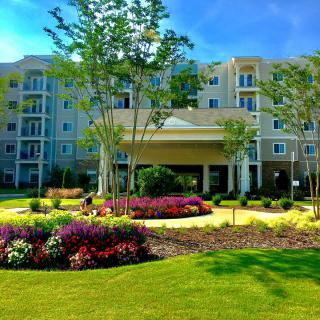
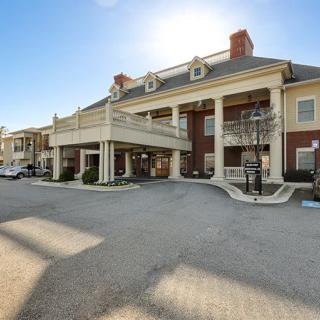
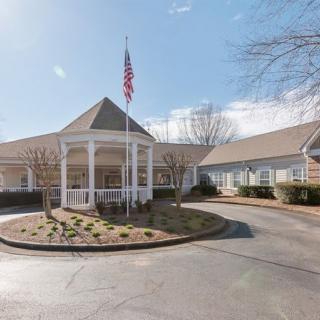
  • pro The facility is beautiful and well-maintained, with a professional and attentive staff.
  • pro Annie is an absolute joy and does a phenomenal job with the residents.
  • pro Ty consistently provides thoughtful plans for residents and communicates with families with compassion and professionalism.
  • pro Kathy and Martha throw terrific events for residents and families.
  • pro The atmosphere is warm and welcoming, with staff who truly care.
  • pro The Holbrook staff are friendly and attentive, making residents feel at home.

Cons

  • pro Care was inconsistent and often barely provided, with medications not given and families not notified, leaving the resident repeatedly in the hospital.
  • pro There were safety lapses, including a resident escape and residents wandering unsupervised with no caregivers present.
  • pro Management at Gardens of Gainesville and Five Star Senior Living was described as dreadful.
  • pro Phone, TV, and internet service were down for extended periods, isolating residents and preventing families from contacting them.
  • pro The facility charged full price while vital utilities were down and promised services were not delivered.
  • pro The admissions process allegedly misrepresented fees, with terms like "deposit" used misleadingly.
  • pro Rent increases of 5% annually accompanied by reductions in services for residents.
  • pro A reviewer claimed the facility was a scam, citing unsanitary conditions during a tour.
  • pro There has been significant staff turnover, leaving vacancies and reducing the quality of care.

Review

Gardens of Gainesville is best suited for families seeking a warm, social, home-like community where frontline caregivers genuinely connect with residents, and where memory care has a visible, attentive presence. The atmosphere and dining appeal to those who prize southern charm, tasteful interiors, and an active calendar of events. It works well for seniors who want ongoing engagement, convenient on-site services, and a staff that families feel they can trust on a day-to-day basis. The memory care unit, in particular, emerges as a clear strength when residents respond to staff who know their rhythms and habits, and who work to keep them comfortable and content. This is not a rigid medical campus; it is a lifestyle community that can deliver meaningful quality of life for residents who can thrive with a proactive, person-centered approach from frontline teams.

Explicitly, alternatives deserve consideration for any family facing high-acuity needs or a requirement for consistently seamless operations. If a loved one requires around-the-clock medical oversight, relentless weekend coverage, or highly reliable systems for meds, alarms, and communications, Gardens of Gainesville may fall short at times. Several families report gaps on weekends, intermittent maintenance delays, and occasional lapses in essential services like medication administration or phone connectivity. For those with dementia or advanced care needs, a setting that demonstrates steadier staffing and decisive operational leadership may be preferable. In Gainesville, that means weighing options that emphasize consistently reliable oversight, stronger centralized accountability, and fewer reported outages.

On the plus side, the Gardens’ strongest selling points lie in how care is delivered on the floor. Residents repeatedly describe frontline staff as caring, patient, and genuinely engaged, often singled out are caregivers in the memory unit who invest time in knowing personalities and routines. The director of memory care and other on-site leaders are praised for staying connected with families and for addressing concerns promptly, which helps families feel seen. The dining program is frequently highlighted as a bright spot, variety, quality, and staff warmth contribute to meals that residents look forward to. The physical environment, clean, well-maintained, and aesthetically welcoming, supports a sense of comfort and security, with a homey feel that many residents and families appreciate. When the community is firing on all these cylinders, the combination of companionship, meaningful activities, and responsive front-line care can offset occasional administrative hiccups and maintenance delays.

The main drawbacks revolve around consistency and systems at the administrative level. Several reviews raise concerns about weekend care gaps, missed medications, and slow issue resolution, suggesting a pattern that can undermine the sense of security for families depending on reliable 24/7 care. There are also mentions of outages affecting essential communications, phones, internet, and the inability to reach loved ones in real time. About pricing and contracts, there are warnings about confusing language around deposits versus facility fees, with critics emphasizing the need for scrupulous, transparent paperwork. Maintenance and transportation, areas that directly impact daily life, also appear irregular at times, with families calling for steadier responsiveness and clearer accountability from leadership. Taken together, these are meaningful considerations: the quality of life in this campus hinges not only on warm staff and good meals, but on the steadiness of operational systems attached to care.

Balancing the pros and cons points toward a practical verdict: Gardens of Gainesville can be a superb match for families who actively participate in care planning, ask sharp questions, and verify that the unit they choose aligns with expected standards of reliability. The bottom line is that the on-the-ground caregiving is often outstanding and the social fabric strong, which can produce real, positive experiences for residents who thrive with a friendly, engaged team. However, for families prioritizing unwavering consistency, especially for residents with higher medical or supervision needs, the acknowledged gaps in weekend coverage, communications, and certain administration practices may weigh too heavily. Pros offset cons most meaningfully when a resident is placed in a well-supported memory care program with clear care plans, attentive med administration protocols, and close family collaboration.

For those who proceed, the path is clear: focus on the specific neighborhood within Gardens of Gainesville (memory care versus independent living) and demand concrete assurances about weekend staffing, medication administration procedures, and how maintenance requests are tracked and resolved. Have candid conversations with the care director and front-line supervisors about contingency plans for outages and emergencies, and request a written service level outline. Probe pricing details upfront to ensure a mutual understanding of deposits, facility fees, and what is included in monthly rent. Finally, corroborate impressions with current families and residents, if possible, visit during activities and meals to gauge how staff interactions translate into daily life when vitality is high. In the end, Gardens of Gainesville remains a compelling choice for the right resident, one whose caregivers, dining, and social life can anchor a fulfilling, dignified later chapter provided that operational reliability is consistently prioritized.

Features

Types of Care

  • Independent Living Independent LivingIndependent living communities are important for seniors because they offer a safe and supportive environment where older adults can live independently while still having access to amenities and services that enhance their quality of life. These communities provide social opportunities, recreational activities, and assistance with daily tasks, promoting overall well-being and allowing seniors to maintain their independence for as long as possible.

Pets

  • Cats allowed Cats allowed"Pet friendly" senior living communities are important for seniors because pets provide companionship, reduce feelings of loneliness and depression, promote physical activity and mental stimulation, and offer a sense of purpose and responsibility. Pets can improve overall well-being and quality of life for seniors in many ways.
  • Dogs allowed Dogs allowed"Pet friendly" senior living communities are important for seniors because pets provide companionship, reduce feelings of loneliness and depression, promote physical activity and mental stimulation, and offer a sense of purpose and responsibility. Pets can improve overall well-being and quality of life for seniors in many ways.

Amenities

  • Activities off-site Activities off-siteEngaging in off-site activities is crucial for seniors to maintain social connections, stay active, and stimulate their minds. It promotes overall well-being and helps combat feelings of isolation and loneliness.
  • Activities on-site Activities on-siteActivities on-site are important for seniors because they provide opportunities for socialization, mental stimulation, physical activity, and overall well-being. Engaging in activities can help seniors stay active, maintain their independence, and improve their quality of life.
  • Air-conditioning Air-conditioningAir conditioning is important for seniors as they are more vulnerable to heat-related illnesses and may have underlying health conditions that make it difficult for them to regulate their body temperature. It helps to keep them comfortable, safe, and healthy in hot weather.
  • Beautician on-site Beautician on-siteHaving a beautician on-site at a senior living community is important for seniors as it allows them to easily access grooming and personal care services, boosting their self-esteem and overall well-being. It also provides convenience and helps seniors maintain their sense of independence and personal style.
  • Cable or satellite TV Cable or satellite TVCable or satellite TV is important for seniors because it provides entertainment, news, and companionship, helping to combat loneliness and boredom. It also offers a wide range of programming options tailored to different interests and preferences.
  • Devotional services off-site Devotional services off-siteDevotional services off-site are important for seniors as they provide spiritual nourishment, social engagement, and a sense of community outside of the senior living facility. This can enhance overall well-being and help combat feelings of isolation and loneliness often experienced by older adults.
  • Devotional services on-site Devotional services on-siteDevotional services on-site provide seniors with spiritual support and a sense of community, as well as an opportunity for reflection and guidance during their senior living experience. This can promote emotional well-being and connection to others, leading to a more fulfilling and enriching lifestyle in their later years.
  • Full kitchen Full kitchenHaving a full kitchen in a senior living facility is important for seniors because it allows them to maintain their independence and prepare their own meals. This promotes healthy eating habits, saves money on dining out, and provides a sense of familiarity and comfort for residents.
  • Ground floor units Ground floor unitsGround floor units are important for seniors because they provide easy accessibility, reduced risk of falls and injuries, and convenience for those with mobility issues. Seniors can avoid climbing stairs or using elevators, making daily tasks and activities more manageable and enjoyable.
  • Handicap accessible Handicap accessible"Handicap accessible" amenities are crucial for seniors to ensure they can easily navigate and access facilities, services, and activities without barriers or limitations due to physical impairments. This promotes independence, safety, and inclusivity for seniors in senior living communities.
  • Indoor common areas Indoor common areasIndoor common areas are crucial for seniors as they provide a space for socialization, recreation, and community engagement, promoting overall well-being and reducing feelings of isolation and loneliness.
  • Outdoor common areas Outdoor common areasOutdoor common areas are important for seniors as they provide a space for socialization, physical activity, and relaxation. Being outside in nature can improve mood and overall well-being, while also encouraging movement and engagement with others. These spaces can help combat feelings of isolation and promote a sense of community among residents.
  • Respite or short term stays offered Respite or short term stays offeredRespite or short term stays provide seniors with a temporary solution when their regular caregiver is unavailable, offering them the opportunity to receive additional care and support during times of need, while also giving caregivers a chance to rest and recharge.
  • Swimming pool / hot tub Swimming pool / hot tubSwimming pools and hot tubs are important for seniors as they provide a safe and enjoyable way to stay active, improve mobility, reduce joint pain, and promote relaxation. Regular use of these amenities can contribute to overall well-being and quality of life for older adults living in senior communities.
  • Wheelchair accessible showers Wheelchair accessible showersWheelchair accessible showers are crucial for seniors as they provide a safe and independent bathing option for those with mobility challenges. These showers help prevent falls and allow seniors to maintain their dignity and autonomy while ensuring they can bathe comfortably.

Care Services

  • Medication management Medication managementMedication management is crucial for seniors to ensure they are taking the right medications at the correct dosages and times. This helps prevent adverse drug interactions, reduces the risk of medication errors, and promotes overall health and well-being. Proactive management also allows for adjustments as needed based on changing health conditions or new prescriptions.

Dining

  • Guest meals Guest mealsGuest meals are important for seniors living in senior living communities because they provide an opportunity for socialization and companionship. Sharing a meal with friends, family, or new acquaintances can help combat feelings of loneliness and isolation, promote a sense of community, and enhance overall well-being. Additionally, guest meals allow seniors to enjoy delicious food in a comfortable setting without the hassle of cooking or cleaning up, making dining a pleasurable and stress-free experience.
  • International cuisine International cuisineInternational cuisine is important for seniors because it offers a variety of flavors, ingredients, and cultural experiences that can help keep their meals interesting and enjoyable. Trying new dishes can also stimulate the senses and provide different nutrients that contribute to overall health and well-being. Additionally, exploring international cuisine can bring back fond memories of travels or childhood experiences, making mealtime more nostalgic and fulfilling for seniors.
  • Low / no sodium Low / no sodiumLow/no sodium options are important for seniors because excessive sodium intake can lead to high blood pressure, heart disease, and other health issues commonly experienced by older adults. By choosing low/no sodium foods, seniors can better manage their health and reduce their risk of developing these conditions.
  • Meals provided Meals provided"Meals provided" are crucial for seniors in assisted living communities as it ensures they have access to nutritious, balanced meals without the stress of meal planning and preparation. This can help promote overall health and well-being for seniors who may have limited mobility or cognitive abilities.
  • No Sugar No SugarNo sugar diets are important for seniors because they can help prevent or manage chronic conditions such as diabetes, heart disease, and obesity. Sugar can also contribute to cognitive decline and inflammation in the body, so reducing sugar intake can lead to overall improved health and well-being in older adults.
  • Professional chef Professional chefProfessional chefs are important for seniors living in senior living communities because they provide nutritious and delicious meals that cater to their dietary needs and preferences. A professional chef can ensure that seniors are receiving balanced, flavorful meals that support their overall health and well-being.
  • Restaurant style dining Restaurant style diningRestaurant style dining is important for seniors as it offers them a social and enjoyable dining experience, promotes healthy eating habits, and provides personalized menu options to cater to their dietary needs and preferences. This type of dining setting can enhance their overall quality of life and create a sense of community within the senior living facility.
  • Room service Room serviceRoom service is important for seniors in a senior living community because it provides convenience and allows them to have their meals delivered directly to their room. This can be especially beneficial for seniors who may have mobility issues or difficulty accessing the dining area. Room service ensures that seniors are able to receive nutritious meals without having to navigate through the facility, allowing them to maintain their independence and overall well-being.
  • Special dining programs Special dining programsSpecial dining programs are important for seniors because they provide nutritious meals tailored to their dietary needs and preferences. These programs also offer socialization opportunities, promote overall health and well-being, and can help prevent malnutrition.

Activities

  • Art classes Art classesArt classes are important for seniors because they provide a creative outlet, improve cognitive function, reduce stress and anxiety, promote socialization, and enhance overall well-being and quality of life.
  • Bible study group Bible study groupBible study groups provide seniors with a sense of community, spiritual growth, and support during their later years. It helps them stay connected to their faith, find comfort in difficult times, and build meaningful relationships with others.
  • Catholic services Catholic servicesCatholic services are important for seniors because they provide spiritual support, a sense of community, and opportunities for social interaction that can enhance overall well-being and quality of life in their later years.
  • Cooking classes Cooking classesCooking classes are important for seniors as they provide opportunities for social interaction, enhance cognitive skills, promote healthy eating habits, and boost confidence in the kitchen.
  • Devotional activities offsite Devotional activities offsiteDevotional activities offsite are important for seniors because they provide social engagement, spiritual growth, and a sense of community outside of their living environment. This can improve overall well-being, mental health, and combat feelings of isolation or loneliness.
  • Devotional activities on-site Devotional activities on-siteDevotional activities on-site provide seniors with a sense of community, spiritual fulfillment, and emotional support, promoting overall well-being and a positive sense of purpose in their lives.
  • Mormon/LDS services Mormon/LDS servicesMormon/LDS services are important for seniors as they provide a sense of community, spiritual support, and connection to their faith during their later years. These services offer opportunities for socialization, worship, and guidance in navigating the challenges of aging.
  • Other religious services Other religious servicesOther religious services are important for seniors as they provide a sense of community, spiritual comfort, and opportunities for socializing. These services can help seniors feel connected to their faith and maintain a sense of purpose and belonging in their later years.
  • Protestant services Protestant servicesProtestant services are important for seniors because they provide spiritual nourishment, community support, and a sense of belonging. These services can help seniors connect with others who share their faith, find comfort and guidance in times of need, and maintain a sense of purpose and fulfillment in their later years.
  • Visiting chaplain or priest Visiting chaplain or priestHaving a visiting chaplain or priest at a senior living community is important for seniors because it provides spiritual support, comfort, and guidance during a time of life that can be challenging and uncertain. Their presence can help seniors feel connected to their faith, find peace of mind, and cope with the emotional and mental struggles they may face in their later years.

Description

Gardens of Gainesville is an assisted living community located in Gainesville, Georgia. Our community provides a range of amenities to ensure the comfort and well-being of our residents. With activities available on-site, residents can participate in various engaging and social activities. Each apartment is air-conditioned and equipped with cable or satellite TV for residents' entertainment.

At Gardens of Gainesville, we understand the importance of personal grooming, which is why we offer a beautician on-site to cater to our residents' needs. Additionally, we provide devotional services both on-site and off-site, allowing our residents to nourish their spiritual well-being.

Our full kitchen in each unit allows residents the freedom to prepare their own meals if desired. For those who prefer not to cook, our professional chef prepares delicious international cuisine with options for low/no sodium, no sugar meals. Residents can enjoy restaurant-style dining or opt for room service as per their preference.

We believe in keeping our residents engaged and active, which is why we offer various activities such as Bible study groups, cooking classes, devotional activities both on-site and off-site, and services for different religious denominations including Catholic and Protestant services. Our community is wheelchair accessible throughout, including wheelchair accessible showers for added convenience.

In addition to the amenities within our community grounds, Gardens of Gainesville benefits from its prime location. With four cafes nearby, residents can easily enjoy a cup of coffee or a meal outside of the community if they wish. There are also three parks nearby where residents can go for walks or enjoy nature. The proximity of 11 pharmacies ensures that medication management is convenient for our residents. In case of medical needs, there are 29 physicians and three hospitals located near our community.

Gardens of Gainesville offers an enriching assisted living experience with a variety of amenities designed to meet the unique needs and interests of our residents.

Nearby Places of Interest

This area of Gainesville, Georgia, offers a convenient and diverse range of amenities for seniors looking to settle in the community. With several physicians' offices nearby, including Delta Oxygen Solutions and University Vascular, residents have access to quality healthcare services within a short distance. Additionally, there are multiple pharmacies such as Kroger Pharmacy and CVS Pharmacy for easy medication management. For recreational activities, parks like Thompson Bridge Park and Laurel Park provide opportunities for outdoor enjoyment. There are also various dining options ranging from fast-food chains like McDonald's to sit-down restaurants like Bluefin Hibachi & Sushi. Additionally, places of worship such as Northlake Baptist Church and Unity of Gainesville Church cater to spiritual needs. The presence of hospitals like NGHS - North Tower ensures that residents have access to medical care in case of emergencies, making this area a well-rounded choice for senior living in Gainesville.

Physicians

  • Delta Oxygen Solutions Gainesville (0.4 miles)
  • University Vascular (2.4 miles)
  • Doctor's Weight Loss Center (3.2 miles)
  • Honey-Do Straw Company (3.4 miles)
  • Dermatology Associates of NE Georgia (3.7 miles)
  • Arthritis Center of North Georgia (3.8 miles)
  • Gainesville Surgery Center (4.2 miles)

Parks

  • Thompson Bridge Park (1 miles)
  • Laurel Park (3.1 miles)
  • Longwood Park (3.8 miles)
  • Don Carter State Park (6.4 miles)

Pharmacies

  • Kroger Pharmacy (1.2 miles)
  • CVS Pharmacy (1.5 miles)
  • Mc Elveen's Pharmacy (3.3 miles)
  • Medical Park Pharmacy (3.5 miles)
  • CVS Pharmacy (3.6 miles)
  • Walgreens (4.3 miles)
  • Medical Park Pharmacy (4.5 miles)

Restaurants

  • McDonald's (2.1 miles)
  • Burger & Shake lll (3.4 miles)
  • Bluefin Hibachi & Sushi (3.5 miles)
  • Chipotle Mexican Grill (3.7 miles)
  • McDonald's (4.1 miles)
  • El Sombrero (4.1 miles)
  • Chick-Fil-A (4.2 miles)

Cafes

  • Starbucks (3 miles)
  • Longstreet Cafe (3.5 miles)
  • Starbucks (4.2 miles)
  • Longstreet Cafe (5 miles)
  • Starbucks (8.8 miles)

Places of Worship

  • Northlake Baptist Church (3.5 miles)
  • St Michael Catholic Church (3.9 miles)
  • Unity of Gainesville Church (4.2 miles)
  • Free Chapel Worship Center (5.9 miles)
  • Southern Baptist Convention (8.7 miles)
  • Winds Of Peace Fellowship (8.8 miles)

Hospitals

  • NGHS - North Tower (4.5 miles)
  • Northeast Georgia Labor And Delivery (4.5 miles)
  • 1480 Building (4.7 miles)

Frequently Asked Questions

How much does it cost to live at Gardens of Gainesville - original listing in Gainesville, GA?
Where is Gardens of Gainesville - original listing?
Does Gardens of Gainesville - original listing allow residents to have pets?

Nearby Communities

  • Gardens of Gainesville

    Gardens of Gainesville

    Gainesville, GA

    4.3 from 94 reviews
    $3,185 to $4,265 / month

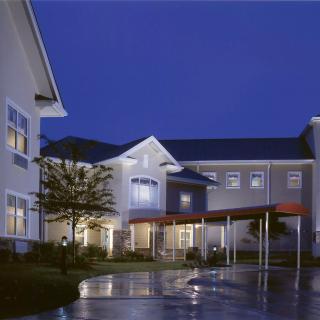
    pro Caring staff, engaging activities, and a welcoming, home-like atmosphere.

  • Willowbrooke Court At Lanier Village Estates

    Willowbrooke Court At Lanier Village Estates

    Gainesville, GA

    4.5 from 75 reviews
     

    pro 24/7 supervision with transportation and dining options.

  • Lanier Village Estates

    Lanier Village Estates

    Gainesville, GA

    4.6 from 76 reviews
     

    pro Luxurious, hotel-like environment with extensive activities and well-maintained grounds.

  • Oak Bridge Terrace At Lanier Village Est

    Oak Bridge Terrace At Lanier Village Est

    Gainesville, GA


    pro Independent living with on-site amenities including a beauty salon, restaurant-style dining, 24/7 supervision, and medication management.

  • The Phoenix at Lake Lanier

    The Phoenix at Lake Lanier

    Gainesville, GA

    4.1 from 86 reviews
    $2,900 to $6,000 / month

    pro Friendly, attentive staff, a clean upscale setting on Lake Lanier, and engaging daily activities with good family communication.

  • Oasis On Lanier

    Oasis On Lanier

    Gainesville, GA

    5 from 110 reviews
     

    pro Intimate, fully furnished community with comprehensive care, meals, activities, and convenient amenities.

  • Oaks - Limestone

    Oaks - Limestone

    Gainesville, GA

    3.4 from 132 reviews
     

    pro Competent physical therapy and some compassionate staff; clean, inviting facility.

  • Lakes at Gainesville Assisted Living

    Lakes at Gainesville Assisted Living

    Gainesville, GA

    4.6 from 44 reviews
    $2,950 to $3,600 / month

    pro Friendly, attentive staff; clean facilities; engaging activities and good family communication.

  • New Horizons Limestone

    New Horizons Limestone

    Gainesville, GA

    2.6 from 20 reviews
    $3,510 to $5,460 / month

    pro Private rooms with restaurant-style dining and a wide range of amenities (beauty salon, fitness room, computer center, Wi-Fi).

Related Resources

  • anticipatory griefRecognizing the Journey: Understanding and Navigating Anticipatory Grief

    Anticipatory grief is an emotional response to the impending loss of a loved one, characterized by complex emotions such as sadness and anger, and involves navigating stages similar to those identified by Kübler-Ross. Coping strategies are vital for managing this process, emphasizing compassionate communication, self-care, and support groups while recognizing the cultural influences on grieving.

  • adult day careEncouraging Participation in Adult Day Care: A Guide to Supporting a Hesitant Parent

    Adult day care programs offer essential support and activities for older adults, yet many hesitate to participate due to concerns about independence and stigma. To alleviate these apprehensions, families should facilitate open discussions, explore financial resources, suggest trial visits, and collaborate with healthcare providers to highlight the benefits of such services for both the participants and their caregivers.

  • living will definitionComprehensive Exploration of Living Wills and Other Advance Directives

    Living wills and advance directives are crucial legal documents that outline an individual's healthcare preferences when they cannot make decisions themselves, enhancing patient autonomy and alleviating family stress during medical crises. The article emphasizes the need for these documents to be personalized, legally valid, and regularly updated, while also encouraging communication about end-of-life wishes among family members and healthcare providers.