
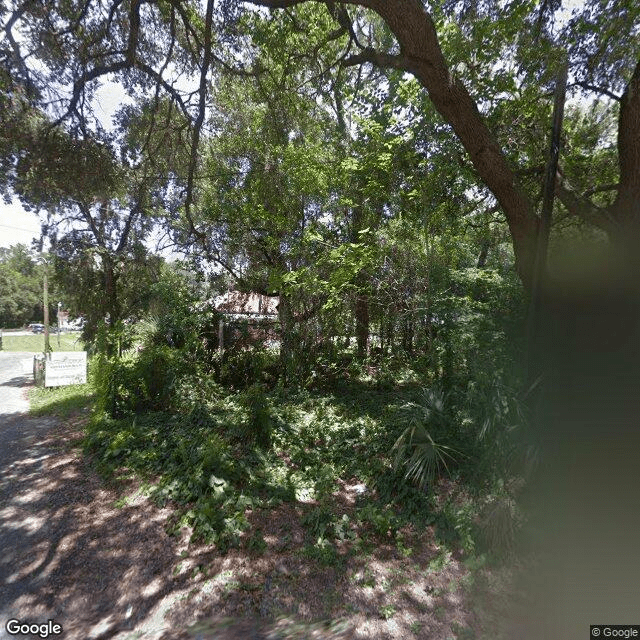
12195 SE 135th Ave, Lady Lake, FL 32159
To contact a resident: (352) 750-0036
For more information about senior living options: (866) 208-4318
Overall Review of Lake Weir Retirement Village
Pros
 Adriana Rosas was super through the whole build process.
- They love the neighborhood and location.
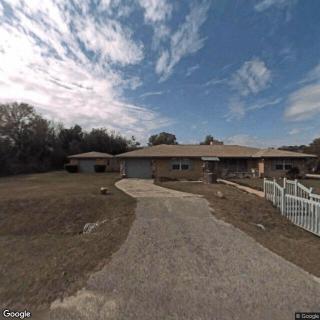
- They are very happy with the quality of their house.
- Any small issues have been corrected promptly.
- Adriana is amazing and helps coordinate the building process and selection of finishes for your home.
- The community is beautiful with a preserve-like rural feel, quiet and peaceful.
- Lake Weir Preserve is a great neighborhood and everyone is very friendly.
- They look forward to starting their new home there.
Cons
 A reviewer dislikes paying $150 per month for internet and experiences dropped calls, making Facetime and streaming nearly impossible due to satellite service.
- One reviewer described the community as not much of a community, noting mixed new homes and questionable residences.
- A visitor found the sales representative brusque and unwelcoming, with a pitch that discouraged considering living in the community.
- The roads were described as poorly prepared, with rutting on the main road installed by the developer and concerns about road longevity.
- Streets were observed with grass and weeds growing through the asphalt, suggesting neglect.
- A reviewer called a visit a waste of time and money.
Review
Lake Weir Retirement Village is best suited for retirees who prize a quiet, rural setting with a preserve-like feel, and who are comfortable living without an HOA framework. It appeals to buyers who want room to spread out, a neighborhood that feels intimate rather than gated, and the flexibility to manage properties with personal standards. The community also attracts those who value proximity to conveniences without sacrificing a country ambience, plus those who appreciate RV-friendly design, including attached RV garages, and a builder-led process that helps residents move into a newly constructed home with relative ease.
On the practical side, the strongest draws are the quality of the homes and the responsive support around construction and finishes, led by a team that earns high marks for coordination and follow-through. Residents consistently praise Adriana Rosas for her hands-on approach and the way she steers buyers through the building and selection process. The neighborhood itself delivers a peaceful, rural experience, with neighbors described as friendly and accommodating, and the location offering short drives to churches, groceries, big-box retailers, and healthcare. For those who want to reap the benefits of a rural setting without sacrificing access to essential services, these are meaningful advantages that offset many anxieties about village life.
However, several core drawbacks temper the appeal. A perennial concern is internet service: the community’s reliance on satellite connections translates into high monthly costs and inconsistent performance, making streaming, video calls, and even some online tasks frustrating. Road quality and maintenance also surface as a notable irritant. Observations about rutting, lack of curbing, and uneven surfaces highlight a genuine tension between rural charm and infrastructure upkeep, especially for residents who expect well-kept approaches comparable to gated or HOA-managed developments. The absence of an HOA, while liberating in terms of rules and fees, can translate into a perception of uneven property appearance and maintenance control, leaving some buyers worried about long-term stewardship and standardization.
Additionally, the social and civic texture of the community is uneven. Several reviews indicate a modest sense of community, some residents feel the area is quiet and friendly, while others describe a lack of a strong, organized communal life. This divergence matters for retirees who rely on neighborly networks or planned activities for daily purpose. From a sales perspective, some interactions with the on-site process have felt brusque or less welcoming, and practical touchpoints such as model homes or open houses can be limited, which may leave prospective buyers with uncertain first impressions. Finally, landscape and entrance presentation have drawn mixed feedback, with some visitors noting signs of neglect on entry and roadways, further complicating real estate decisions for those seeking a polished arrival experience.
The key pro-con balance favors flexibility and personal autonomy for those who accept infrastructure trade-offs. The lack of an HOA reduces ongoing fees and governance friction, enabling residents to tailor property aesthetics and usage to personal preference. The quiet, dispersed environment and proximity to town centers offset some practical inconveniences, especially for those content to handle internet needs and occasional road maintenance on a personal level. For families or individuals who prioritize a relaxed, country vibe, the positives often appear decisive, provided the internet limitations and variable community life are acceptable. For buyers who require robust high-speed connectivity, a tightly knit social calendar, or rigorous common-area upkeep, alternatives with stronger governance and more reliable infrastructure will likely be a wiser match.
 Independent Living

 Home Health Care Demystified: A Comprehensive Guide for Families and Caregivers
 Seniors and Modern Transportation: Exploring Uber, Lyft, and Other Ride-Hailing Options
 Comprehensive Guide to Qualifying for Home Health Care Services