For more information about senior living options: (866) 208-4318
3.1 from 52 reviews
5 stars
13
4 stars
8
3 stars
12
2 stars
8
1 stars
11
The Granada Costs & Pricing
The Granada offers a competitive monthly rental rate for its studio apartments at $2,100, significantly lower than the average costs in San Francisco County, which stands at approximately $7,708 per month. When compared to the broader California market, where studio apartments average around $4,145, The Granada presents an appealing option for those seeking affordability without sacrificing quality. This positioning not only highlights The Granada's value in a high-demand area but also makes it an attractive choice for individuals and families looking to balance cost and lifestyle.
Floor plans
The Granada
San Francisco County
California
Studio
$2,100
$7,708
$4,145
Independent Living communities with a similar price nearby
Multiple residents describe bed bugs as a serious issue.
Several reviews raise bed bug concerns, including reports from people who say they noticed infestations during their stay. A few commenters also tie the problem to how well management handles resident well-being, not just the existence of the issue. At the same time, there are also reviews that say a small number of staff members help make the situation more tolerable.
common5 reviews mention this
Dining and meals are central
Dining is built around provided meals residents talk about often.
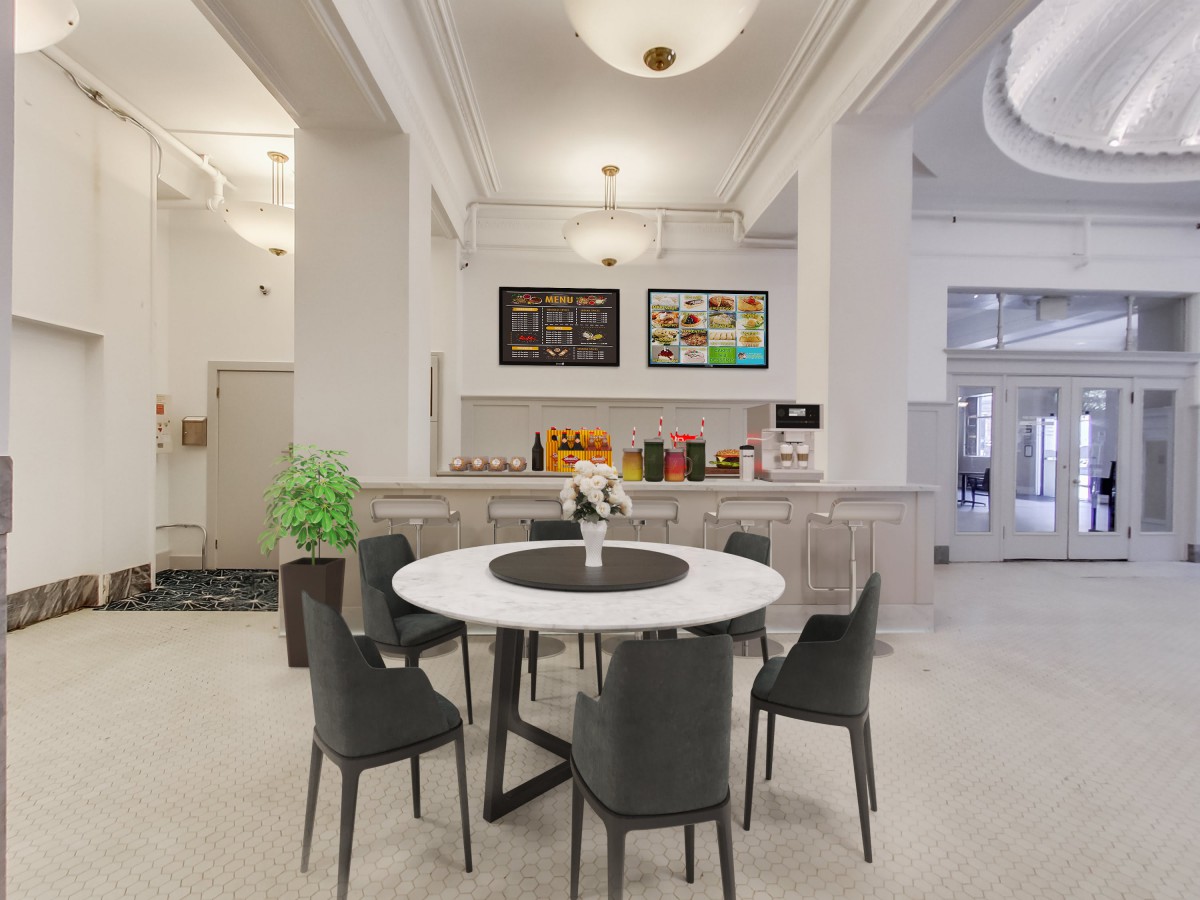
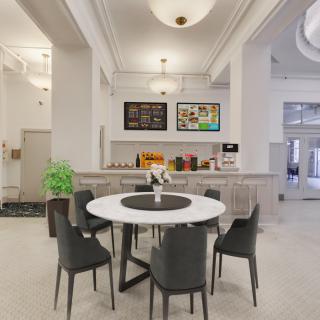
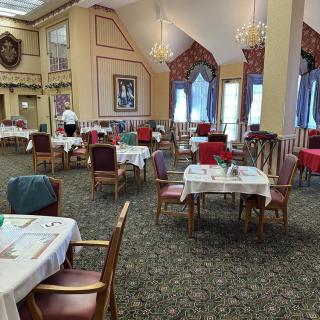
Food shows up repeatedly in reviews, with some residents describing the meals as good and satisfying, including comments about nutrition and meal quality. Others describe the dining setup as more institutional, including a cafeteria-style line, and one review criticizes the preparation and presentation. The community also offers restaurant-style dining and meal services, which aligns with how often meals are discussed in resident feedback.
common6 reviews mention this
Staff experiences are mixed
Resident feedback on staff ranges from helpful to unacceptable.
Some residents say the staff were great and that staff members were professional and helpful. Others report very poor experiences, including claims of minimal effort, slow repairs, or being treated unfairly. Overall, the reviews suggest the staff experience depends on who residents interact with and what support they need at the time.
caveat3 reviews mention this
Rooms and bathrooms vary by setup
Room and bathroom arrangements can be a drawback for some residents.
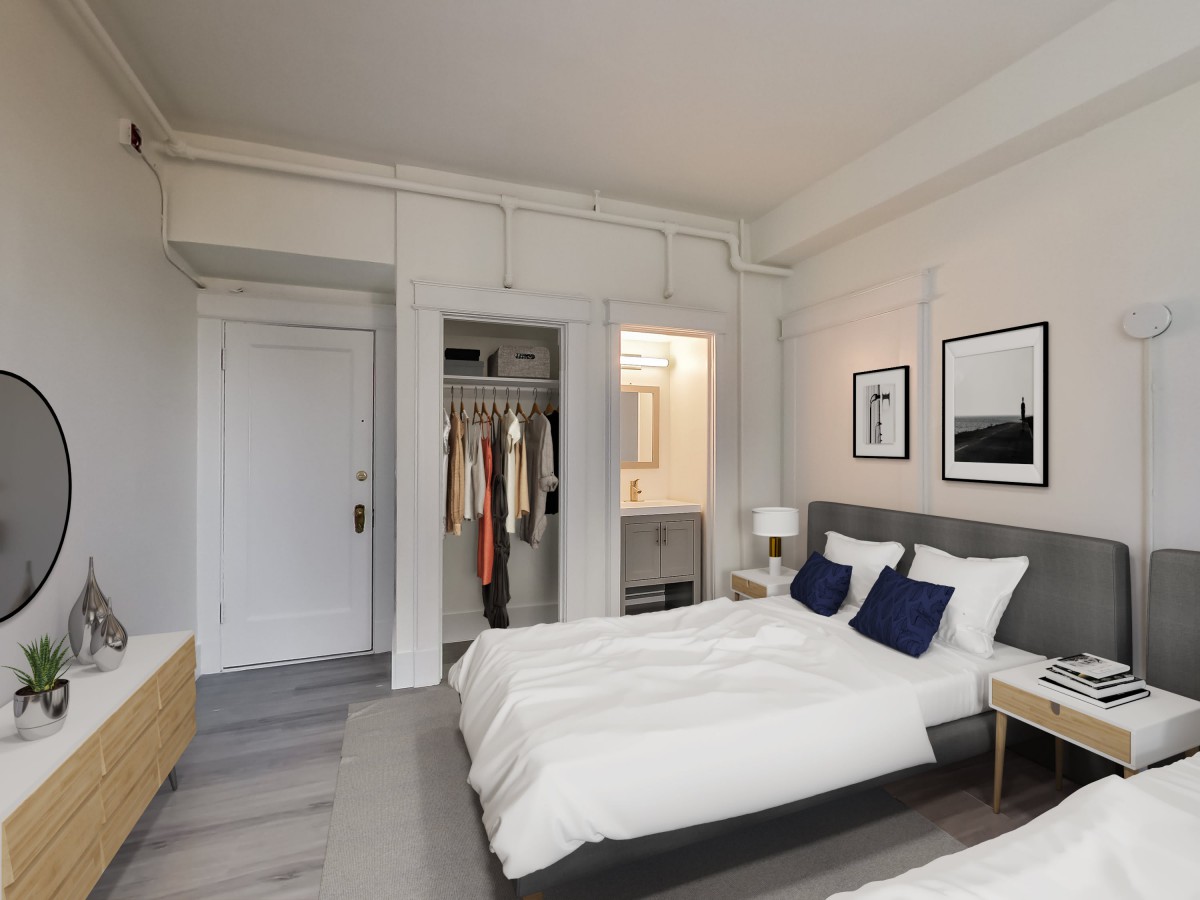
Several reviews describe the housing as not having the most straightforward private-bath setup, including comments about bathrooms not being in the room and shared bathroom arrangements. Other residents mention room differences, such as larger spaces with features like showers, while still calling out the overall old-building feel. For people who want a specific bathroom arrangement, reviews and the room offering information suggest choices may come with tradeoffs.
caveat5 reviews mention this
Low cost helps, but rent can vary
Pricing is often described as low, but rent fairness comes up.
Many reviews emphasize affordability, including statements that it is cheap or that people can move in more easily because of lower costs. At the same time, at least one review says the monthly rent is above market value for them, and another suggests the only good part is that the stay is subsidized for certain residents. Pricing may therefore feel like a major benefit for some, while others see it differently.
common2 reviews mention this
Activities can be limited by scheduling
Activities are available, but reviews mention gaps in planning.
Some residents say there are activities that help keep people social and engaged. Another review specifically points to a lack of an events calendar for residents, suggesting activity details and scheduling may not always be communicated clearly. The community lists both on-site and off-site activities, which fits the idea that activities exist but may vary in how smoothly they’re organized.
How we summarize
Counts show how many written reviews mention each theme; a review can touch several themes, and only frequently mentioned themes are displayed.
Features
Types of Care
Independent Living
Amenities
Activities off-site
Activities on-site
Bath tubs
Indoor common areas
Wheelchair accessible showers
Transportation
Metropolitan Oakland International (12 miles away)
San Francisco International (12 miles away)
Dining
Anytime dining
Meals provided
Restaurant style dining
Activities
Activities off-site
Activities on-site
Nearby Places of Interest
This part of San Francisco, California offers a convenient and vibrant urban lifestyle while also providing access to essential amenities for senior living. With several pharmacies in close proximity, obtaining medications and healthcare essentials is easily accessible. The area is also surrounded by beautiful parks such as Huntington Park and Lafayette Park, offering opportunities for outdoor recreation and relaxation. Additionally, there are a variety of restaurants and cafes nearby, providing diverse dining options. For entertainment, there are theaters like AMC Metreon 16 within reasonable distance. Transportation is readily available with the San Francisco Caltrain Station just 1.5 miles away, making it easy to explore the city or visit loved ones. Overall, this neighborhood provides a well-rounded environment with everything seniors may need for a comfortable and enjoyable retirement lifestyle.
The Granada offers a competitive monthly rental rate for its studio apartments at $2,100, significantly lower than the average costs in San Francisco County, which stands at approximately $7,708 per month. When compared to the broader California market, where studio apartments average around $4,145, The Granada presents an appealing option for those seeking affordability without sacrificing quality. This positioning not only highlights The Granada's value in a high-demand area but also makes it an attractive choice for individuals and families looking to balance cost and lifestyle.
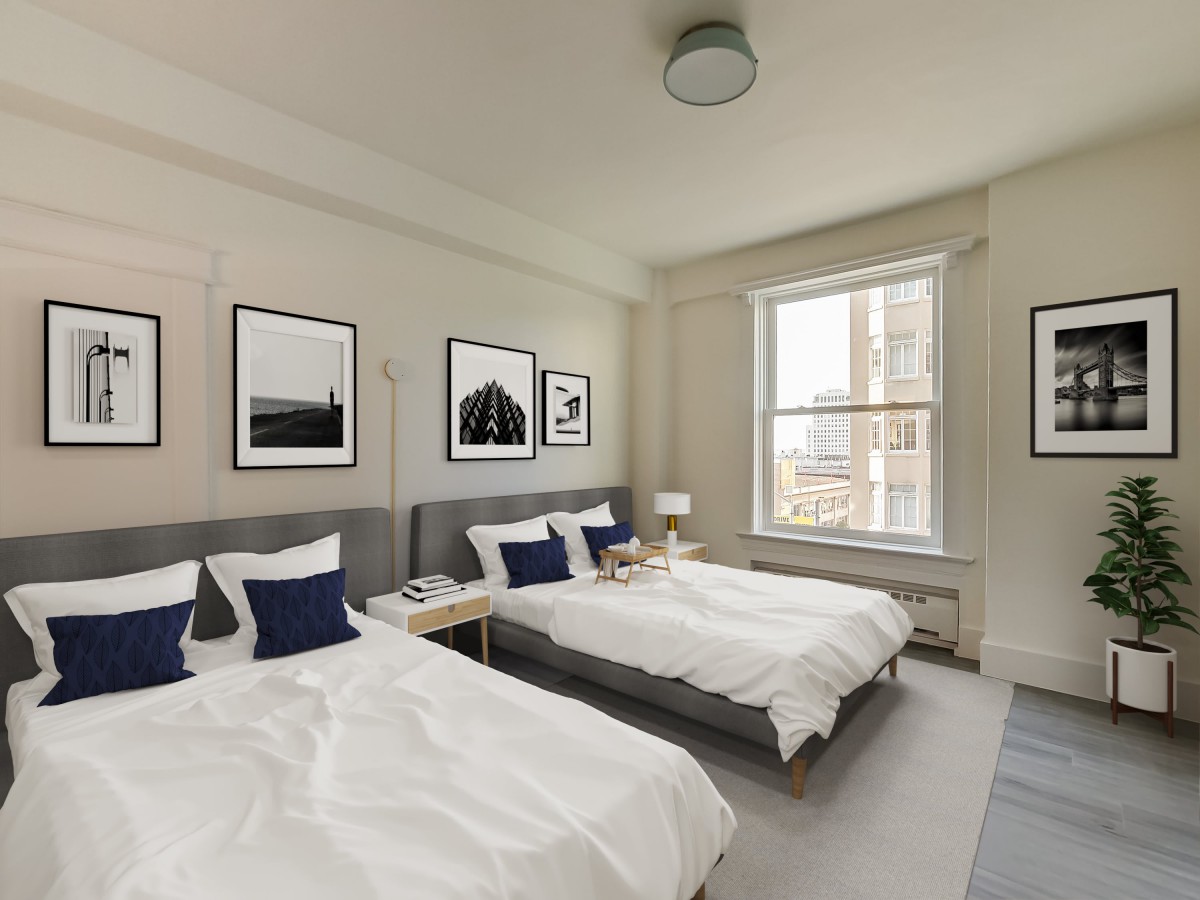
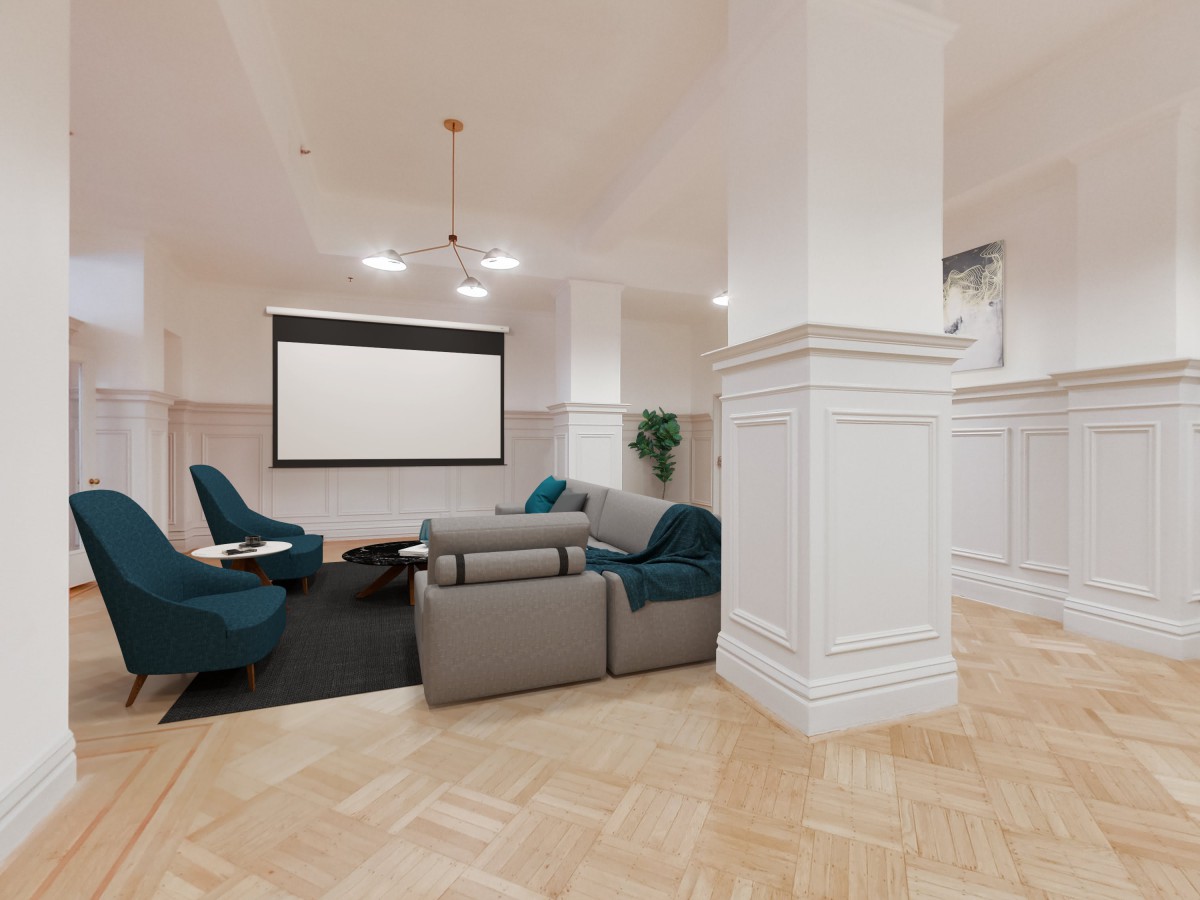
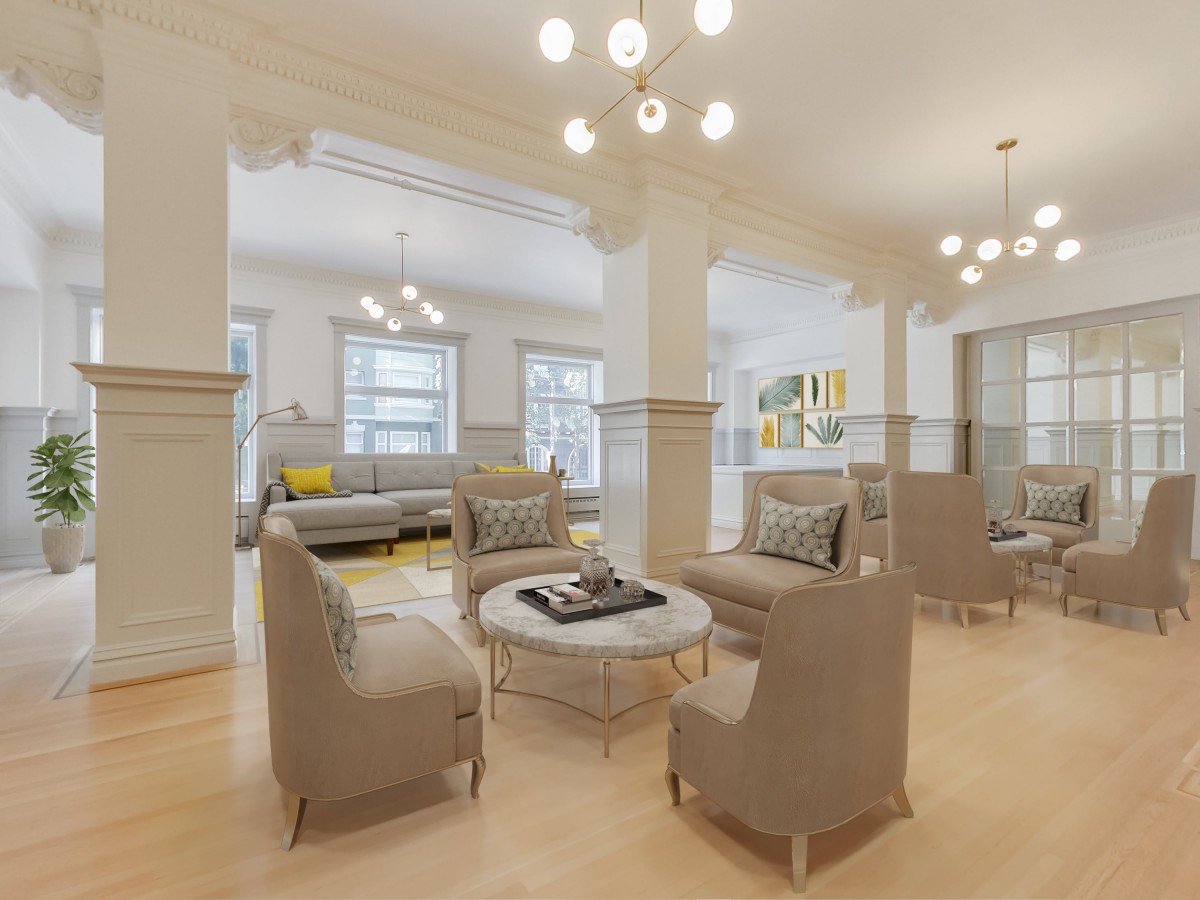
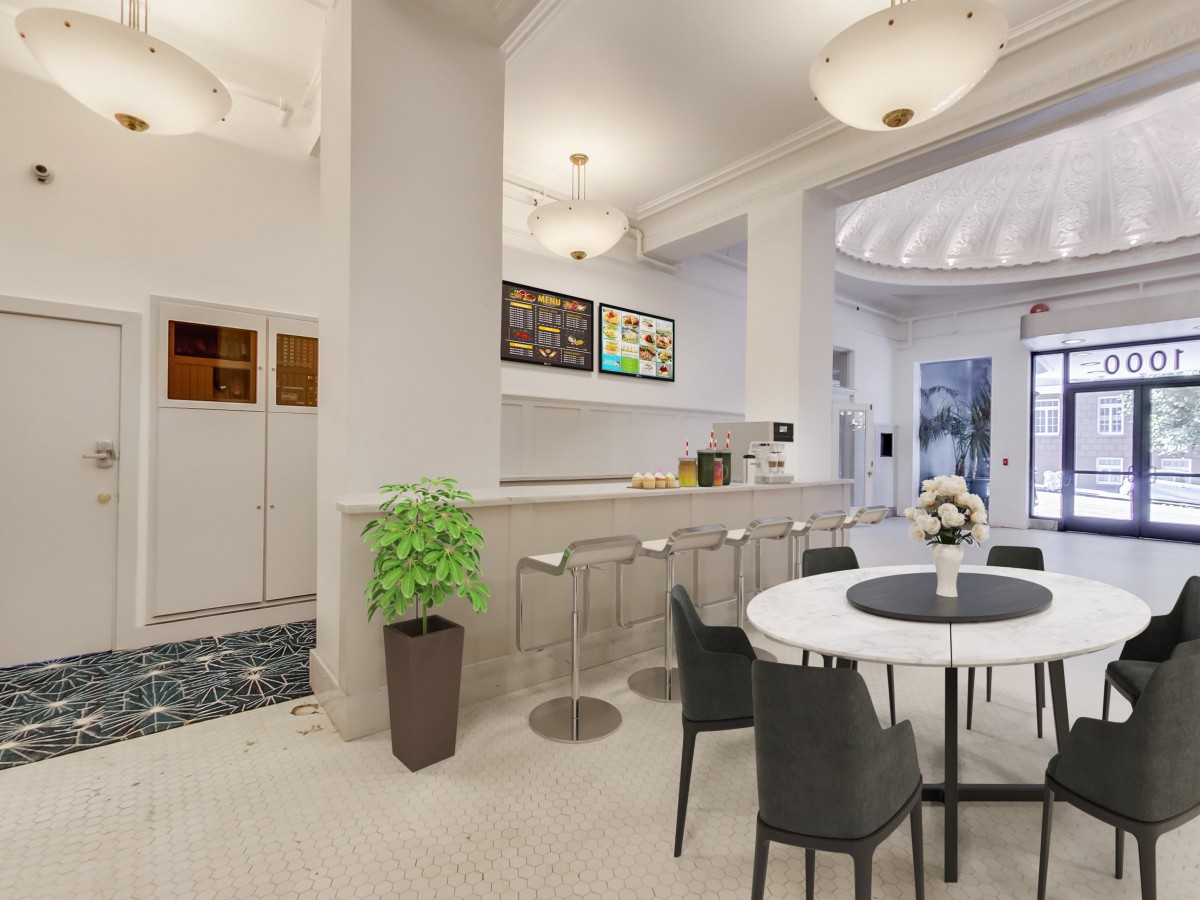
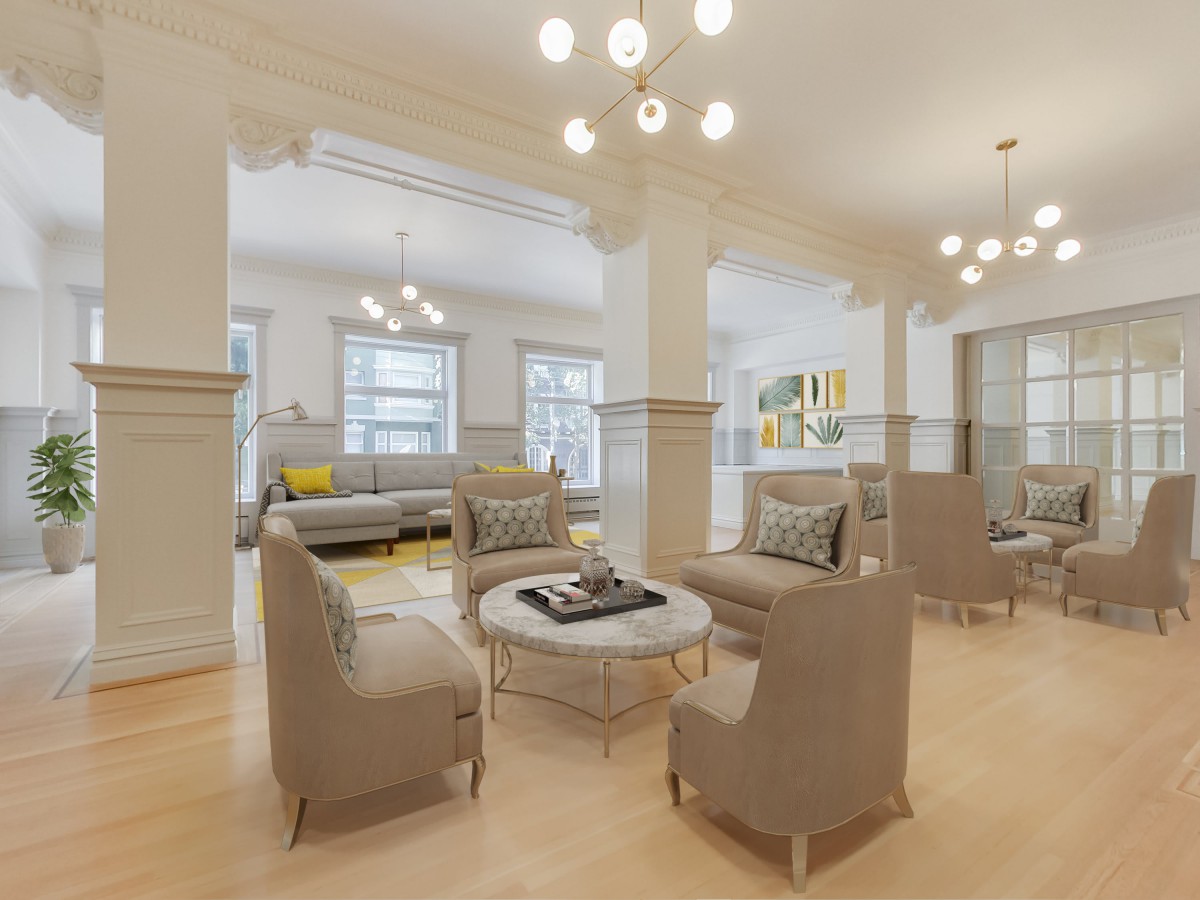
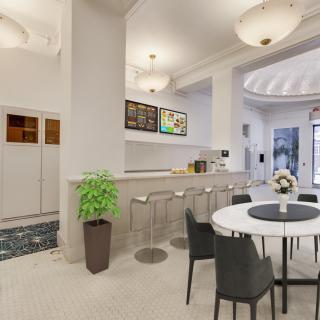
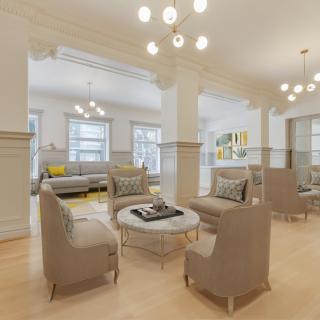
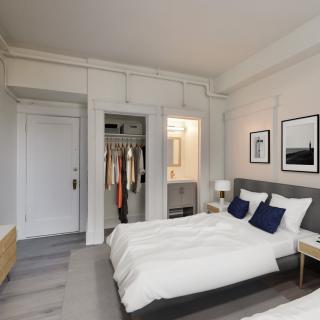
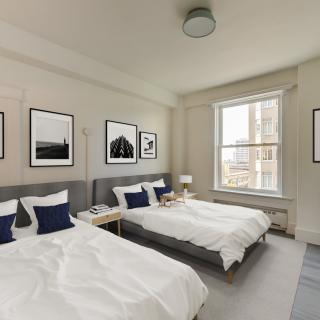
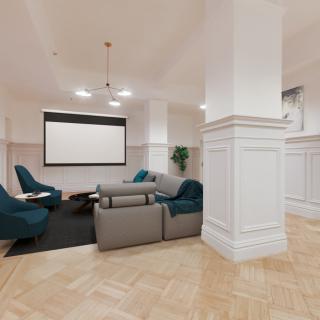
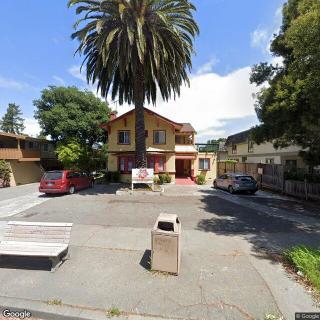
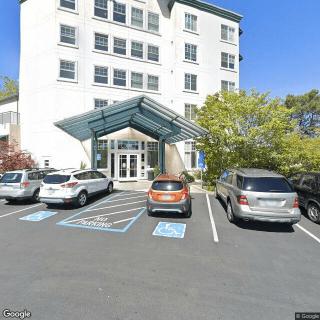
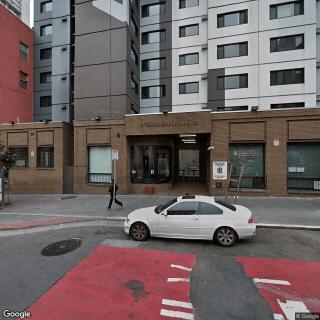
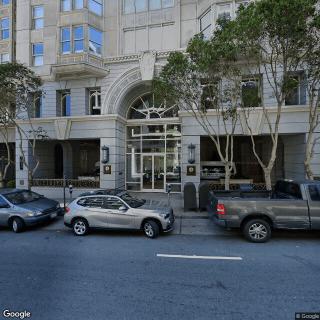
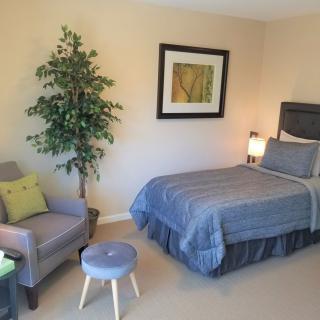
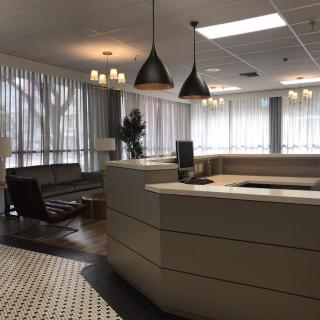
The Granada on seniors.fyi includes 8 photos including images showing interior, decor, bedroom, living room, seating area, table and chairs, lighting, kitchenette, and more.
Nearby Communities
Mayflower Hotel Apartment
San Francisco, CA
4.4 from 120 reviews
Prime SF location with abundant nearby dining, parks, and healthcare options.
Home Instead - San Francisco, CA
San Francisco, CA
4.5 from 41 reviews
Effective dementia-care with trained, screened caregivers.
O'Farrell Towers
San Francisco, CA
5 from 3 reviews
Vibrant, active community in central San Francisco with abundant nearby dining, parks, and healthcare resources.
San Francisco Towers
San Francisco, CA
4.4 from 24 reviews
Elegant, upscale setting with spacious apartments, extensive activities, excellent dining, and attentive staff.
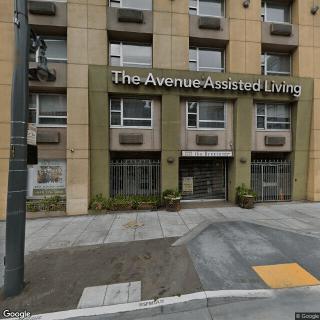
The Avenue
San Francisco, CA
4.3 from 7 reviews
$3,500 to $4,350 / month
Attentive, respectful staff in an upscale, hotel-like setting with extensive activities and dining.
Anticipatory grief is an emotional response to the impending loss of a loved one, characterized by complex emotions such as sadness and anger, and involves navigating stages similar to those identified by Kübler-Ross. Coping strategies are vital for managing this process, emphasizing compassionate communication, self-care, and support groups while recognizing the cultural influences on grieving.
Adult day care programs offer essential support and activities for older adults, yet many hesitate to participate due to concerns about independence and stigma. To alleviate these apprehensions, families should facilitate open discussions, explore financial resources, suggest trial visits, and collaborate with healthcare providers to highlight the benefits of such services for both the participants and their caregivers.
Living wills and advance directives are crucial legal documents that outline an individual's healthcare preferences when they cannot make decisions themselves, enhancing patient autonomy and alleviating family stress during medical crises. The article emphasizes the need for these documents to be personalized, legally valid, and regularly updated, while also encouraging communication about end-of-life wishes among family members and healthcare providers.
Get PricingAsk A QuestionSchedule A TourContact Senior Advisor
By clicking submit, you agree to our Partner's Terms of Use. You
also consent to receive calls and texts, which may be autodialed, from our Partner. Your consent is not a condition to
using our Partner's service. Please visit our Partner's Privacy Policy for information about their privacy practices.


 Independent Living
 Activities off-site
 Bath tubs
 Indoor common areas
 Wheelchair accessible showers
 Metropolitan Oakland International (12 miles away)
 Anytime dining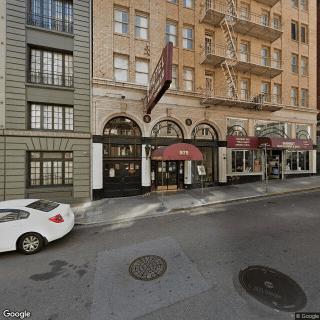
 Prime SF location with abundant nearby dining, parks, and healthcare options.


 Recognizing the Journey: Understanding and Navigating Anticipatory Grief
 Encouraging Participation in Adult Day Care: A Guide to Supporting a Hesitant Parent
 Comprehensive Exploration of Living Wills and Other Advance Directives