








1108 Birch Street, Douglas, WY 82633
For more information about senior living options: (866) 208-4318
Overall Review of Douglas Care Center
Pros
 Residents feel they are treated very well and that all of their needs are taken care of.
- The facility feels like a family away from home, with a sense that everyone is family.
- The facility has a great team that truly cares about residents and staff and is doing excellent things.
- Some reviewers consider it the best nursing home in Wyoming.
- The staff give five-star attention to patients and their families.
- The care provided is excellent during very hard times.
- Most of the staff are awesome and caring.
Cons
 They claim no one can rehab if they don't get therapy every day and are left sitting in a wheelchair all day.
- They warn that sending a loved one there would be watching them die.
- They describe the facility as understaffed with rude, unqualified staff who mistreat seniors.
- They report their mother was dropped three times during moves, moved roughly, and bled.
- They say the room, bedding, and clothes were dirty.
- They state that no one should take anyone there and would not recommend it, calling it the worst place and that they'd trust two monkeys more with a loved one's life.
Review
Douglas Care Center is best suited for families prioritizing a warm, family-like atmosphere where residents receive personal attention and caregivers show genuine, day-to-day care. When the operation runs smoothly, this community feels like a small, supportive extended family, staff members remember names, engage residents in conversation, and tailor routines to individual preferences. The strongest advocate experiences come from the nursing and therapy teams that residents and families praise for competence and compassion, and from a noticeable ownership shift that some consider a meaningful improvement in how residents are treated and supported. For families who value connection, warmth, and a visible effort to keep residents engaged, Douglas Care Center can be a solid choice.
There are clear reasons to consider alternatives, however. If reliability and consistency in staffing are non-negotiables, this facility can feel volatile, as mixed reviews indicate. Some families confront reports of understaffing, unqualified help, and shortcuts that affect daily life, ranging from room cleanliness to the way moves are handled. The most troubling feedback centers on safety during transfers and on cleanliness issues, including incidents that left a resident injured or visibly uncomfortable. For anyone who cannot tolerate episodes of staff turnover, perceived disrespect, or shoddy housekeeping, a different community with firmer oversight and steadier staffing is worth exploring. Prospective residents should weigh the warmth of the culture against these operational risks.
The strongest positives here, attention to residents, staff who genuinely care, and improvements attributed to new ownership, do carry weight, and they can meaningfully offset concerns when present. Families report that caregivers provide attentive, empathetic care and that the facility’s leadership is responsive to feedback. The nursing and therapy teams receive frequent praise for expertise and dedication, suggesting that when staffing levels are adequate and the team is cohesive, the quality of life and progress for residents can be meaningful. This means the pros aren’t hypothetical: they translate into real benefits in daily life, social interaction, and rehab potential, especially for residents who thrive under personal attention and a steady, supportive routine.
Where rehab and daily activity hang in the balance is a critical variable. Several reviewers cite therapy as a cornerstone of progress, yet others portray rehab as inconsistent or insufficient if daily therapy isn’t guaranteed. Phrasings about “therapy every day” highlight the assumption that vigorous, regular rehabilitation is essential for meaningful improvement, while conflicting experiences imply that program delivery may swing with staffing realities. Families should not assume a fixed rehab model is in place; instead, demand a concrete schedule, module options, and a clear plan for progression. The bottom-line question: will the resident receive the level of therapy that matches their goals, every day, across the entire stay?
Housing and daily environment reflect a similar duality. On the one hand, residents describe a homey, welcoming culture, with care that emphasizes comfort, personal connections, and a sense of belonging. On the other hand, scrutiny falls on cleanliness, room maintenance, and safety during transitions. There are accounts of clean rooms and respectful, supportive staff, but there are equally grave warnings about dirty bedding, rooms not being kept up, and injuries during moves. This irregularity matters: a clean, well-maintained environment contributes to overall wellbeing and reduces infection risk, while gaps here can undermine trust and satisfaction. Families should plan a thorough on-site evaluation, focusing on room condition, housekeeping routines, and the handling of resident transfers.
The practical takeaway for decision-makers is concrete and actionable. Begin with a deliberate site visit that spans multiple shifts, not just a single tour, and request to speak with the nurse manager or administrator about current staffing ratios, retention, and turnover. Verify the therapy program: how many days per week, exact hours, and a written rehabilitation plan with measurable goals. Inspect a few resident rooms for cleanliness, noise levels, and safety features, and ask to see how lifting and moves are performed, including any recent incident reports. Speak with current residents and families to gauge consistency of care across days and weeks, not just moments of peak performance. Finally, align the choice with the family’s risk tolerance: if warmth and personalized attention are non-negotiable and the potential for staffing inconsistency is acceptable, Douglas Care Center can be a compelling fit; if unwavering reliability and pristine operational standards are paramount, it may be prudent to explore other options and compare what guarantees exist regarding staffing, cleanliness, and rehab consistency.
 60 resident community capacity
 Assisted Living
 Skilled Nursing Facility
 Air-conditioning
 Beauty salon
 Cable or satellite TV
 Computer center
 Dining room
 Fitness room
 Fully furnished
 Gaming room
 Garden
 Housekeeping services
 Kitchenette
 Move-in coordination
 Outdoor space
 Private bathrooms
 Restaurant-style dining
 Small library
 Telephone
 Wellness center
 Wi-Fi/high-speed internet available
 Community operated transportation
 24-hour call system
 Activities of daily living assistance
 Assistance with bathing
 Assistance with dressing
 Assistance with transfers
 Diabetes diet
 Medication management
 Special dietary restrictions
 Concierge services
 Planned day trips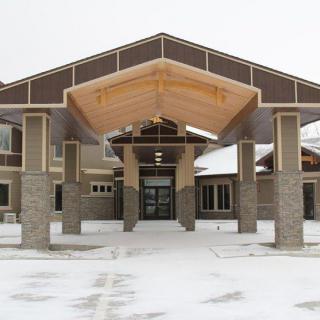
 Assisted Living and Memory Care: Understanding Their Core Differences
 Beyond the Bingo Hall: 50+ Enriching Activities for Seniors in Assisted Living
 Understanding the Distinctions: Assisted Living and Memory Care Explained