153 Doyle Child Circle, Afton, WY 83110
For more information about senior living options: (866) 208-4318
Beyond Home Assisted Living Costs & Pricing
Beyond Home Assisted Living offers competitive pricing for its services, with a monthly cost of $3,000 for a one-bedroom unit. This pricing aligns closely with the average costs in Lincoln County, which also stand at $3,000 per month, highlighting the affordability of this option for local residents. In contrast, when looking at the broader state level, particularly throughout Wyoming, the average monthly rate for similar accommodations is higher at approximately $3,890. This positioning not only emphasizes Beyond Home Assisted Living's value within the county but also suggests potential savings for families seeking quality assisted living care in comparison to other facilities in the state.
| Floor plans | Beyond Home Assisted Living | Lincoln County | Wyoming |
|---|---|---|---|
| 1 Bedroom | $3,000 | $3,000 | $3,890 |
Overall Review of Beyond Home Assisted Living
Pros
 They had a very pleasant experience.
- The staff is very helpful and the atmosphere is very pleasant.
- They would definitely recommend Beyond Home to anyone looking for assisted living for themselves or a loved one.
- The facility is clean and comfortable, and the staff is friendly and attentive.
- It is a great facility.
- It is clean with a friendly staff.
- It provides a very nice environment to be in.
Cons
 The company needs an overhaul.
- It is not running correctly, as stated by the State of Wyoming.
- It puts people's health at risk.
- There are problems with staff, extremely unhealthy meals, and it does not listen to patients, putting overall health at risk.
Review
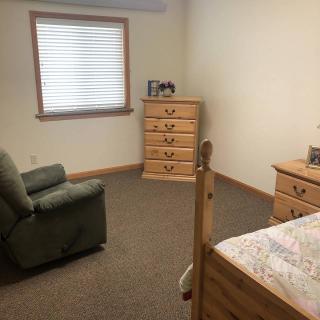
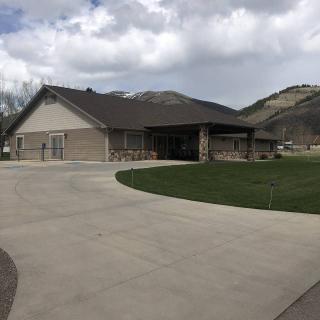
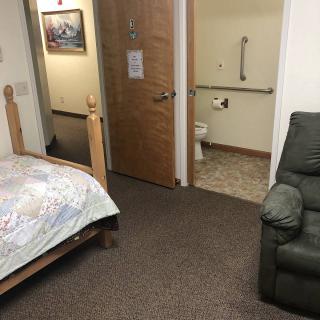
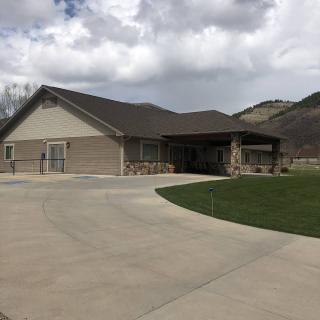
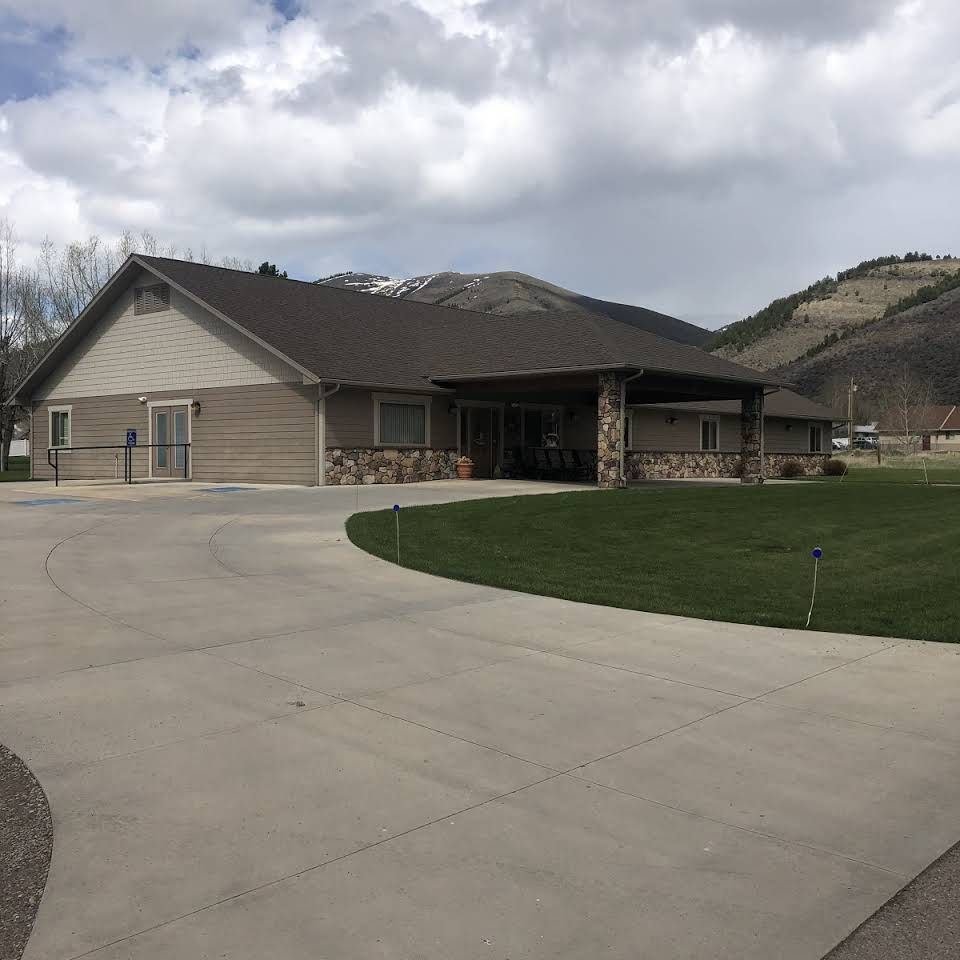
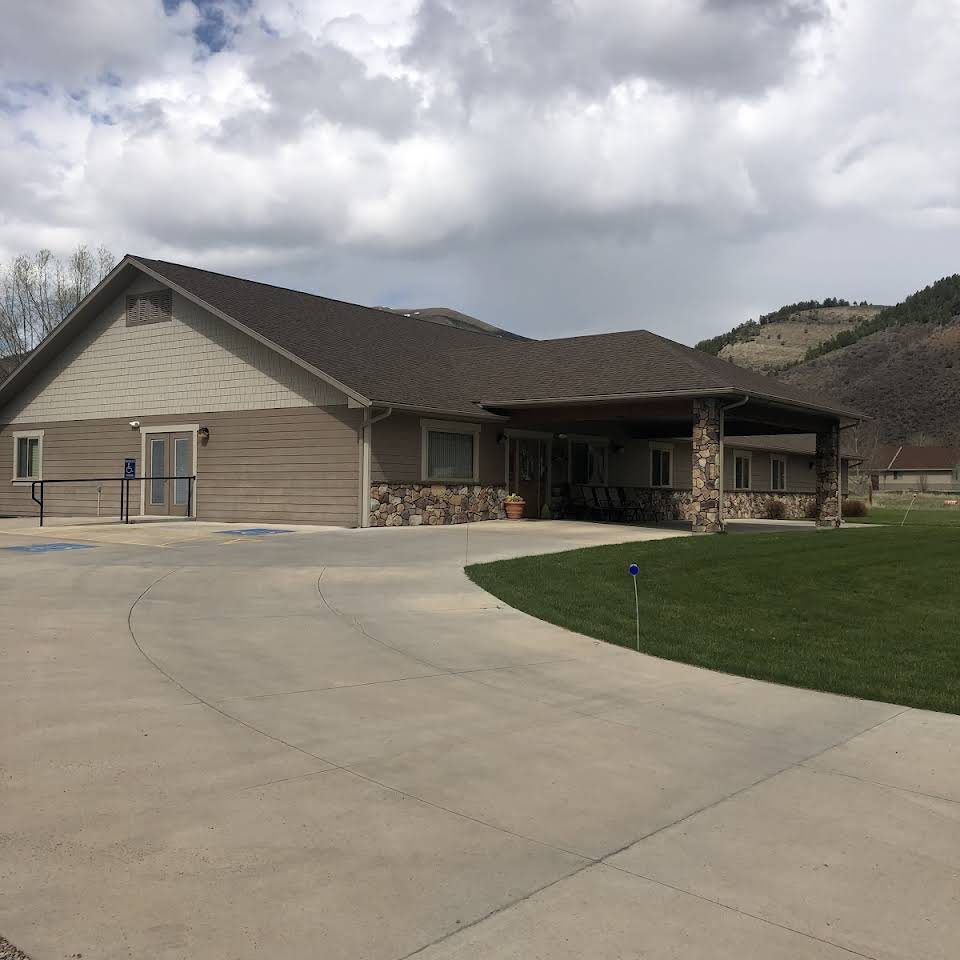
Beyond Home Assisted Living in Afton, Wyoming is best suited for seniors who value a warm, home-like environment, a clean and comfortable setting, and a staff that is consistently described as helpful and attentive. The community tends to appeal to families and residents who want daily life to feel uncomplicated, with friendly interactions, approachable caregivers, and a quiet, small-town atmosphere. For someone who prioritizes personal touches, accessible staff, and a pleasant overall vibe over formal medical rigors, this facility checks those boxes and can support a smooth, transitional experience.
There are clear reasons to consider alternatives. Families with substantial medical needs or those seeking strong regulatory assurances may want to look elsewhere, given reports that suggest governance or operational concerns in the past. A review pointing to health-related risks, staff performance issues, and subpar meal quality signals that oversight and consistency may be uneven. In addition, a couple of low ratings raise questions about whether the level of attentiveness and responsiveness meets every resident’s standards. For anyone who cannot compromise on medically directed programming, rigorous dietary oversight, or consistently proactive problem-solving, exploring other options is prudent.
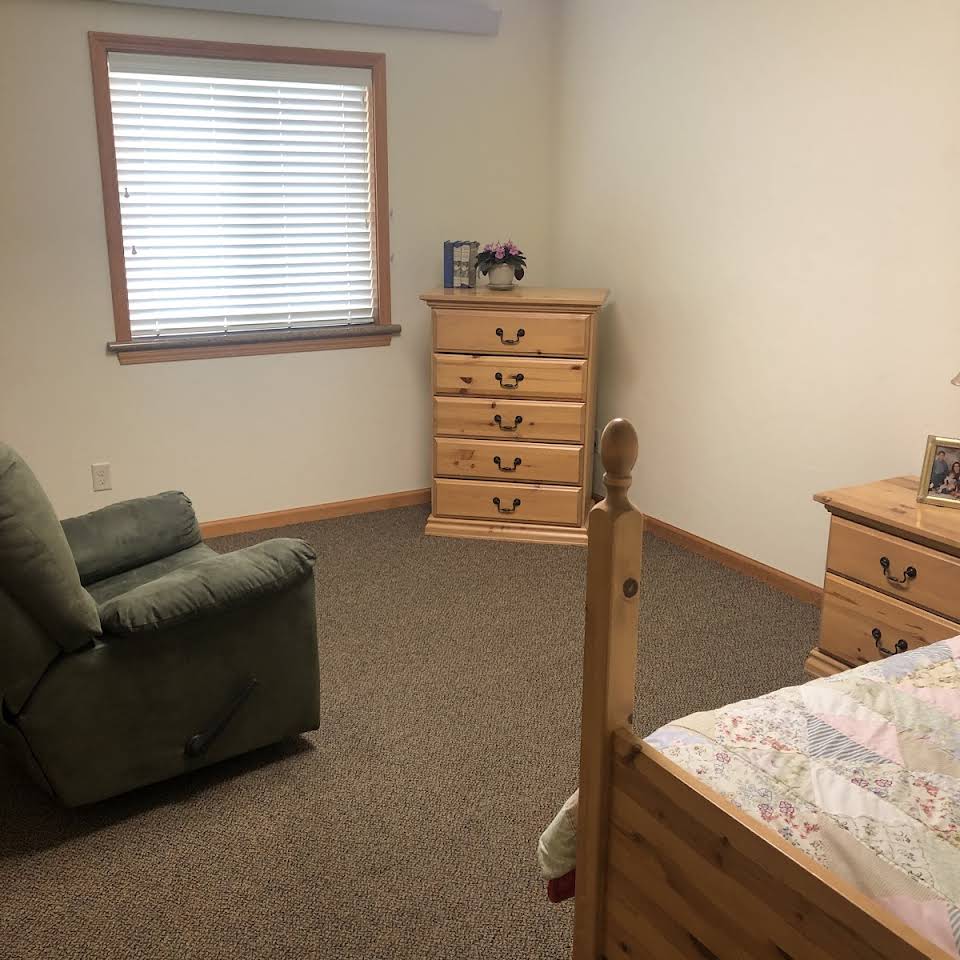
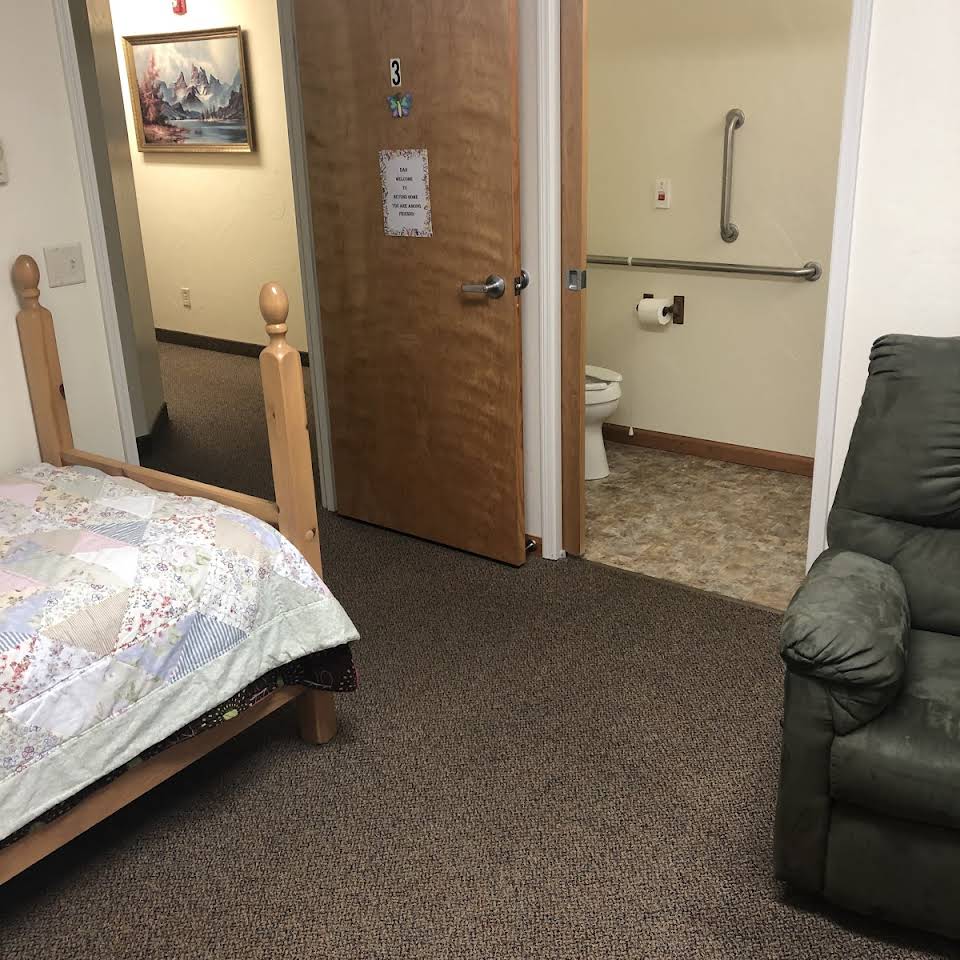
On the positive side, the most frequently cited strengths center on daily livability. The facility is described as clean and comfortable, with a atmosphere that feels inviting and a staff that is friendly and attentive. In practical terms, this translates into predictable routines, approachable caregivers for day-to-day concerns, and a dining or social environment that feels comfortable rather than clinical. When a resident simply needs dependable companionship, reliable housekeeping, and easy access to assistance, those elements offer real value and can make the difference between a stressful day and a manageable one.
The most significant caveat lies in the concerns raised about operations and health safeguards. One review argues that the operation was not running as stated by the State of Wyoming, implying potential gaps in governance and risk management. There are also mentions of unhealthy meals and a lack of listening to residents, which, if accurate or persistent, can erode trust and diminish quality of life over time. These are not minor footnotes; they point to systemic questions about how care plans are executed, how dietary standards are upheld, and how responsive the staff will be when concerns arise. Weighing these risks against the positive day-to-day experiences is essential.
Ultimately, the pros and cons must be weighed against the family’s priorities. If a warm, personable environment and a clean, friendly setting are the top priorities, and the family is prepared to conduct careful due diligence on governance and meal quality, Beyond Home Assisted Living offers a compelling option in a small-community context. However, for families requiring strong, demonstrable oversight, consistently high-caliber meals, and a track record of responsive problem-solving, alternatives should be actively considered. Prospective residents should request a candid tour, review current staffing ratios, ask for the latest state inspection notes, sample a menu, and observe a mealtime to verify that the care and dining practices align with expectations. In the end, the decision rests on whether the day-to-day warmth and comfort can be sustained by reliable operations and transparent, proactive management.
 13 resident community capacity
 Assisted Living
 Activities on-site
 Cable or satellite TV
 Devotional services off-site
 Dining room
 Fully furnished
 Garden
 Housekeeping services
 Indoor common areas
 Move-in coordination
 Outdoor space
 Telephone
 Wi-Fi/high-speed internet available
 24-hour supervision
 Ambulatory care
 Assistance with bathing
 Assistance with dressing
 Assistance with transfers
 Diabetes diet
 Meal preparation and service
 Medication management
 Special dietary restrictions
 Transportation arrangement (medical)
 Transportation to doctors appointments


 Understanding the Distinctions: Assisted Living and Memory Care Explained
 Guiding Elderly Parents Who Refuse Assisted Living: 6 Practical Steps
 Your Comprehensive Guide to Luxury Assisted Living: Elevated Facilities, Amenities, and Costs