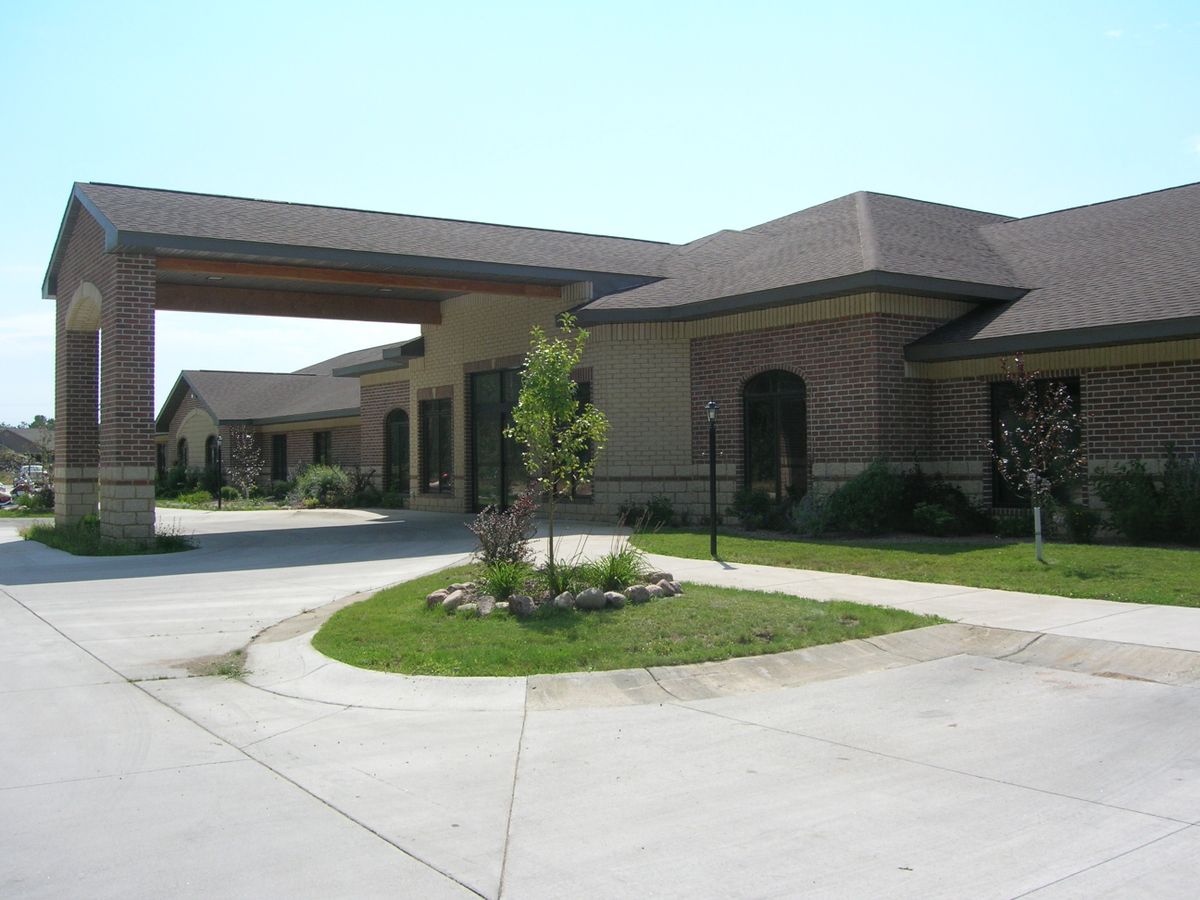
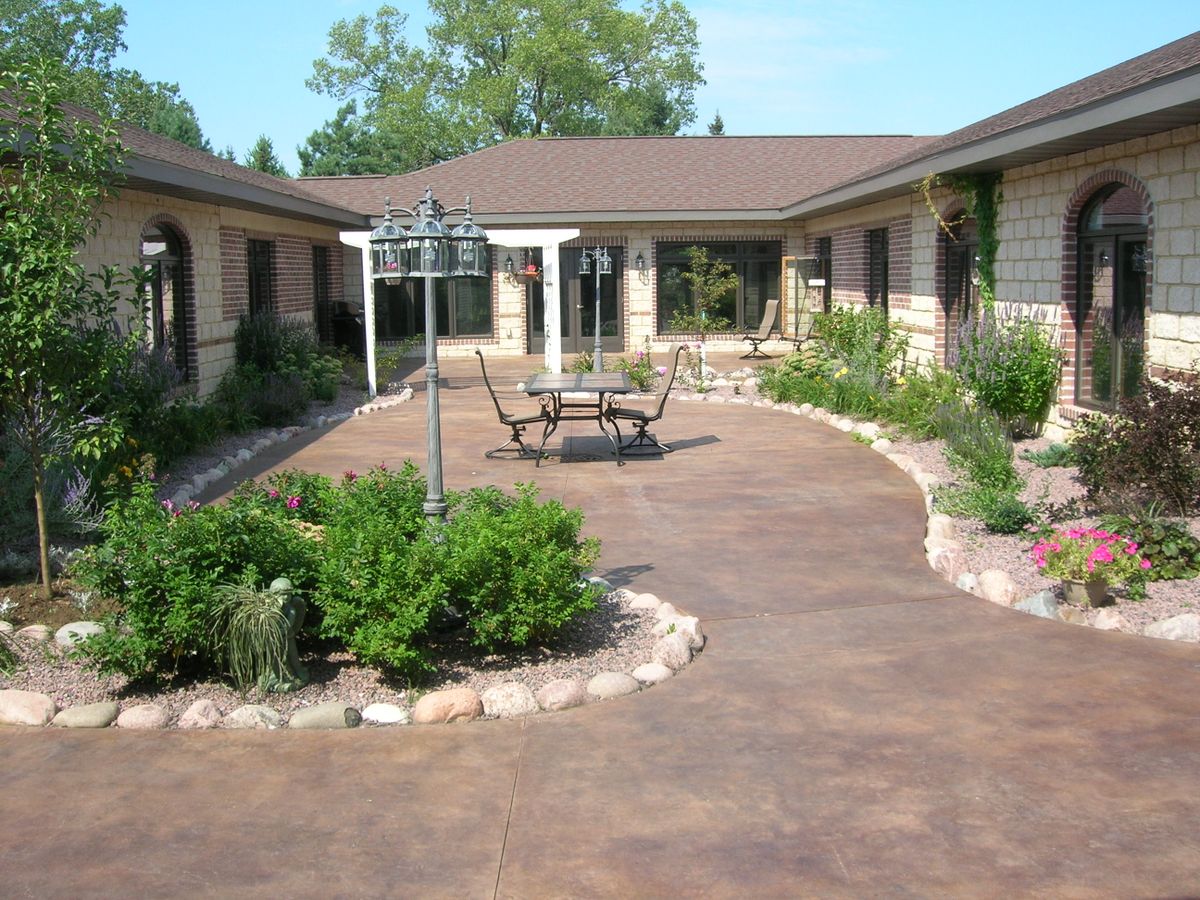
3750 Blue Violet Lane, Wisconsin Rapids, WI 54494
For more information about senior living options: (866) 208-4318
Arborview Court Costs & Pricing
Arborview Court offers a studio living arrangement at a monthly rate of $3,950, which positions it slightly above the average for Wood County, where the cost is approximately $3,884. When compared to the broader state of Wisconsin, Arborview Court remains competitive, as the statewide average for similar accommodations hovers around $3,999. This pricing reflects Arborview Court's commitment to providing quality care and comfortable living conditions while remaining mindful of regional market rates. Residents can expect not only a well-maintained environment but also personalized services that enhance their overall experience.
| Floor plans | Arborview Court | Wood County | Wisconsin |
|---|---|---|---|
| Studio | $3,950 | $3,884 | $3,999 |
Memory care communities with a similar price nearby
-
About the same
Sylvan Crossings of Stevens Point
$3,923 / month17.8 miles away -
from -$600 / mo
North Ridge
$3,350 / month17.7 miles away -
from -$600 / mo
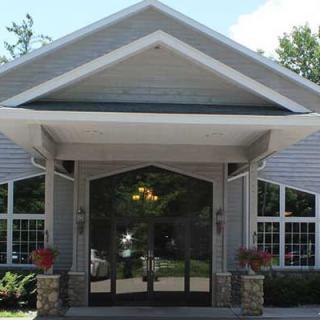
North Crest
$3,350 / month17.8 miles away -
from -$600 / mo
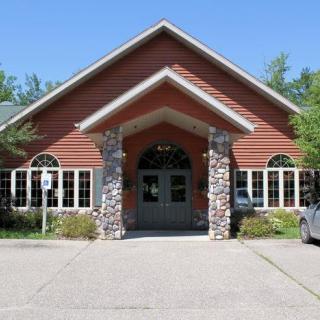
North Haven
$3,350 / month17.8 miles away -
About the same
North Crest/North Haven/North Ridge
$3,850 / month17.7 miles away
Overall Review of Arborview Court
Pros
 Arborview Court is a nice place.
- The tour guide was knowledgeable and friendly.
- Residents and staff are friendly.
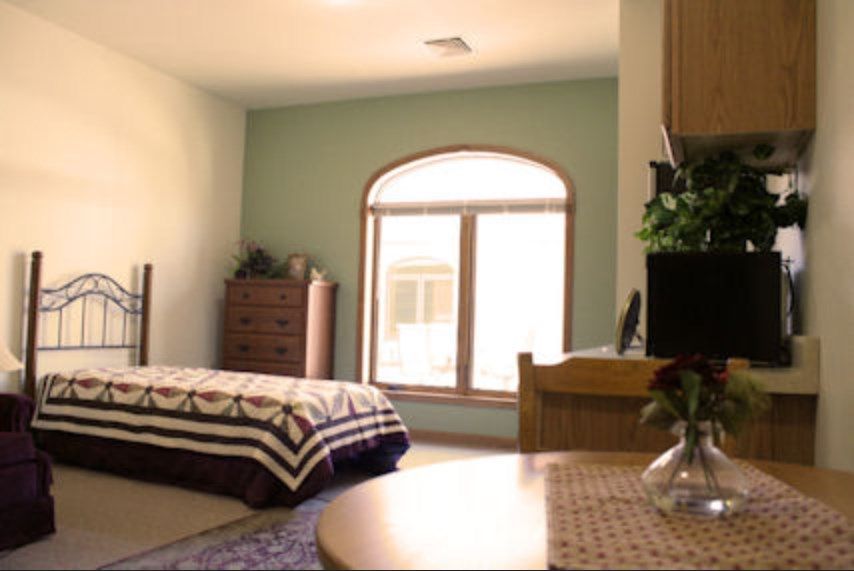
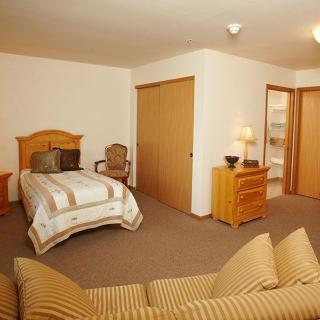
- The rooms are pretty nice.
- There are many books for residents and pleasant outdoor spaces with birds.
- The activity board shows a full list of activities.
- The facility is clean and well maintained.
- Arborview Court provides a safe and secure residence that supports a high quality of life for residents living with dementia.
Cons
 Some spots seemed too old and in need of updating, with paint that needed fixing.
- One caregiver had a rough manner that frightened the father-in-law.
- The residents were described as completely helpless to the people put in place to look after their needs.
- Having someone who takes advantage of their position of power creates fear and anxiety in the vulnerable.
- There was one mean and rude staff member.
- Complaints were made, but nothing changed.
Review
Arborview Court is best suited for families seeking a warm, home-like setting where an aging loved one can receive dementia-capable care in a safe, engaging environment. The community shines for residents who value personal connection: friendly, knowledgeable tours, attentive staff, and a daily rhythm built around meals, activities, and social interaction. Rooms are comfortable, and the site offers familiar touches, books, birds, and accessible outdoor areas, that help a resident feel settled. Cleanliness is evident, and the activity calendar appears robust, with plenty of opportunities for companionship and meaningful engagement. For families who want to stay involved and comfortably visit or participate in care planning, Arborview Court can feel like a welcoming extension of home.
Those weighing alternatives should consider how much emphasis is placed on modern decor, consistent staff conduct, and formalized oversight. If a truly contemporary interior or an utterly flawless track record of staff behavior is non-negotiable, or if the resident requires a higher intensity of medical monitoring and strict behavioral management, other options may be preferable. Arborview Court’s aging areas, paint and fixtures in need of updating, could pose a concern for those who prioritize a recently refreshed environment. Additionally, any scenario where a resident’s safety hinges on uniformly exemplary staff interactions may merit closer scrutiny and comparison with other communities.
On balance, the strengths of Arborview Court appear to offset the drawbacks through several core advantages. The residence delivers genuine warmth and a sense of community, with staff that many families characterize as kind, caring, and approachable. The ability to visit freely and to involve family in appointments or outings contributes substantially to ongoing quality of life for loved ones who might otherwise feel isolated. The home atmosphere, combined with structured activities and accessible outdoor spaces, helps keep residents engaged and connected, which is particularly valuable for dementia care. When these positives align with a transparent, responsive management style, the inherent strengths can outweigh the dated décor.
Where concerns do arise, they tend to revolve around consistency in staff interactions and the need for firmer oversight. A single caregiver’s rough manner can create fear and anxiety in vulnerable residents, underscoring the necessity for ongoing staff supervision, clear behavioral policy enforcement, and prompt responses to family feedback. The presence of at least one negative experience should not be dismissed; it signals a real risk if left unaddressed. However, the broader pattern, numerous friendly caregivers and a culture of open dialogue, suggests a workable framework so long as leadership remains vigilant, implements corrective action, and maintains open lines of communication with families.
For dementia-focused care, Arborview Court demonstrates tangible value. Families report a facility that feels like home, with meals and daily activities that sustain dignity and predictability. The opportunity to maintain oversight of medical appointments and to supplement care with external day programs further enhances quality of life for residents who can no longer manage independently. The testimonials from multiple families reflect gratitude for staff who bring cheerfulness and compassion into daily routines, which can make a meaningful difference in a resident’s experience. In short, if the priority is a supportive, engaging setting where family involvement is welcomed and safety is emphasized, Arborview Court earns serious consideration.
Practical next steps involve a targeted visit focused on process as well as place. Prospective families should meet the administrator, request to observe staff-resident interactions, and inquire about staff training, turnover, and oversight protocols. Ask to review recent activity calendars, dining options, and a plan for addressing any resident behavioral concerns. Confirm policies around resident outings and family participation, ensuring the home-like atmosphere does not compromise safety. Located on Whitrock Avenue, near major local landmarks, Arborview Court is convenient to family members who want regular access without sacrificing a reassuring sense of home. If these align with priorities, Arborview Court can be a strong match; if not, it’s wise to explore alternatives that better align with the desired level of decor, oversight, and intensity of care.
 54 resident community capacity
 Studio apartments
 Assisted Living
 Memory Care
 Respite Care
 Cats allowed
 Activities off-site
 Air-conditioning
 Beautician on-site
 Cable or satellite TV
 Computer center
 Devotional services on-site
 Dining room
 Fitness room
 Fully furnished
 Gaming room
 Garden
 Guest parking
 Housekeeping services
 Indoor common areas
 Kitchenette
 Laundry
 Move-in coordination
 Outdoor common areas
 Party space
 Private bathrooms
 Restaurant-style dining
 Small library
 Swimming pool / hot tub
 Telephone
 Wellness center
 Wheelchair accessible showers
 Wi-Fi/high-speed internet available
 Community operated transportation
 12-16 hour nursing
 24-hour call system
 Assistance with bathing
 Assistance with dressing
 Assistance with transfers
 Diabetes diet
 Diabetic care
 High acuity care
 Incontinence care
 Medication management
 Mental wellness program
 Special dietary restrictions
 Arts and crafts
 Concierge services
 Games
Games Live musical performances
 Planned day trips
 Stories

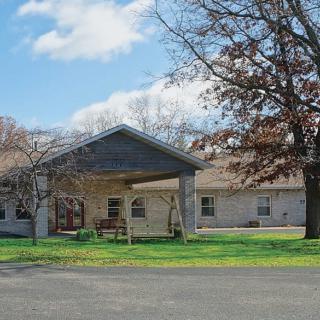

 Understanding Dementia Through Its Seven Stages: A Comprehensive Look at Progression and Expectations
 A Holistic Dementia Care Guide: Effective Strategies for Memory Support
 Memory Care Pathways: A Holistic Guide to Dementia Support