
626 Alyssa Street, Tomah, WI 54660
For more information about senior living options: (866) 208-4318
Overall Review of Modern Living
Pros
 The staff are friendly and caring, and the facility is extremely clean.
- The Close to Home staff are helpful in answering questions and providing information to aid decisions.
- They offer top-notch care with proficiency and kindness.
- The meals are homemade and delicious.
- The rooms are clean and welcoming.
- There are several fun activities for residents.
- Residents are seen enjoying outings on NASA’s pontoon.
- The facility is regarded as one of the best in the area.
Cons
 None detected; the reviews are entirely positive.
Review
Modern Living in Tomah, WI is best suited for seniors who want a warm, home-like environment with clearly attentive staff, immaculate standards, and an engaging daily rhythm. This community fits families seeking reassurance that care is delivered with proficiency and kindness, and that daily life feels welcoming rather than clinical. It is especially appealing to those who value strong cleanliness, comfort-focused housing, and a program of familiar, homemade meals and social activities that keep residents connected to one another and to the surrounding community.
There are obvious alternatives worth considering for residents with needs that tilt toward specialized medical oversight or memory-care expertise, or for families prioritizing price sensitivity or a different care philosophy. If a loved one requires intensive 24/7 clinical nursing, highly specialized dementia programming, or a care model tailored to very specific medical conditions, other communities with dedicated memory-care wings or hospital-like clinical support may be a better fit. Similarly, for those seeking ultra-low-cost options or locations outside the Tomah area, alternative facilities could be more attractive on budget or logistical grounds.
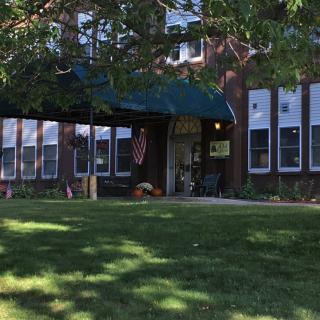
The strongest positives consistently highlighted, friendly and caring staff, exceptional cleanliness, and meals described as homemade and delicious, work in tandem to create a setting that feels both respectful and comfortable. Cleanliness reinforces trust in daily routines, monitoring, and housekeeping, while the staff’s approach to questions and information demonstrates a responsive, family-oriented mindset. The rooms are described as clean and welcoming, which directly supports a sense of autonomy and pride for residents who want to feel at home rather than institutional. Add in a robust activity calendar and regular social opportunities, including community outings like group enjoys on Nasa’s pontoon, and the overall atmosphere becomes something families can depend on for meaningful engagement and predictable routines.
The practical offset of these benefits is clear: a bright, well-maintained environment paired with attentive care translates into less daily stress for families and more independence for residents. When meals are homemade and residents participate in or witness a lively calendar of events, the need for constant external stimulation diminishes. The protracted sense of community, neighbors rolling out for activities, staff answering questions with clarity, and the visible pride in cleanliness, helps families feel confident that their loved one will be treated with dignity and warmth. In short, the core advantages robustly counterbalance common concerns about comfort, engagement, and responsive care, making this a strong contender for most mid- to upper-level assisted-living needs.
Yet the absence of stated drawbacks in the reviewed experiences invites a cautious interpretation. In practical terms, the decision hinges on fit rather than fault-finding: if the priority is a facility with highly specialized medical supervision, extensive memory-care programming, or price-driven options, those needs may require comparison with other communities. For families prioritizing a tight-knit, home-forward atmosphere, Modern Living delivers decisively. The question for decision-makers becomes whether the resident’s medical and cognitive needs can be comfortably managed within the community’s demonstrated strengths, or if the search should broaden to include facilities with explicit memory-care pathways or more intensive clinical staffing.
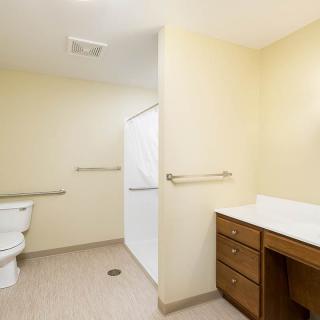
For families evaluating options, concrete steps sharpen the decision: tour the campus and observe interactions between staff and residents; ask about staffing ratios, on-site nursing availability, and how care plans are developed and updated; sample the menu and, if possible, arrange a meal during a visit to assess flavors and portion sizes; review the activity calendar to confirm a sustained cadence of meaningful engagement; and inquire about room configurations, safety features, and accessibility. In addition, verify proximity to home for visit frequency and consider how family schedules align with the community’s programming. These questions reveal not only what Modern Living delivers, but how well it aligns with individual needs and expectations.
Bottom line: Modern Living stands out in the Tomah market as a top-choice for families seeking a polished, clean, and people-first environment with genuine warmth and a practical, engaging lifestyle for seniors. The combination of attentive staff, rigorous cleanliness, homemade meals, and varied activities creates a compelling case for many. However, for those whose requirements center on advanced medical care or highly specialized dementia programming, or for families weighing cost above all, it is prudent to explore alternatives that offer targeted clinical supports or different pricing models. For most mid-range to higher-care needs, this community offers a confident, capable option rooted in everyday reliability and neighborly hospitality.
 4 resident community capacity
 Assisted Living
 Cable or satellite TV
 Dining room
 Fully furnished
 Garden
 Housekeeping services
 Move-in coordination
 Outdoor space
 Telephone
 Wi-Fi/high-speed internet available
 24-hour supervision
 Activities of daily living assistance
 Assistance with bathing
 Assistance with dressing
 Assistance with transfers
 Diabetes diet
 Meal preparation and service
 Medication management
 Special dietary restrictions
 Transportation arrangement (medical)
 Transportation to doctors appointments
 Assisted Living Expenses and Long-Term Care Insurance: A Comprehensive Exploration
 Securing Financial Support for Assisted Living: A Comprehensive Overview
 Social Security Benefits and Assisted Living: Navigating Options Across the U.S.