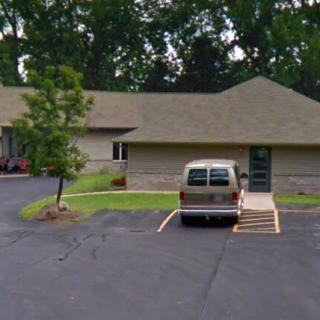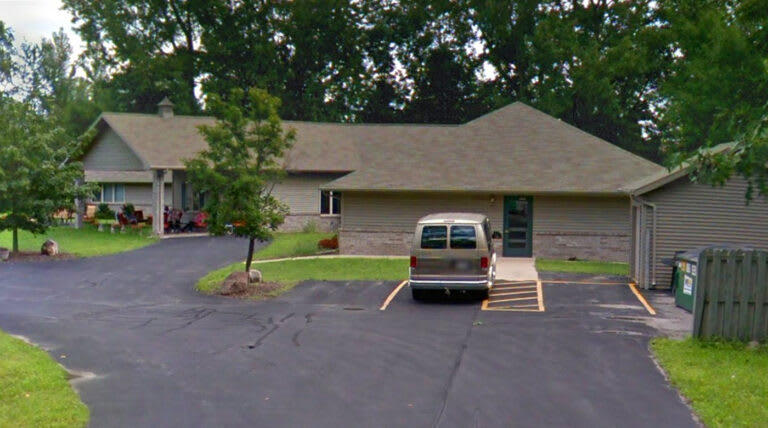
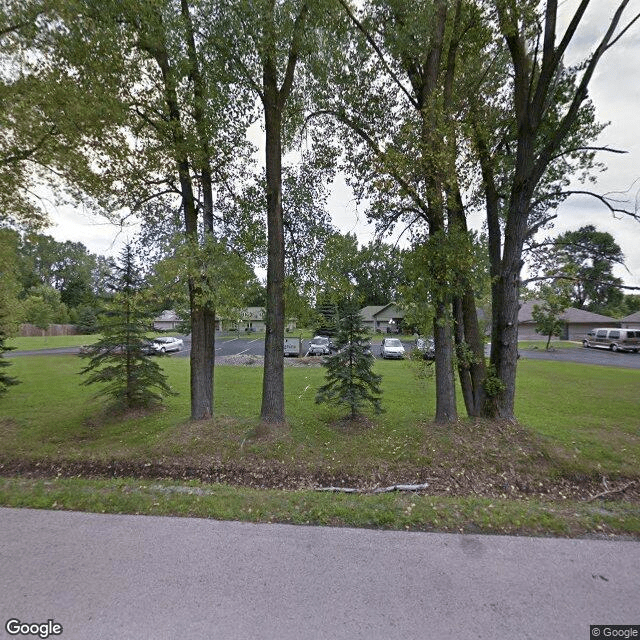
3136 Longview Lane, Suamico, WI 54173
For more information about senior living options: (866) 208-4318
Bay Harbor Assisted Living Suamico I Costs & Pricing
Bay Harbor Assisted Living Suamico I offers a studio accommodation at a monthly rate of $4,700, which is notably higher than both the average costs in Brown County, priced at $3,539, and the broader state average in Wisconsin at $3,999. This pricing reflects the unique amenities and quality of care provided at Bay Harbor that may not be found in other facilities. While it is essential to consider the financial implications of this choice, many families find that the specialized services and environment justify the premium for their loved ones' comfort and well-being.
| Floor plans | Bay Harbor Assisted Living Suamico I | Brown County | Wisconsin |
|---|---|---|---|
| Studio | $4,700 | $3,539 | $3,999 |
Memory care communities with a similar price nearby
-
from -$260 / mo

Oak Park Place Green Bay
$4,440 to $5,073 / month11.2 miles away -
from -$700 / mo
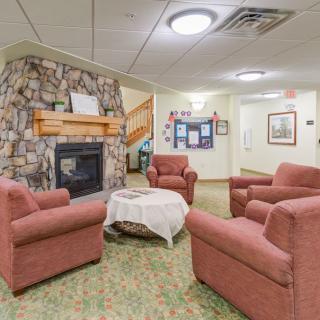
Dimensions Living Green Bay
$4,000 to $4,935 / month8.9 miles away -
About the same

Marla Vista Assisted Living & Memory Care
$4,800 / month6.2 miles away -
from +$200 / mo

Angels Touch Assisted Living
$4,900 to $6,000 / month13.6 miles away -
from -$400 / mo

The Court at Eden Vista Green Bay
$4,300 / month9.9 miles away
Overall Review of Bay Harbor Assisted Living Suamico I
Pros
 The assisted living facility seems nice.
Cons
 The care requirements of some of the residents are extensive.
Review
Bay Harbor Assisted Living Suamico I in Suamico, Wisconsin is best suited for families seeking a smaller, home-like assisted living option that can accommodate residents with substantial daily care needs without stepping up to skilled nursing. The community fits households that want a local, neighborly setting where daily routines are manageable and care is visible, even as needs grow. It works particularly well for seniors who rely on regular assistance with activities of daily living but do not require intensive medical oversight or memory-care specialization. For families prioritizing a quiet, practical environment over a bustling, hospital-like campus, this option earns serious consideration.
Pros emerge from the impression that the facility presents a pleasant, non-institutional ambiance. A nice, well-kept atmosphere matters when a loved one is transitioning from home, helping to reduce stress and encourage participation in daily life. Significantly, the capacity to support residents whose care requirements are extensive stands out as a meaningful strength. That capability signals a staff and framework prepared to tailor assistance, monitor changing needs, and prevent a premature move to higher levels of care. In practical terms, this means more stability for residents who demand consistent, hands-on help with mobility, dressing, hygiene, medications, and routine monitoring.
Still, the picture is constrained by a relatively thin evidentiary base. With only one review to date, there is limited corroboration of how care is delivered on a day-to-day basis, what the dining and activity calendars look like, or how responsive the team is across shifts. The central caveat is that extensive care needs can strain resources if staffing does not keep pace or if supervision gaps emerge during busy periods. Prospective families should approach with a plan to verify staffing patterns, response times, and the rigor of care plan updates during in-person visits, rather than relying on a single positive impression.
That potential risk must be weighed against the practical upside of a smaller, community-focused setting. The same atmosphere that fosters closer relationships between residents and caregivers can translate into more predictable routines, greater familiarity with individual preferences, and easier family involvement. If staffing aligns with the resident population, these benefits reinforce a secure, home-like daily rhythm. Conversely, if staffing laxity appears in observation or in discussions with staff, the favorable vibe cannot fully compensate. The absence of broader, corroborating data makes a careful, on-site assessment essential.
Families should approach Bay Harbor with a disciplined tour and a concrete checklist. Inquire about current staff-to-resident ratios across mornings, afternoons, and evenings; request anonymized examples of care plans and how often they are updated; and ask who supervises care at night. Clarify what “extensive” care means in real terms, assistance with mobility, bathing, continence, medication management, and any memory-support needs, and whether memory-care options exist on-site or nearby. Probe dining quality, meal flexibility for dietary restrictions, and opportunities for meaningful daily activities. Finally, obtain a transparent outline of fees, what is included, and what could trigger additional charges, plus a trial stay or respite arrangement to evaluate fit.
Overall, Bay Harbor Assisted Living Suamico I offers a credible, practical option for families needing reliable support in a local, low-key setting that can handle sizable daily assistance without immediately escalating to skilled nursing. It is less well-matched for those whose loved ones require highly specialized memory care, continuous medical supervision, or extensive clinical programming. For such cases, exploring facilities with dedicated memory-care wings or larger clinical teams may yield a better alignment with care demands. When navigating tours, prioritize tangible metrics and firsthand experiences to ensure the chosen community will sustain both current needs and anticipated changes over time.
 20 resident community capacity
 Assisted Living
 Memory Care
 Activities on-site
 Beauty salon
 Cable or satellite TV
 Devotional services off-site
 Dining room
 Fully furnished
 Garden
 Housekeeping services
 Indoor common areas
 Kitchenette
 Move-in coordination
 Outdoor space
 Telephone
 Wi-Fi/high-speed internet available
 Austin Straubel International (11 miles away)
 24-hour call system
 Ambulatory care
 Assistance with bathing
 Assistance with dressing
 Assistance with transfers
 Diabetes diet
 Diabetic care
 Meal preparation and service
 Medication management
 Mental wellness program
 Special dietary restrictions
 Transportation arrangement (medical)
 Transportation to doctors appointments



 Guiding Your Journey: Understanding Power of Attorney for Elderly Parents
 22 Remarkable Caregiver Support Groups Available Online and In-Person
 Understanding Medicaid Coverage for Assisted Living: A Comprehensive Guide