
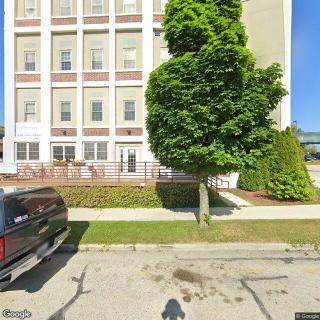
1510 Greenfield Avenue, Sheboygan, WI 53081
For more information about senior living options: (866) 208-4318
Overall Review of Hil Pacific Home
Pros
 They are awesome.
- They have been a big help and are great.
- The two women they've worked with for years have been a great help.
- The Sheboygan location is awesome.
Cons
 They warn against involving this place with their family, claiming relatives' opinions do not matter to it.
- They allege that protein shakes after gastric bypass, deemed medically necessary due to malabsorption, were denied and misclassified as a meal, causing financial hardship.
- They claim that “family care” is only in the name of the place, and that anything going wrong would result in being put in a home.
Review
Hil Pacific Home in Sheboygan is best suited for seniors who want a small, caregiver-focused environment where a couple of long-tenured aides can deliver steady, personal attention. Families that prize consistent day-to-day interaction with a familiar pair of caregivers over formal, hospital-like programming will find some merit here. It is less appropriate for residents who require high-level medical management, aggressive advocacy from staff, or a facility with meticulously transparent policies that align with every family’s expectations.
Those weighing alternatives should note that the most material red flag is the disconnect between stated family-focused care and actual practice. If a family expects clear, responsive governance and the ability to influence care decisions, this community may fall short. Prospective residents who need rigorous medical nutrition support, real-time problem-solving with policy clarity, or a facility culture that treats families as partners will want to consider other options that offer stronger advocacy, documented care plans, and a policy framework that is easy to audit.
On the plus side, there is credible continuity in caregiving. Families report two consistently involved aides who have been described as a meaningful source of help for years, and residents in the Sheboygan location enjoy a sense of warmth and continuity that can translate into reliable assistance for everyday tasks. The location itself earns a favorable nod; a convenient, accessible setting can make short-term visits, transportation arrangements, and routine appointments smoother for relatives who want to stay engaged. In practice, this combination can yield a calmer daily rhythm for residents who require social support and basic care rather than advanced clinical services.
Yet the downsides are not trivial. Several reviews underscore a troubling misalignment between “family care” in name and the actual experience, hinting at a culture where family input is marginalized when decisions go wrong. The most consequential friction involves medically necessary needs being deprioritized or misclassified: examples describe nutrition supplements (protein shakes) being denied or redefined as meals, creating a financial and health burden for someone who has undergone gastric bypass and requires malabsorption-focused nutrition. Add to this the impression that when problems arise, the default response is to relocate responsibility away from the facility, rather than to collaboratively solve issues with the family, and the overall trust in the operation can erode.
The key pros, staff continuity and a convenient location, do offset some day-to-day stress and provide a dependable baseline of care for residents who mainly need assistance with daily living tasks and companionship. However, those advantages do not fully counterbalance the core cons: limited evidence of proactive family involvement, opaque policy around medically necessary items, and a culture that may not empower families to challenge or influence care decisions. In practical terms, this means that while good days can be had, the risk of ongoing disputes and inadequate medical responsiveness remains a real consideration for families prioritizing medical clarity and collaborative governance.
For families evaluating options, the prudent path is to demand candor and concrete assurances before committing. Ask for a written policy on medical nutrition and why certain items might be denied, request recent care plans with clear approvals and escalation procedures, and schedule unannounced follow-up visits to test responsiveness. If a facility cannot demonstrate measurable, family-centered processes, such as regular care conferences, documented family input avenues, and straightforward cost explanations, it is wise to keep exploring other communities. These steps will reveal whether the positives of staff relationships and location can truly sustain long-term peace of mind, or if the drawbacks are likely to outsize any perceived advantages.
In sum, Hil Pacific Home offers a modestly attractive package for residents who value stable, friendly caregiving in a manageable setting and can tolerate limited family partnership in care decisions. For families who require robust advocacy, transparent medical policies, and a culture of collaborative problem-solving, alternatives with stronger governance and explicit commitment to medically necessary needs will likely serve better. The decision hinges on whether staff continuity and location suffice to outweigh tensions around family involvement and medical policy.
 4 resident community capacity
 Assisted Living
 Cable or satellite TV
 Dining room
 Fully furnished
 Garden
 Housekeeping services
 Move-in coordination
 Outdoor space
 Telephone
 Wi-Fi/high-speed internet available
 24-hour supervision
 Activities of daily living assistance
 Assistance with bathing
 Assistance with dressing
 Assistance with transfers
 Diabetes diet
 Meal preparation and service
 Medication management
 Special dietary restrictions
 Transportation arrangement (medical)
 Transportation to doctors appointments




 8 Key Indicators That Suggest It May Be Time to Transition from Assisted Living to Skilled Nursing Care
 Vibrant Senior Living: A Comprehensive Guide for Active Older Adults
 When to Transition from Assisted Living to Memory Care: Key Indicators, Steps, and Finding the Right Community