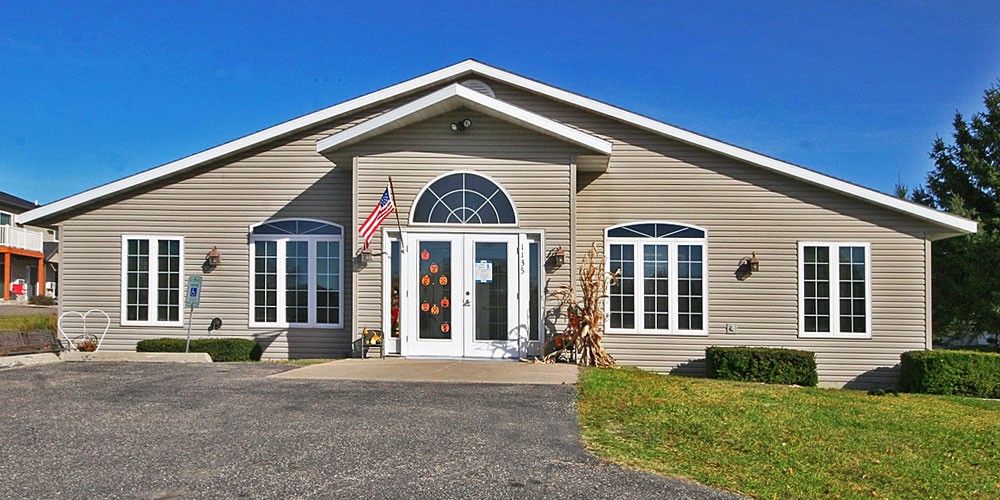
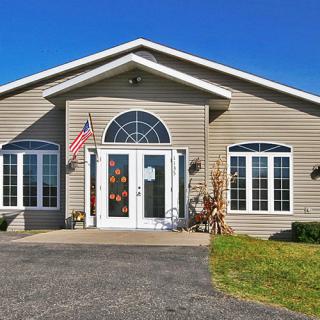
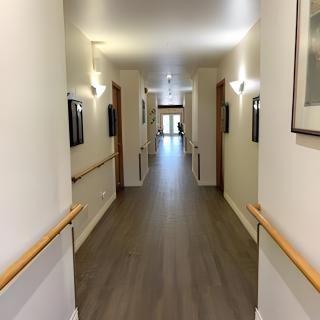
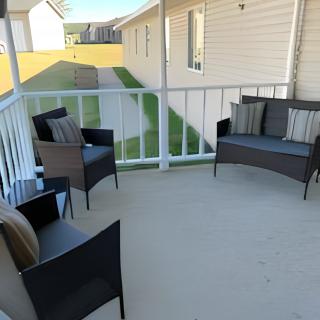
1135 17th Ct, Reedsburg, WI 53959
For more information about senior living options: (866) 208-4318
Our House Senior Living - Reedsburg Memory Care Costs & Pricing
Our House Senior Living - Reedsburg Memory Care offers competitive pricing for memory care services, with private rooms priced at $2,500 per month. This rate is significantly lower than the average costs in Sauk County, which stand at $3,708, and even more favorable compared to the overall state average of $4,339 in Wisconsin. Such affordability not only highlights the value of the services provided at Our House but also makes it an attractive option for families seeking quality memory care within a budget-friendly framework.
| Floor plans | Our House Senior Living - Reedsburg Memory Care | Sauk County | Wisconsin |
|---|---|---|---|
| Private | $2,500 | $3,708 | $4,339 |
Memory care communities with a similar price nearby
-
from +$375 / mo
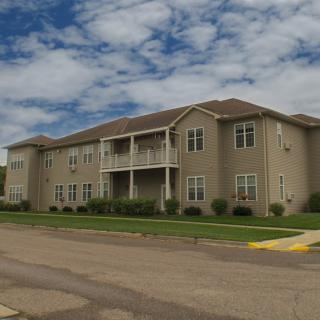
Our House Senior Living Assisted Care and Memory Care - Richland Center
$2,875 to $3,475 / month24.7 miles away -
About the same

Casa De Oakes Pineview
$2,562 / month0.4 miles away
Overall Review of Our House Senior Living - Reedsburg Memory Care
Pros
 The staff were excellent.
- The facility was smaller and homier than other places, which would be perfect for his brother.
- The nurses communicated with everyone constantly.
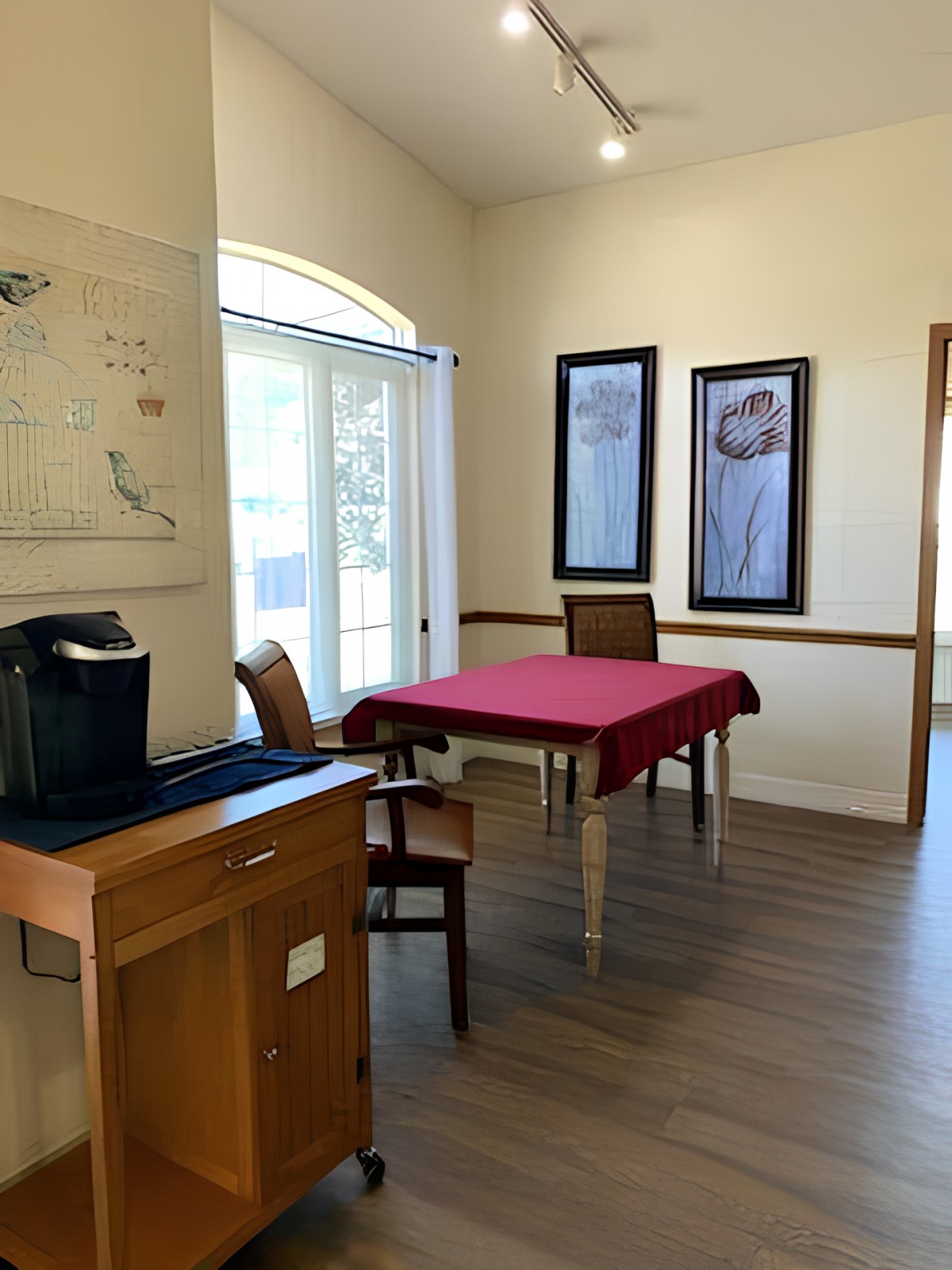
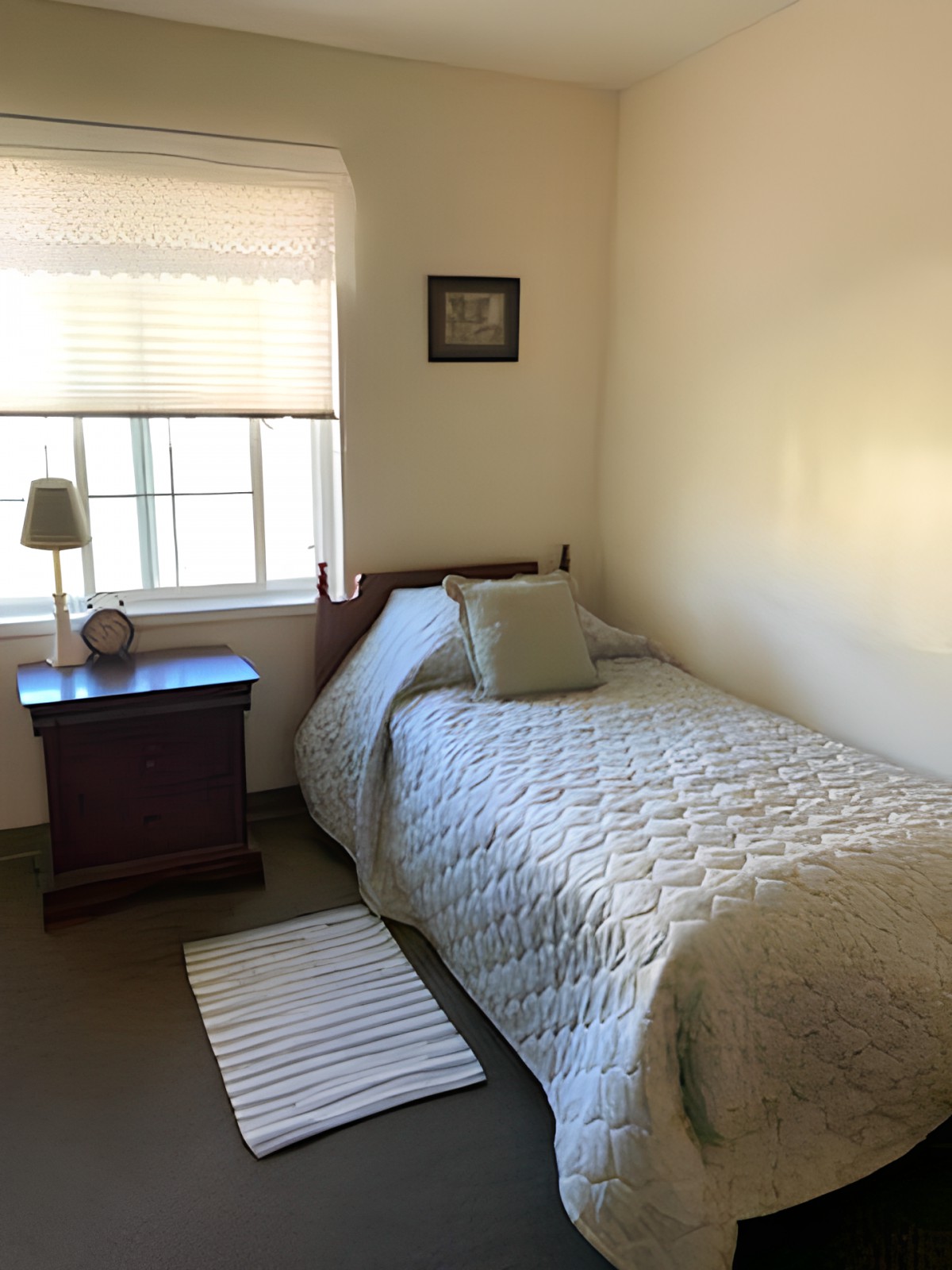
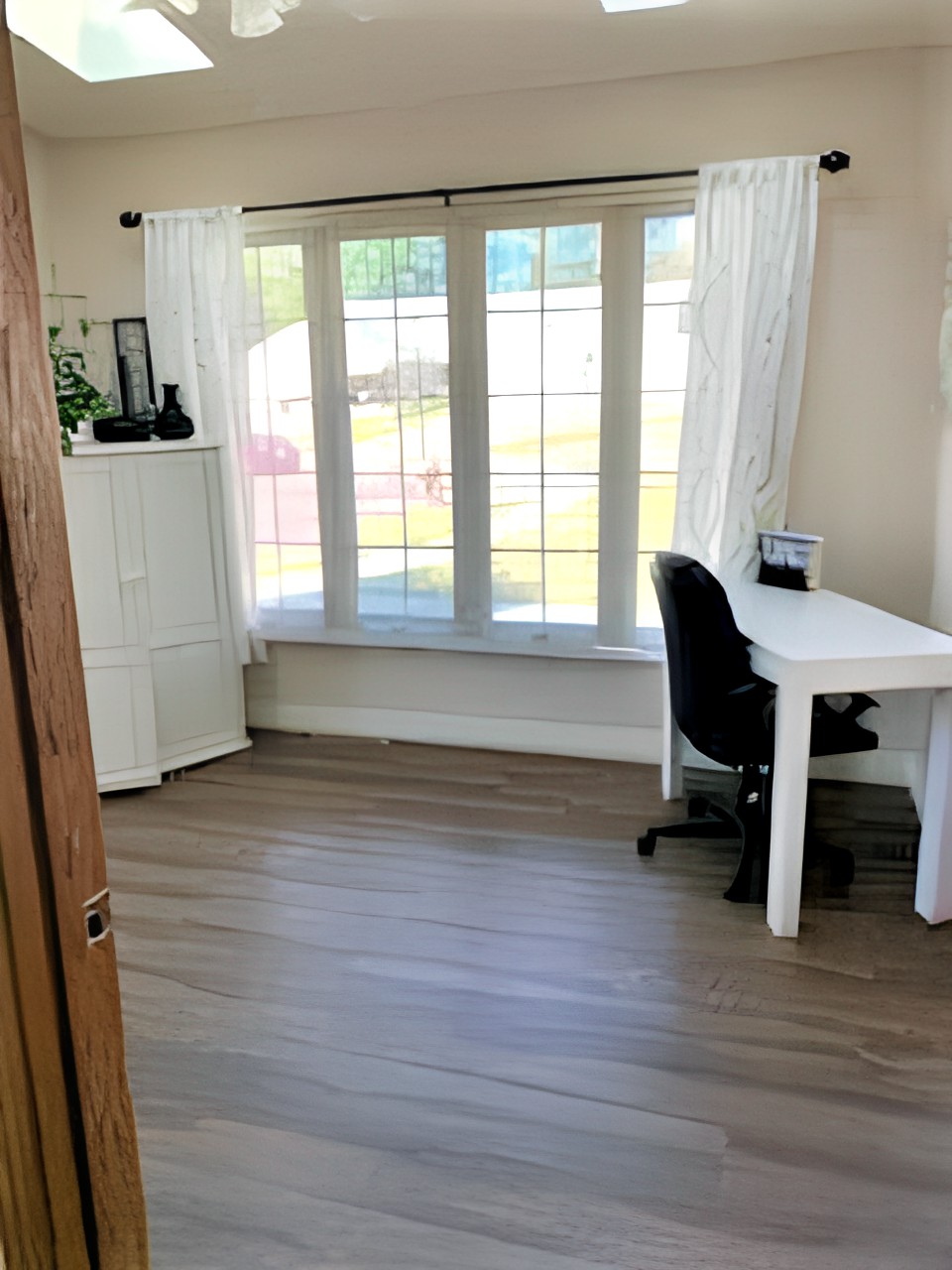
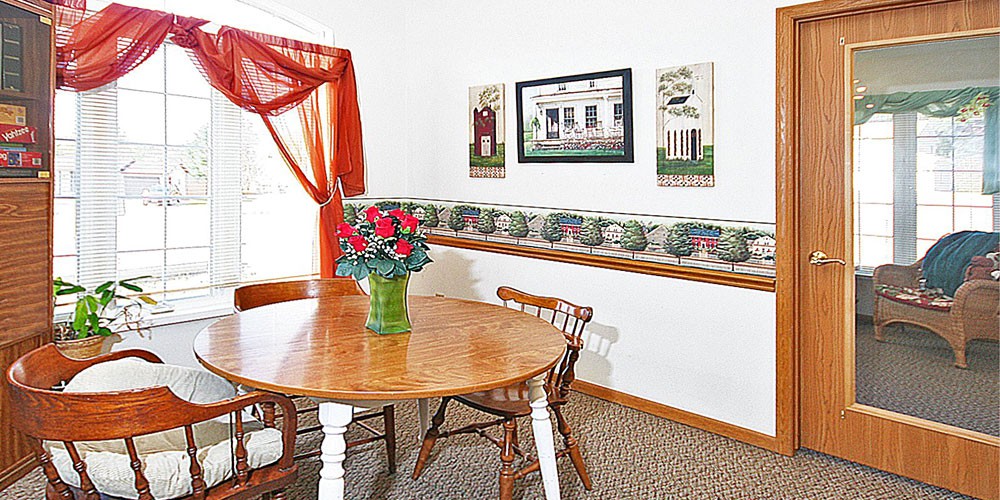
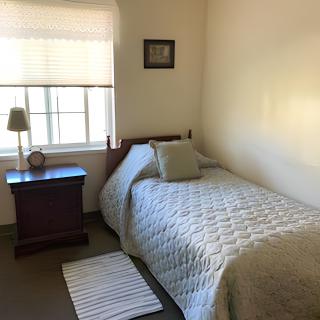
- The rooms looked very nice and were a good size with their own bathrooms.
- The staff members seemed great.
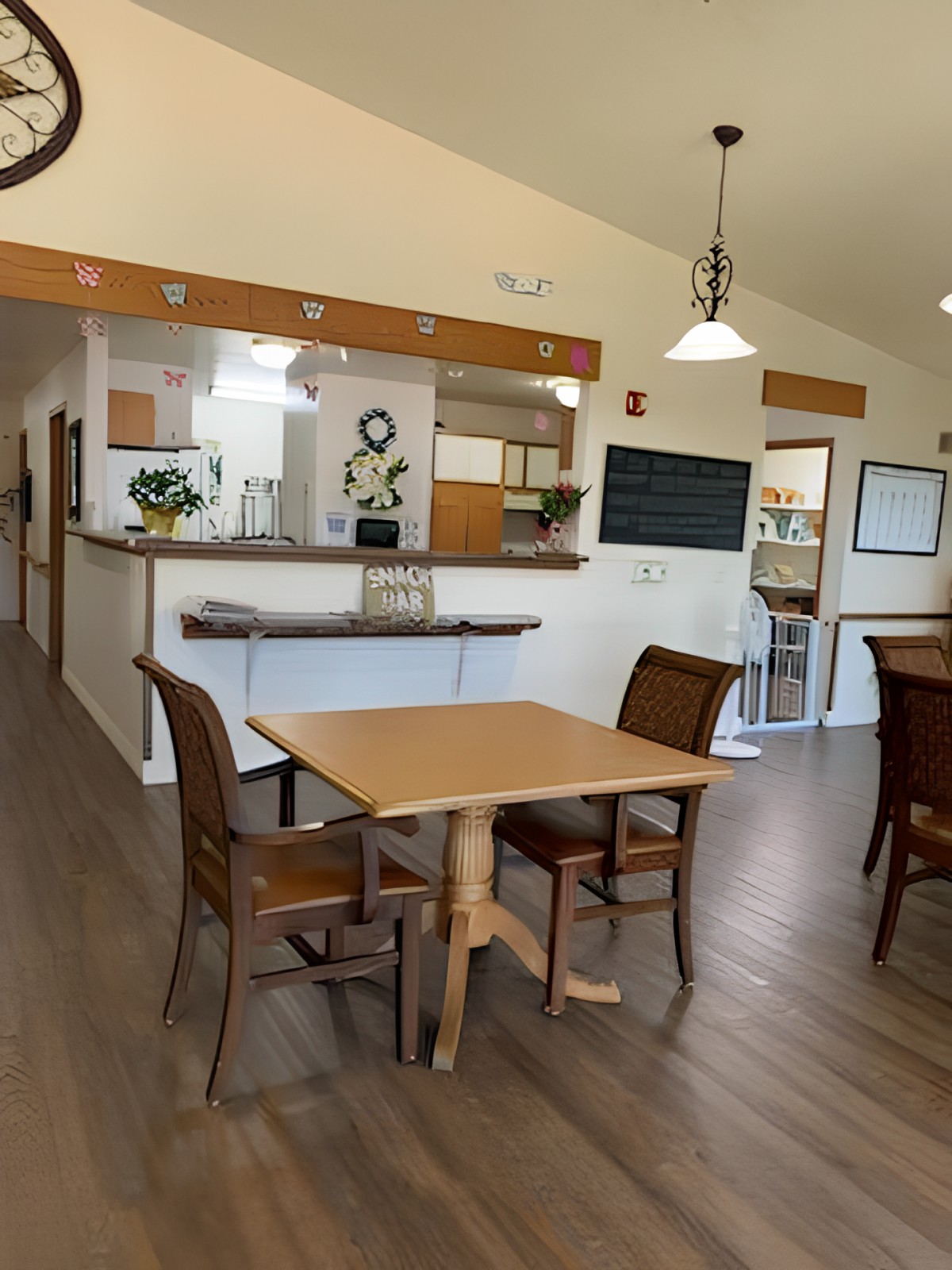
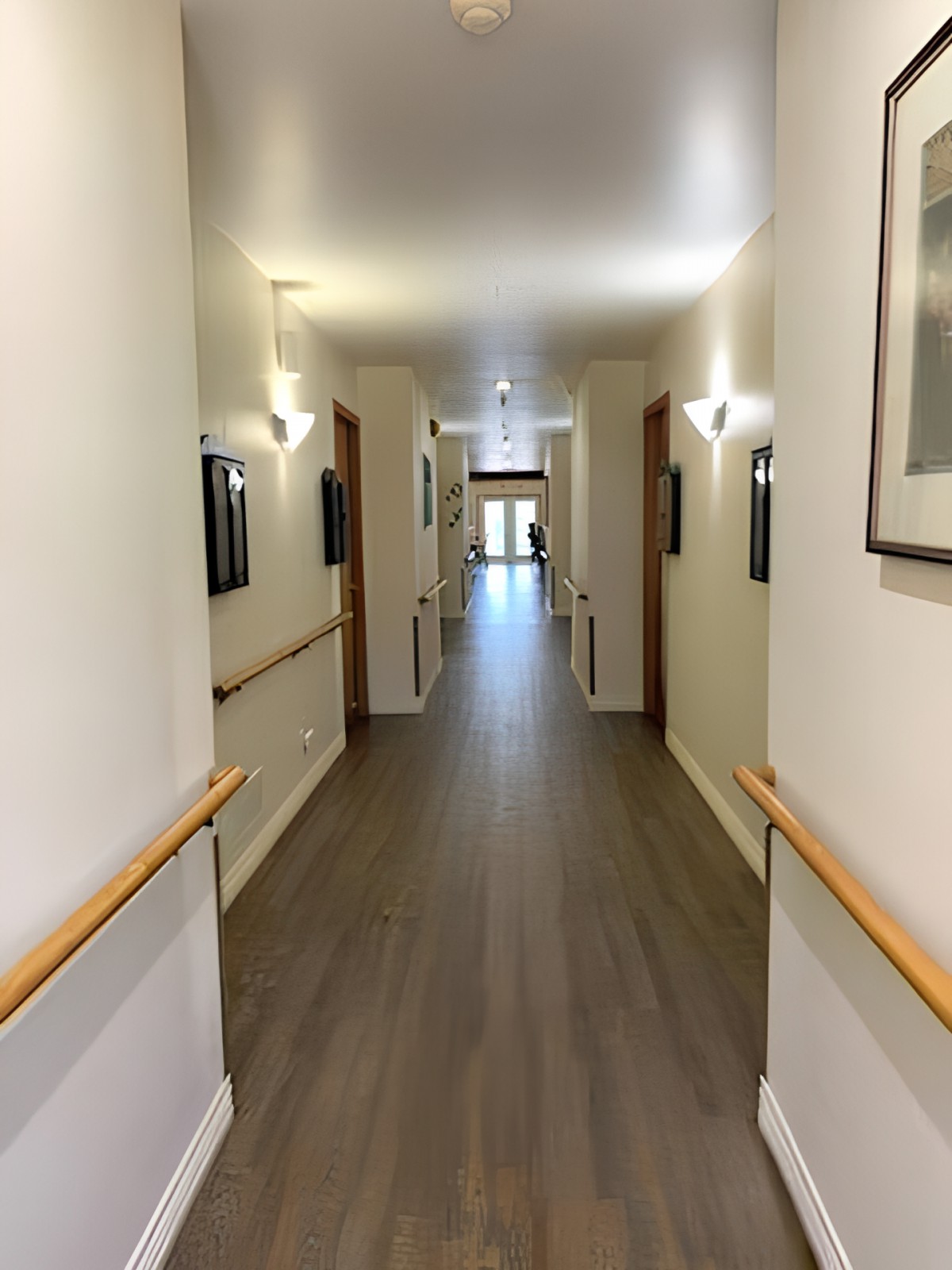
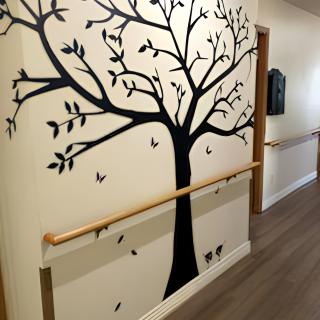
- The place was very clean.
Cons
 Pretty much everybody there had Parkinson's or dementia, so there were no games being played.
Review
This community is best suited for families seeking a compact, home-like memory care setting where residents with dementia or Parkinson’s receive steady, attentive nursing oversight in a calm, intimate environment. It works particularly well for loved ones who thrive on routine, personal attention, and a smaller, more controllable milieu. The arrangement is ideal when privacy matters, private rooms with their own bathrooms are part of the package, and when a quieter pace, clean spaces, and straightforward daily meals align with the care goals. It’s a strong match for someone who values direct, consistent communication from caregivers and a setting that feels more like a homestead than a large institutional campus.
The clearest strengths revolve around the people and the atmosphere. Staff members who conducted tours left a strong impression of professionalism and warmth, and their ongoing communication appears to be a cornerstone of daily life there. The small, homier scale fosters closer relationships between residents and caregivers, which can translate into better recognition of subtle changes in memory or mobility. Residents with dementia or Parkinson’s benefit from a visible, steady presence of nurses who keep everyone informed, which can reduce anxiety for families and create a sense of safety for residents. On the logistical side, rooms here are described as attractive and adequately sized, with private baths that support independence and ease of care. The facility also projects reliability in daily routines: three meals a day, a standard of cleanliness, and well-maintained interiors that contribute to a dignified living environment.
On the surface, the practical tradeoffs line up with the care philosophy. The emphasis on a smaller, homier setting naturally curtails the frenetic pace and sensory overwhelm that can accompany larger communities, which in turn supports residents who function best with predictability and individualized attention. The combination of clean facilities, pleasant rooms, and dependable meal service strengthens the daily quality of life and helps families feel confident in basic care delivery. The emphasis on consistent nurse communication reinforces a care team that prioritizes resident status updates, safety, and coordination with family members. For families evaluating memory care, these pros can outweigh a lack of high-energy programming, especially when a loved one needs steady supervision, familiar routines, and a calm, predictable environment.
There is a clear caveat worth weighing: activity variety and social programming may be more limited than in larger communities. One takeaway from the reviews is that there aren’t many “games” or highly structured activity sessions, which could be a drawback for residents who crave constant engagement or a broader slate of enrichment options. For families seeking a bustling social calendar, more frequent outings, or a wider range of stimulating activities, alternatives that emphasize robust programmatic offerings or a less memory-focused environment may be a better fit. In short, the strongest value lies in intimate, attentive care rather than in passive entertainment or a wide assortment of ancillary activities.
That gap points to the second takeaway: consider alternatives if the priority is active engagement and expansive programming. Larger memory care centers or assisted-living communities with diversified activity schedules, transportation options for outings, and a broader menu of social opportunities may better match someone who wants a bustling day-to-day life. If independence with a strong emphasis on social stimulation is the goal, or if a family needs a community that can seamlessly transition a resident into broader assisted-l living services down the line, exploring other options could save time and prevent later transitions.
Ultimately, the verdict rests on aligning priorities with the environment. Our House Senior Living – Reedsburg Memory Care delivers a compact, well-maintained, and professionally managed setting where residents receive steady, communicative care, private accommodations, and reliable daily routines. The main advantages, staff engagement, homelike atmosphere, clean facilities, and solid meal service, collectively compensate for a comparatively quiet activity schedule for families prioritizing safety, consistency, and personal attention. Pros offset cons for those with memory impairment or Parkinson’s who benefit from predictable structure and intimate staffing. For families prioritizing vibrant programming or a bustling social calendar, it would be prudent to compare with communities that offer more extensive activity rosters.
To move forward, schedule a tour with a clear list of questions: what is the staff-to-resident ratio on all shifts, and how is care coordinated among nurses, aides, and therapists? What does the daily activity schedule look like, and can residents participate at their own pace? How are changes in memory or mobility tracked, and how are care plans communicated to families? What safety features exist to prevent wandering, and how are private rooms equipped for secure, individualized care? Finally, inquire about trial stays or short-term assessments to observe firsthand how a loved one responds to the pace, staff engagement, and the routine, the combination of small-scale intimacy and steady caregiver attention is the strongest indicator of suitability for the right resident.
 12 resident community capacity
 1-bedroom apartments
 Assisted Living
 Board and Care Home
 Memory Care
 Cable or satellite TV
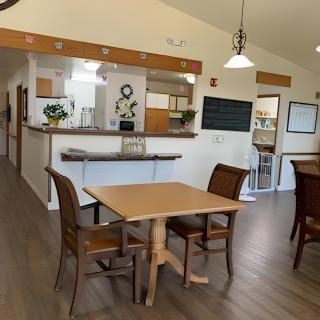
 Dining room
 Fully furnished
 Garden
 Housekeeping services
 Move-in coordination
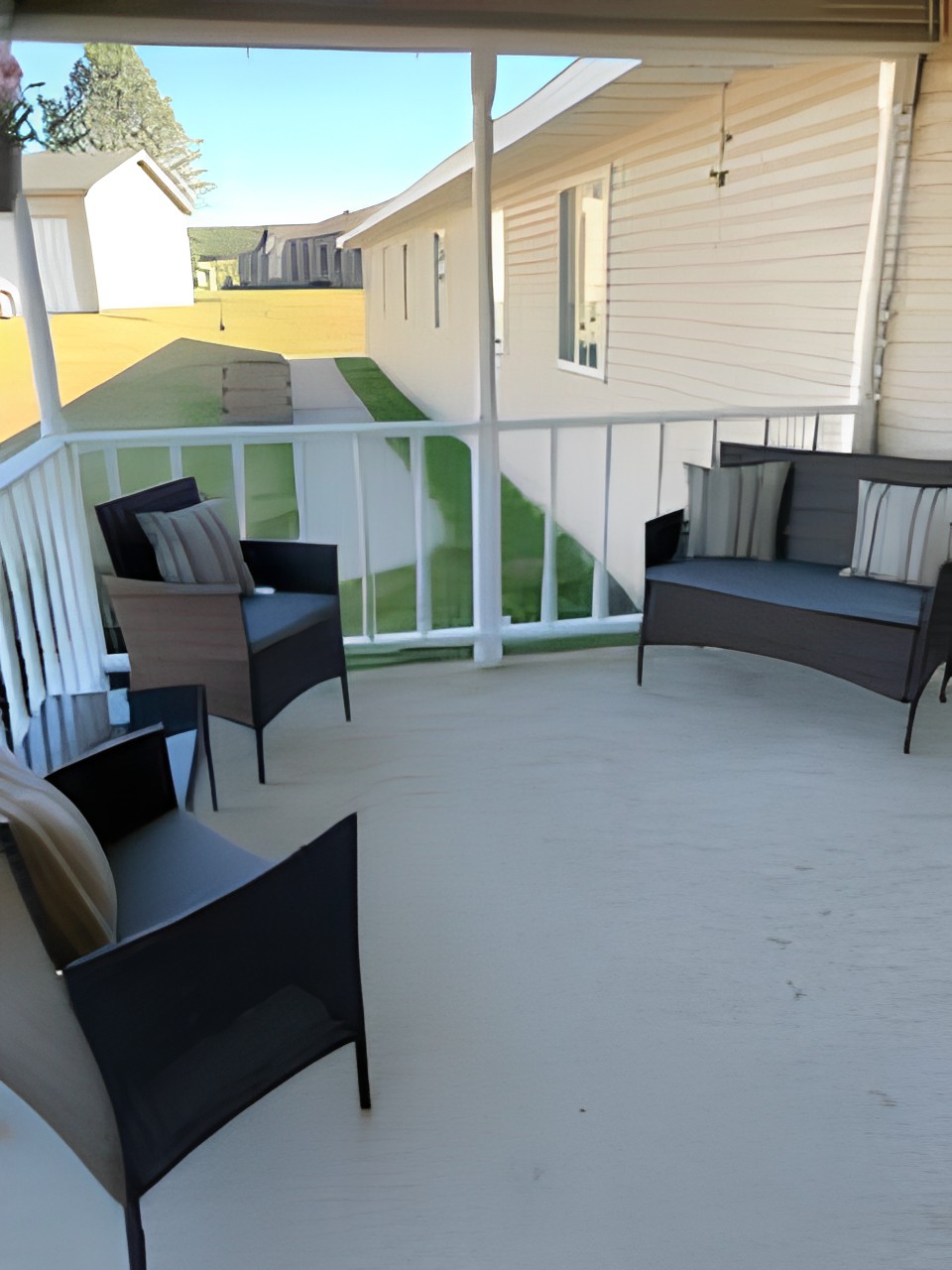
 Outdoor space
 Telephone
 Wi-Fi/high-speed internet available
 24-hour supervision
 Activities of daily living assistance
 Assistance with bathing
 Assistance with dressing
 Assistance with transfers
 Diabetes diet
 Hospice waiver
 Meal preparation and service
 Medication management
 Mental wellness program
 Special dietary restrictions
 Transportation arrangement (medical)
 Transportation to doctors appointments

 22 Remarkable Caregiver Support Groups Available Online and In-Person
 Understanding Medicaid Coverage for Assisted Living: A Comprehensive Guide
 How and When Medicaid May Cover Assisted Living Costs