5111 Wright Avenue, Racine, WI 53406
For more information about senior living options: (866) 208-4318
Elizabeth Gardens (Residential Care Apartment Complex) Costs & Pricing
At Elizabeth Gardens Residential Care Apartment Complex, the monthly costs present a competitive option compared to both Racine County and broader Wisconsin averages. For a studio, residents can expect to pay $3,300, which is notably lower than the county average of $3,962 and slightly below the state average of $3,999. The one-bedroom unit is priced at $3,650, aligning closely with state averages while exceeding the county's more affordable rate of $2,945. In contrast, the two-bedroom units are available for $4,150; this places them significantly higher than the average county cost of $2,459 and even above the state average of $3,111. This pricing structure reflects Elizabeth Gardens' commitment to providing quality care and a supportive living environment while remaining an attractive choice for potential residents seeking both comfort and community in their living arrangements.
| Floor plans | Elizabeth Gardens (Residential Care Apartment Complex) | Racine County | Wisconsin |
|---|---|---|---|
| Studio | $3,300 | $3,962 | $3,999 |
| 1 Bedroom | $3,650 | $2,945 | $3,412 |
| 2 Bedrooms | $4,150 | $2,459 | $3,111 |
Assisted Living communities with a similar price nearby
-
from +$200 / mo

Dolphin Manor
$3,500 / month12.3 miles away -
from +$200 / mo

Galloway Senior Living
$3,500 to $6,000 / month20.2 miles away -
from +$200 / mo

Open Arms 20 III
$3,500 to $4,000 / month3.3 miles away -
from -$231 / mo
Matthews of Oak Creek
$3,069 / month14.1 miles away -
from -$292 / mo

Eastcastle Place, a CCRC
$3,008 to $6,810 / month24.2 miles away
Overall Review of Elizabeth Gardens (Residential Care Apartment Complex)
Pros
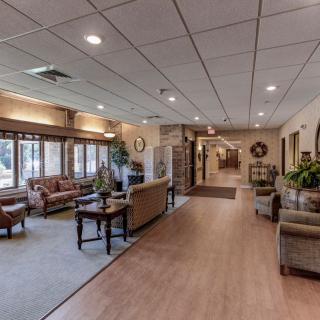
 Elizabeth Gardens at Racine is beautiful.
- The manager and the nurse are great people.
- The director was very nice and professional.
- The staff goes above and beyond to make residents comfortable and safe.
- The place was clean, and residents seemed healthy and happy.
- The dining room looked like a restaurant and was appealing.
- All-day and all-night coffee and juice are available.
- The grounds are very nice and well kept.
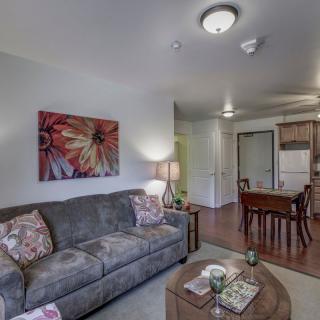
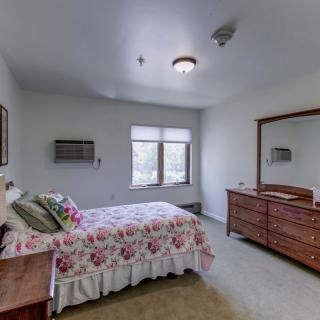
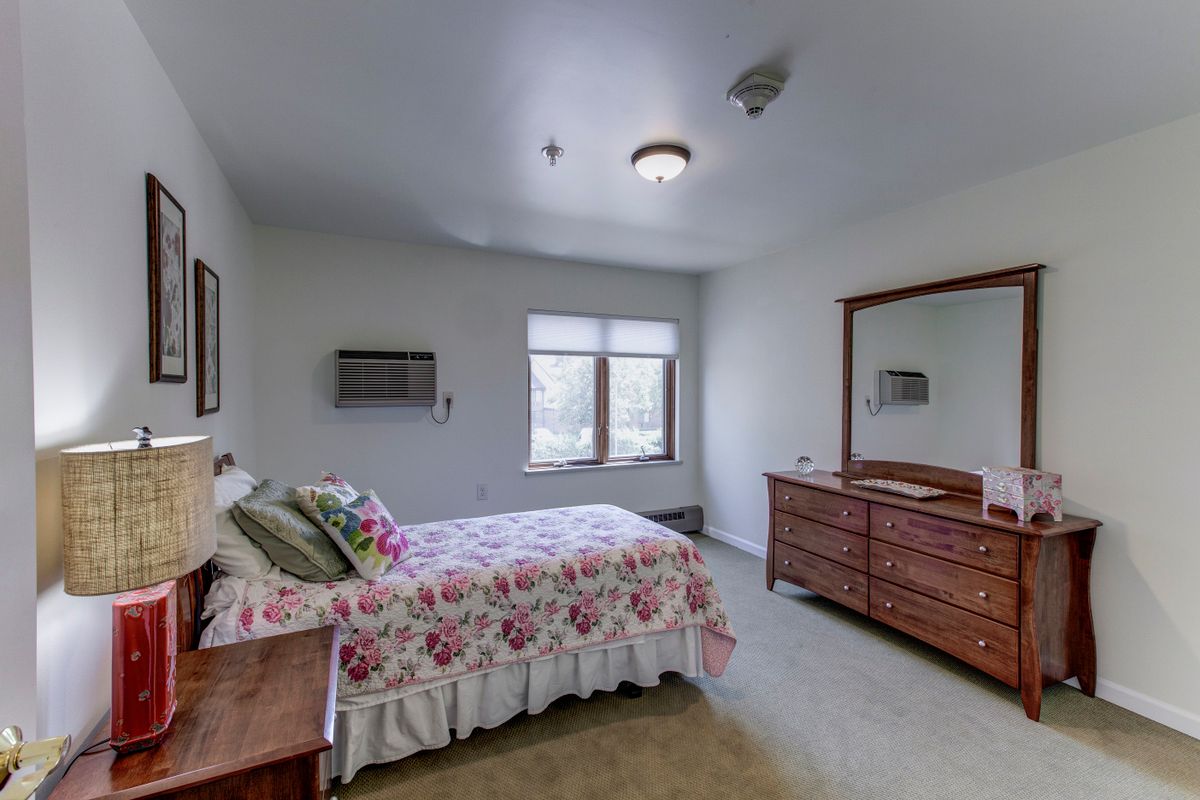
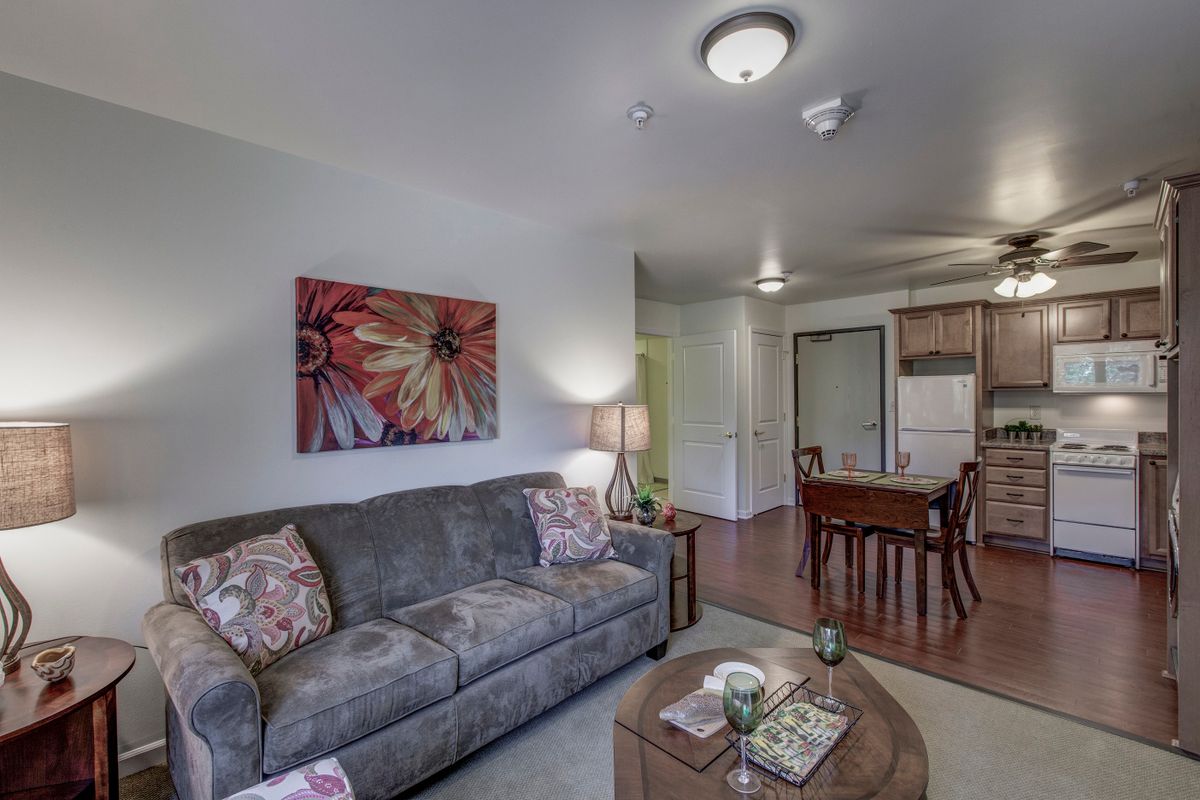
- The rooms are large apartments with kitchens, and some have washers/dryers.
- Elizabeth Gardens is described as first-class, beautifully renovated, with caring, engaged staff and an on-site chef.
- They would highly recommend Elizabeth Gardens.
Cons
 They felt this was not the place for her mom.
- They did not see any residents during the visit, suggesting everyone was in their rooms.
- The tour was poorly structured and felt ad hoc.
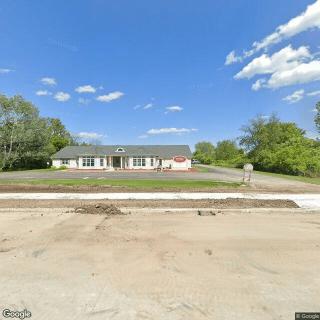
- The facility was under construction and not active.
- The elevator was not working, the door would not close, and using the stairs seemed safer.
- The room was old and the air conditioning units were outdated.
- They were unsure about the security of the facility.
Review
Elizabeth Gardens in Racine is best suited for seniors who want a compact, apartment-style assisted living experience where independence is the core, but light on-site support is readily available. This community fits residents who can function with one-on-one aide support and appreciate an intimate, homey atmosphere rather than a large campus. With 30 apartments ranging from efficiencies to two-bedroom layouts, many residents will find a comfortable, manageable footprint, a restaurant-style dining room, and a schedule built around social activities, meals, and predictable routines. The monthly package includes meals and some basic services, which simplifies budgeting for families seeking straightforward care arrangements.
That said, several residents, and prospective residents, may want to consider alternatives. The most notable deal-breakers are practical safety and security realities, and the facility’s ongoing renovation context. Tours have produced grim first impressions when areas feel dormant or construction is evident, and some essential systems have shown fragility, such as an elevator that isn’t always reliable and doors that wouldn’t close on a visit. In addition, the location’s security posture is not fully explicit, and the community makes clear that certain levels of intensive assistance or secure memory-care needs would necessitate moving to a different, locked facility. These factors matter for anyone whose loved one requires dependable 24/7 monitoring or more comprehensive protection.
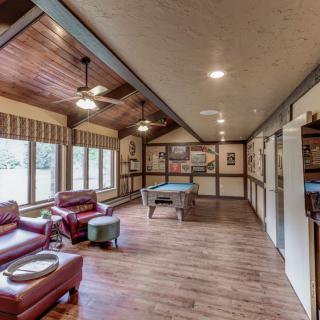
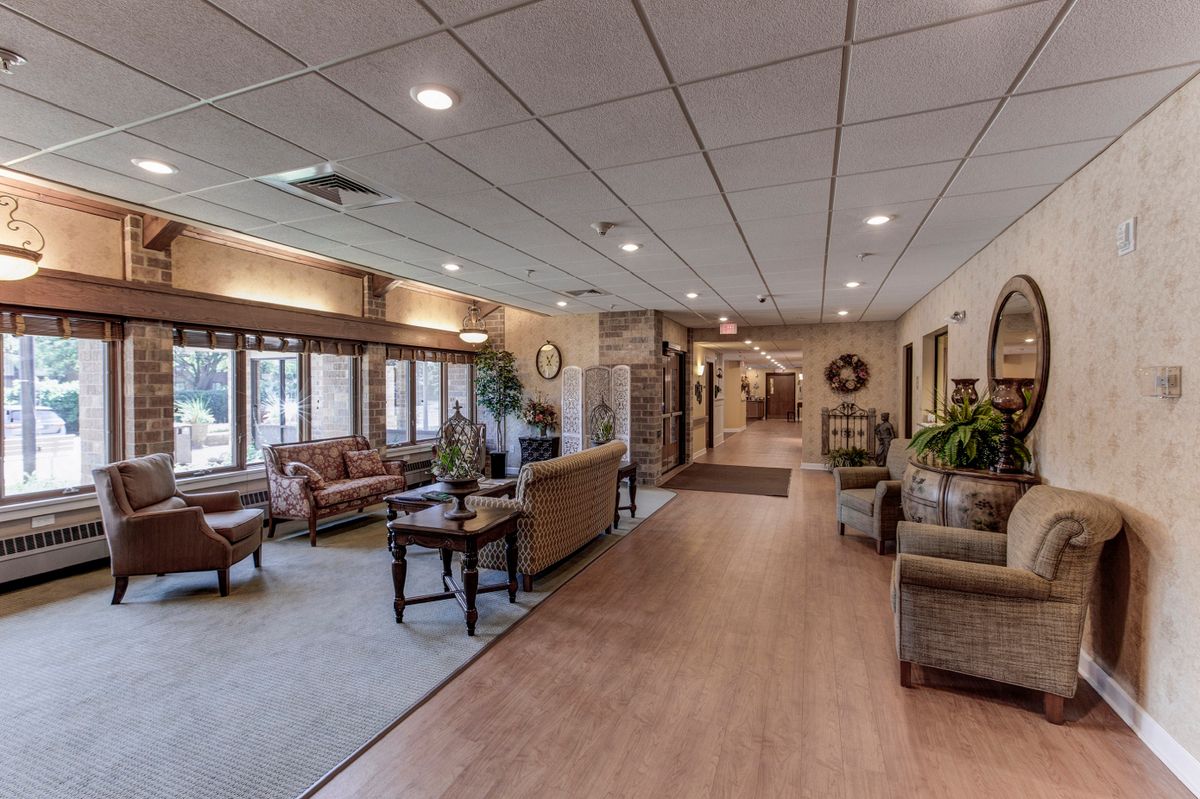
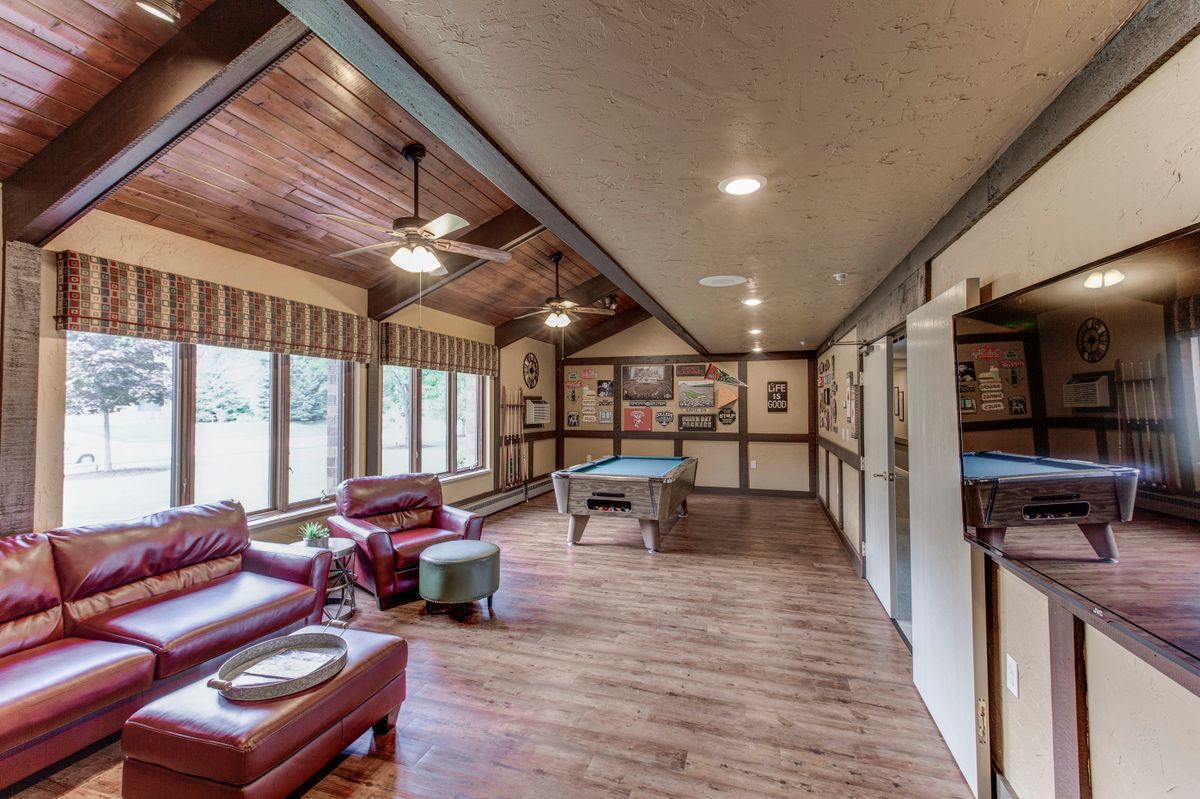
On the plus side, Elizabeth Gardens earns credibility through its people and its ambience. The management team and nursing staff are repeatedly described as caring, professional, and genuinely engaged with residents. A thriving activities program, a dining room described as restaurant-like, and the sense that staff go “above and beyond” contribute to a welcoming daily rhythm. The grounds are well kept, and the property presents a bright, clean, and modern feel in many units. Residents have access to on-site meals, and amenities like early-dining options, social spaces, and easily navigable common areas reinforce a lifestyle that emphasizes comfort and interaction. A small-community vibe, paired with on-site nursing on select days, can translate into meaningful relationships and timely help when needed.
Yet the strongest drawbacks center on the mismatch between expectations and capability in some critical areas. The most salient cons are structural and safety-related: ongoing construction activity, intermittent elevator reliability, and older, sometimes questionable equipment in certain rooms (such as aging HVAC units and doors that don’t close properly). There is also ambiguity around security protocols and how quickly a resident can receive more than minimal assistance; a resident may be effectively limited to care from a single aide, with higher needs requiring a move to the sister locked facility. For families with loved ones who require more than basic daily help, or who prize absolute assurance of safety and constant supervision, these constraints shift Elizabeth Gardens away from the top tier of options.
When weighed against the positives, the pros can still offset many concerns for the right resident. The intimate size of the community, the warmth of the staff, the dining experience, and the creative programming all contribute to daily life feeling dignified and social. The all-inclusiveness of meals, the potential for on-site nursing, and the option to choose from apartment layouts with kitchens or limited kitchens provide flexibility that many families value. The key is alignment: the resident should be mobile enough to move between spaces with modest support, comfortable with occasional construction activity, and open to a less-than-fully-secured setting that relies on a capable, personable staff for daily safety.
For families deciding whether Elizabeth Gardens is the right fit, the recommended path is clear. Put Elizabeth Gardens on the short list if a warm, neighborly environment with restaurant-style dining, thoughtful staff, and a compact footprint fits the senior’s preferences and independence level. Demand a current, transparent update on elevator reliability, security measures, and the renovation timeline, and insist on a concrete understanding of what care hours are included and how they scale if more support is needed. Consider alternatives if memory care needs or high-level supervision are non-negotiable, or if a fully modernized building with guaranteed 24/7 assistance is essential. In the end, Elizabeth Gardens can be an excellent home for the right resident, but that fit hinges on matching care needs to the community’s practical realities.
 30 resident community capacity
 1-bedroom apartments
 Assisted Living
 Independent Living
 Cats allowed
 Dogs allowed
 Activities on-site
 Bath tubs
 Beautician on-site
 Cable or satellite TV
 Devotional services off-site
 Dining room
 Fully furnished
 Garden
 Housekeeping services
 Indoor common areas
 Kitchenette
 Move-in coordination
 Outdoor space
 Restaurant-style dining
 Small library
 Telephone
 Wheelchair accessible showers
 Wi-Fi/high-speed internet available
 General Mitchell International (16 miles away)
 24-hour call system
 Ambulatory care
 Assistance with bathing
 Assistance with dressing
 Assistance with transfers
 Diabetes diet
 Diabetic care
 Incontinence care
 Medication management
 Mental wellness program
 Special dietary restrictions


 An Extensive Exploration of the VA Aid and Attendance Benefit
 Senior Transition Services: Understanding Their Role, Cost, and Importance
 Exploring the Path to Senior Living: A Comprehensive Look at Independent Living and Assisted Living