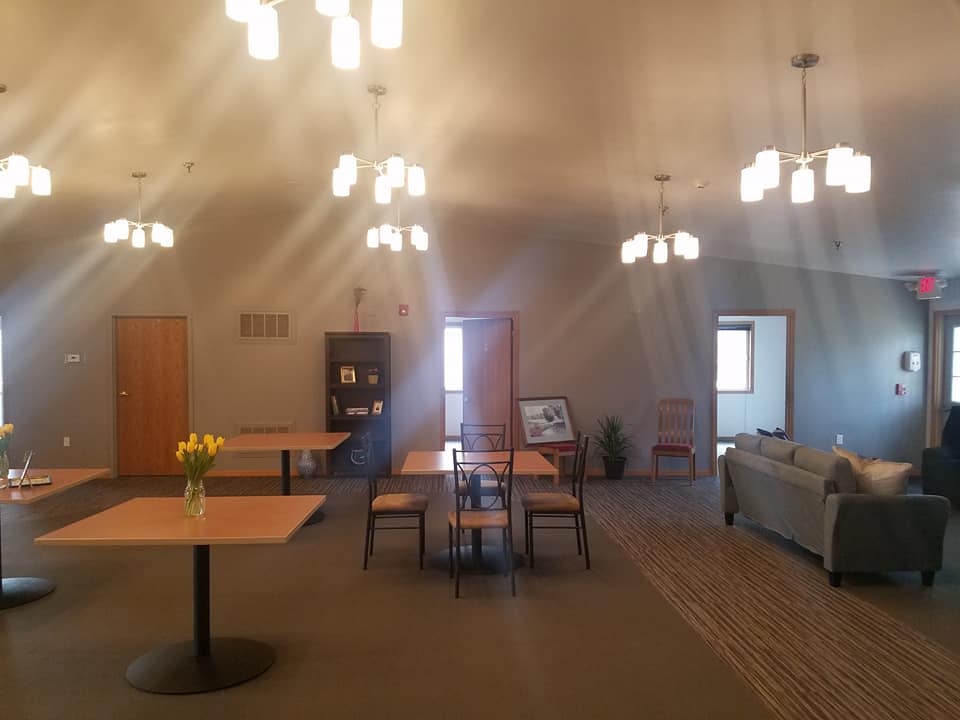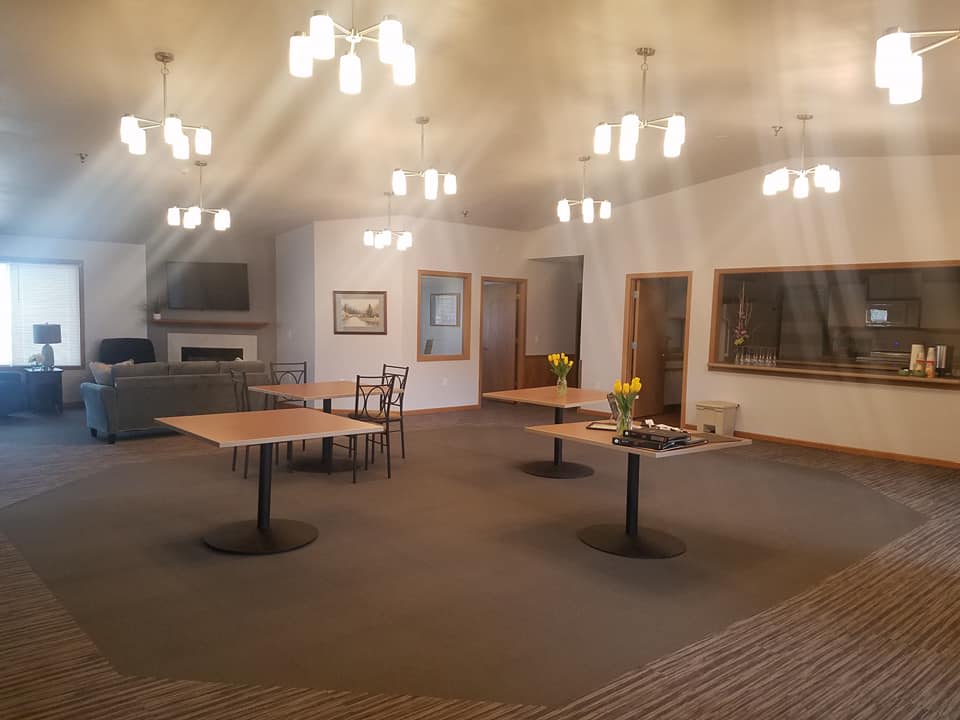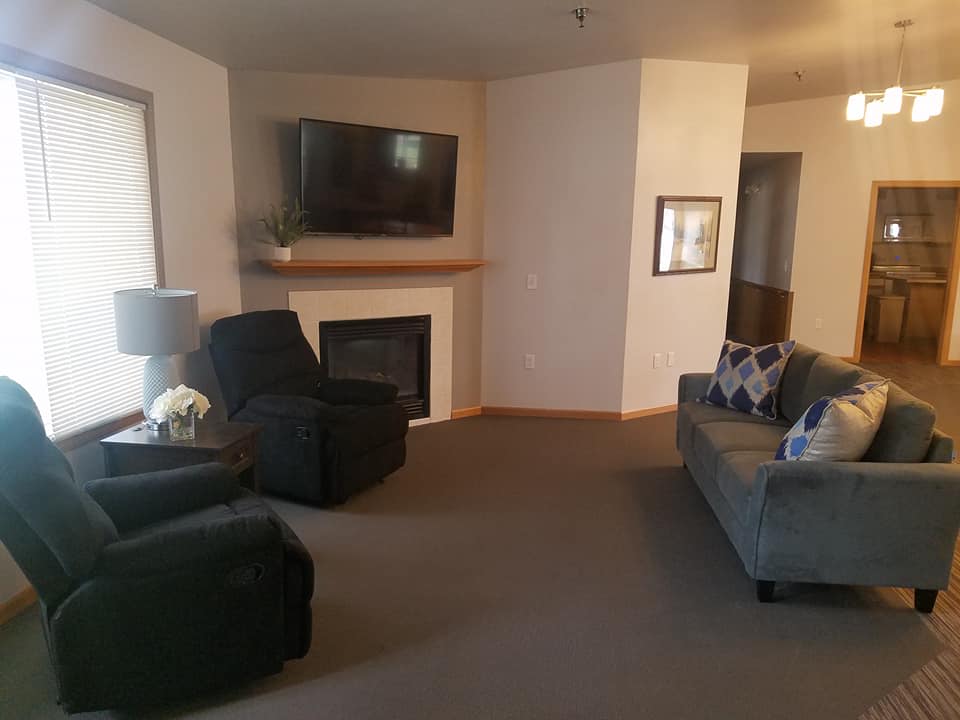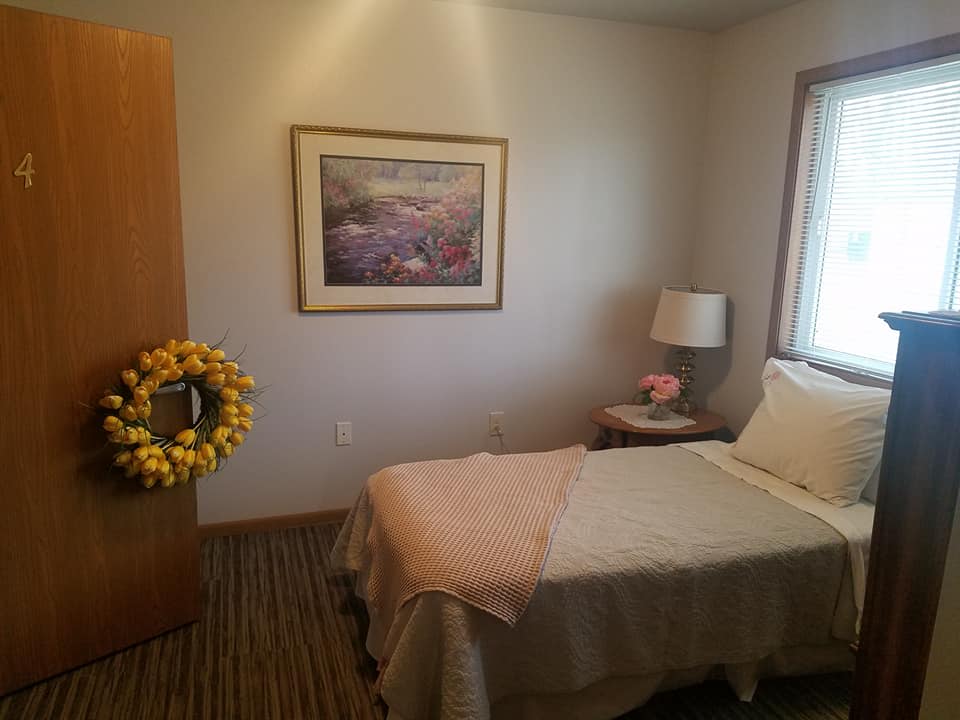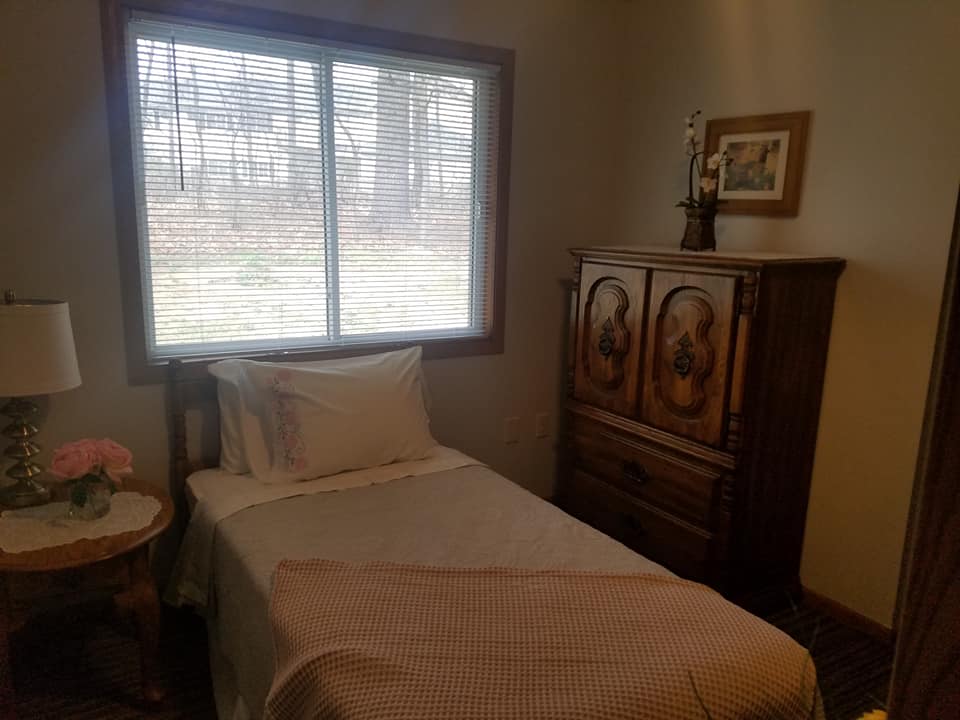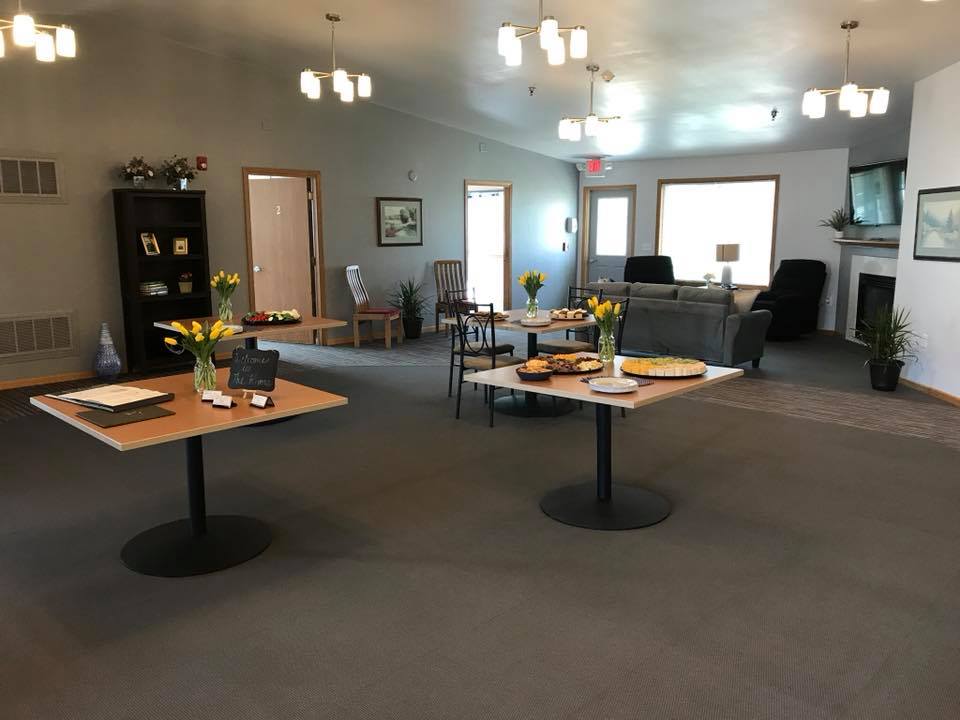




621 Latton Ln #601, Portage, WI 53901
To contact a resident: (608) 566-1505
For more information about senior living options: (866) 208-4318
The Rivers Costs & Pricing
The Rivers presents a competitive pricing structure within Marquette County and the broader context of Wisconsin. For a studio apartment, residents can expect to pay $4,500 per month, which significantly exceeds both the county average of $3,475 and the state average of $3,999. Similarly, the one-bedroom option at The Rivers is priced at $5,000 monthly, again higher than Marquette County's average of $3,077 and Wisconsin's average of $3,412. While The Rivers may appear pricier compared to local and state norms, this premium likely reflects enhanced amenities and services that cater to residents seeking a higher quality lifestyle.
| Floor plans | The Rivers | Marquette County | Wisconsin |
|---|---|---|---|
| Studio | $4,500 | $3,475 | $3,999 |
| 1 Bedroom | $5,000 | $3,077 | $3,412 |
Assisted Living communities with a similar price nearby
-
from +$693 / mo

Oak Park Place Baraboo Autumn Lane
$5,193 to $5,542 / month15.4 miles away -
from +$500 / mo

Riverwood Senior Living
$5,000 to $6,200 / month18.2 miles away -
from +$750 / mo

SSM Health St Clare Meadows Care Center
$5,250 / month13.6 miles away -
from +$200 / mo

Harris Villa Place
$4,700 / month22.1 miles away -
from +$200 / mo

Harris Villa Place
$4,700 / month22.1 miles away
Overall Review of The Rivers
Pros
 The director was great and really cared about the residents.
- The staff were very compassionate, with a nurse on staff and hospice available.
- The caregivers do the best job they can, handling a wide range of responsibilities.
- The staff members who have been there from the beginning are great.
- The facility had enough staff and activities to support residents.
Cons
 The facility lacks adequate staffing, affecting the overall experience, cleanliness, and care services.
- Sometimes it gets a little chaotic.
- There has been a lot of turnover in staff.
- The reviewer moved their mother out to a much better place.
Review
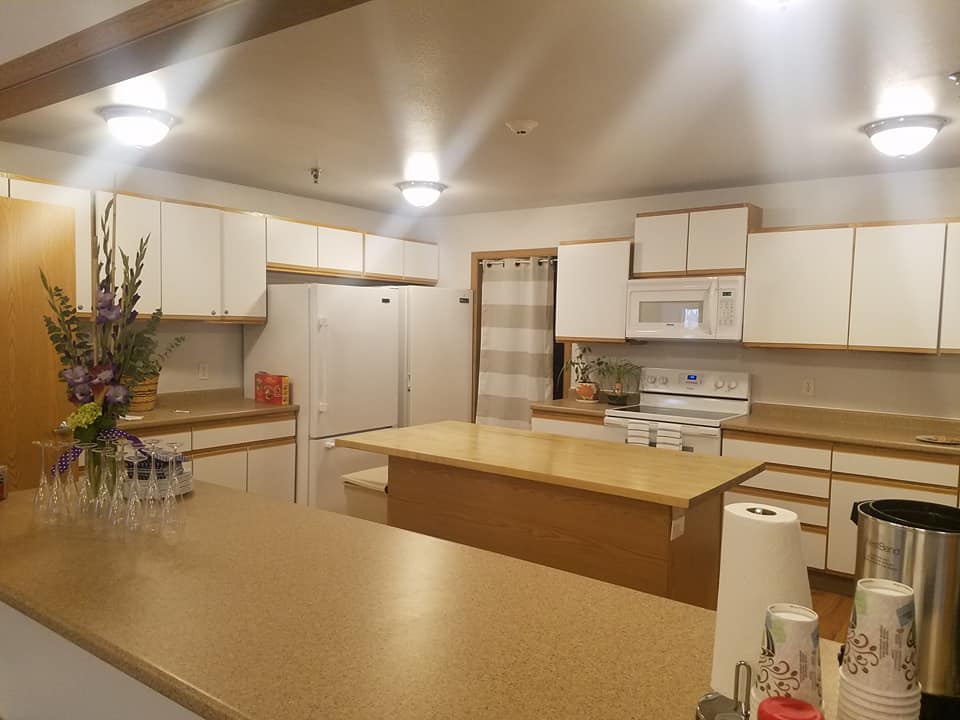
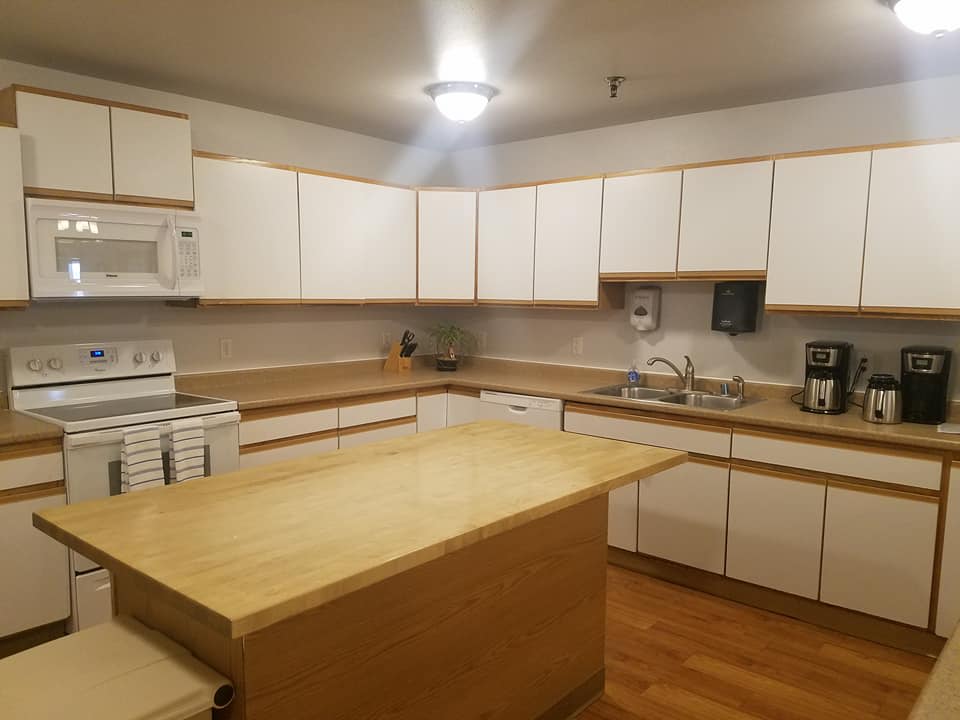
The Rivers in Portage, WI is best suited for families seeking a relatively intimate community where a hands-on, involved leadership team and on-site medical oversight can translate into attentive care, particularly for residents with moderate support needs. It works best for seniors who want help with daily tasks, medication management, and the option of hospice if medical needs rise. The strongest appeal lies in a director who genuinely engages with families and residents, and in nursing presence that can offer reassurance during transitions or health declines. Those who prize clear communication, a warm interpersonal climate, and a readily accessible administrator will find this setting appealing, provided expectations are calibrated to the realities of staffing realities.
At the same time, potential residents should consider alternatives if a consistently high staffing level, seamless daily rhythm, and robust structured programming are essential. The Rivers has shown that higher-cost options with steadier staffing and more comprehensive activity schedules can deliver greater peace of mind. Prospective residents should evaluate not only the price tag but also the reliability of caregiving, the regularity of housekeeping and dining help, and the ability of the team to respond promptly. For people with complex medical needs or those who thrive on a well-oiled, bustling routine, a facility with stronger staffing bandwidth may yield noticeably better outcomes.
On the upside, leadership and healthcare continuity are obvious strengths. The director’s genuine care for residents and the presence of a nurse on site create a safety net that can compensate for periods when shifts are lean. Hospice availability is a meaningful asset, offering professional oversight and symptom management without forcing transitions to outside providers. When staffing is adequate, caregivers can attend to individual needs, sustain meaningful activities, and maintain a respectful, calm environment that honors residents’ dignity. In these moments, The Rivers reveals its capacity to deliver compassionate, person-centered care.
Yet the principal drawbacks are tangible and recurring. Front-line staff shortages and turnover have a tangible impact on daily life, producing a sense of chaos at times and making routines fragile. Families report periods when lines of communication feel stretched, meals, cleaning, and routine checks can be slower, and the overall day-to-day cadence feels less predictable. This reality undermines the otherwise positive intent of the team, especially for residents who rely on consistent support for mobility, personal care, and engagement in activities. The risk, in short, is a mismatch between the care promise and the day-to-day experience during staffing troughs.
Still, the positive factors can offset the negatives when conditions align. Strong leadership paired with on-site nursing and hospice options provides a framework for quality care that can rise above staffing fluctuations. The familiarity built with long-standing staff and the administrator’s active involvement can help maintain trust, reduce anxiety, and preserve continuity of care during busier periods. Families should view the community as a place where excellent care is achievable, but only when ongoing efforts are made to monitor staffing levels, secure sufficient activity support, and maintain open, candid communication with the administration.
For the decision process, focus questions on current staff-to-resident ratios, the reliability of shift coverage, and the plan for handling peak times. Schedule visits at different times of day to observe how caregiving teams operate under varying loads, and speak frankly with current residents about responsiveness and program variety. If compassionate leadership, basic medical oversight, and hospice access are non-negotiables, and if the budget accommodates potential day-to-day variability, The Rivers can be a solid fit. If consistent staffing and predictable daily life are paramount, expand the search to facilities with documented staffing stability and more robust programming to avoid future disappointment.
 Assisted Living
 Cats allowed
 Dogs allowed
 Activities on-site
 Beautician on-site
 Devotional services off-site
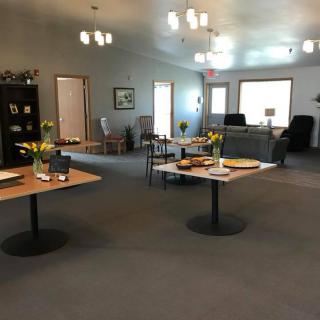
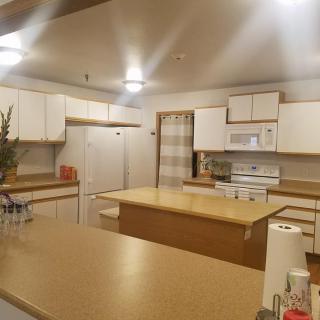
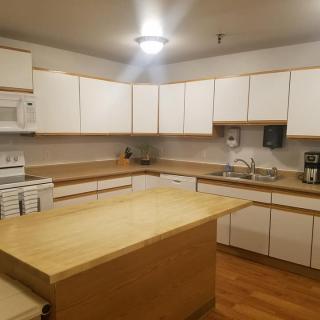
 Indoor common areas
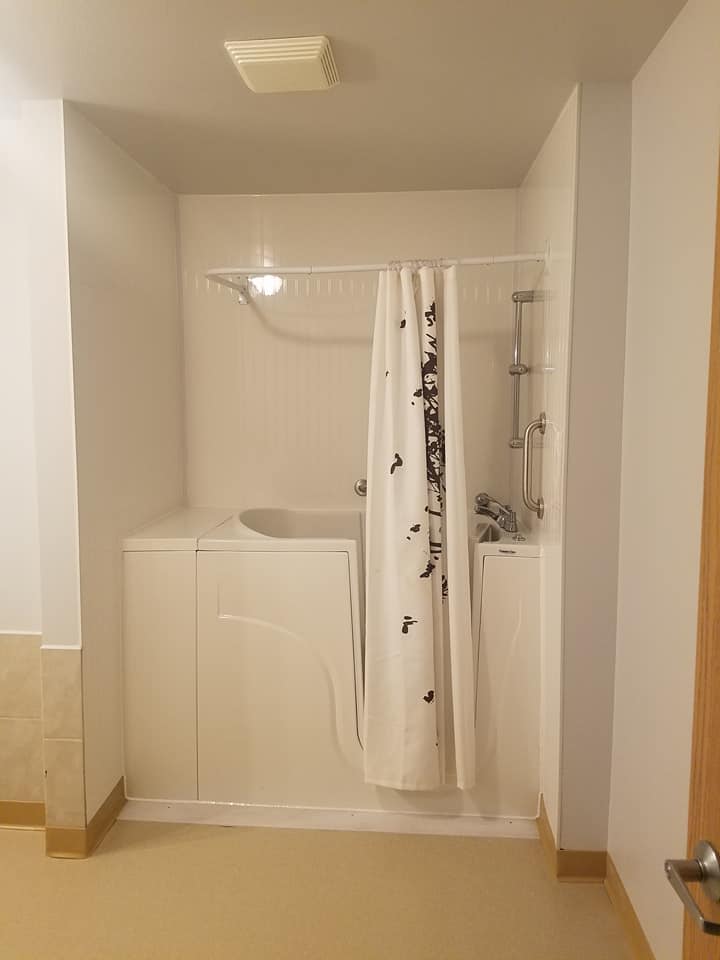
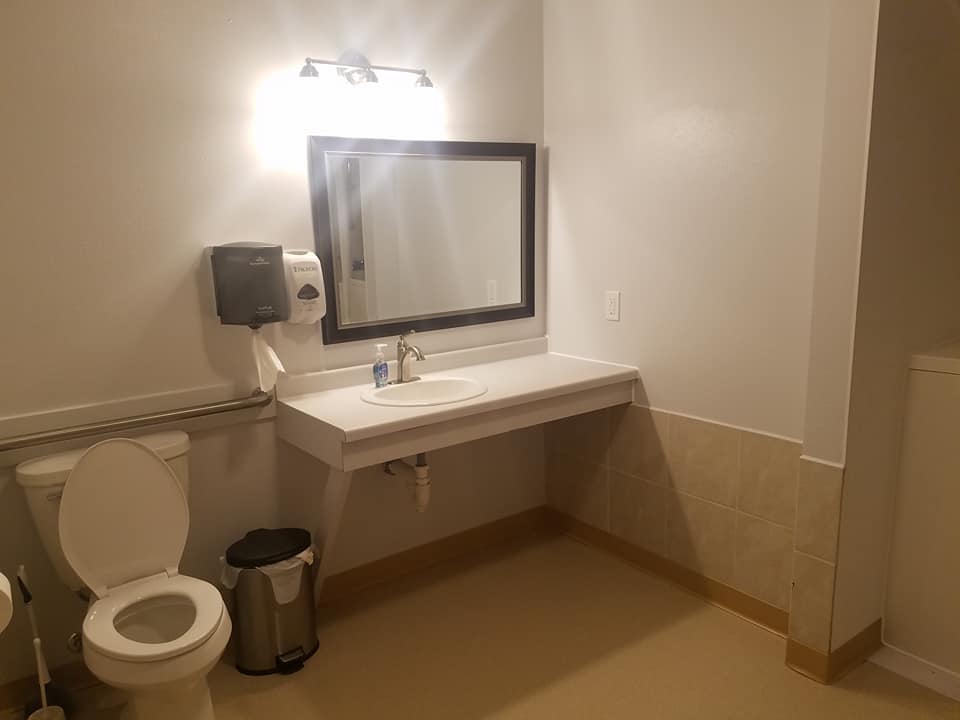
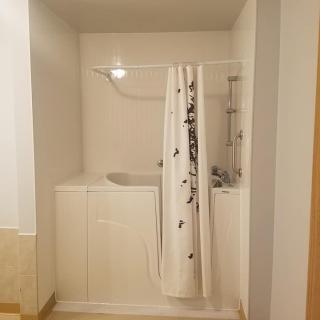
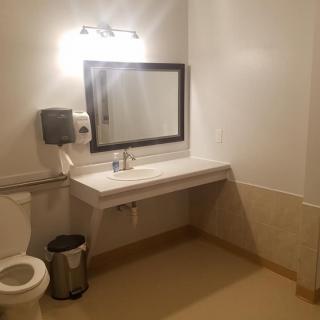
 Wheelchair accessible showers
 Ambulatory care
 Diabetic care
 Meals provided


 Exploring the Path to Senior Living: A Comprehensive Look at Independent Living and Assisted Living
 Is Assisted Living Deductible on Your Taxes? Understanding the Complexities of Assisted Living Expenses and Deductions
 Assisted Living Support for Veterans: A Complete and Detailed Overview