
1521 4th St, Port Edwards, WI 54469
To contact a resident: (715) 887-3860
For more information about senior living options: (866) 208-4318
Overall Review of Seniors Comfy Nest For Elderly
Pros
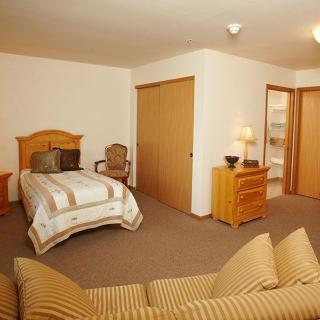
 The rooms are large, spacious, and clean.
- The staff are phenomenal and very attentive.
- There is a strong sense of comfort and security for loved ones being cared for here.
- The service is excellent.
- The staff are friendly.
Review
Seniors Comfy Nest For Elderly in Port Edwards, WI is best suited for families seeking a calm, secure, high-touch care environment where attentive staff translate into reliable daily support. The setting rewards consistency, clear routines, and a strong sense of safety, making it an excellent fit for seniors who value personal connection with caregivers and a home-like atmosphere over a bustling, hospital-style pace. It is especially well-suited for residents who thrive on predictable scheduling, direct staff access, and a warmth that lets families rest easier about daily care. Those prioritizing a wide spectrum of specialized medical services or a highly energetic social calendar may want to consider alternatives.
The strongest draws are the tangible living conditions and the caregiving ethos. Large, spacious rooms that feel clean and well cared for create immediate comfort and reduce stress around everyday living. That space, paired with a staff that is described as phenomenal and remarkably attentive, translates into consistent, hands-on support for daily activities, medication administration, and personal needs. The overarching sense conveyed by the reviews is that a loved one’s sense of security and ongoing comfort is not just a goal but a lived reality here. Residents appear to be handled with thoughtfulness and a steady, reassuring presence that parents and families can trust.
Along with the room quality and staffing, the everyday demeanor of the team reinforces suitability for families seeking dependable engagement and a reassuring care environment. The repetition of “friendly staff” in feedback underscores a culture of approachable caregivers who are available when needed and quick to respond. For families, that accessibility matters as much as the clinical routines, because it shapes the daily experience, how smoothly care tasks are managed, how concerns are addressed, and how much peace of mind exists between visits. In practice, these relational strengths often offset fears about loss of autonomy by preserving dignity, familiarity, and a clear line of sight to the people responsible for daily well-being.
Addressing the realities that aren’t spelled out in the reviews requires a focused look at potential gaps. The feedback highlights exceptional care and security, but it does not lay out breadth of medical oversight, specialty services, or the depth of programming beyond the basics. For families weighing choices, this means considering whether a loved one requires more intensive clinical management, complex memory-care support, or a richer, more varied activity calendar than what an intimate setting typically emphasizes. Those with such needs should explicitly verify on-site clinicians, care plans for memory impairment, and the availability of specialized programs before deciding.
Nevertheless, the pros largely offset these potential gaps for a broad segment of seniors who prioritize daily reliability, compassionate staffing, and a secure, comfortable home. The value proposition rests on the combination of generous living spaces and a proven caregiving culture that steadies both resident experience and family worries. When considering cost alongside the demonstrated care quality, families should gather direct details on prices, what is included, and any add-on services, then compare that clarity against other communities that offer broader clinical reach or more intensive programming. The aim is to align expectations with the specific needs of the senior and the emotional confidence of the family.
A practical decision plan begins with a visit focused not only on tours but on testing the fit: observe interactions with residents, ask to review a sample care plan, and confirm staffing ratios during peak hours. Inquire about memory-care options if memory loss is a concern, and probe the on-site availability of clinicians, regular wellness checks, and personalized activity options. Assess meal timing, nutritional accommodations, transportation, and flexibility around family involvement. If the priority is a dependable, warm environment where caregivers feel like an extension of the family, this community stands out as a strong, trustworthy choice, provided the care needs align with the facility’s capacity and programming.
 Board and Care Home



 Managing Nursing Home Expenses After Medicare Coverage Ends
 Is a Geriatric Care Manager the Right Choice for Your Family?
 Compassionate Conversations: How to Comfort Someone Who Is Grieving