The Waterford at Park Falls offers competitive pricing for its services, particularly in comparison to both Sawyer County and the broader state of Wisconsin. For a semi-private room, residents can expect to pay $2,400 per month, which aligns with the average cost in Sawyer County but stands out as significantly more economical than the state average of $3,977. In contrast, the one-bedroom option is priced at $4,115, slightly below Sawyer County's rate of $4,158 and higher than Wisconsin's average of $3,412. This positioning suggests that The Waterford provides a valuable balance between quality care and affordability, making it an appealing choice for those seeking supportive living arrangements in this region.
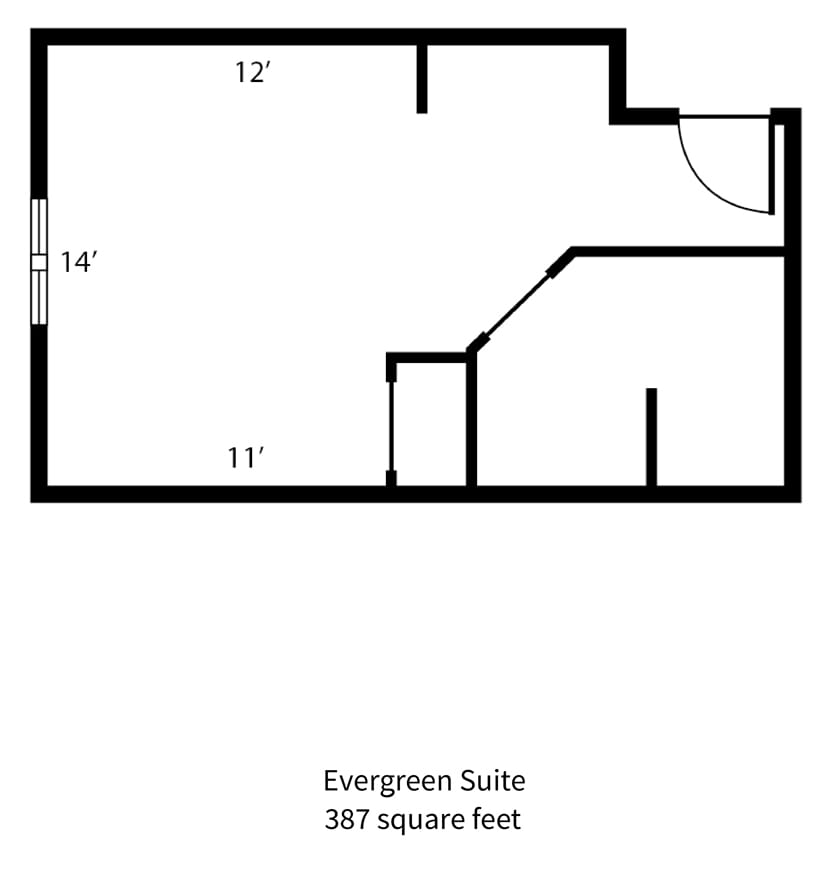
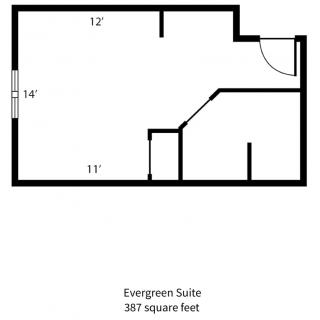
Floor plans
The Waterford at Park Falls
Sawyer County
Wisconsin
Semi-Private
$2,400
$2,400
$3,977
1 Bedroom
$4,115
$4,158
$3,412
Overall Review of The Waterford at Park Falls
common26 reviews mention this
Attentive, responsive care staff
Residents and families consistently describe staff as friendly, attentive, and responsive to needs.
A recurring theme is how approachable and helpful the staff feels in day-to-day interactions. Multiple reviewers mention staff being communicative, attentive, and quick to resolve issues, including during visits and while coordinating care. The overall tone across Assisted Living and Memory Care comments is that residents are well cared for and staff follow through on requests.
common12 reviews mention this
Facility cleanliness stands out
Clean, well-kept common areas and rooms are a frequent point of praise.
Several reviews highlight cleanliness—rooms, dining spaces, and the broader facility. Reviewers describe the building as clean and comfortable, with some noting pleasant overall cleanliness signals like how it smells. A smaller number mention minor cleaning needs in a room, but the general impression remains that the community is maintained.
common17 reviews mention this
Meals are a consistent plus
Food quality and meal experience come up repeatedly across reviews.
Dining is one of the most consistent themes: multiple reviewers say meals are good or enjoyable, and some describe food as appetizing during mealtimes. Others mention specific dining occasions and that residents participate in meals as part of daily life. The community also offers restaurant-style dining and provides meals, with options that align to special dietary restrictions residents mention.
common14 reviews mention this
Activities keep days full
Residents describe ongoing activities and plenty to choose from.
Many reviews point to a steady flow of activities, including games, music, and scheduled group events. Several reviewers say residents stay engaged, with one noting exercise and another describing the range of things to do throughout the day and evening. This lines up with the community’s emphasis on daily programming and on-site activities, including art, fitness, and social events.
differentiator6 reviews mention this
Assisted Living and Memory Care
Residents needing memory support are discussed in a dedicated Memory Care context.
Reviewers who mention cognitive or memory needs describe their loved ones as well taken care of after needs increased, including in the memory setting. Families also mention ongoing care and communication while a resident is in Memory Care. This matches the community offering both Assisted Living and Memory Care, including specialized memory care programming and related support services.
How we summarize
Counts show how many written reviews mention each theme; a review can touch several themes, and only frequently mentioned themes are displayed.
Features
Housing
36 resident community capacity
Studio apartments
Types of Care
Assisted Living
Memory Care
Pets
Cats allowed
Dogs allowed
Amenities
Activities on-site
Air-conditioning
Bath tubs
Beautician on-site
Beauty salon
Cable or satellite TV
Devotional services off-site
Devotional services on-site
Dining room
Fully furnished
Garden
Ground floor units
Guasts at mealtime
Guest parking
Handicap accessible
Housekeeping services
Indoor common areas
Kitchenette
Laundry
Move-in coordination
Outdoor common areas
Outdoor space
Party space
Resident parking
Respite or short term stays offered
Restaurant-style dining
Small library
Spa
TV room
Telephone
Wheelchair accessible showers
Wi-Fi/high-speed internet available
Transportation
Transportation & parking
Care Services
24-hour call system
24-hour supervision
Activities of daily living assistance
Assistance with bathing
Assistance with dressing
Assistance with transfers
Diabetes diet
Diabetic care
Incontinence care
Meal preparation and service
Medication management
Mental wellness program
Mild cognitive impairment
Special dietary restrictions
Specialized memory care programming
Dining
Anytime dining
Diabetes diet
Gluten-free
Guest meals
International cuisine
Low / no sodium
Meals provided
No Sugar
Restaurant style dining
Room service
Special dietary restrictions
Special dining programs
Vegan
Vegetarian
Activities
Activities off-site
Art classes
Arts and crafts
Book club
Catholic services
Community-sponsored activities
Cooking club
Devotional activities offsite
Devotional activities on-site
Educational speakers / life long learning
Fitness programs
Games
Gardening club
Happy hour
Karaoke
Live musical performances
Other religious services
Protestant services
Religious services
Resident-run activities
Scheduled daily activities
Stories
Visiting chaplain or priest
Wii bowling
Wine tasting
Videos
Nearby Places of Interest
This part of Park Falls, Wisconsin offers a variety of amenities and services that cater to seniors looking to live in a comfortable and convenient environment. Within a few miles, there are several restaurants offering diverse dining options, pharmacies for easy access to medication, and cafes for socializing and enjoying a cup of coffee. Places of worship are also nearby for spiritual fulfillment. In terms of healthcare, there are hospitals and physicians' offices within a short distance. For recreational activities, there are parks for leisurely walks and outdoor enjoyment. Additionally, there is a theater for entertainment options. Overall, this area provides a range of resources to support the needs and interests of seniors looking to settle down in Park Falls.
Restaurants
Black Bear Bar and Grill (2 miles)
The Pal Cafe (2.5 miles)
Ajs Bar and Dining (2.6 miles)
A J's Bar & Dining (2.6 miles)
Beil's Family Restaurant (2.7 miles)
Subway (2.7 miles)
China Beijing (2.7 miles)
Places of Worship
Faith Baptist Church (2.1 miles)
Christ the Servant Lutheran Church - Elca (2.1 miles)
First Congregational United Church of Christ (2.5 miles)
The Waterford at Park Falls offers competitive pricing for its services, particularly in comparison to both Sawyer County and the broader state of Wisconsin. For a semi-private room, residents can expect to pay $2,400 per month, which aligns with the average cost in Sawyer County but stands out as significantly more economical than the state average of $3,977. In contrast, the one-bedroom option is priced at $4,115, slightly below Sawyer County's rate of $4,158 and higher than Wisconsin's average of $3,412. This positioning suggests that The Waterford provides a valuable balance between quality care and affordability, making it an appealing choice for those seeking supportive living arrangements in this region.
The Waterford at Park Falls incorporates a range of features designed to support residents with dementia or Alzheimer's disease effectively. 24-hour supervision ensures that residents are continually monitored for safety and wellbeing, which is crucial for those who may experience confusion or disorientation. Assistance with activities of daily living, including bathing, dressing, and transfers, promotes dignity and independence while addressing the challenges these individuals face in managing basic tasks. Incontinence care further enhances comfort and self-esteem by alleviating potential stressors associated with these conditions. Meal preparation and service tailored to individual dietary needs ensures proper nutrition, which can positively impact cognitive function. Medication management is vital in adhering to treatment regimens while preventing complications from missed doses or improper medication usage. The mental wellness program focuses on maintaining cognitive engagement through stimulating activities that cater to varying levels of ability, particularly benefiting those with mild cognitive impairment. Specialized memory care programming is designed specifically for those at different stages of memory decline, providing targeted interventions that foster connection and emotional health among residents. Together, these features create a supportive environment that encourages autonomy while ensuring safety and comprehensive care throughout their daily lives.
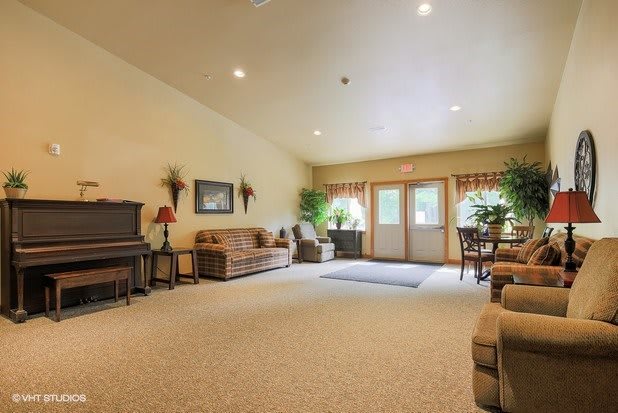
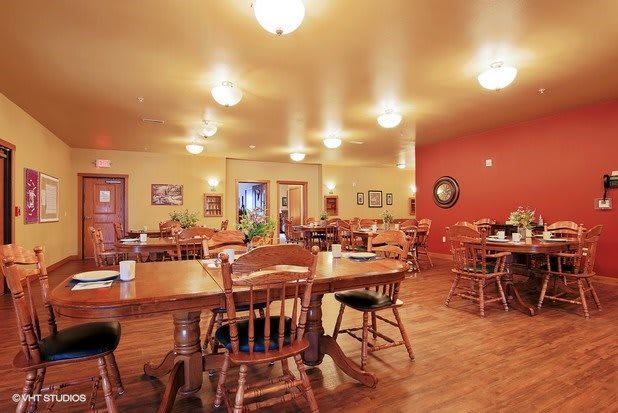
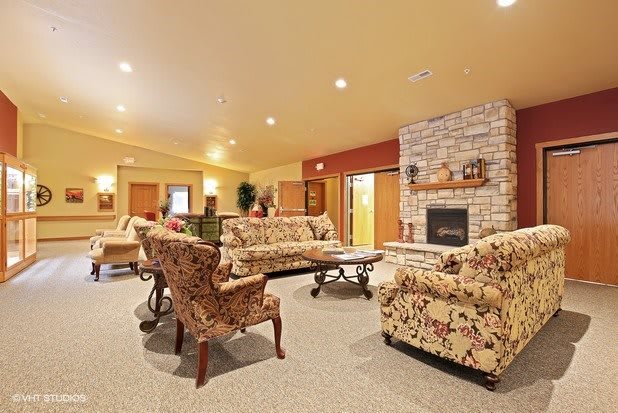
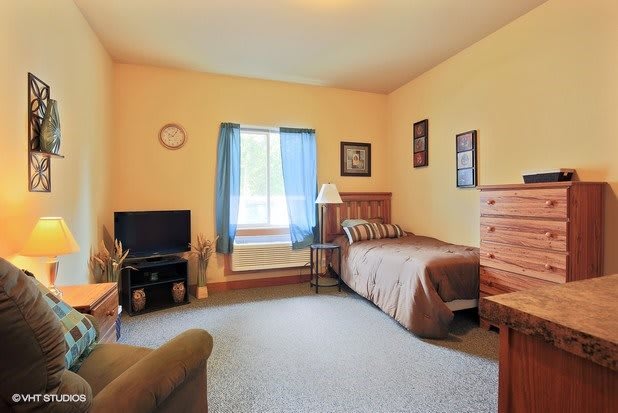
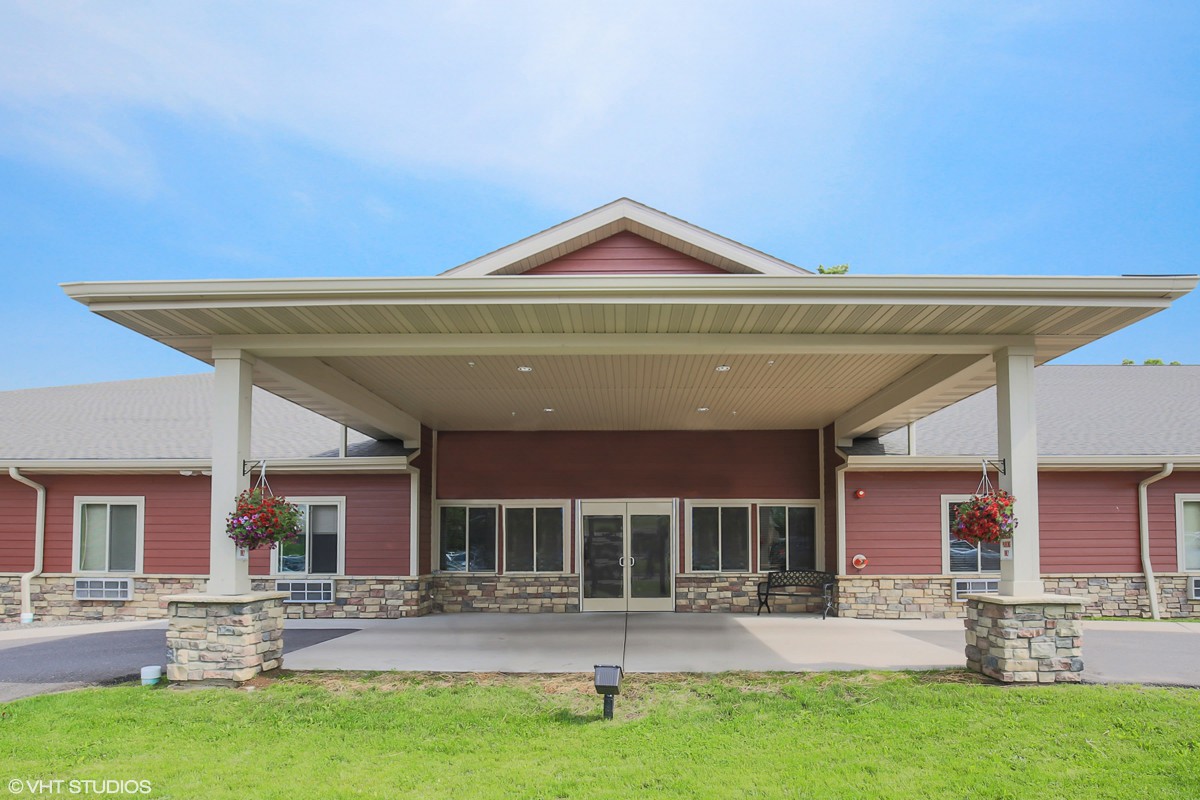
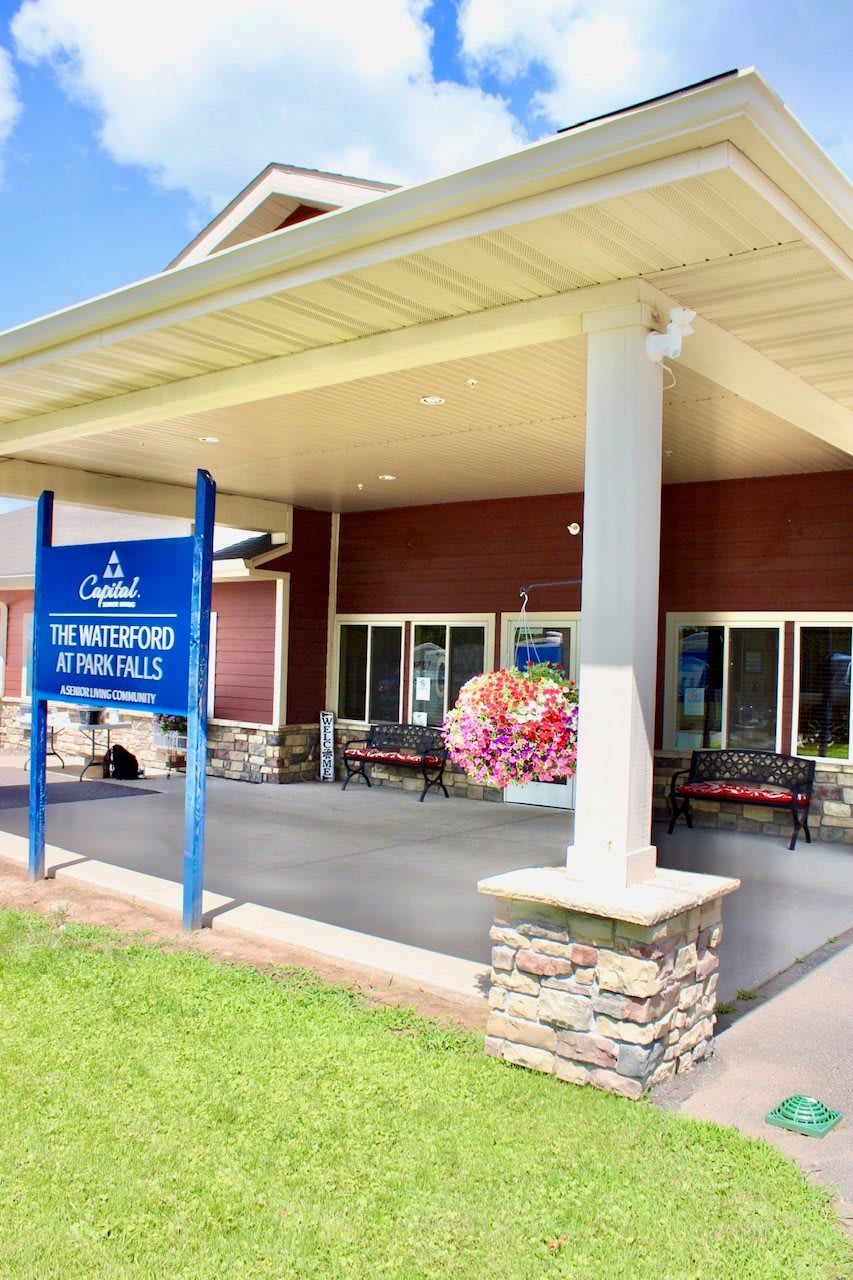
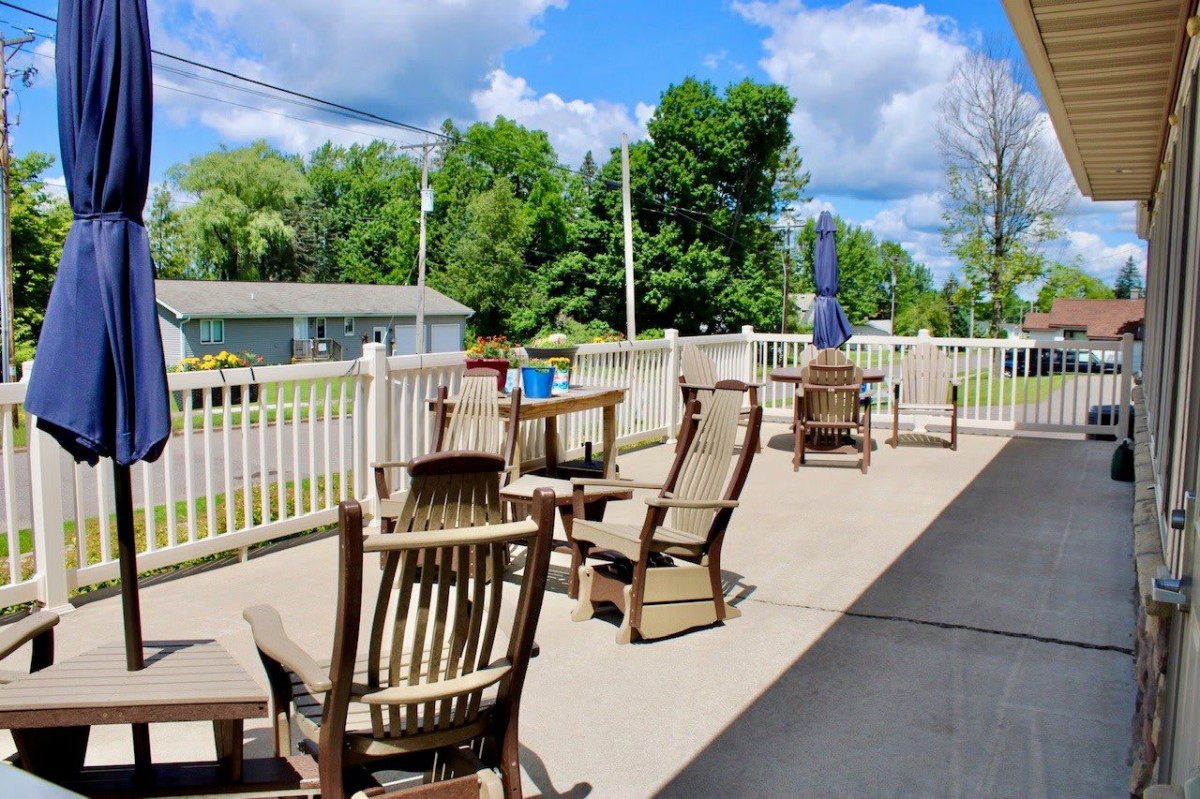
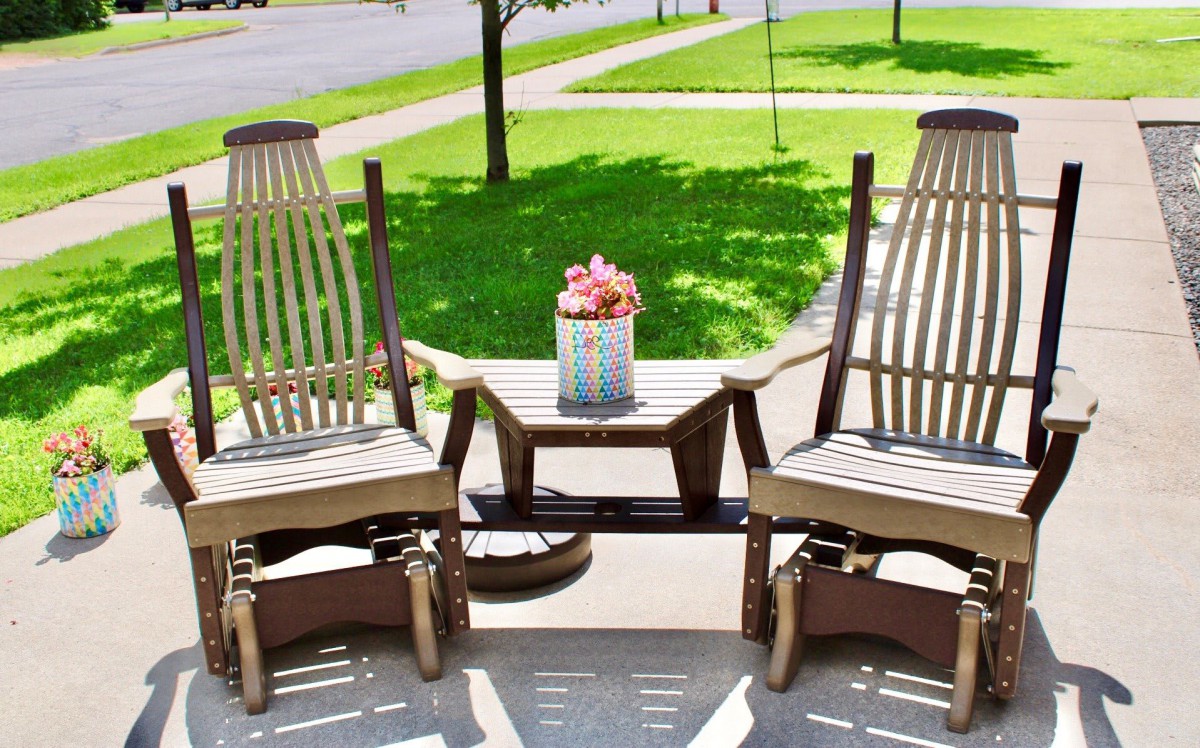
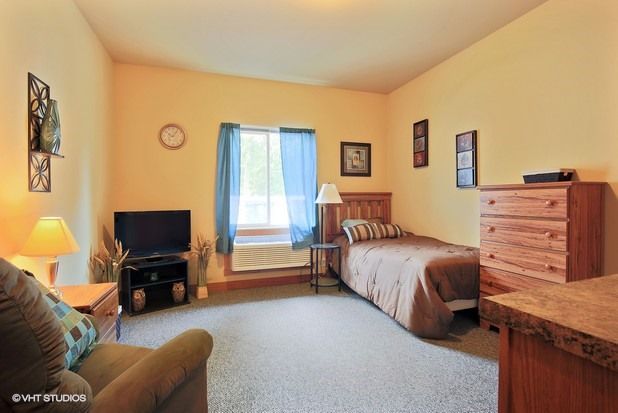
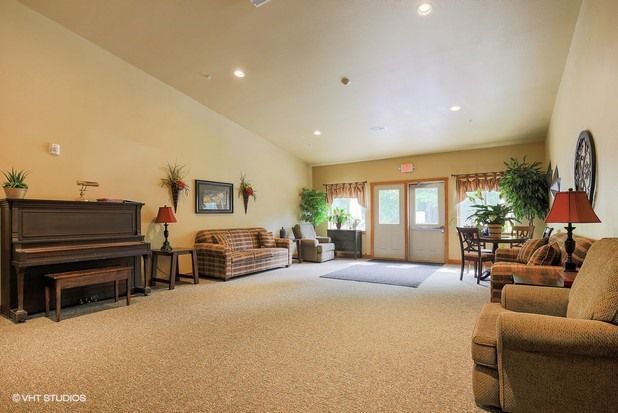
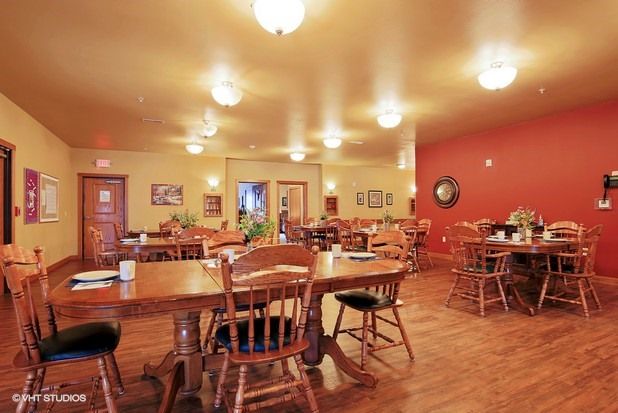
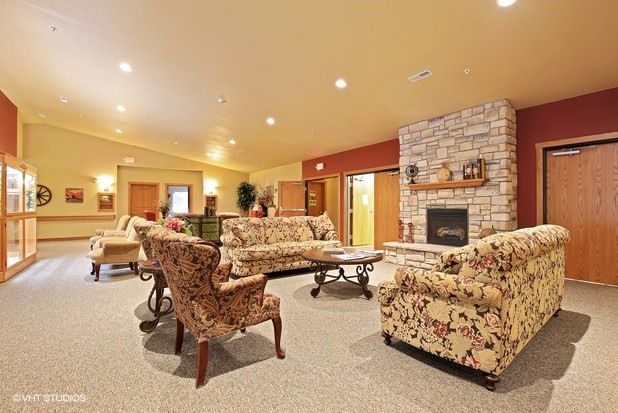
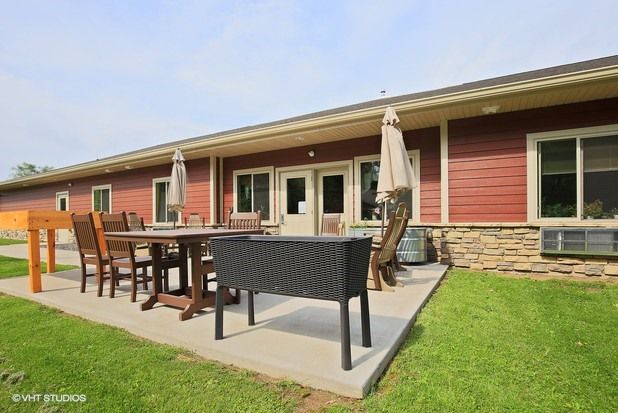
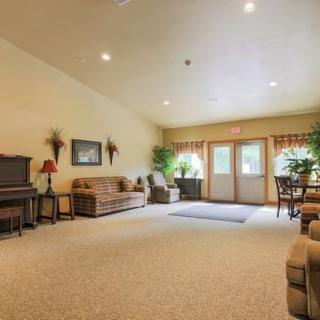
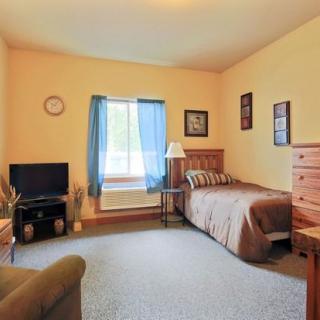
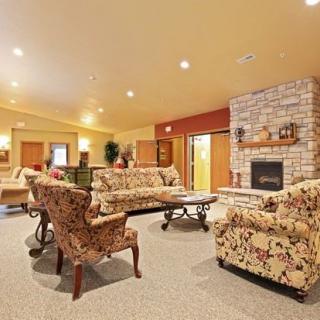
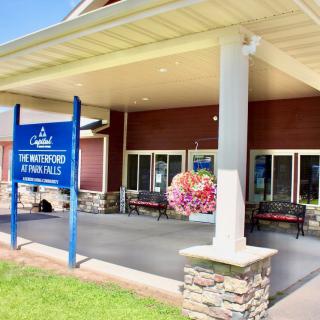
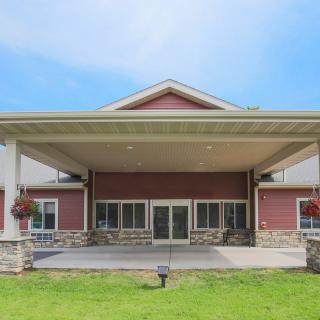
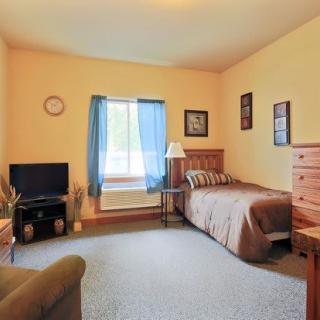
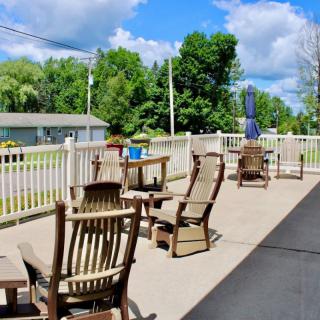
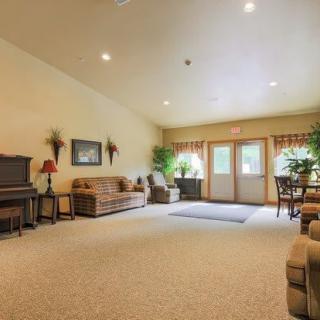
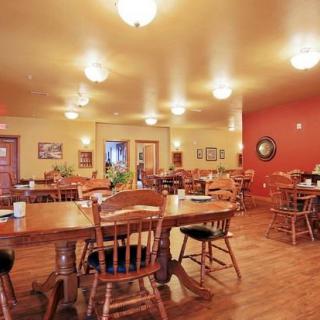
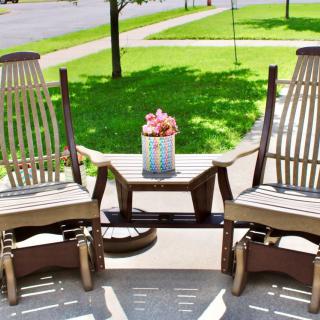
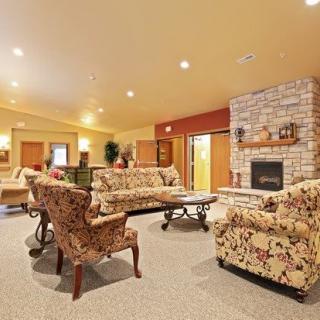
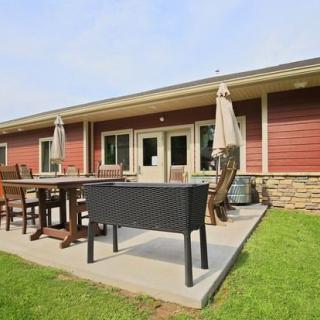
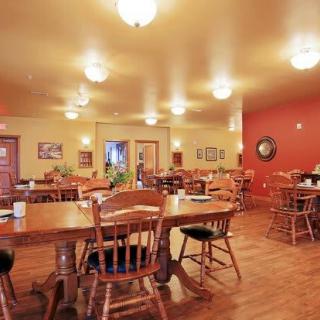
The Waterford at Park Falls on seniors.fyi includes 14 photos including images showing interior, dining, bedroom, living room, architecture, windows, outdoor, patio, and more.
Nearby Communities
Park Manor
Park Falls, WI
2.6 from 5 reviews
Extensive on-site amenities and 24/7 supervision.
Park Place
Park Falls, WI
5 from 1 review
Small, personalized community with comprehensive care and convenient amenities.
Park Village
Park Falls, WI
Pet-friendly assisted living with extensive nearby amenities (cafes, parks, pharmacies, restaurants, theater, and hospital).
Minnow Lake Afh
Phillips, WI
Memory-focused care with 24-hour supervision in a comfortable, fully furnished setting.
Lakeside Villa
Phillips, WI
4.7 from 6 reviews
Pleasant atmosphere with friendly staff and engaging activities.
Lake Village
Phillips, WI
Serene setting with easy access to numerous nearby amenities.
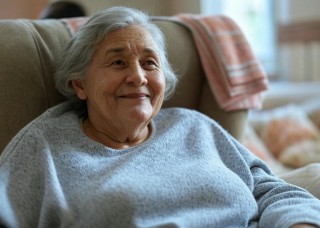
"Memory Care Pathways: A Holistic Guide to Dementia Support" outlines the complexities of dementia and its various types, emphasizing early detection, patient-centered care strategies, caregiver support, and long-term care options while addressing legal and financial considerations to enhance the quality of life for individuals with dementia and their families.
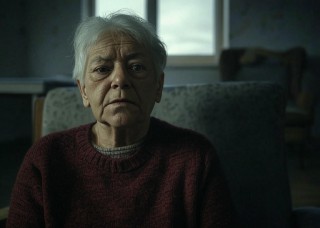
Sundown syndrome, or sundowning, is a phenomenon in dementia patients characterized by increased confusion and agitation during late afternoon and evening, influenced by factors like disrupted circadian rhythms and fatigue. Effective caregiver strategies include establishing routines and managing environmental light while addressing caregiver stress through support services.
Delirium is a rapidly onset, reversible cognitive disturbance often caused by acute medical issues, while dementia is a gradual and irreversible decline due to chronic neurodegenerative diseases. Accurate differentiation between the two is essential for appropriate treatment and management in older adults.
Get PricingAsk A QuestionSchedule A TourContact Senior Advisor
By clicking submit, you agree to our Partner's Terms of Use. You
also consent to receive calls and texts, which may be autodialed, from our Partner. Your consent is not a condition to
using our Partner's service. Please visit our Partner's Privacy Policy for information about their privacy practices.

 36 resident community capacity
 Studio apartments
 Assisted Living
 Memory Care
 Cats allowed
 Dogs allowed
 Activities on-site
 Air-conditioning
 Bath tubs
 Beautician on-site
 Cable or satellite TV
 Devotional services off-site
 Dining room
 Fully furnished
 Garden
 Ground floor units
 Guest parking
 Handicap accessible
 Housekeeping services
 Indoor common areas
 Kitchenette
 Laundry
 Move-in coordination
 Outdoor common areas
 Party space
 Respite or short term stays offered
 Restaurant-style dining
 Small library
 Spa
Spa Telephone
 Wheelchair accessible showers
 Wi-Fi/high-speed internet available
 Transportation & parking
 24-hour call system
 Assistance with bathing
 Assistance with dressing
 Assistance with transfers
 Diabetes diet
 Diabetic care
 Incontinence care
 Medication management
 Mental wellness program
 Special dietary restrictions
 Art classes
 Book club
 Catholic services
 Cooking club
 Educational speakers / life long learning
 Fitness programs
 Games
Games Happy hour
 Karaoke
 Live musical performances
 Wii bowling
 Wine tasting
 Extensive on-site amenities and 24/7 supervision.
 Memory Care Pathways: A Holistic Guide to Dementia Support
 Comprehending Evening Confusion in Dementia: Causes, Manifestations, and Support
 Delirium and Dementia: Unraveling the Key Differences