
506 North Main Street, Orfordville, WI 53576
For more information about senior living options: (866) 208-4318
Overall Review of The Next Inning
Pros
 The staff are nice and caring.
- They go out of their way to take care of their clients.
- They accommodate residents' needs because the facility is small.
- There are about 15 private rooms, offering a private setting.
- There is no set meal time, which provides flexibility for residents.
- They accommodate residents as they wake up and get ready, showing individualized care.
- The staff are good people, even though there are only a few of them.
Cons
 The Next Inning was very small and had only about 15 people, which limited its offerings.
- There weren’t many activities.
- There was nothing on the dry board about activities.
- That day was not planned out.
Review
The Next Inning in Orfordville, WI is best suited for families seeking an intimate, caregiver-driven environment where residents receive highly personalized attention and routines can flex to individual preferences. With roughly 15 private rooms and a small resident footprint, the community operates more like a close-knit home than a large campus. This setting rewards those who prioritize a calm pace, privacy, and staff who know their names and can adjust daily life on the fly. It works particularly well for residents who prefer a simple, straightforward environment over a wide array of planned activities or high-energy programming.
Those weighing alternatives should consider options if structured social programming, broader activity calendars, or more staff oversight are priorities. If a family wants a community with abundant outings, frequent group activities, or more formalized schedules, The Next Inning may feel limiting. Likewise, if around-the-clock medical supervision, predictable nurse coverage, or more extensive on-site services are non-negotiable, larger, more resourced facilities will typically deliver that level of consistency more reliably. Residents who value robust communal life over individualized pacing will likely want to look elsewhere.
The strongest pro here is the quality of care rooted in genuine warmth. Staff are described as caring and diligent, consistently going out of their way to meet residents’ needs. The small scale enhances this effect: caregivers can respond quickly, tailor interactions, and monitor subtle changes that might be overlooked in bigger communities. The intimate setting also means privacy and dignity can be preserved more easily, with scheduling flexibility built into daily routines. In a place this small, residents aren’t herded through a rigid calendar; they’re accommodated as situations arise, which can be a meaningful comfort for many families.
That same small scale, however, is the primary counterweight. With only a few staff members on site, coverage can be limited at times, and it may take longer for tasks to be completed during busier moments. Activities tend to be sparse and not heavily scheduled; on one visit, there was little planned for the day, and the activity board wasn’t a reliable indicator of what would happen. For families seeking a rich, engaging calendar or frequent social opportunities, this inconsistency can feel at odds with expectations. The 15 private rooms underscore the overall footprint: there is limited common space, which can constrict opportunities for spontaneous gatherings or group therapy sessions.
From a practical standpoint, the living rhythm at The Next Inning is simple and human-centered. Residents have the autonomy to wake and eat on their own timetable, with meals prepared in a flexible manner to accommodate individual rhythms. That approach reduces the pressure of fixed mealtimes and can ease transitions for early risers or late sleepers. The room configuration, private and modest, supports quiet time and personal control over belongings, which many families value when comparing alternatives that emphasize communal living. Yet the flip side is that without a broader menu of activities or more structured social options, some residents may experience longer stretches without meaningful engagement.
Care planning at this scale will hinge on proactive family involvement and clear expectations about staffing and programming. For someone who wants to know the caregivers by name, values minute-to-minute attentiveness, and is comfortable managing a lighter activity slate, The Next Inning can be a strong match. Conversely, families with higher medical needs, a requirement for frequent nurse oversight, or a desire for a bustling activities program should approach with caution. In those cases, a larger assisted living where dedicated memory care or rehab services are readily integrated may be a wiser long-term fit.
In the end, the decision comes down to balance. The Next Inning delivers exceptional personal attention within an intimate, home-like setting, and its flexibility around meals and routines can be a substantial relief for residents who prize autonomy and a calm environment. However, its limited staff and modest programming make it a less suitable home for residents who require more intensive supervision or vibrant daily engagement. Families should plan a sit-down with the leadership, request a sample day, and observe how staff interact across shifts. If this environment aligns with the resident’s temperament and care needs, it offers genuine, thoughtful care that larger, busier communities often struggle to match. If not, explore options that prioritize breadth of services and a more active everyday schedule.
 15 resident community capacity
 Assisted Living
 Board and Care Home
 Memory Care
 Cable or satellite TV
 Dining room
 Fully furnished
 Garden
 Housekeeping services
 Move-in coordination
 Outdoor space
 Telephone
 Wi-Fi/high-speed internet available
 24-hour supervision
 Activities of daily living assistance
 Assistance with bathing
 Assistance with dressing
 Assistance with transfers
 Diabetes diet
 Hospice waiver
 Meal preparation and service
 Medication management
 Mental wellness program
 Special dietary restrictions
 Transportation arrangement (medical)
 Transportation to doctors appointments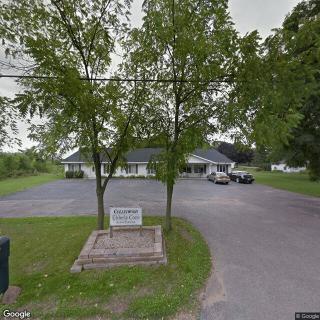



 A Detailed Exploration of Assisted Living Medicaid Waivers Across the United States
 Exploring the Contrasts Between Assisted Living and Skilled Nursing
 Vibrant Senior Living: A Comprehensive Guide for Active Older Adults