
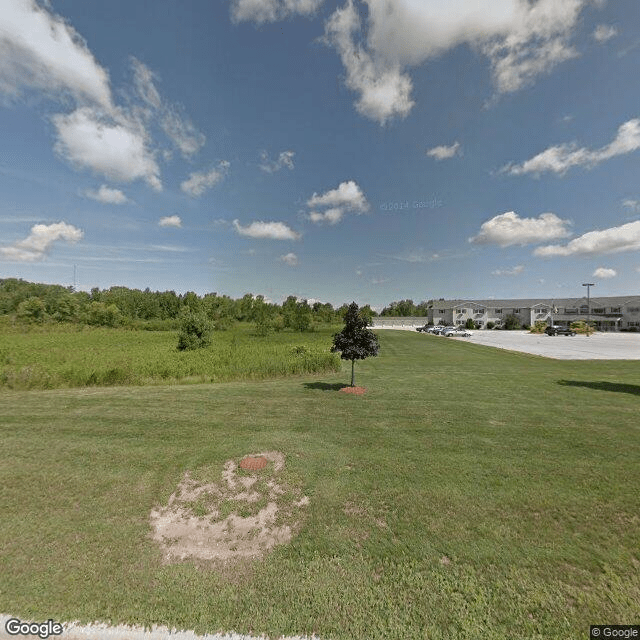
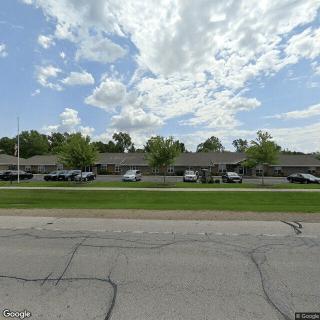
751 E Highland Drive, Oconto Falls, WI 54154
To contact a resident: (920) 848-3458
For more information about senior living options: (866) 208-4318
Meadowlands Costs & Pricing
In Meadowlands, the cost of living presents an appealing alternative when compared to both Shawano County and the broader Wisconsin area. For a one-bedroom apartment, residents can expect to pay $922 per month, which is significantly lower than the county average of $3,643 and the state average of $3,412. Similarly, two-bedroom units in Meadowlands are priced at $1,216 monthly, well below Shawano County's average of $3,506 and Wisconsin's average of $3,111. This stark contrast highlights Meadowlands as an attractive option for those seeking affordable housing without compromising on quality of life.
| Floor plans | Meadowlands | Shawano County | Wisconsin |
|---|---|---|---|
| 1 Bedroom | $922 | $3,643 | $3,412 |
| 2 Bedrooms | $1,216 | $3,506 | $3,111 |
Overall Review of Meadowlands
Pros
 The building itself seemed nice.
- The workers on the floor seemed nice.
Cons
 The front desk staff were rude.
- The arrival experience was not friendly.
- They would not consider placing their mother there.
- By supper time, the facility seemed understaffed and unorganized.
Review
Meadowlands in Oconto Falls, WI is best suited for families seeking a straightforward, no-frills setting where floor-level caregivers appear competent and the building itself presents a calm, easy-to-navigate environment. The review notes that the on-the-floor staff were decent and the facility looked clean, a reminder that daily care is possible and the layout is practical for navigating with an elder. This community shines for residents who prioritize tangible day-to-day caregiving and a maintenance-conscious campus over flair at the front desk. It’s not a luxury choice, but for families who want predictable routines and a resident-facing atmosphere that feels functional, Meadowlands can be a reasonable fit.
However, the single review also makes clear that this is not a universally warm welcome. The front-desk encounter was described as rude and not friendly, which matters because first impressions shape comfort levels for new residents and their families. When administration colors the experience with a curt greeting, it raises concerns about oversight, communication, and how concerns will be handled long-term. Additionally, the reviewer flagged under-staffing near supper time and a sense of disorganization, which signals potential gaps in supervision and meal-time assistance. For families who depend on courteous, reliable front-office engagement, alternatives should be seriously considered.
The built-in pros, clean facility, visible competence on the floor, and accessible common spaces, do offset some risk. Residents can benefit from a calm physical environment and caregivers who appear present and engaged in their tasks. Yet the extent to which these positives counterbalance administrative friction is limited. Front-desk rudeness can undermine trust before care needs are even addressed, and perceived disorganization undercuts confidence in scheduling, medication passes, and timely assistance. In care planning terms, the on-hand caregivers matter most, but the front-office experience remains a gatekeeper: if it's negative, residents may feel unsupported when trying to coordinate services, schedule visits, or request help.
From a decision perspective, the key red flags are staffing gaps around meal periods and a personnel dynamic that seems to separate the front desk from the caregiving teams. That separation tends to create delays, miscommunications, and a sense that residents are not the top priority during busy shifts. The review paints a picture of a facility with the right bones but with an administration that needs to align more closely with frontline care. Families should probe whether scheduling is robust, whether there are consistent points of contact, and whether the staff turnover rate has improved since the observed shift. Without assurances in these areas, Meadowlands risks recurring frustrations that disrupt daily life and peace of mind.
Practical next steps include arranging another visit during peak times, such as near meals, to observe staffing in action. Ask to speak with the administrator and tour the front desk flow, noting response times, courtesy, and follow-through on requests. Inquire about nurse-to-resident ratios, staff training protocols, and how care plans are communicated to families. Request concrete examples of how the campus handles scheduling changes, meal service delays, and family updates. If possible, compare experiences with nearby communities to gauge whether Meadowlands’ strengths in the living environment outweigh the front-office concerns in a real-world setting.
Bottom line: Meadowlands offers a solid physical environment and capable floor care, which are meaningful assets for a loved one who values day-to-day reliability on the ground. However, the front-desk demeanor and signs of under-staffing and disorganization present concrete reasons to pause, especially for families where courtesy, clear communication, and predictable access to help are non-negotiable. Those who can tolerate a rougher administrative edge in exchange for a well-maintained building and attentive caregivers may still consider Meadowlands, provided leadership can demonstrate improved coordination and staffing stability before move-in. For families that prioritize consistently warm, organized, and responsive service across all touchpoints, exploring other communities first is the prudent default.
 Assisted Living
 Activities on-site
 Beautician on-site
 Devotional services off-site
 Indoor common areas
 Ambulatory care
 Diabetic care
 Meals provided


 Beyond the Bingo Hall: 50+ Enriching Activities for Seniors in Assisted Living
 Understanding the Distinctions: Assisted Living and Memory Care Explained
 Guiding Elderly Parents Who Refuse Assisted Living: 6 Practical Steps