

200 34th St., Monroe, WI 53566
To contact a resident: (608) 329-3601
For more information about senior living options: (866) 208-4318
St. Clare Friedensheim Costs & Pricing
St. Clare Friedensheim offers competitive pricing for its residential options in comparison to both Green County and the broader state of Wisconsin. The cost for a one-bedroom unit at St. Clare Friedensheim is $3,156 per month, which is slightly more affordable than the county average of $3,223 and significantly lower than the state average of $3,412. When it comes to private rooms, however, St. Clare Friedensheim aligns closely with Green County's rate of $6,000 per month but stands out against the state average of just $4,339. This pricing structure highlights a nuanced approach to care that balances quality accommodations with reasonable costs tailored to regional expectations.
| Floor plans | St. Clare Friedensheim | Green County | Wisconsin |
|---|---|---|---|
| 1 Bedroom | $3,156 | $3,223 | $3,412 |
| Private | $6,000 | $6,000 | $4,339 |
Assisted Living communities with a similar price nearby
-
from +$564 / mo
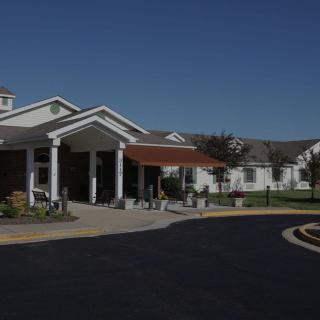
Oakley Courts
$3,720 to $4,037 / month21.7 miles away -
from -$256 / mo
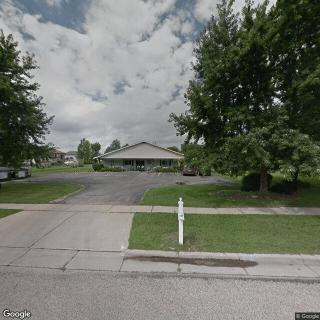
Heartsong Assisted Living
$2,900 / month18.4 miles away -
from +$444 / mo
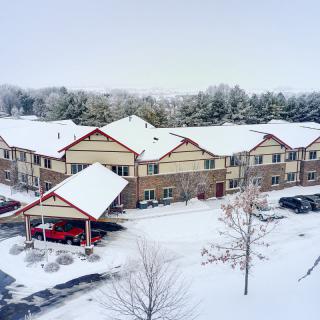
The Heights Assisted Living
$3,600 to $4,500 / month20.8 miles away -
About the same
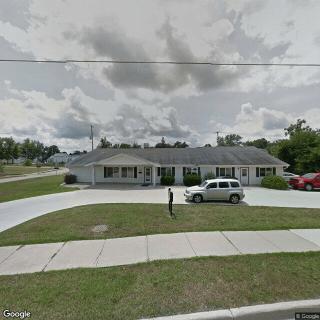
Graceland Manor
$3,200 to $4,200 / month0.4 miles away
Overall Review of St. Clare Friedensheim
Pros
 The facility provided an amazing experience for residents.
- The caring staff consistently went above and beyond.
- The staff made residents feel like important members of the family.
- Everyone there was wonderful, from the nurses and CNAs to the food service and the director.
- The facility is beautiful and very homey.
- The place is very nice and offers good food.
Review
St. Clare Friedensheim in Monroe, Wisconsin is best suited for seniors who crave a warm, home-like environment and care that feels personal and highly attentive. The strongest messages from current and former families center on staff who go beyond ordinary duties, turning care into a relationship. Residents are described as being treated like family by nurses, CNAs, food service staff, and administrators alike, creating a sense of continuity and trust. The setting reinforces this impression: a beautiful, comfortable facility described as homey, where daily routines, meals, conversations, and reassurance, unfold in a calm, familiar rhythm. For seniors who thrive on personal connection and steady, consistent presence from the care team, this community delivers with notable clarity.
Yet this is not the place for every care scenario. The most compelling positives emphasize relationship-based care rather than a hospital-style, high-intensity medical program. Families weighing alternatives should assess whether a resident requires advanced clinical oversight, dementia-specific programming with broad activity options, or robust rehabilitation services that larger campuses typically provide. The published reviews are glowing but limited in number, so the range of services and speed of access to specialized care cannot be assumed to match bigger facilities. Those with complex medical needs, extensive mobility challenges, or a desire for a wide array of structured therapies should compare St. Clare Friedensheim against larger senior living communities to ensure every requirement is met.
Overall, the core advantages align with what most families prioritize: genuine warmth from staff, a sense that caregivers know residents personally, and a welcoming, home-like atmosphere that reduces transition stress. The up-close involvement of every team member, from nursing to food service to leadership, helps residents feel seen and secure, turning daily routines into meaningful rituals rather than chores. The absence of obvious negatives in the reviews is not a flaw but a signal that high-touch, relationship-driven care can offset potential concerns about pace and scale. In practical terms, the lived experience appears to deliver more emotional comfort and steadiness than more impersonal settings, which represents a meaningful offset to any gaps in program breadth.
To move from impression to decision, prospective families should schedule a concrete visit with a prepared checklist. Confirm staff-to-resident ratios and how care plans are developed and updated, including the degree of family involvement in decision-making. Inquire about meal flexibility, dietary accommodations, and how residents participate in menu planning, since good food is repeatedly highlighted as a strength. Ask about activity calendars, social outings, and opportunities for meaningful engagement beyond basic care, as well as how the facility handles transitions to higher levels of care if needs change. Finally, review billing practices for transparency and any ancillary fees, ensuring alignment with expectations set during tours and conversations with staff.
St. Clare Friedensheim excels for families who place a premium on feeling heard, respected, and emotionally supported. The testimonials underscore a culture where residents are treated as important members of the family, with staff dedication spanning nursing, caregiving, and administration. The homey ambiance and reputation for good food reinforce a sense of daily life that can be comforting during a transition. A rating of 4.7 from three reviews signals strong satisfaction, yet the small sample means travelers should verify consistency through firsthand visits and conversations with current residents. When warmth and a well-run, intimate setting are the top priorities, this community stands out as a compelling option.
Bottom line: this is a practical fit for seniors who want a protective, personable environment where staff relationships define the care experience. If that frame matches the residentā€™s needs and family expectations, St. Clare Friedensheim deserves serious consideration. For those seeking broad clinical programming, immediate access to a wide range of therapies, or a larger campus with more staff and resources, it is wise to compare options and not assume equivalence. A guided tour, questions tailored to individual health trajectories, and a candid discussion of costs will reveal how well the model aligns with care goals. When alignment exists, the decision becomes straightforward and confidence-inspiring.
 Assisted Living
 Activities on-site
 Devotional services off-site
 Indoor common areas
 Ambulatory care
 Diabetic care
 Meals provided
 Assisted Living Support for Veterans: A Complete and Detailed Overview
 Exploring the Contrasts Between Assisted Living and Skilled Nursing
 8 Key Indicators That Suggest It May Be Time to Transition from Assisted Living to Skilled Nursing Care