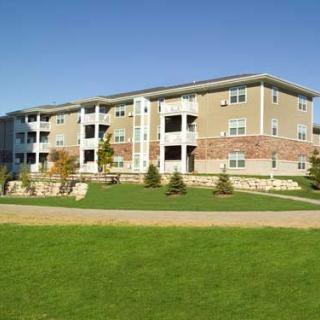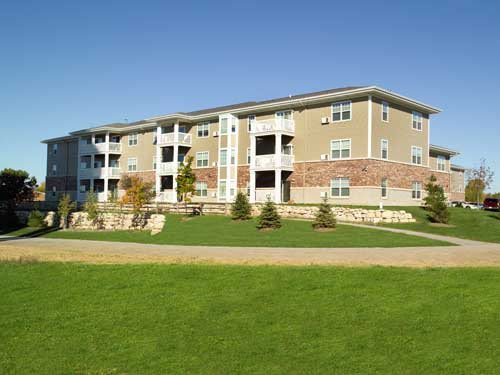
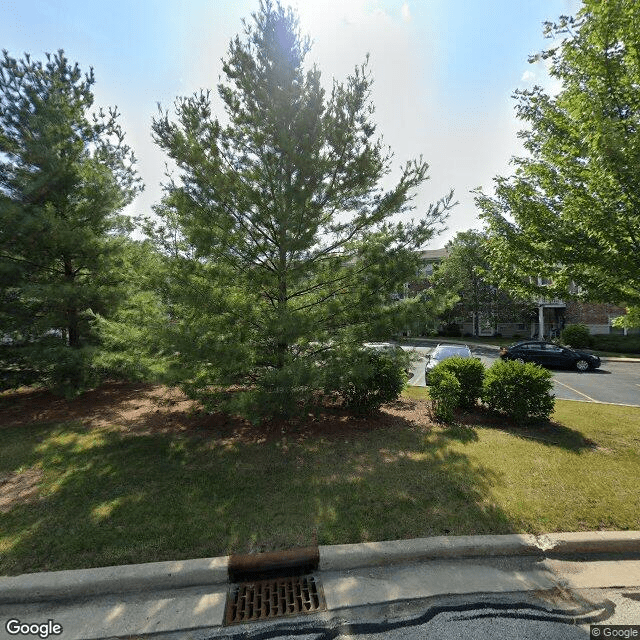
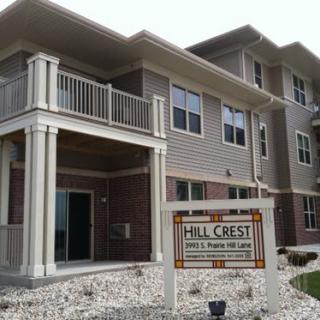
3953 S. Prairie Hill Lane, Greenfield, WI 53228
To contact a resident: (414) 604-2222
For more information about senior living options: (866) 208-4318
Prairie Hill of Woodland Ridge Costs & Pricing
Prairie Hill of Woodland Ridge offers competitive pricing for its accommodations compared to broader market trends in Waukesha County and Wisconsin. For a one-bedroom unit, residents enjoy a monthly cost of $616, which significantly undercuts the county average of $2,752 and the state average of $3,412. Similarly, the two-bedroom units are priced at $748, again presenting a considerable savings compared to Waukesha County's average of $2,524 and Wisconsin's statewide average of $3,111. These pricing structures not only highlight Prairie Hill's affordability but also suggest an attractive value for potential residents seeking quality living without the hefty price tag typically associated with such offerings in the region.
| Floor plans | Prairie Hill of Woodland Ridge | Waukesha County | Wisconsin |
|---|---|---|---|
| 1 Bedroom | $616 | $2,752 | $3,412 |
| 2 Bedrooms | $748 | $2,524 | $3,111 |
Senior living communities with a similar price nearby
-
from +$120 / mo
Quail Pointe
$736 to $893 / month13.6 miles away -
from -$108 / mo
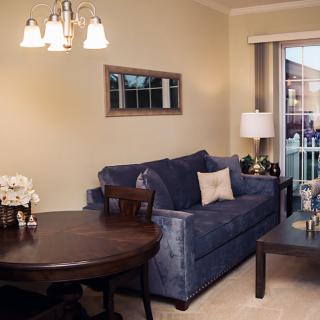
Home Harbor (Residential Care Apartment Complex)
$508 / month20.3 miles away -
from +$55 / mo

Clare Heights
$671 to $821 / month5.2 miles away -
from +$91 / mo
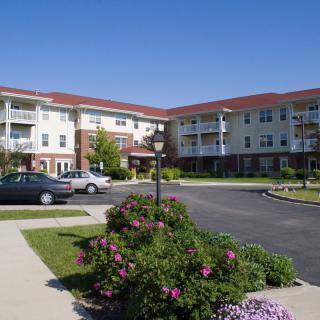
Bell Tower Place
$707 to $817 / month5.2 miles away -
About the same
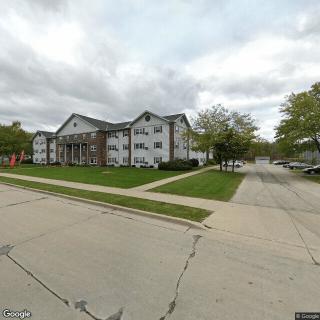
Williamstown Bay - Cudahy III
$625 to $750 / month8.3 miles away
Overall Review of Prairie Hill of Woodland Ridge
Pros
 The new resident finds it good so far.
- Everything in the new resident's apartment is fine.
- There are activities available for participation.
Cons
 There is no staff here to help.
Review
Prairie Hill of Woodland Ridge is best suited for seniors who want a private, self-directed living space and can thrive with minimal on-site assistance. The resident feedback points to a straightforward independent-living model: apartments are described as fine, and some activities exist to provide light social engagement. This community will appeal most to those who value control over daily routines, privacy, and predictable surroundings, rather than a high-touch care environment. Families with residents who require regular help, medication management, transportation, daily grooming, or safety monitoring, should consider alternatives where staff availability and care levels are built into the core offering. In short, Prairie Hill serves as a practical home base for independent seniors, not a substitute for assisted living.
The strongest practical positives are the residential details that matter most for day-to-day comfort. Apartments are reported to be satisfactory, with no outstanding issues in their condition, which reduces move-in friction and helps new residents settle without immediate repairs or upgrades. The existence of activities, even if limited, provides opportunities for social participation and routine without imposing a rigid schedule. For a resident who already has a robust support network, family or community programs outside the community, the lack of heavy services may be acceptable or even preferable. The combination of autonomy and purposeful programming can create a livable, predictable everyday experience.
The most consequential drawback, clearly echoed by the resident comments, is the absence of on-site staff to assist. This gap matters most when facing everyday needs or unexpected situations: help with a spill, a reminder about medications, or a prompt to attend a social event can be uncertain. For new residents, acclimation can be smoother if there is a readily available staff presence. Without this, safety margins shrink for anyone with mobility concerns, cognitive changes, or chronic health needs. Families must weigh whether the peace of private living outweighs the potential delays or gaps in practical support during evenings, weekends, or holiday periods.
From a decision-making perspective, the pros and cons tilt toward a specific resident profile. Prairie Hill rewards independence, personal responsibility, and a quiet, apartment-centered lifestyle. The limited staffing model offsets some cost and complexity for those who do not require ongoing assistance. Yet the same factors can amplify risk for individuals who do, at any time, need routine help with daily tasks, emergency response, or care coordination. Prospective residents should quantify this balance: what would be the impact of needing help after hours, how quickly could assistance be summoned, and what contingency plans exist for medical or safety concerns? The value here rests on a high degree of self-reliance and a supportive external network.
For families evaluating options, Prairie Hill should be compared with communities that provide clear levels of care and transparent staffing schedules. Alternatives to consider include facilities that guarantee on-site staff availability, regular safety checks, scheduled transportation, meal support, and medication management, features that align more closely with assisted living or higher levels of care. When touring, demand concrete answers: exact staff hours, on-call procedures, emergency response timelines, meal plans, activity calendars, transportation routes, and guest policies. A tour should also observe peak hours to assess attendance at activities and the visibility of staff in common areas. This practical diligence prevents mismatches between expectations and day-to-day lived experience.
Ultimately, Prairie Hill of Woodland Ridge offers a welcoming apartment-based option for those who prize independence and light social programming. For residents with evolving care needs or safety concerns, this community is unlikely to meet the full spectrum of support required. The right match exists for those who already have robust self-sufficiency and a reliable external support system or who are prepared to accept a higher degree of self-management in exchange for privacy and control. For families prioritizing dependable care oversight, the prudent move is to explore other options first, then revisit Prairie Hill as a potential fit once a clear picture of required services and response capacity is established.
 Active Adult Communities (55+)
 Cats allowed
 Activities off-site
 Bath tubs
 Beautician on-site
 Devotional services on-site
 Wheelchair accessible showers
 General Mitchell International (7 miles away)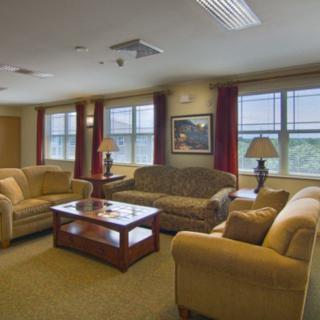


 Navigating Medicare Coverage for In-Home Care Services
 In-Home Care Costs in 2025: A Detailed State-by-State Exploration
 Understanding Home Health Care: A Comprehensive Guide