
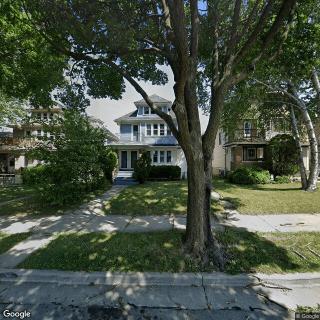
2824 North 59Th Street, Milwaukee, WI 53210
For more information about senior living options: (866) 208-4318
Overall Review of Methu Adult Family Care Home II
Pros
 The AFH is wonderful.
- The owner and staff are very professional.
- They create a home atmosphere for their members.
- The AFH is highly recommended for family members or wards.
Cons
 They steal medication.
- They do not want/allow resistance to go to the hospital because they lose money.
Review
This Milwaukee community is best suited for seniors who want a compact, home-like living arrangement with very direct access to a hands-on owner and caregiving team. Methu Adult Family Care Home II operates on the intimate model of an Adult Family Home, where routines feel straightforward and caregivers know residents by name. Families drawn to practical, non-hotel-style living will appreciate the emphasis on everyday companionship, predictable schedules, and a sense of being cared for as part of a small household. The overall rating of about 4.2 from five reviews, four five-star voices punctuated by a single critical note, signals a generally positive experience for those prioritizing warmth, accessibility, and personal attention over grand programming or resort-like amenities.
Those who require heavy clinical oversight, specialized memory care programming, or a facility with broad on-site medical capabilities may want to consider alternatives. The decisive negative voice highlights concerns about medication handling and a perceived reluctance to pursue hospital transfer for financial reasons, which are serious questions for any family weighing risk and autonomy. While this single account stands against the backdrop of four strong positives, it should not be ignored. Families must press for transparent policies on medication management, transfers, and escalation protocols, and compare those policies against state licensing standards before committing.
On balance, the strongest positives center on professionalism and a homelike atmosphere. The owner and staff are repeatedly described as capable, approachable, and focused on creating a daily life that feels dignified and connected. The home atmosphere itself matters: residents are offered individualized attention, familiar routines, and the kind of frequent staff interaction that reduces isolation. For families seeking a small, attentive setting where staff become familiar faces rather than faceless caregivers, these elements translate into meaningful daily comfort, easier communication, and quicker responsiveness when needs arise. That practical warmth often translates to lower stress for families during transitions and during day-to-day care decisions.
The most troubling concerns revolve around the reported medication incident and the implication that medical decisions could be influenced by financial considerations. These are not minor quibbles; they strike at trust, safety, and the core expectations of any elder-care relationship. Such allegations warrant immediate, rigorous scrutiny, before any placement, to confirm that medication administration is governed by formal processes (double-check policies, secure storage, ongoing audits) and that pathways to hospital or higher-level care are clear, ethical, and resident-centered. The existence of a highly positive track record in most reviews does not erase the seriousness of these claims, but it does argue for a prudent, evidence-based vetting rather than reflexive dismissal.
When the positives meet the risks, the offset hinges on rigorous safeguards and transparent governance. A well-run AFH with a professional owner can implement strict medication controls, secure storage, and routine oversight that mitigate the kinds of concerns raised in the critical review. A small-scale setting also offers visible accountability, the owner’s direct involvement, open-door policies, and the opportunity to observe care routines firsthand. If a family can obtain a current, written medication management policy, inquire about staff credentials and on-call coverage, and verify recent state inspections, the favorable aspects become a reliable foundation rather than a hopeful impression.
Ultimately, the decision rests on alignment of risk tolerance, family expectations, and the resident’s care needs. For seniors who prize a homey vibe, consistent caregiver relationships, and straightforward daily life, Methu Adult Family Care Home II presents a credible, practical option that can feel like a natural next step from living at home. However, for families needing stringent guarantees around medication safety, hospital transfer decisions, and aggressively supervised clinical care, alternatives with larger clinical staffs, more formalized governance, or specialized memory-care capabilities may be preferable. The prudent path is to schedule an in-person tour, request current policies on medication handling and transfers, speak with the owner about governance and incident reporting, and solicit references from current residents or families. If these checks align with the family’s standards, the community can deliver a reliable, comforting living environment; if not, the time to explore other avenues is well spent.
 3 resident community capacity
 Assisted Living
 Cable or satellite TV
 Dining room
 Fully furnished
 Garden
 Housekeeping services
 Move-in coordination
 Outdoor space
 Telephone
 Wi-Fi/high-speed internet available
 General Mitchell International (10 miles away)
 24-hour supervision
 Activities of daily living assistance
 Assistance with bathing
 Assistance with dressing
 Assistance with transfers
 Diabetes diet
 Meal preparation and service
 Medication management
 Special dietary restrictions
 Transportation arrangement (medical)
 Transportation to doctors appointments




 Assisted Living Support for Veterans: A Complete and Detailed Overview
 Exploring the Contrasts Between Assisted Living and Skilled Nursing
 8 Key Indicators That Suggest It May Be Time to Transition from Assisted Living to Skilled Nursing Care