
11250 West Coldspring Road, Milwaukee, WI 53228
For more information about senior living options: (866) 208-4318
Overall Review of Maxson Manor
Cons
 The management is very poor.
- The owner does not even acknowledge the house.
- Residents' requests are ignored.
- Maintenance after bed bugs is poor.
Review
Maxson Manor in Milwaukee presents a profile that only a narrow slice of seniors should consider: residents who can tolerate chronic management gaps, delayed service, and limited administrative accountability. In practical terms, this community is best suited for individuals who have strong external support, either from family or caregivers, and who can independently oversee daily needs, repairs, and safety concerns. Those with higher care needs, expectations for prompt problem-solving, or a reliance on staff for reminders, housekeeping, and maintenance will likely experience ongoing frustration. The absence of visible responsiveness sets a ceiling on what can be reasonably expected from daily life here.
Explicitly, alternatives should be explored by anyone who cannot accept persistent neglect, unresolved maintenance, or bed bug episodes. Families seeking transparent communication, proactive maintenance, and reliable pest control will find better options elsewhere. Potential residents who require regular, respectful staff interaction, and who expect owner oversight to be responsive, should consider other communities with established reputations for resident-centered management. In short, if dependable administration is non-negotiable, Maxson Manor is not the right fit.
From the available information, there are no documented advantages to offset the severe drawbacks. The single review highlights poor management, an owner who does not acknowledge the house, residents' requests ignored, and maintenance problems following a bed bug incident. Those factors combine to undermine safety, comfort, and trust. Without clear positives, such as organized programs, consistent maintenance, or transparent operations, the cons do not balance. The absence of beneficial features makes the feasibility of long-term residency questionable for anyone seeking stability.
Bed bugs signal more than a nuisance; they raise health and dignity concerns, and the report of post-incident maintenance neglect suggests deeper operational weaknesses. When requests go unanswered, small issues can escalate into larger problems, increasing risk of falls, disease transmission, and unsanitary conditions. Such dynamics erode resident autonomy and family confidence. The owner’s lack of engagement compounds risk: without visible leadership, care planning, and accountability, residents may be left without reliable responses in emergencies or routine needs. In short, the environment described points to avoidable hazards rather than a supportive living setting.
For families still weighing options, a disciplined due-diligence path is essential. If evaluating a visit to Maxson Manor, insist on speaking with multiple staff and any current residents or families. Ask pointed questions about pest control history, maintenance response times, and how requests are tracked and fulfilled. Request recent floor plans, service disclosures, and a copy of the contract that specifies remedies for neglect. Check references with neighboring facilities for contrast. A clear performance baseline, response time, maintenance turnaround, and resident satisfaction, will illuminate whether any potential benefits are real or fantasy.
Overall, current information places Maxson Manor on the wrong side of the risk-benefit equation for most seniors. The primary concern, persistent management failures and a bed bug incident with inadequate follow-through, overshadows any imaginable upside. Families with strong oversight should still exercise caution, and those who require reliable care and respectful administration should immediately consider alternatives with proven track records of attentive management, clean facilities, and swift issue resolution. In practice, other Milwaukee-area options are likely to offer a safer, more trustworthy path to comfortable, dignified aging in place.
 8 resident community capacity
 Assisted Living
 Board and Care Home
 Memory Care
 Cable or satellite TV
 Dining room
 Fully furnished
 Garden
 Housekeeping services
 Move-in coordination
 Outdoor space
 Telephone
 Wi-Fi/high-speed internet available
 General Mitchell International (8 miles away)
 24-hour supervision
 Activities of daily living assistance
 Assistance with bathing
 Assistance with dressing
 Assistance with transfers
 Diabetes diet
 Hospice waiver
 Meal preparation and service
 Medication management
 Mental wellness program
 Special dietary restrictions
 Transportation arrangement (medical)
 Transportation to doctors appointments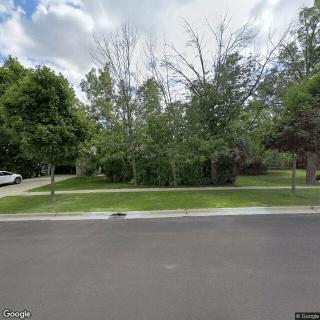
 Intimate 8-bed setting with personalized care.



 Vibrant Senior Living: A Comprehensive Guide for Active Older Adults
 Assisted Living and Memory Care: Understanding Their Core Differences
 Choosing the Right Senior Care: A Detailed Exploration of Assisted Living and Nursing Homes