
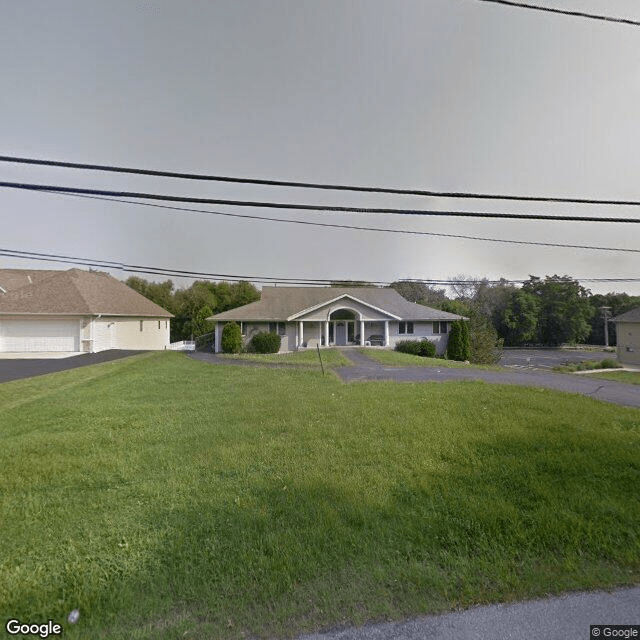
11250 W. Coldspring Rd., Greenfield, WI 53228
To contact a resident: (414) 427-7857
For more information about senior living options: (866) 208-4318
Maxson Manor, Inc. Costs & Pricing
Maxson Manor, Inc. offers a competitive pricing structure for its private rooms at $2,800 per month, which is notably lower than the averages in both Waukesha County and the broader state of Wisconsin. In comparison, residents in Waukesha County face monthly costs of approximately $4,205, while the statewide average escalates to about $4,339. This significant difference underscores Maxson Manor's commitment to providing quality care and comfortable living arrangements at more accessible rates, making it an appealing option for those seeking senior housing solutions without compromising on quality or service.
| Floor plans | Maxson Manor, Inc. | Waukesha County | Wisconsin |
|---|---|---|---|
| Private | $2,800 | $4,205 | $4,339 |
Senior living communities with a similar price nearby
-
About the same
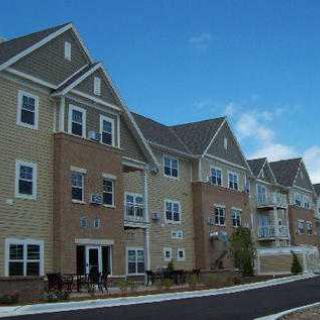
Deerwood Crossing Senior Residence
$2,800 to $3,200 / month14.3 miles away -
from +$350 / mo
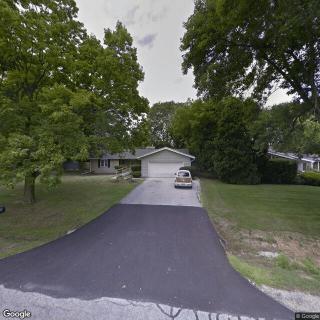
Home Share North Shore House
$3,150 / month14.2 miles away -
About the same

Heavenly Home Inc
$2,800 to $3,000 / month7.7 miles away -
from +$269 / mo
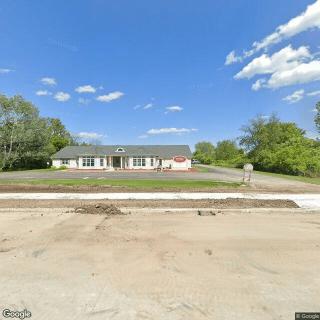
Matthews of Oak Creek
$3,069 / month7.4 miles away -
from -$180 / mo

Gall Family Care Home
$2,620 to $2,988 / month19.0 miles away
Overall Review of Maxson Manor, Inc.
Pros
Cons
 The management is very poor.
- The owner does not acknowledge the house.
- Residents' requests are ignored.
- Maintenance after the bed bug infestation is poor.
Review
Maxson Manor, Inc., in Greenfield, Wisconsin, is best suited for residents and families that can tolerate chronic gaps in management and insist on vigilant oversight from loved ones or professional advocates. The operating picture conveyed by the available information shows a leadership team that struggles to engage with resident needs, leaving requests unanswered and daily operations underresponsive. In practical terms, this is a setting where reliable communication and timely maintenance cannot be counted on without sustained external oversight. For families choosing this community, the reality is that care quality will depend heavily on third-party monitoring, frequent site visits, and a readiness to intervene whenever issues arise.
Those who should seriously weigh alternatives are families seeking predictable, proactive management and respectful, responsive staff interactions. If a resident requires consistent follow-through on requests, regular maintenance, prompt attention to concerns, or a transparent line of accountability from the owner and management, this facility is unlikely to meet those needs. Prospective residents with complex care routines, or those who cannot supervise care arrangements closely, will encounter heightened risk of neglect or mismanagement. In short, this community is not well-suited for anyone counting on dependable administrative responsiveness or a well-run maintenance culture.
From the limited information available, there are no evident, credible positives that can offset the central drawbacks. The absence of demonstrated strengths, such as responsive administration, proactive maintenance, or a respectful resident experience, means that the reported management failures and maintenance lapses dominate the evaluation. Without tangible advantages to balance them, the risks associated with neglectful communication and inadequate upkeep become the deciding factor for most families. Even the possibility of a smaller, low-cost setting cannot reasonably compensate for ongoing neglect and the lack of management accountability.
The daily impact of these issues is straightforward: residents may endure delayed repairs, unresolved requests, and drift between staff and leadership that leaves needs unmet. Bed bug incidents referenced in the report point to serious pest management challenges, followed by troublesome maintenance repairs that fail to restore a stable, sanitary living environment. Such a pattern undermines safety, comfort, and peace of mind for both residents and family members who are trying to ensure a steady routine, dignified care, and predictable expectations. This is not a situation to navigate casually; it demands proactive escalation, documentation, and a plan for rapid remediation or relocation if conditions do not improve.
If the decision is still in play, implement a rigorous due-diligence process before enrollment. Schedule multiple site visits at different times of day, speak directly with residents and families about responsiveness and reliability, and request copies of service contracts, maintenance logs, and any pest-management records. Inquire about how complaints are tracked, who authorizes repairs, and what steps are taken when promises are not kept. Confirm the owner’s involvement or oversight structure and seek transparent metrics on turnover, maintenance response times, and remediation outcomes. Compare these findings against nearby communities with stronger reputations for management accountability and resident satisfaction to ensure the chosen path aligns with long-term care needs.
Bottom line: Maxson Manor presents substantial red flags for families that require dependable leadership, timely maintenance, and respectful, consistent resident engagement. Best suited for those able to tolerate leadership gaps and who can marshal ongoing oversight, the community offers limited practical value to most households. Alternatives with verifiable management reliability, clearer communication, and proactive maintenance should be prioritized. If staying in the Greenfield area is non-negotiable, approach with a firm oversight plan, clear escalation channels, and a readiness to move quickly if conditions fail to improve.
 Board and Care Home
 Private
 Respite or short term stays offered
 General Mitchell International (8 miles away)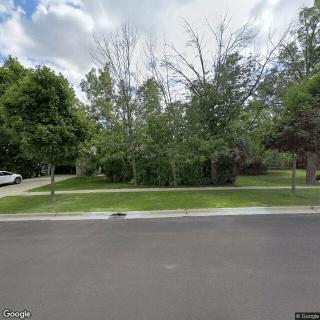
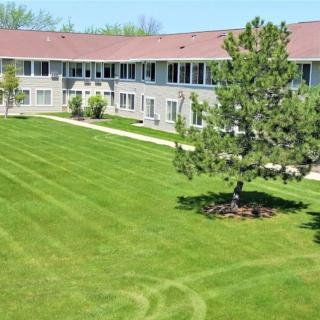
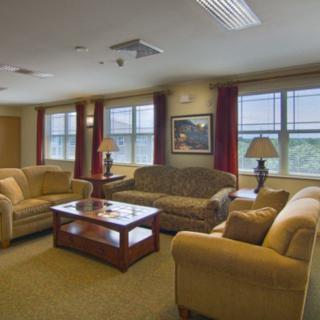
 Intimate 8-bed setting with personalized care.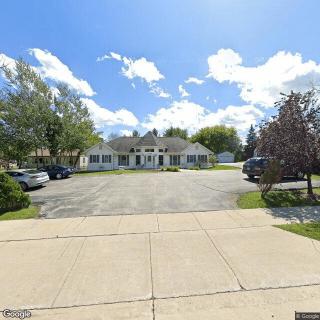

 Engaging Brain Games and Innovative Apps to Keep Senior Minds Active
 Effective Strategies for Keeping Seniors' Minds Active: A Deep Dive into Brain Games and Apps
 In-Depth Look at the VA Aid and Attendance Program