
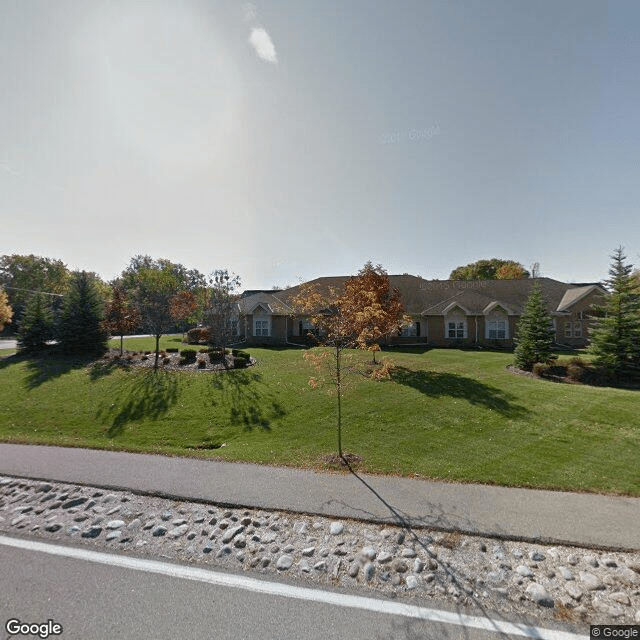
225 E. Brown Deer Rd., Milwaukee, WI 53208
To contact a resident: (414) 258-9955
For more information about senior living options: (866) 208-4318
Haven - Bayside Costs & Pricing
Haven - Bayside offers private room accommodations at a competitive rate of $4,200 per month. When compared to the average costs in Milwaukee County, which stand at $4,513, and the broader Wisconsin state average of $4,339, Haven - Bayside presents a more economical choice for individuals seeking quality living arrangements. This attractive pricing not only reflects the commitment to providing value but also positions Haven - Bayside as an appealing option for those considering long-term care solutions in a cost-effective manner.
| Floor plans | Haven - Bayside | Milwaukee County | Wisconsin |
|---|---|---|---|
| Private | $4,200 | $4,513 | $4,339 |
Senior living communities with a similar price nearby
-
from +$300 / mo

Willow Glen Elder Care
$4,500 to $7,000 / month19.9 miles away -
About the same

River Way Place
$4,200 / month21.6 miles away -
from -$200 / mo
Ellens Home Germantown
$4,000 / month10.9 miles away -
from -$200 / mo
Complete Home Health Care
$4,000 / month5.5 miles away -
from +$613 / mo
Oak Park Place Of Wauwatosa
$4,813 to $5,649 / month11.5 miles away
Overall Review of Haven - Bayside
Cons
 The facility never answers the phone and never returns calls.
- The manager oversees three facilities and is never at the visited location.
- Staff turnover is alarming.
- There is too little staff, leading to overwork.
- Patients are suffering neglect.
- There was only one staff member for twenty residents, which is unacceptable.
- The sole staff member was overwhelmed trying to care for everyone.
- The facility's cleanliness was poor, with sticky floors and filthy rooms.
- With only one staff member and no administrator present, residents' basic needs, including showers, were not adequately met.
Review
Haven - Bayside in Milwaukee is best suited for families that can provide rigorous, hands-on oversight and accept a setting where leadership presence is intermittent and staffing levels are lean. In practical terms, this community serves those who are willing to visit frequently, monitor daily care, and step in when questions arise. It is not a plug-and-play option for families seeking a worry-free, consistently supervised environment. Those who want a facility with predictable governance, reliable response times, and stable nurse-aide coverage should consider alternatives. The reality in the feedback suggests that without active family involvement, daily care can drift.
Two reviews highlight a recurring, troubling pattern: phone lines left unanswered and calls not returned, with a manager who oversees three facilities and is not consistently present at Bayside. The result is a climate of chronic under-staffing, with reports of one staff member covering twenty residents, a ratio that makes fundamental care a perpetual struggle. This is more than fatigue; it translates into delays in medications, missed or rushed tasks, and a scant level of personal attention. The situation is reinforced by observations of cleanliness issues, floors that feel sticky, rooms that come across as dirty, and residents whose basic needs risk being unmet due to insufficient supervision. Accountability appears diffuse, and care standards deteriorate as a consequence.
In practical terms, the cons substantially overwhelm any potential upside. The reviews provide little to no evidence of meaningful strengths, whether in clinical oversight, activity programming, or resident comfort, that could offset the looming risks. The primary hazards involve safety and dignity: questions about med administration, inadequate help with dressing or bathing, and a facility environment that does not consistently meet basic cleanliness expectations. When leadership is sparse and frontline staff are stretched perilously thin, the likelihood of mistakes rises and the resident experience becomes stressful rather than supportive. The absence of a clear, credible path to improvement makes the overall value proposition unattractive for those prioritizing reliable, compassionate care.
Families evaluating this community should pursue rigorous due diligence. Next steps include demanding specifics on staffing models (per shift, role breakdowns, and supervision of medications), and requesting a clear on-site administrator schedule. Insist on a transparent accountability chain and access to recent inspection or quality-metric data. Tours should probe housekeeping routines, laundry processes, and how personal care is delivered when staffing is thin. Listening to multiple residents and families about daily routines and response times is essential. Without concrete, verifiable processes, the documented concerns are likely to persist.
Alternatives should be measured against facilities with demonstrable staffing stability, proactive leadership, and visible resident-centered routines. Seek communities where the administrator is consistently on site, medication pass procedures are well defined, and cleaning protocols are routinely enforced. Review state inspection reports for citations related to staffing, medication management, and sanitation, and gather testimonials from current residentsā€™ families. A well-structured tour should reveal organized operations, clear lines of accountability, and a calm, responsive care environment rather than a sprint to fulfill basic tasks. If a move is contemplated, prioritize transparency, steady leadership, and dependable daily care.
Bottom line: Haven - Bayside presents a high-risk environment for residents who depend on steady, attentive supervision. For families unwilling or unable to provide constant oversight, alternatives with stronger leadership, adequate staffing, and proven daily routines are the prudent choice. This community is not well suited for those seeking predictable, high-quality care; it signals the need to prioritize facilities where care integrity is non-negotiable, where nurses and aides are reliably available, and where management, on-site and accountable, drives consistent performance. If stability and oversight are non-negotiable, the search should move to options with demonstrated reliability and resident-centered practices.
 Board and Care Home
 Activities on-site
 Devotional services off-site
 Indoor common areas
 Private
 General Mitchell International (16 miles away)
 Ambulatory care
 Diabetic care
 Meals provided
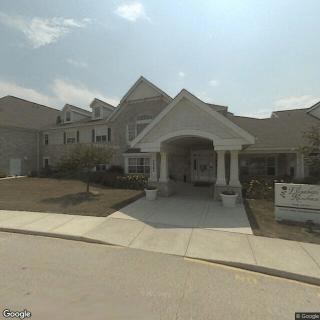
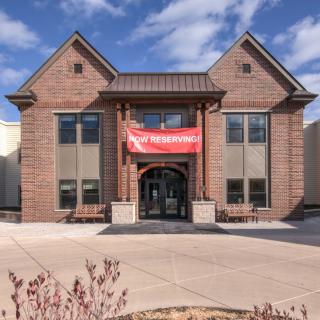
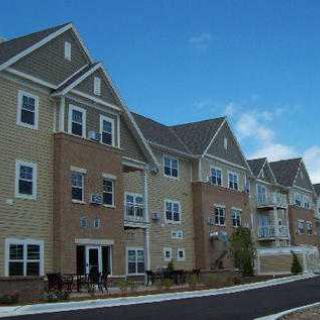
 Renovations improved ambiance; spacious rooms; pet-friendly.
 Comprehensive Guide to Blood Pressure Charts for Older Adults: Understanding Normal and High Readings by Age
 Financing Long-Term Nursing Home Care Through Social Security: A Thorough Exploration
 Essential Knowledge on Pneumonia in Older Adults