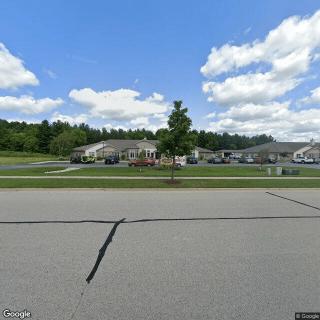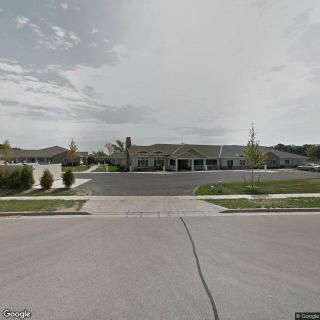
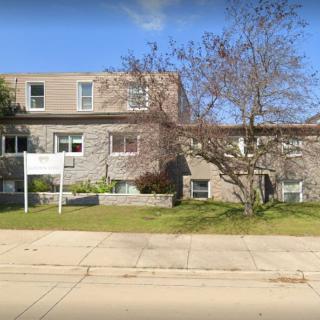
Golden View in Milwaukee, WI

Save
Golden View Golden View

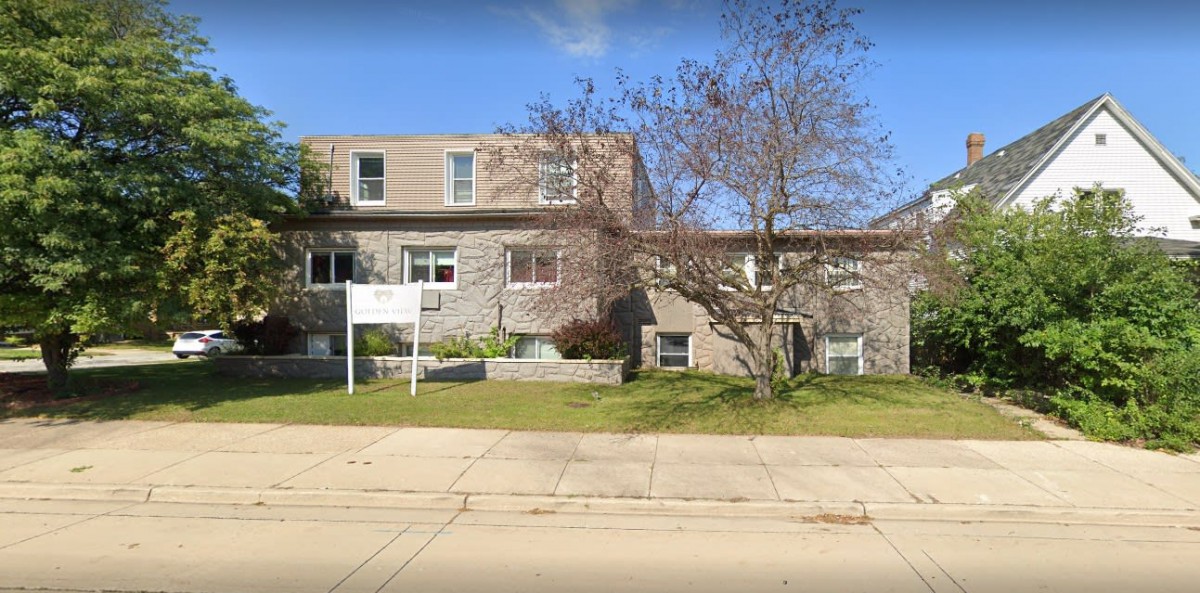
Golden View in Milwaukee, WI

6526 West Bluemound Road, Milwaukee, WI 53213

For more information about senior living options: (844) 490-3973

2.7 from 15 reviews
5 stars
5
4 stars
0
3 stars
2
2 stars
1
1 stars
7

Assisted Living Memory Care

Golden View Costs & Pricing

At Golden View, the monthly costs for accommodations reflect a competitive pricing structure within both Milwaukee County and Wisconsin as a whole. For a semi-private room, residents can expect to pay $3,500, which is notably lower than the county average of $4,341 and slightly more affordable compared to the state average of $3,977. Meanwhile, the cost for a one-bedroom unit stands at $3,700; this is higher than Milwaukee County's average of $3,057 but remains under the state-wide average of $3,412. Overall, Golden View offers an attractive option for potential residents seeking quality care in an environment that balances value with comfort.

Floor plansGolden ViewMilwaukee CountyWisconsin
Semi-Private$3,500$4,341$3,977
1 Bedroom$3,700$3,057$3,412

Overall Review of Golden View

Pros

  • pro The facility has knowledgeable leadership and is a great place for mom and dad.
  • pro It is a very nice place to live.

Cons

  • pro The staff lacked bedside manners and residents felt they had to beg for basic necessities.
  • pro Residents were left soiled, with wet bedding and clothes.
  • pro There was no fall-risk alarm, leaving patients moving without monitoring.
  • pro Despite severe illness, staff stopped providing water, juice, or food.
  • pro The facility smelled of urine, body odor, and feces.
  • pro Staff appeared overwhelmed and understaffed.
  • pro The care was unprofessional and the staff reportedly lacked adequate CNA/CBRF training.
  • pro Residents were saturated in urine, in pain, with dry lips, and no clean linens or hydration offered.

Review

Golden View in Milwaukee is best suited for families who must stay local on a tight budget and who are prepared to become the front-line advocates for a loved one's daily care. The setting can feel comfortable at times, and there are pockets of capable leadership, but the day-to-day experience is inconsistent at best. For residents who are relatively stable, not needing intensive medical management or constant monitoring, Golden View can function - with vigilant oversight and clearly defined expectations about responsiveness. The facility is not a turnkey solution; it works only when families are ready to supervise, escalate concerns, and push for timely attention to basic needs.

Those considering alternatives should note that Golden View is not appropriate for anyone requiring reliable mobility assistance, robust nursing oversight, or dementia care towers with proven safety features. If a memory-impaired resident needs consistent, trained support, or if a hospice-oriented environment with a dedicated unit is a priority, it would be wise to look elsewhere. The absence of a hospice unit, a prevalence of care gaps reported by families, and a pattern of overwhelmed staff raise red flags for anyone counting on steady, predictable care. In short, those who demand rigorous clinical oversight and spotless day-to-day cleanliness should keep shopping.

In evaluating the pros against the main cons, the favorable elements appear limited when weighed next to repeated, hard-to-miss deficiencies. Some reviews acknowledge knowledgeable leadership and describe the campus as a "very nice place to live" in calmer moments, and there is a sense that, on paper, the facility could deliver decent support. Yet those positives are easily overwhelmed by core safety and service failures: soiled bedding and clothes left unattended, odors permeating rooms, hot rooms without proper climate control, and a noticeable lack of fall-alarm or other safety mechanisms. Staffs' perceived overwhelm, gaps in training, and inconsistent care practices undermine any perceived upside, making reliability the decisive shortfall.

To give families a practical path, focus on a rigorous, look-for-first checklist during tours and ongoing stays. Request a current staffing roster and observe the shift when activity peaks to gauge responsiveness. Inspect cleanliness: linens, bathrooms, laundry turnover, and any lingering odors. Ask to see recent care plans, mood and medication logs, and incident reports, and verify how a decline in a resident's condition would be escalated. Confirm whether call bells are answered promptly and whether there are functioning safety features for fall prevention. Seek a written commitment on staffing ratios, care standards, and accountability, and insist on a clear policy for when a resident's needs exceed what the facility can safely provide.

Dementia care and end-of-life support require specific infrastructure that Golden View does not consistently demonstrate. The absence of a hospice unit and reported gaps in training for CNAs and caregivers suggest that families facing advanced dementia or palliative needs should pursue communities with dedicated memory-care programming and stronger clinical oversight. If choosing Golden View anyway, insist on a concrete plan for behavioral management, hydration, oral care, and mobility assistance, plus a robust risk-management protocol. Ensure assurances about staff education, supervision, and ongoing competency checks are embedded in a formal agreement before any move occurs.

The bottom line is clear: Golden View is not a first-choice option for families prioritizing safety, cleanliness, and dependable care. It can be a feasible fallback when budget constraints dominate and other options are unavailable, but only with uncompromising oversight, explicit expectations, and a willingness to intervene aggressively when care falters. For most families, the prudent course is to compare Golden View against facilities with proven staffing stability, cleaner environments, and dementia-appropriate programs. If this community is under consideration, approach it with a disciplined decision framework: demand concrete staffing commitments, secure a trial period with clear milestones, and maintain a meticulous log of experiences and concerns, ready to elevate to state authorities if needed.

Features

Housing

  • 33 resident community capacity 33 resident community capacity

Types of Care

  • Assisted Living Assisted LivingAssisted living facilities provide crucial support and care for seniors who may need help with daily tasks such as medication management, bathing, and meal preparation. These communities offer a safe and comfortable environment where seniors can maintain their independence while receiving the assistance they need to thrive in their golden years.
  • Memory Care Memory CareMemory care is crucial for seniors as it provides specialized support and services for individuals with dementia or Alzheimer's disease. These programs offer a safe and secure environment where residents receive personalized care, cognitive stimulation, and help with daily activities. Memory care helps seniors maintain their independence, quality of life, and dignity while also providing peace of mind for their families.

Pets

  • Cats allowed Cats allowed"Pet friendly" senior living communities are important for seniors because pets provide companionship, reduce feelings of loneliness and depression, promote physical activity and mental stimulation, and offer a sense of purpose and responsibility. Pets can improve overall well-being and quality of life for seniors in many ways.
  • Dogs allowed Dogs allowed"Pet friendly" senior living communities are important for seniors because pets provide companionship, reduce feelings of loneliness and depression, promote physical activity and mental stimulation, and offer a sense of purpose and responsibility. Pets can improve overall well-being and quality of life for seniors in many ways.

Amenities

  • Activities on-site Activities on-siteActivities on-site are important for seniors because they provide opportunities for socialization, mental stimulation, physical activity, and overall well-being. Engaging in activities can help seniors stay active, maintain their independence, and improve their quality of life.
  • Beauty salon Beauty salonBeauty salons are important for seniors because they provide a space for them to feel pampered, socialize, and maintain their personal grooming and hygiene. Regular visits to a beauty salon can help boost seniors' self-esteem and overall well-being.
  • Cable or satellite TV Cable or satellite TVCable or satellite TV is important for seniors because it provides entertainment, news, and companionship, helping to combat loneliness and boredom. It also offers a wide range of programming options tailored to different interests and preferences.
  • Devotional services off-site Devotional services off-siteDevotional services off-site are important for seniors as they provide spiritual nourishment, social engagement, and a sense of community outside of the senior living facility. This can enhance overall well-being and help combat feelings of isolation and loneliness often experienced by older adults.
  • Dining room Dining roomDining rooms are important for seniors as they provide a space for socialization, connection, and nutritious meals. They offer opportunities for residents to bond over shared meals, foster a sense of community, and promote healthy eating habits. Dining rooms also ensure that seniors have access to well-balanced meals tailored to their dietary needs and preferences.
  • Fully furnished Fully furnishedFully furnished senior living communities are important for seniors because they provide convenience, comfort, and a hassle-free moving experience. Seniors can easily settle into their new living space without the stress of having to buy and move furniture. This allows them to focus on enjoying their new home and community.
  • Garden GardenGardens are important for seniors as they provide a peaceful and therapeutic environment for relaxation, physical activity, and socialization. Being in nature has been shown to reduce stress, improve mood, and promote overall well-being. Gardens also offer opportunities for seniors to engage in gardening activities, which can improve mobility, flexibility, and cognitive function. Additionally, gardens create a sense of community and connection with others who share a passion for plants and outdoor spaces.
  • Housekeeping services Housekeeping servicesHousekeeping services are important for seniors because they help maintain a clean and safe living environment, promote independence, and reduce the risk of accidents or illnesses. Additionally, having assistance with household chores can alleviate physical strain and allow seniors to focus on other aspects of their well-being.
  • Indoor common areas Indoor common areasIndoor common areas are crucial for seniors as they provide a space for socialization, recreation, and community engagement, promoting overall well-being and reducing feelings of isolation and loneliness.
  • Kitchenette KitchenetteKitchenettes are important for seniors living in senior living communities because they provide the convenience and independence of being able to prepare simple meals and snacks in the comfort of their own living space. This can help promote a sense of autonomy and well-being for seniors, allowing them to maintain some level of control over their dietary choices and daily routines.
  • Move-in coordination Move-in coordinationMove-in coordination is important for seniors because it helps ease the transition into their new living environment. It ensures that all logistics, such as packing, organizing movers, and setting up utilities are taken care of, allowing seniors to focus on settling in and adjusting to their new home. Having a smooth move-in process can alleviate stress and anxiety, making the transition smoother and more enjoyable for seniors.
  • Outdoor space Outdoor spaceOutdoor spaces are important for seniors as they provide opportunities for physical activity, social interaction, exposure to natural light and fresh air, and a sense of connection to nature. Having access to outdoor spaces can improve overall well-being and quality of life for older adults living in senior communities.
  • Restaurant-style dining Restaurant-style diningRestaurant-style dining is important for seniors because it allows them to enjoy delicious, nutritious meals in a social and upscale setting. This enhances their dining experience, promotes healthy eating habits, and fosters socialization with fellow residents, ultimately contributing to their overall well-being and quality of life.
  • Small library Small librarySmall libraries are important for seniors as they provide access to a variety of reading materials, including books, newspapers, and magazines. This can help stimulate their minds, keep them engaged, and provide a sense of community through book clubs and other social activities. Additionally, reading has been shown to improve cognitive function and overall mental well-being in older adults.
  • Telephone TelephoneTelephones are important for seniors as they provide a lifeline for communication with loved ones, emergency services, and healthcare providers. They offer a sense of security and independence, enabling seniors to stay connected and access assistance when needed.
  • Wi-Fi/high-speed internet available Wi-Fi/high-speed internet availableWi-Fi/high-speed internet is important for seniors to stay connected with loved ones, access online resources, and participate in virtual activities to combat feelings of loneliness and isolation. It also allows them to easily manage healthcare needs, access entertainment, and engage in lifelong learning opportunities.

Transportation

  • General Mitchell International (8 miles away) General Mitchell International (8 miles away)

Care Services

  • 24-hour call system 24-hour call system24-hour call systems are important for seniors because they provide peace of mind and immediate assistance in case of emergencies. This technology ensures that help is always available, promoting safety and security for elderly individuals living alone or in assisted living facilities.
  • 24-hour supervision 24-hour supervision24-hour supervision is important for seniors to ensure their safety, well-being, and access to immediate assistance in case of emergencies or health issues. This constant support provides peace of mind for both seniors and their loved ones, allowing them to age in place with dignity and security.
  • Activities of daily living assistance Activities of daily living assistanceActivities of daily living assistance are important for seniors because they provide essential support with tasks such as eating, bathing, dressing, and mobility. This assistance helps seniors maintain their independence, dignity, and overall quality of life as they age.
  • Ambulatory care Ambulatory care"Ambulatory care services provide essential medical support and treatment to seniors without requiring hospitalization, allowing them to maintain their independence and quality of life while managing chronic conditions or receiving routine medical care."
  • Assistance with bathing Assistance with bathingAssistance with bathing is crucial for seniors as it helps maintain personal hygiene, prevents infections, and ensures their overall well-being and comfort. It also provides a sense of dignity and independence for seniors who may struggle with this task on their own.
  • Assistance with dressing Assistance with dressingAssistance with dressing is important for seniors because it helps maintain their independence, promotes personal hygiene, prevents accidents and injuries, and improves overall quality of life. This service ensures that seniors can continue to dress comfortably and confidently, despite any physical limitations they may have.
  • Assistance with transfers Assistance with transfersAssistance with transfers is crucial for seniors as it helps prevent falls and injuries, maintains their independence, and ensures they can safely navigate their living environment. It also provides peace of mind for both seniors and their loved ones.
  • Diabetes diet Diabetes dietA diabetes diet is crucial for seniors as it helps manage blood sugar levels, reduce risks of complications, and improve overall health and well-being. By following a balanced and nutritious diet tailored to their specific needs, seniors can better control their diabetes and enhance their quality of life.
  • Diabetic care Diabetic careDiabetic care is crucial for seniors as they are more susceptible to developing diabetes due to aging and other health conditions. Proper management of diabetes can help prevent complications such as heart disease, vision loss, and nerve damage, improving the overall quality of life for seniors in senior living communities.
  • Meal preparation and service Meal preparation and serviceMeal preparation and service are crucial for seniors as they may have limited mobility or energy to cook nutritious meals. Having access to healthy and convenient food options can ensure they are getting the proper nutrition needed to maintain their overall health and well-being.
  • Medication management Medication managementMedication management is crucial for seniors to ensure they are taking the right medications at the correct dosages and times. This helps prevent adverse drug interactions, reduces the risk of medication errors, and promotes overall health and well-being. Proactive management also allows for adjustments as needed based on changing health conditions or new prescriptions.
  • Mental wellness program Mental wellness programMental wellness programs are essential for seniors as they promote cognitive stimulation, emotional support, and social engagement. These programs help prevent isolation, depression, and cognitive decline, ultimately enhancing the overall quality of life for older adults.
  • Mild cognitive impairment Mild cognitive impairment"Mild cognitive impairment" is important for seniors because it is an early stage of cognitive decline that can potentially progress to more severe conditions such as dementia. Recognizing and addressing mild cognitive impairment can help seniors receive appropriate care and support to maintain their quality of life and independence for as long as possible.
  • Special dietary restrictions Special dietary restrictionsSpecial dietary restrictions are important for seniors because age-related changes in metabolism and health conditions can make it difficult for their bodies to process certain foods. By following a diet tailored to their specific needs, seniors can maintain their overall health and well-being, manage chronic conditions, and reduce the risk of complications such as malnutrition or food interactions with medications.

  • Specialized memory care programming Specialized memory care programmingSpecialized memory care programming is crucial for seniors with cognitive impairments such as dementia or Alzheimer's disease. These programs provide a safe and supportive environment tailored to the unique needs of individuals with memory loss, helping them maintain their independence, dignity, and quality of life.

Dining

  • Diabetes diet Diabetes dietA diabetes diet is crucial for seniors as it helps manage blood sugar levels, reduce risks of complications, and improve overall health and well-being. By following a balanced and nutritious diet tailored to their specific needs, seniors can better control their diabetes and enhance their quality of life.
  • Meals provided Meals provided"Meals provided" are crucial for seniors in assisted living communities as it ensures they have access to nutritious, balanced meals without the stress of meal planning and preparation. This can help promote overall health and well-being for seniors who may have limited mobility or cognitive abilities.
  • Special dietary restrictions Special dietary restrictionsSpecial dietary restrictions are important for seniors because age-related changes in metabolism and health conditions can make it difficult for their bodies to process certain foods. By following a diet tailored to their specific needs, seniors can maintain their overall health and well-being, manage chronic conditions, and reduce the risk of complications such as malnutrition or food interactions with medications.

Activities

  • Activities on-site Activities on-siteActivities on-site are important for seniors because they provide opportunities for socialization, mental stimulation, physical activity, and overall well-being. Engaging in activities can help seniors stay active, maintain their independence, and improve their quality of life.
  • Community-sponsored activities Community-sponsored activitiesCommunity-sponsored activities are important for seniors as they provide opportunities for social interaction, mental stimulation, and physical activity. These activities can help improve overall well-being, combat loneliness and isolation, and promote a sense of belonging and purpose among older adults.
  • Devotional activities offsite Devotional activities offsiteDevotional activities offsite are important for seniors because they provide social engagement, spiritual growth, and a sense of community outside of their living environment. This can improve overall well-being, mental health, and combat feelings of isolation or loneliness.
  • Resident-run activities Resident-run activitiesResident-run activities are important for seniors as they encourage social interaction, creativity, and a sense of autonomy. These activities empower seniors to stay engaged and active in their community while fostering meaningful connections with their peers.
  • Scheduled daily activities Scheduled daily activitiesScheduled daily activities are important for seniors because they provide structure, socialization, mental stimulation, and physical activity. Engaging in regular activities can improve overall well-being and quality of life for seniors living in a community setting.

Description

Golden View in Milwaukee, WI is a memory care assisted living community that offers exceptional care and amenities for seniors in need of specialized memory support. Situated in a serene and beautiful environment, this community provides comfort and assistance to individuals with mild cognitive impairment or other memory-related conditions.

Residents can enjoy a variety of amenities designed to enhance their quality of life, including access to a beauty salon for personal grooming needs. They can also relax in the indoor common areas or outdoor spaces such as the garden. Wi-Fi/high-speed internet is available throughout the premises, allowing residents to stay connected with their loved ones.

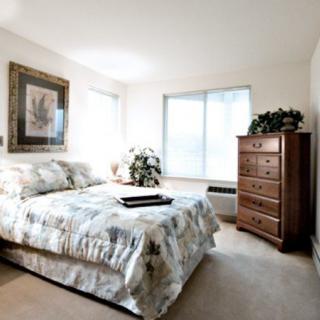
The fully furnished accommodations are thoughtfully designed to provide comfort and convenience. Residents have access to cable or satellite TV and can make use of the small library for leisurely reading. Telephone services are provided for easy communication.

At Golden View, residents receive round-the-clock supervision and assistance with activities of daily living such as bathing, dressing, and transfers. Medication management ensures that all medications are taken correctly and on time. Caregivers are trained in diabetes care and provide specialized assistance for those on a diabetic diet.

The community offers restaurant-style dining where nutritious meals are prepared and served according to individual dietary restrictions. Specialized memory care programming is implemented to promote mental wellness among residents, tailored specifically to their needs.

Engaging in social activities is highly encouraged at Golden View. Residents can participate in community-sponsored activities or devotional activities offsite. Resident-run activities provide an opportunity for individuals to showcase their talents or interests. Scheduled daily activities keep residents mentally stimulated and socially connected.

Golden View boasts its convenient location, with several cafes, parks, pharmacies, physicians' offices, restaurants, transportation services, places of worship, and hospitals nearby. This ensures that residents have easy access to various services and resources within close proximity.

With its comprehensive care services and array of amenities, Golden View offers a safe and nurturing environment where seniors with memory impairments can thrive and receive the support they need.

Nearby Places of Interest

This part of Milwaukee, Wisconsin offers a convenient location with easy access to essential amenities such as pharmacies, hospitals, restaurants, places of worship, cafes, physicians' offices, parks, and transportation options. With multiple pharmacies within a few miles radius and various dining options available nearby, seniors can enjoy a comfortable and accessible lifestyle. The presence of hospitals and physicians' offices in the vicinity ensures that residents have access to quality healthcare services. Additionally, the proximity to parks provides opportunities for outdoor recreation and relaxation. Overall, this neighborhood provides a well-rounded environment that is conducive to senior living with its range of services and amenities.

Pharmacies

  • CVS Pharmacy (0.6 miles)
  • Walgreens (0.7 miles)
  • Walgreens (1.4 miles)
  • Walgreens (1.8 miles)
  • Walgreens (1.8 miles)
  • CVS Pharmacy (2.2 miles)
  • Walgreens (2.2 miles)

Restaurants

  • Bull Shooter Saloon (0.7 miles)
  • Leff's Lucky Town (0.9 miles)
  • Liquid Johnny's (0.9 miles)
  • Taco Bell (1.4 miles)
  • Paulie's Pub & Eatery (1.7 miles)
  • McDonald's (1.8 miles)
  • O'Connor's Perfect Pint (1.8 miles)

Hospitals

  • Aurora Psychiatric Hospital (1 miles)
  • Froedtert Pavilion (1.4 miles)
  • Wheaton Franciscan - St. Joseph Campus (2.8 miles)
  • Aurora Sinai Medical Center (3.4 miles)
  • Rogers Memorial Hospital (3.8 miles)
  • Aurora St Luke's Medical Center (3.9 miles)
  • Surgicenter - Children's Wisconsin (4.2 miles)

Places of Worship

  • Honey Creek Church (1.1 miles)
  • Northwest Baptist Church (4.5 miles)

Cafes

  • Starbucks (1.1 miles)
  • Starbucks (1.2 miles)
  • Starbucks (3 miles)
  • Colectivo Coffee (5.1 miles)

Physicians

  • Froedtert Clinical Cancer Center (1.5 miles)
  • Froedtert Hospital (1.6 miles)
  • Aurora Health Center (2.8 miles)
  • Maplewood Center (3.5 miles)
  • Lincoln Avenue Clinic (3.8 miles)
  • Aurora Advanced Healthcare (4 miles)
  • Oklahoma Pediatrics-Children's Wisconsin (4.3 miles)

Parks

  • Hoyt Park (1.9 miles)
  • West Allis West Milwaukee Recr (2.6 miles)
  • Wil-O-Way Underwood Park (2.6 miles)
  • Paliafito Park (4.2 miles)
  • Greenfield Park (4.2 miles)
  • Red Arrow Park (4.3 miles)
  • Elm Grove Village Park (4.6 miles)

Transportation

  • Milwaukee Intermodal Station (3.9 miles)

Frequently Asked Questions

How much does it cost to live at Golden View in Milwaukee, WI?
Where is Golden View?
Does Golden View provide care for residents with dementia or Alzheimer's disease?
Does Golden View allow residents to have pets?

Nearby Communities

  • Home Helpers of Fox Valley

    Home Helpers of Fox Valley

    Neenah, WI


    pro Excellent access to nearby healthcare, dining, parks, and transit.

  • Home Instead - Eau Claire,  WI

    Home Instead - Eau Claire, WI

    Eau Claire, WI

    5 from 12 reviews
     

    pro 24/7 staff with meals, medication management, housekeeping, and transportation plus easy access to parks, dining, and healthcare.

  • Home Instead - Appleton,  WI

    Home Instead - Appleton, WI

    Appleton, WI

    4.6 from 40 reviews
     

    pro Helpful for light tasks and transportation; offers companionship options.

  • Home Instead - Sheboygan,  WI

    Home Instead - Sheboygan, WI

    Sheboygan, WI

    3.9 from 15 reviews
     

    pro Commitment to ongoing caregiver training and education.

  • Hart Park Square

    Hart Park Square

    Wauwatosa, WI

    4.6 from 59 reviews
    $1,695 to $2,415 / month

    pro Friendly staff and a warm, sociable community with good dining.

  • Helping Hands On 75 Th St

    Helping Hands On 75 Th St

    Milwaukee, WI

    2.8 from 4 reviews
     

    pro Intimate 4-bed community with 24/7 supervision and tailored memory care plus care coordination.

  • Visiting Angels

    Visiting Angels

    Milwaukee, WI

    3.4 from 9 reviews
     

    pro Large, dedicated staff delivering professional, compassionate care with flexible options and reasonable prices.

  • Hawthorne Terrace Apartments

    Hawthorne Terrace Apartments

    Wauwatosa, WI

    4.9 from 69 reviews
    $860 to $1,220 / month

    pro On-site beautician and wheelchair-accessible showers.

  • Noble Senior Living at West Allis

    Noble Senior Living at West Allis

    Milwaukee, WI

    3.1 from 21 reviews
    $2,650 to $4,425 / month

    pro Caring, attentive staff with engaging activities and a well-equipped memory-care area.

Related Resources

  • does medicaid pay for assisted livingHow and When Medicaid May Cover Assisted Living Costs

    Medicaid coverage for assisted living varies by state and is primarily available to low-income individuals, with eligibility dependent on strict income and asset limits. Some states offer HCBS waivers for specific services in assisted living, but families must generally cover room and board costs, and should verify facility acceptance of Medicaid while considering potential waiting lists.

  • assisted living waiver programA Detailed Exploration of Assisted Living Medicaid Waivers Across the United States

    Medicaid waivers for assisted living services provide vital support for seniors and individuals with disabilities in need of long-term care, with varying state-specific eligibility criteria and benefits. These waivers cover personal care and case management but often do not fully cover room and board, leading to waiting lists for many applicants.

  • assisted living vs skilled nursingExploring the Contrasts Between Assisted Living and Skilled Nursing
    The article compares assisted living and skilled nursing facilities, detailing their differing levels of assistance, medical support, cost structures, and day-to-day experiences. It emphasizes that assisted living is for those needing help with daily activities while maintaining independence, whereas skilled nursing facilities provide intensive medical care with 24-hour staff supervision.