
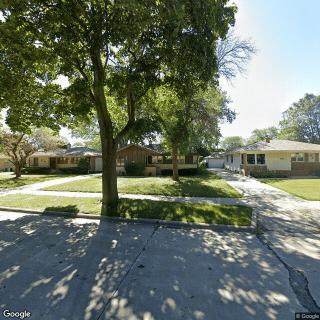
4043 North 68 Th Street, Milwaukee, WI 53216
For more information about senior living options: (866) 208-4318
Overall Review of Caring Hands Adult Family Center
Pros
 They are amazing beyond words.
- They have been unbelievable in helping care for the husband.
- They deserve heartfelt thanks for all they have done.
Cons
 They should be kept as far away as possible.
- Their staff is abusive to patients.
- Their director allows such patient abuse.
Review
Caring Hands Adult Family Center in Milwaukee is best suited for families seeking an intimate, caregiver-driven setting where frontline staff form tight bonds with residents and provide highly personalized, hands-on help. The reviews point to a team that is deeply devoted and capable of delivering meaningful daily support, especially for a loved one who requires frequent assistance with activities of daily living and close, hands-on care. In this context, the setting can feel more like a small, family-style arrangement than a large, impersonal facility. Families that prioritize warmth, accessibility, and staff who seemingly go above and beyond to support a spouse or parent may find immense value here.
At the same time, serious red flags appear in the star ratings and the strongest cautions in the feedback. Those who should consider alternatives are families that cannot tolerate potential safety risks, or who require robust, formal oversight and stronger, documented protection against mistreatment. If a resident has complex medical needs, behavioral challenges, or requires consistent professional supervision, this community may not provide the level of governance and accountability expected in safer environments. Prospective families should weigh the desire for close, compassionate attention against an evident risk perimeter around resident safety and staff conduct.
The strongest positives, staff described as amazing, devoted, and instrumental in helping families manage caregiving, are real and meaningful. When care teams are praised for their dedication, it signals that residents receive genuine kindness, responsive communication, and a level of day-to-day assistance that can dramatically improve quality of life. Those advantages matter a great deal: they can reduce family stress, improve daily comfort for residents, and prevent some crises through attentive, proactive care. However, these oversize the limits of the setting if safety and abuse concerns remain unresolved; the depth of care can be undermined by serious misconduct or lax oversight.
The most troubling drawbacks are allegations of abuse and questions about management’s role in preventing harm. The repeated caution that staff abuse residents, accompanied by language about a director’s tolerance for such behavior, suggests a dangerous gap in governance and accountability. Even if incidents are not universally documented across every resident, the existence of credible reports significantly undermines trust in a facility that otherwise might shine on compassion and responsiveness. In practical terms, this means the environment may feel safe and nurturing in some moments, but it could turn unsafe in others, with the risk of physical or emotional harm to a vulnerable elder.
Balancing these dimensions requires a disciplined decision-making approach. For families weighing options, the core question is whether the high-quality, empathetic care can be sustained in a setting where safety concerns exist and where leadership appears unable or unwilling to prevent abuse. If a tour confirms consistent, transparent incident reporting, clear corrective actions, and active oversight by a reliable administrator, the calculus tilts toward viability for those who can tolerate some risk in exchange for intimate care. If not, this is exactly the type of option that demands careful comparison with facilities that offer stronger regulatory protections, documented safety protocols, and more formalized staff training.
In the end, Caring Hands Adult Family Center is a choice for a specific subset of families: those who value exceptionally attentive, personal care and are prepared to accept substantial questions about safety and management. For anyone prioritizing safety, consistent oversight, and proven abuse prevention, a more structured, well-regulated alternative will likely serve better. Prospective families should insist on a thorough, candid visit, watch interactions closely, request current incident reports, confirm licensing and staff training credentials, and speak with multiple residents and families. If assurances of strong governance and ongoing safety measures cannot be demonstrated, it is prudent to explore other options that balance warmth with firmer accountability.
 4 resident community capacity
 Assisted Living
 Board and Care Home
 Memory Care
 Cable or satellite TV
 Dining room
 Fully furnished
 Garden
 Housekeeping services
 Move-in coordination
 Outdoor space
 Telephone
 Wi-Fi/high-speed internet available
 General Mitchell International (11 miles away)
 24-hour supervision
 Activities of daily living assistance
 Assistance with bathing
 Assistance with dressing
 Assistance with transfers
 Diabetes diet
 Hospice waiver
 Meal preparation and service
 Medication management
 Mental wellness program
 Special dietary restrictions
 Transportation arrangement (medical)
 Transportation to doctors appointments


 Guiding Your Journey: Understanding Power of Attorney for Elderly Parents
 22 Remarkable Caregiver Support Groups Available Online and In-Person
 Understanding Medicaid Coverage for Assisted Living: A Comprehensive Guide