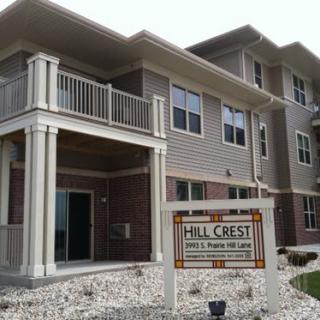
76th Street Home

3380 South 76Th Street, Milwaukee, WI 53219

For more information about senior living options: (844) 490-3973

3.8 from 70 reviews
5 stars
37
4 stars
11
3 stars
6
2 stars
3
1 stars
13

Assisted Living

Overall Review of 76th Street Home

Pros

  • pro The staff here are very kind.
  • pro The receptionist is a sweetheart who always wears a smile.
  • pro The staff are wonderful, and the environment is nice and clean.
  • pro The people who work there are great, and it's a wonderful space for families.
  • pro The child therapists are great and the staff are friendly.
  • pro Many reviewers consider it the best place ever.
  • pro Some families report that behavioral therapy there has been effective for years.
  • pro The staff have been helpful.

Cons

  • pro They feel the pace is horrible and that staff don't care about parents or kids, only getting paid.
  • pro They claim they were lied to about helping them get their baby back and about court processes to terminate parental rights.
  • pro They say a baby doesn't come with a manual, and staff never spoke to them or gave proper guidance.
  • pro They accuse visitation workers of only showing up when it benefits the case and signing paperwork without proper discussion.
  • pro They describe staff as money-hungry and using faulty paperwork to pressure clients.
  • pro They believe the foster department wastes time and tries to shift eligibility to block fostering rather than help.
  • pro They report unorganized scheduling, frequent rescheduling, and poor communication.
  • pro They recount a therapist who was late or didn't show up, with care and compassion being non-existent.
  • pro They say there is no real help or guidance for women who truly care for their children.
  • pro They express disgust with the Children's Hospital/foster process, saying staff don't care about kids and don't do the pre-work needed.

Review

A wave of experiences across a family services ecosystem comes through in these reviews. From the moment families try to engage with scheduling, visitation, and care, the common thread is a sense of frustration, disappointment, and fear - not just about procedures, but about the impact on children and parents who are already navigating difficult situations. Several reviewers describe a pace and a process that feels slow, opaque, or mismanaged, with the overarching feeling that the system is more focused on paperwork or control than on helping families stay together or get the services they need. The emotional toll is clear: long waits, repeated red tape, and a sense that the people who are supposed to support families sometimes seem to be working at cross purposes with their own stated mission.

Access to services and scheduling problems stand out early in many accounts. One family describes showing up for appointments only to learn that the time had been booked for another child, a mix?up attributed to the front desk. The consequences are blunt: months of waiting to be seen, with one case stating a four?month wait just to get into a clinic and a six?week wait once there because the calendar is full. The frustration isn't limited to one facility or one department; it crops up repeatedly as "unorganized scheduling," frequent rescheduling, and poor communication. The experience feels like a revolving door, where families keep showing up only to be told that the system is too full or that mistakes are blocking their access to timely care.

Beyond scheduling, several reviews address a troubling pattern of how some staff conduct themselves and how they handle power and paperwork. Critics describe "staffing abuses of their authority," with insinuations that changes in family circumstances (for example, shifting children from a two?parent household to a one?parent household) are pursued for reasons that don't always align with the child's best interest. Some reviews accuse workers of "hidden motives," "money?hungry" conduct, and even blackmail through faulty or manipulated paperwork. The tone of these accounts suggests that for some families, the system feels adversarial, with the fear that a misstep or an administrative error could imperil parental rights or placement stability. There are also mentions of race?based concerns, with references to Black mothers feeling underserved or priced out of access to legal help and resources.

Foster care and licensing processes emerge as particularly fraught. Reviewers recount being almost ready to proceed with licensing only to be told the process couldn't continue because of a scheduling or shift issue - a practical obstacle that, in their view, stands in the way of finding a home for a child in need. The sentiment is that the focus on shifting work hours or internal logistics overshadows the primary mission of placing children in stable, loving environments. When families feel compelled to fight to keep doors open for a child, the intrusion of unnecessary red tape becomes not just frustrating but emotionally exhausting.

Therapy and direct care experiences reveal a mixed bag. Several accounts condemn therapists for chronic lateness or no?shows, leaving families waiting in lobbies for extended periods and sometimes with no explanation or courtesy. The absence of compassionate care and timely communication is described as a "non?existent" quality of care, with reviewers feeling the emotional support they expect from a clinician is simply not there. Yet there are counterpoints: a few reviews praise particular therapists as effective and caring, and some staff members - like receptionists - are singled out as kind, helpful, and patient. In short, the care experience is inconsistent, with some encounters fostering trust and others undermining it through repeated delays and poor engagement.

The hospital and visitation experiences add another layer of complexity. Some reviewers call out practical issues - no emergency room access signs, limited parking, and difficulty locating the right department - amid broader critiques that the system as a whole doesn't do enough to prepare families for what visits will entail. Critiques also allege a lack of pre?work to ensure kids receive appropriate care, and that paperwork signed at the wrong time or by the wrong people creates roadblocks for families trying to keep children connected with their guardians or kin. Despite the negativity, a few notes stand out about warmth and helpfulness in particular staff interactions and environments - suggesting that when the system works, it can still be a positive space for families who encounter it under the right circumstances.

Taken together, these reviews paint a portrait of a system that is at once capable of delivering positive experiences and deeply troubling in others. There are moments of kindness, efficiency, and genuine care - receptionists who smile, supportive therapists, and staff who do their best in an under?resourced setting. But there are also persistent concerns about mismanagement, slow timelines, inconsistent communication, and power dynamics that leave families feeling powerless and anxious about their children's futures. The mixture of praise and accusation across facilities and departments speaks to a broader need: clearer accountability, better scheduling and coordination, transparent policies, and a renewed focus on sincere, patient?centered support for both parents and children. In the end, many families hope for reforms that will reduce delays, protect parental rights, and ensure that the best interests of children are truly the north star guiding every interaction.

Features

Housing

  • 3 resident community capacity 3 resident community capacity

Types of Care

  • Assisted Living Assisted LivingAssisted living facilities provide crucial support and care for seniors who may need help with daily tasks such as medication management, bathing, and meal preparation. These communities offer a safe and comfortable environment where seniors can maintain their independence while receiving the assistance they need to thrive in their golden years.

Amenities

  • Cable or satellite TV Cable or satellite TVCable or satellite TV is important for seniors because it provides entertainment, news, and companionship, helping to combat loneliness and boredom. It also offers a wide range of programming options tailored to different interests and preferences.
  • Dining room Dining roomDining rooms are important for seniors as they provide a space for socialization, connection, and nutritious meals. They offer opportunities for residents to bond over shared meals, foster a sense of community, and promote healthy eating habits. Dining rooms also ensure that seniors have access to well-balanced meals tailored to their dietary needs and preferences.
  • Fully furnished Fully furnishedFully furnished senior living communities are important for seniors because they provide convenience, comfort, and a hassle-free moving experience. Seniors can easily settle into their new living space without the stress of having to buy and move furniture. This allows them to focus on enjoying their new home and community.
  • Garden GardenGardens are important for seniors as they provide a peaceful and therapeutic environment for relaxation, physical activity, and socialization. Being in nature has been shown to reduce stress, improve mood, and promote overall well-being. Gardens also offer opportunities for seniors to engage in gardening activities, which can improve mobility, flexibility, and cognitive function. Additionally, gardens create a sense of community and connection with others who share a passion for plants and outdoor spaces.
  • Housekeeping services Housekeeping servicesHousekeeping services are important for seniors because they help maintain a clean and safe living environment, promote independence, and reduce the risk of accidents or illnesses. Additionally, having assistance with household chores can alleviate physical strain and allow seniors to focus on other aspects of their well-being.
  • Move-in coordination Move-in coordinationMove-in coordination is important for seniors because it helps ease the transition into their new living environment. It ensures that all logistics, such as packing, organizing movers, and setting up utilities are taken care of, allowing seniors to focus on settling in and adjusting to their new home. Having a smooth move-in process can alleviate stress and anxiety, making the transition smoother and more enjoyable for seniors.
  • Outdoor space Outdoor spaceOutdoor spaces are important for seniors as they provide opportunities for physical activity, social interaction, exposure to natural light and fresh air, and a sense of connection to nature. Having access to outdoor spaces can improve overall well-being and quality of life for older adults living in senior communities.
  • Telephone TelephoneTelephones are important for seniors as they provide a lifeline for communication with loved ones, emergency services, and healthcare providers. They offer a sense of security and independence, enabling seniors to stay connected and access assistance when needed.
  • Wi-Fi/high-speed internet available Wi-Fi/high-speed internet availableWi-Fi/high-speed internet is important for seniors to stay connected with loved ones, access online resources, and participate in virtual activities to combat feelings of loneliness and isolation. It also allows them to easily manage healthcare needs, access entertainment, and engage in lifelong learning opportunities.

Transportation

  • General Mitchell International (6 miles away) General Mitchell International (6 miles away)

Care Services

  • 24-hour supervision 24-hour supervision24-hour supervision is important for seniors to ensure their safety, well-being, and access to immediate assistance in case of emergencies or health issues. This constant support provides peace of mind for both seniors and their loved ones, allowing them to age in place with dignity and security.
  • Activities of daily living assistance Activities of daily living assistanceActivities of daily living assistance are important for seniors because they provide essential support with tasks such as eating, bathing, dressing, and mobility. This assistance helps seniors maintain their independence, dignity, and overall quality of life as they age.
  • Assistance with bathing Assistance with bathingAssistance with bathing is crucial for seniors as it helps maintain personal hygiene, prevents infections, and ensures their overall well-being and comfort. It also provides a sense of dignity and independence for seniors who may struggle with this task on their own.
  • Assistance with dressing Assistance with dressingAssistance with dressing is important for seniors because it helps maintain their independence, promotes personal hygiene, prevents accidents and injuries, and improves overall quality of life. This service ensures that seniors can continue to dress comfortably and confidently, despite any physical limitations they may have.
  • Assistance with transfers Assistance with transfersAssistance with transfers is crucial for seniors as it helps prevent falls and injuries, maintains their independence, and ensures they can safely navigate their living environment. It also provides peace of mind for both seniors and their loved ones.
  • Coordination with health care providers Coordination with health care providersCoordination with health care providers is crucial for seniors to ensure proper medical care, medication management, and overall well-being. This collaboration helps prevent overlapping treatments, track progress more effectively, and provide comprehensive support tailored to individual needs.
  • Diabetes diet Diabetes dietA diabetes diet is crucial for seniors as it helps manage blood sugar levels, reduce risks of complications, and improve overall health and well-being. By following a balanced and nutritious diet tailored to their specific needs, seniors can better control their diabetes and enhance their quality of life.
  • Meal preparation and service Meal preparation and serviceMeal preparation and service are crucial for seniors as they may have limited mobility or energy to cook nutritious meals. Having access to healthy and convenient food options can ensure they are getting the proper nutrition needed to maintain their overall health and well-being.
  • Medication management Medication managementMedication management is crucial for seniors to ensure they are taking the right medications at the correct dosages and times. This helps prevent adverse drug interactions, reduces the risk of medication errors, and promotes overall health and well-being. Proactive management also allows for adjustments as needed based on changing health conditions or new prescriptions.
  • Special dietary restrictions Special dietary restrictionsSpecial dietary restrictions are important for seniors because age-related changes in metabolism and health conditions can make it difficult for their bodies to process certain foods. By following a diet tailored to their specific needs, seniors can maintain their overall health and well-being, manage chronic conditions, and reduce the risk of complications such as malnutrition or food interactions with medications.
  • Transportation arrangement (medical) Transportation arrangement (medical)Transportation arrangements for medical purposes are essential for seniors as they may have difficulty driving themselves to appointments or accessing public transportation. Having reliable and safe transportation options ensures that seniors can receive timely medical care and maintain their health and well-being.
  • Transportation to doctors appointments Transportation to doctors appointmentsTransportation to doctors' appointments is crucial for seniors as it ensures they have access to necessary medical care and support for their health needs. Without reliable transportation, seniors may struggle to attend important appointments, leading to potential delays in treatment and health complications. Providing transportation services helps seniors maintain their overall well-being and quality of life.

Dining

  • Diabetes diet Diabetes dietA diabetes diet is crucial for seniors as it helps manage blood sugar levels, reduce risks of complications, and improve overall health and well-being. By following a balanced and nutritious diet tailored to their specific needs, seniors can better control their diabetes and enhance their quality of life.
  • Special dietary restrictions Special dietary restrictionsSpecial dietary restrictions are important for seniors because age-related changes in metabolism and health conditions can make it difficult for their bodies to process certain foods. By following a diet tailored to their specific needs, seniors can maintain their overall health and well-being, manage chronic conditions, and reduce the risk of complications such as malnutrition or food interactions with medications.

Activities

  • Community-sponsored activities Community-sponsored activitiesCommunity-sponsored activities are important for seniors as they provide opportunities for social interaction, mental stimulation, and physical activity. These activities can help improve overall well-being, combat loneliness and isolation, and promote a sense of belonging and purpose among older adults.
  • Scheduled daily activities Scheduled daily activitiesScheduled daily activities are important for seniors because they provide structure, socialization, mental stimulation, and physical activity. Engaging in regular activities can improve overall well-being and quality of life for seniors living in a community setting.

Description

The 76th Street Home in Milwaukee, WI is a premier assisted living community that offers a wide range of amenities and care services to ensure the comfort and well-being of its residents.

Our spacious and beautifully designed home features a dining room where residents can enjoy delicious meals prepared by our expert culinary team. Every room in our community is fully furnished, providing a cozy and inviting atmosphere. Residents also have access to a garden and outdoor space where they can relax, socialize, or engage in leisure activities.

We understand the importance of maintaining a clean and organized living environment, which is why we provide housekeeping services to ensure that each resident's space is always tidy and comfortable. Additionally, our move-in coordination service ensures a seamless transition for new residents.

At the 76th Street Home, we prioritize the health and well-being of our residents. Our dedicated care staff provides assistance with daily activities such as bathing, dressing, and transfers. We also coordinate with healthcare providers to ensure that each resident receives the necessary medical attention.

For residents with specific dietary needs or restrictions, we offer diabetes diet options as well as special dietary restriction accommodations. Our experienced culinary team prepares nutritious meals that meet these requirements while still being delicious and satisfying.

Transportation arrangement services are available for medical purposes, ensuring that residents can easily access necessary healthcare appointments. We are conveniently located near numerous cafes, parks, pharmacies, physicians' offices, restaurants, places of worship, and hospitals in order to cater to all of our residents' needs.

In addition to meeting the physical needs of our residents, we also provide a variety of stimulating activities on a daily basis. These scheduled activities promote socialization and engagement among residents while enhancing their overall well-being.

At the 76th Street Home in Milwaukee, WI, we strive to create an inclusive community that offers exceptional care services and amenities for our valued residents.

Nearby Places of Interest

Pharmacies

  • CVS Pharmacy (0.4 miles)
  • Walgreens (1 miles)
  • Walgreens (1 miles)
  • Metro Market (1 miles)
  • Walgreens (1.1 miles)
  • Meijer Pharmacy (1.8 miles)
  • CVS Pharmacy (2.2 miles)

Physicians

  • Maplewood Center (0.8 miles)
  • Oklahoma Pediatrics-Children's Wisconsin (1.7 miles)
  • Lincoln Avenue Clinic (2.6 miles)
  • Sports Medicine & Orthopedic Center (3.2 miles)
  • Layton Avenue Dermatolgy Clinic (3.2 miles)
  • Greendale Health Center (3.4 miles)
  • Froedtert Clinical Cancer Center (4 miles)

Parks

  • West Allis West Milwaukee Recr (1.3 miles)
  • Greenfield Park (3.5 miles)
  • Hoyt Park (5 miles)
  • Wil-O-Way Underwood Park (5.2 miles)
  • Humboldt Park (5.4 miles)
  • Paliafito Park (5.4 miles)
  • The Big Backyard (5.5 miles)

Restaurants

  • Kopp's Frozen Custard (1.7 miles)
  • El Beso (2 miles)
  • McDonald's (2 miles)
  • Taco Bell (2.2 miles)
  • Paulie's Pub & Eatery (2.3 miles)
  • McDonald's (2.3 miles)
  • O'Connor's Perfect Pint (2.4 miles)

Cafes

  • Starbucks (1.7 miles)
  • Starbucks (2.9 miles)
  • Starbucks (3.7 miles)
  • Starbucks (3.7 miles)
  • Starbucks (4.7 miles)
  • Hawthorne Coffee Roasters (5 miles)
  • Starbucks (5.1 miles)

Hospitals

  • Surgicenter - Children's Wisconsin (1.7 miles)
  • Rogers Memorial Hospital (2.6 miles)
  • Aurora St Luke's Medical Center (2.9 miles)
  • Froedtert Pavilion (4.1 miles)
  • Aurora Psychiatric Hospital (4.4 miles)

Places of Worship

  • Honey Creek Church (3.7 miles)

Theaters

  • Ridge Cinema New Berlin, Wi (5.5 miles)

Frequently Asked Questions

Where is 76th Street Home?

Nearby Communities

  • South 77th Street House

    South 77th Street House

    Milwaukee, WI


    pro Home-like assisted living with comprehensive care and diabetes management.


  • Morgan Avenue House

    Morgan Avenue House

    Milwaukee, WI


    pro Diabetes-focused care with meals, medication management, and 24-hour supervision.

  • Bennett-Options For Comm Growth

    Bennett-Options For Comm Growth

    West Allis, WI


    pro Comprehensive care with 24?hour supervision, medication management, and homelike amenities.

  • Morgan House

    Morgan House

    Milwaukee, WI


    pro Comprehensive care and amenities (meals, housekeeping, transportation, activities) in fully furnished apartments.

  • The Nelson Crawford Home

    The Nelson Crawford Home

    Milwaukee, WI


    pro Home-like setting with comprehensive care and amenities.

  • Dakota House

    Dakota House

    West Allis, WI


    pro Comprehensive care with 24-hour supervision, medication management, and structured activities.

  • Village At Manor Park Palmer House

    Village At Manor Park Palmer House

    Milwaukee, WI

    3.4 from 47 reviews
    $830 to $1,440 / month

    pro Seamless integration of independent and assisted living with attentive staff guidance.

    Village At Manor Park Palmer House costs
    Village At Manor Park Palmer House reviews
    Village At Manor Park Palmer House images

  • Hickory Park

    Hickory Park

    Greenfield, WI

    4.6 from 69 reviews
     

    pro Clean, home-like atmosphere with friendly staff and engaging activities that promote socialization.

    Hickory Park reviews
    Hickory Park images

  • Hillcrest Apartments

    Hillcrest Apartments

    Greenfield, WI

    4 from 2 reviews
    $585 to $819 / month

    pro Friendly, attentive staff and welcoming atmosphere.

    Hillcrest Apartments costs
    Hillcrest Apartments reviews
    Hillcrest Apartments images

Related Resources

  • assisted living vs nursing homeChoosing the Right Senior Care: A Detailed Exploration of Assisted Living and Nursing Homes

    Choosing between assisted living and nursing homes involves evaluating emotional and financial factors, with assisted living offering independence and support for daily activities at a lower cost, while nursing homes provide intensive medical care for individuals with significant health needs. The decision is influenced by personal preferences, health status, cognitive function, and varying Medicaid coverage across states.

  • assisted living costUnderstanding the True Cost of Assisted Living in 2025: A Comprehensive Guide

    Assisted living in 2025 offers a crucial balance of independence and support for seniors, with costs varying from $2,500 to over $7,000 per month based on factors such as location and care level. Understanding pricing complexities, including regional differences and potential hidden fees, is essential for families to plan financially while ensuring quality care for their loved ones.

  • does medicaid pay for assisted livingUnderstanding Medicaid Coverage for Assisted Living: A Comprehensive Guide

    The guide outlines the complexities of Medicaid coverage for assisted living, highlighting significant state-to-state variations, limited coverage often restricted to personal care services, and the existence of specialized waivers for certain needs like memory care. It advises families to consult local Medicaid offices for options while emphasizing the importance of understanding state-specific regulations and facility policies.