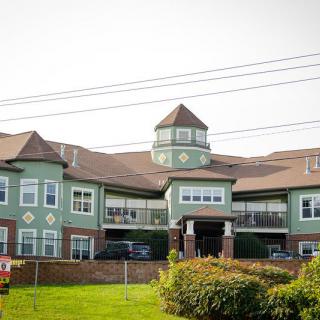
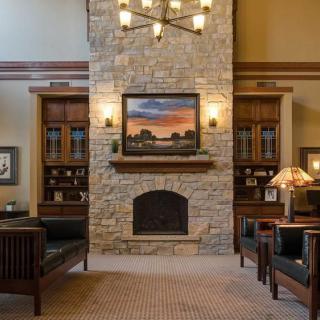
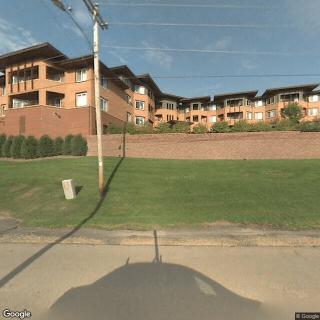
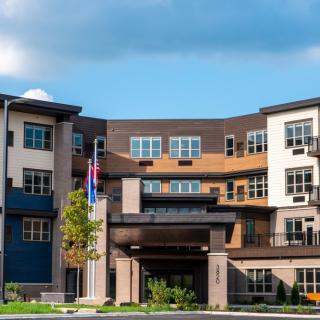
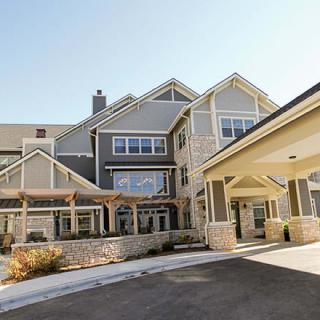
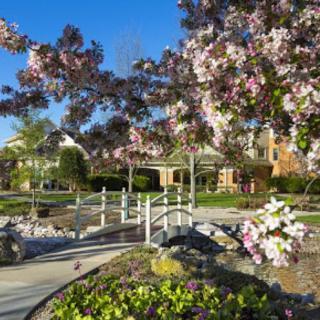
The Artisan Middleton I in Middleton, WI

5340 Century Avenue, Middleton, WI 53562

For more information about senior living options: (844) 490-3973

4 from 3 reviews
5 stars
0
4 stars
3
3 stars
0
2 stars
0
1 stars
0

Assisted Living Memory Care

Overall Review of The Artisan Middleton I

Pros

  • pro The window garden outside the bedroom looked immaculate.
  • pro The staff were very pleasant.
  • pro They have laundry facilities, an art room, and family rooms.
  • pro The place was very lovely.
  • pro They cater to artists and promote creativity and painting.
  • pro The rooms are very nice.

Cons

  • pro Artisans Seniors Living Community didn't seem as flashy and was more quiet.
  • pro The man who received me was a little uptight.
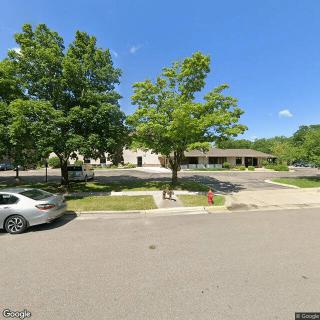
  • pro It's small, and they don't really have grounds, just a little area in a busy intersection where they grow vegetables.

Review

The Artisan Middleton I is best suited for families seeking a quiet, intimate community that prizes creativity, personal attention, and mobility support. This option shines for residents who thrive in a homelike setting where art and gentle programming anchor each day. The building's smaller footprint, the presence of an art room, a window garden outside a bedroom, in-room laundry facilities, and accessible family rooms signal a space that values everyday comfort as much as care. Staff warmth stands out in conversations, and that humane touch matters when routines matter most. For seniors who appreciate a calm pace paired with thoughtful engagement, this community offers a convincing fit.

Those weighing alternatives should consider whether a larger, more bustling campus would better match their needs. The reviews describe Sage Meadow of Middleton as a large facility with nearby conveniences and a bright, immaculate presentation, which appeals to families seeking strong social options and greater on-site scale. On the flip side, Artisan Middleton I is quieter and more understated, which may feel less dynamic for some residents and families, especially if the desired environment calls for a constant stream of activities, frequent outings, or a sense of constant "buzz." For memory-care-focused decisions, noting the balance between size, pace, and program variety becomes critical when making a final choice.

The strongest pros here - attentive staff, a clearly creative orientation, and solid therapeutic support - offset several potential drawbacks. The art program and creative emphasis are not merely decorative; they serve as meaningful engagement channels that can stimulate memory and mood, a meaningful plus for families prioritizing cognitive stimulation. Physical therapy personnel are highlighted as excellent to work with, and rooms are described as pleasant, while meals receive positive notes in memory-care contexts. Laundry facilities, on-site art spaces, and family rooms contribute to practical convenience and social continuity, helping residents stay connected to routines and loved ones. When care feels personalized and staff are responsive, these advantages carry meaningful weight against a quieter ambiance.

Yet certain cons require consideration. The community is not described as flashy or high-energy, which can be a drawback for families seeking a more glamorous, resort-like feel or a consistently bustling social calendar. A reception experience that felt a touch uptight in one account can color first impressions, signaling a need for clear, proactive communication during the onboarding phase. The campus's location - situated on a busier intersection with limited grounds - may deter those who value expansive outdoor space or a serene street setting. And despite strong staff and programming, some residents may crave more opportunities to socialize with peers; one reviewer noted a wish for more people able to talk with a loved one. These factors do not negate quality care, but they do shape the fit for families prioritizing social density and expansive outdoor time.

In memory-care considerations, The Artisan Middleton I shows particular strengths. The combination of a dedicated art program, accessible activities, and capable therapy staff aligns well with reminiscence-focused care, offering structured means for engagement and mood support. The smaller, intimate environment can foster meaningful connections with caregivers, potentially reducing confusion and social withdrawal that sometimes accompany memory challenges. However, the same intimate setting may also magnify the need for proactive outreach - families should inquire about the frequency of group activities, transport options for outings, and opportunities for peer interaction to ensure the social environment meets expectations as memory needs evolve.

Bottom line: The Artisan Middleton I represents a prudent, well-supported choice for families prioritizing attentive care, creative programming, and a homelike atmosphere. It delivers real value through warm staff, meaningful activity options, and practical conveniences that can keep daily life comfortable and dignified. For families who want more energy, larger social circles, and expansive grounds, alternatives such as larger campuses with busier calendars may be worth exploring. Prospective residents should visit to assess whether the pace, setting, and programming align with current needs, and should engage with staff about memory-care offerings, social opportunities, and transportation to ensure the community delivers on both care and connection.

Features

Housing

  • 44 resident community capacity 44 resident community capacity

Types of Care

  • Assisted Living Assisted LivingAssisted living facilities provide crucial support and care for seniors who may need help with daily tasks such as medication management, bathing, and meal preparation. These communities offer a safe and comfortable environment where seniors can maintain their independence while receiving the assistance they need to thrive in their golden years.
  • Memory Care Memory CareMemory care is crucial for seniors as it provides specialized support and services for individuals with dementia or Alzheimer's disease. These programs offer a safe and secure environment where residents receive personalized care, cognitive stimulation, and help with daily activities. Memory care helps seniors maintain their independence, quality of life, and dignity while also providing peace of mind for their families.

Amenities

  • Beauty salon Beauty salonBeauty salons are important for seniors because they provide a space for them to feel pampered, socialize, and maintain their personal grooming and hygiene. Regular visits to a beauty salon can help boost seniors' self-esteem and overall well-being.
  • Cable or satellite TV Cable or satellite TVCable or satellite TV is important for seniors because it provides entertainment, news, and companionship, helping to combat loneliness and boredom. It also offers a wide range of programming options tailored to different interests and preferences.
  • Dining room Dining roomDining rooms are important for seniors as they provide a space for socialization, connection, and nutritious meals. They offer opportunities for residents to bond over shared meals, foster a sense of community, and promote healthy eating habits. Dining rooms also ensure that seniors have access to well-balanced meals tailored to their dietary needs and preferences.
  • Fully furnished Fully furnishedFully furnished senior living communities are important for seniors because they provide convenience, comfort, and a hassle-free moving experience. Seniors can easily settle into their new living space without the stress of having to buy and move furniture. This allows them to focus on enjoying their new home and community.
  • Garden GardenGardens are important for seniors as they provide a peaceful and therapeutic environment for relaxation, physical activity, and socialization. Being in nature has been shown to reduce stress, improve mood, and promote overall well-being. Gardens also offer opportunities for seniors to engage in gardening activities, which can improve mobility, flexibility, and cognitive function. Additionally, gardens create a sense of community and connection with others who share a passion for plants and outdoor spaces.
  • Housekeeping services Housekeeping servicesHousekeeping services are important for seniors because they help maintain a clean and safe living environment, promote independence, and reduce the risk of accidents or illnesses. Additionally, having assistance with household chores can alleviate physical strain and allow seniors to focus on other aspects of their well-being.
  • Kitchenette KitchenetteKitchenettes are important for seniors living in senior living communities because they provide the convenience and independence of being able to prepare simple meals and snacks in the comfort of their own living space. This can help promote a sense of autonomy and well-being for seniors, allowing them to maintain some level of control over their dietary choices and daily routines.
  • Move-in coordination Move-in coordinationMove-in coordination is important for seniors because it helps ease the transition into their new living environment. It ensures that all logistics, such as packing, organizing movers, and setting up utilities are taken care of, allowing seniors to focus on settling in and adjusting to their new home. Having a smooth move-in process can alleviate stress and anxiety, making the transition smoother and more enjoyable for seniors.
  • Outdoor space Outdoor spaceOutdoor spaces are important for seniors as they provide opportunities for physical activity, social interaction, exposure to natural light and fresh air, and a sense of connection to nature. Having access to outdoor spaces can improve overall well-being and quality of life for older adults living in senior communities.
  • Restaurant-style dining Restaurant-style diningRestaurant-style dining is important for seniors because it allows them to enjoy delicious, nutritious meals in a social and upscale setting. This enhances their dining experience, promotes healthy eating habits, and fosters socialization with fellow residents, ultimately contributing to their overall well-being and quality of life.
  • Small library Small librarySmall libraries are important for seniors as they provide access to a variety of reading materials, including books, newspapers, and magazines. This can help stimulate their minds, keep them engaged, and provide a sense of community through book clubs and other social activities. Additionally, reading has been shown to improve cognitive function and overall mental well-being in older adults.
  • Telephone TelephoneTelephones are important for seniors as they provide a lifeline for communication with loved ones, emergency services, and healthcare providers. They offer a sense of security and independence, enabling seniors to stay connected and access assistance when needed.
  • Wi-Fi/high-speed internet available Wi-Fi/high-speed internet availableWi-Fi/high-speed internet is important for seniors to stay connected with loved ones, access online resources, and participate in virtual activities to combat feelings of loneliness and isolation. It also allows them to easily manage healthcare needs, access entertainment, and engage in lifelong learning opportunities.

Transportation

  • Dane County Regional (7 miles away) Dane County Regional (7 miles away)

Care Services

  • 24-hour call system 24-hour call system24-hour call systems are important for seniors because they provide peace of mind and immediate assistance in case of emergencies. This technology ensures that help is always available, promoting safety and security for elderly individuals living alone or in assisted living facilities.
  • 24-hour supervision 24-hour supervision24-hour supervision is important for seniors to ensure their safety, well-being, and access to immediate assistance in case of emergencies or health issues. This constant support provides peace of mind for both seniors and their loved ones, allowing them to age in place with dignity and security.
  • Activities of daily living assistance Activities of daily living assistanceActivities of daily living assistance are important for seniors because they provide essential support with tasks such as eating, bathing, dressing, and mobility. This assistance helps seniors maintain their independence, dignity, and overall quality of life as they age.
  • Assistance with bathing Assistance with bathingAssistance with bathing is crucial for seniors as it helps maintain personal hygiene, prevents infections, and ensures their overall well-being and comfort. It also provides a sense of dignity and independence for seniors who may struggle with this task on their own.
  • Assistance with dressing Assistance with dressingAssistance with dressing is important for seniors because it helps maintain their independence, promotes personal hygiene, prevents accidents and injuries, and improves overall quality of life. This service ensures that seniors can continue to dress comfortably and confidently, despite any physical limitations they may have.
  • Assistance with transfers Assistance with transfersAssistance with transfers is crucial for seniors as it helps prevent falls and injuries, maintains their independence, and ensures they can safely navigate their living environment. It also provides peace of mind for both seniors and their loved ones.
  • Diabetes diet Diabetes dietA diabetes diet is crucial for seniors as it helps manage blood sugar levels, reduce risks of complications, and improve overall health and well-being. By following a balanced and nutritious diet tailored to their specific needs, seniors can better control their diabetes and enhance their quality of life.
  • Meal preparation and service Meal preparation and serviceMeal preparation and service are crucial for seniors as they may have limited mobility or energy to cook nutritious meals. Having access to healthy and convenient food options can ensure they are getting the proper nutrition needed to maintain their overall health and well-being.
  • Medication management Medication managementMedication management is crucial for seniors to ensure they are taking the right medications at the correct dosages and times. This helps prevent adverse drug interactions, reduces the risk of medication errors, and promotes overall health and well-being. Proactive management also allows for adjustments as needed based on changing health conditions or new prescriptions.
  • Mental wellness program Mental wellness programMental wellness programs are essential for seniors as they promote cognitive stimulation, emotional support, and social engagement. These programs help prevent isolation, depression, and cognitive decline, ultimately enhancing the overall quality of life for older adults.
  • Mild cognitive impairment Mild cognitive impairment"Mild cognitive impairment" is important for seniors because it is an early stage of cognitive decline that can potentially progress to more severe conditions such as dementia. Recognizing and addressing mild cognitive impairment can help seniors receive appropriate care and support to maintain their quality of life and independence for as long as possible.
  • Physical therapy Physical therapyPhysical therapy is essential for seniors to maintain and improve their mobility, strength, and overall quality of life. It helps reduce pain, prevent falls, and enhance independence in daily activities. By promoting movement and function, physical therapy can help seniors stay active, healthy, and engaged in their communities.
  • Special dietary restrictions Special dietary restrictionsSpecial dietary restrictions are important for seniors because age-related changes in metabolism and health conditions can make it difficult for their bodies to process certain foods. By following a diet tailored to their specific needs, seniors can maintain their overall health and well-being, manage chronic conditions, and reduce the risk of complications such as malnutrition or food interactions with medications.
  • Specialized memory care programming Specialized memory care programmingSpecialized memory care programming is crucial for seniors with cognitive impairments such as dementia or Alzheimer's disease. These programs provide a safe and supportive environment tailored to the unique needs of individuals with memory loss, helping them maintain their independence, dignity, and quality of life.
  • Walking wheelchair assistance Walking wheelchair assistanceWalking wheelchair assistance is vital for seniors as it helps them maintain their independence and mobility. It provides support and stability, allowing them to safely navigate their surroundings and engage in daily activities without fear of falling or injury. This assistance can significantly improve their quality of life and overall well-being.

Dining

  • Diabetes diet Diabetes dietA diabetes diet is crucial for seniors as it helps manage blood sugar levels, reduce risks of complications, and improve overall health and well-being. By following a balanced and nutritious diet tailored to their specific needs, seniors can better control their diabetes and enhance their quality of life.
  • Special dietary restrictions Special dietary restrictionsSpecial dietary restrictions are important for seniors because age-related changes in metabolism and health conditions can make it difficult for their bodies to process certain foods. By following a diet tailored to their specific needs, seniors can maintain their overall health and well-being, manage chronic conditions, and reduce the risk of complications such as malnutrition or food interactions with medications.

Activities

  • Community-sponsored activities Community-sponsored activitiesCommunity-sponsored activities are important for seniors as they provide opportunities for social interaction, mental stimulation, and physical activity. These activities can help improve overall well-being, combat loneliness and isolation, and promote a sense of belonging and purpose among older adults.
  • Fitness programs Fitness programsFitness programs are crucial for seniors as they help improve strength, flexibility, balance, and overall well-being. Staying active can reduce the risk of chronic diseases, improve mental health, and enhance quality of life in older adults.
  • Resident-run activities Resident-run activitiesResident-run activities are important for seniors as they encourage social interaction, creativity, and a sense of autonomy. These activities empower seniors to stay engaged and active in their community while fostering meaningful connections with their peers.
  • Scheduled daily activities Scheduled daily activitiesScheduled daily activities are important for seniors because they provide structure, socialization, mental stimulation, and physical activity. Engaging in regular activities can improve overall well-being and quality of life for seniors living in a community setting.

Languages Spoken

  • English EnglishEnglish is important for seniors as it allows them to communicate effectively with healthcare providers, understand important information related to their health and medications, stay connected with loved ones, and engage in social activities within their communities. It also opens up opportunities for lifelong learning and intellectual stimulation.

Description

The Artisan Middleton I is a Memory Care assisted living community located in Middleton, WI. Our community specializes in providing personalized care and support for individuals with memory impairments.

Residents at The Artisan Middleton I enjoy a variety of amenities designed to enhance their quality of life. Each apartment is fully furnished and includes cable or satellite TV, a kitchenette, telephone, and Wi-Fi/high-speed internet access. Our community also offers shared spaces such as a dining room, small library, and outdoor areas for residents to socialize and relax.

Our dedicated staff provides 24-hour supervision and assistance with activities of daily living including bathing, dressing, and transfers. We also offer specialized memory care programming to support residents with mild cognitive impairment. Medication management services are provided to ensure the safety and well-being of our residents.

At The Artisan Middleton I, we understand the importance of nutrition for overall health. We offer restaurant-style dining with meal preparation and service tailored to meet special dietary restrictions such as diabetes diets.

Engaging activities are an integral part of our community. Residents can participate in fitness programs, resident-run activities, and scheduled daily activities that promote mental wellness. Additionally, our proximity to six cafes, six parks, 15 pharmacies, 36 physicians' offices, 29 restaurants nearby ensures that residents have access to various amenities within close reach.

Transportation is available for any necessary outings or appointments, while places of worship and theaters are conveniently located nearby for residents who wish to engage in religious or cultural activities. In case of emergencies or medical needs, several hospitals are just a short distance away.

At The Artisan Middleton I, we strive to create a comfortable and supportive environment where individuals with memory impairments can thrive while receiving the care they need.

Nearby Places of Interest

Parks

  • Mendota Park (0 miles)
  • Harvey John & Lucille Taylor Memorial Park (0.9 miles)
  • Lakeview Park (1.2 miles)
  • Firemans Park (2 miles)
  • Haen Family Park (3.9 miles)
  • Oak Park Heights Park (4.3 miles)

Pharmacies

  • CVS Pharmacy (0.9 miles)
  • Bergmann's Pharmacy (1 miles)
  • Walgreens (1.5 miles)
  • Walgreens (2.7 miles)
  • UW Health University Station Clinic Pharmacy (3 miles)
  • UW Hospital and Clinics Pharmacy (3.2 miles)
  • Przybylski, Daniel J (3.3 miles)

Places of Worship

  • Holy Wisdom Monastery (1.2 miles)

Physicians

  • Peter C Jackson, PsyD (1.7 miles)
  • John Rose MD (2.4 miles)
  • Madison Vein & Laser Institute Sc (2.4 miles)
  • Dean Clinic (2.4 miles)
  • UW Health Digestive Health Center (2.4 miles)
  • Meriter Deming Way (2.4 miles)
  • Parfitt Facial Cosmetic Surgery Center (2.5 miles)

Restaurants

  • Amber Indian Cuisine (1.7 miles)
  • Culver's (1.9 miles)
  • Hubbard Avenue Diner (2.2 miles)
  • Capital Brewery (2.5 miles)
  • Arby's (2.8 miles)
  • Café Hollander (2.8 miles)
  • Bartaco (2.9 miles)

Cafes

  • Moka (2.3 miles)
  • Panera Bread (2.8 miles)
  • Starbucks (3 miles)
  • Panera Bread (3.7 miles)
  • The Heights (3.9 miles)
  • Starbucks (3.9 miles)

Hospitals

  • meriter Middleton clinic (2.3 miles)
  • UWHC Outpatient Radiology (2.5 miles)
  • William S. Middleton Memorial Veterans Hospital (3.3 miles)
  • Cell Line Genetics (3.8 miles)
  • University of Wisconsin Hospital and Clinics Authority (3.9 miles)

Transportation

  • Middleton Municipal - Morey Field (2.9 miles)

Theaters

  • Point Cinema Madison, Wi (4.4 miles)

Frequently Asked Questions

Where is The Artisan Middleton I?
Does The Artisan Middleton I provide care for residents with dementia or Alzheimer's disease?

Nearby Communities

  • Artisan Senior Living Middleton II

    Artisan Senior Living Middleton II

    Middleton, WI

    4.2 from 6 reviews
    $4,600 / month

    pro Clean, neat, and warm atmosphere with friendly staff and engaging activities.

  • Sage Meadow Middleton

    Sage Meadow Middleton

    Middleton, WI

    3.5 from 42 reviews
    $4,465 / month

    pro Friendly, attentive staff with good meals and engaging activities in a clean, welcoming setting.

  • Heritage Middleton

    Heritage Middleton

    Middleton, WI

    3.7 from 66 reviews
    $4,795 to $6,295 / month

    pro Clean, well-maintained environment with friendly staff and engaging activities.

  • Harbor Senior Concepts,  LLC

    Harbor Senior Concepts, LLC

    Middleton, WI


    pro Location-rich with easy access to cafes, parks, healthcare, dining, transportation, worship, and entertainment.

  • Pheasant Branch

    Pheasant Branch

    Middleton, WI

    4.5 from 4 reviews
    $665 to $742 / month

    pro Vibrant activities and volunteer opportunities in a clean, welcoming 55+ community.

  • Middleton Glen Inc.

    Middleton Glen Inc.

    Middleton, WI

     
    $750 to $1,600 / month

    pro Very affordable rents (1BR $750, 2BR $1,600) vs county/state averages.

  • Cardinal View Senior Living

    Cardinal View Senior Living

    Middleton, WI

    4.8 from 64 reviews
    $3,800 to $5,000 / month

    pro Friendly, attentive staff in a clean, modern facility with engaging activities.

  • Brookdale Madison West

    Brookdale Madison West

    Madison, WI

    4 from 82 reviews
    $5,385 to $7,410 / month

    pro Clean, welcoming facility with attentive staff and good dining; improved leadership and communication.

  • Attic Angel Community

    Attic Angel Community

    Middleton, WI

    4.4 from 47 reviews
    $2,364 to $7,650 / month

    pro Warm, caring staff with a home-like atmosphere and engaging activities; strong sense of community.

Related Resources

  • assisted living vs nursing homeChoosing the Right Senior Care: A Detailed Exploration of Assisted Living and Nursing Homes

    Choosing between assisted living and nursing homes involves evaluating emotional and financial factors, with assisted living offering independence and support for daily activities at a lower cost, while nursing homes provide intensive medical care for individuals with significant health needs. The decision is influenced by personal preferences, health status, cognitive function, and varying Medicaid coverage across states.

  • how to prevent memory loss in old ageSafeguarding Your Memory Through the Golden Years: Eight Ways to Preserve Cognitive Health

    The article presents eight strategies for preserving cognitive health and memory in older adults, emphasizing a nutrient-rich diet, regular exercise, intellectually stimulating activities, adequate sleep, social connections, stress management techniques, limiting harmful substances, and regular medical checkups to mitigate age-related memory decline.

  • activities of daily livingComprehensive Insights into Activities of Daily Living (ADLs) and Their Assessment

    Activities of Daily Living (ADLs) are fundamental tasks vital for an individual's independence, particularly in older adults over 85, and include functions like bathing and dressing; assessing ADLs alongside Instrumental Activities of Daily Living (IADLs) helps determine the level of required assistance due to age-related health challenges. Tailored support plans, involving family and community resources, are essential for maintaining dignity and autonomy in assisted living environments.