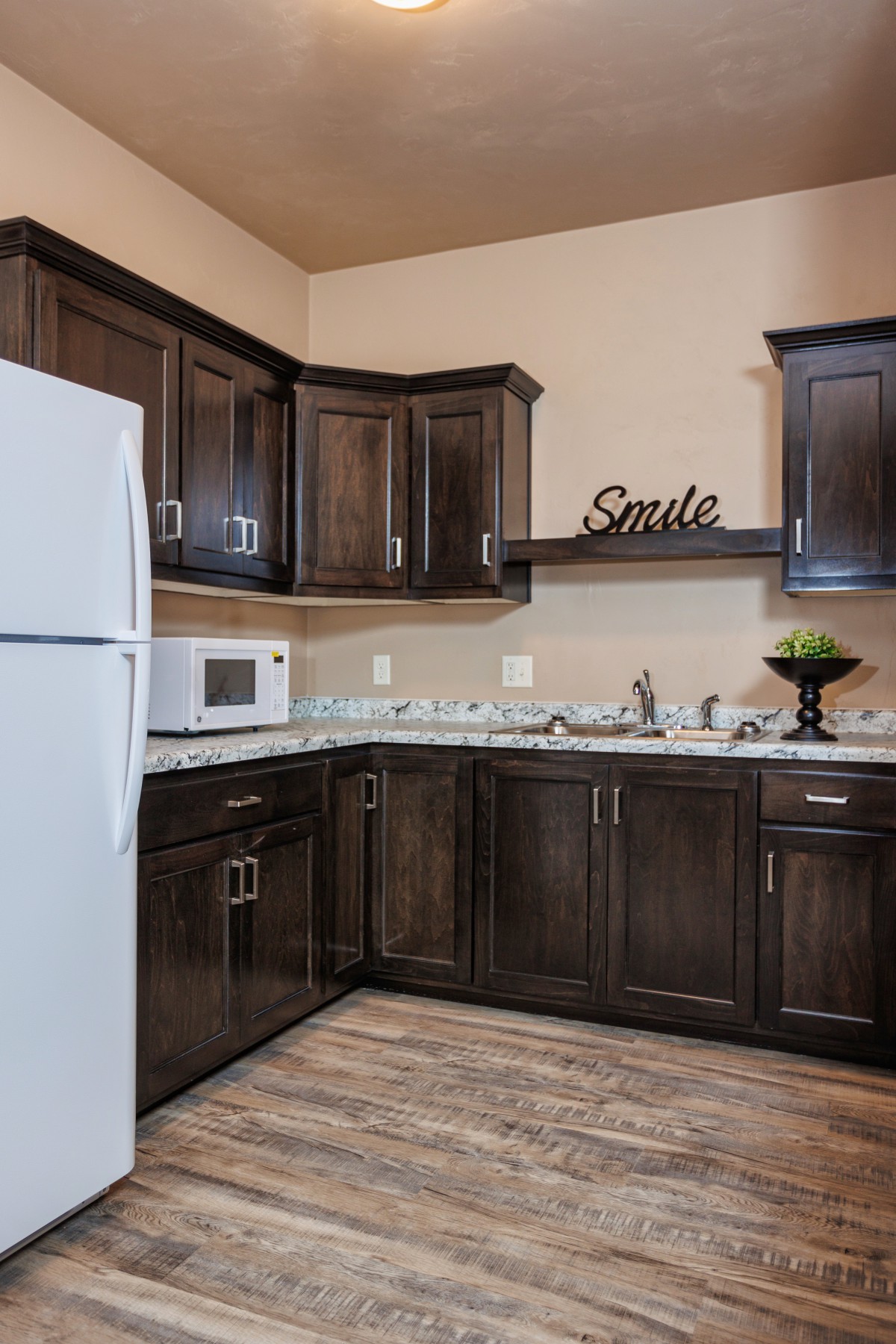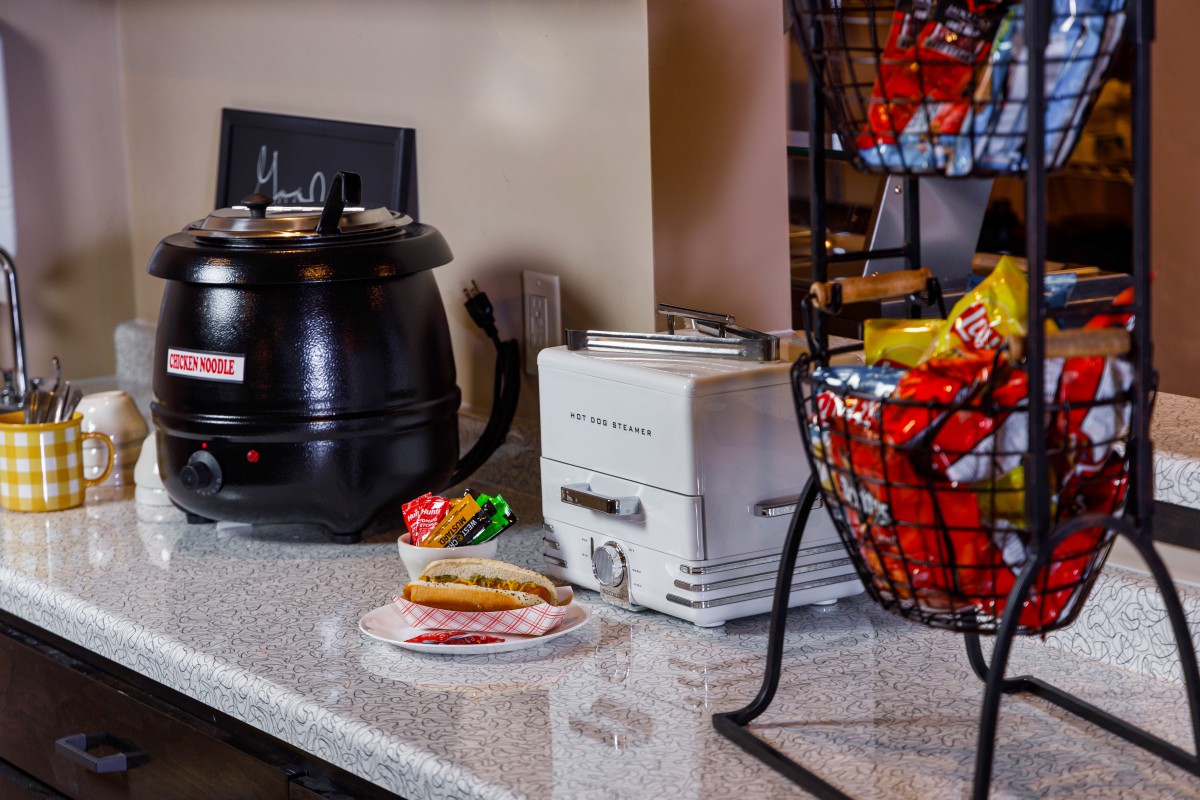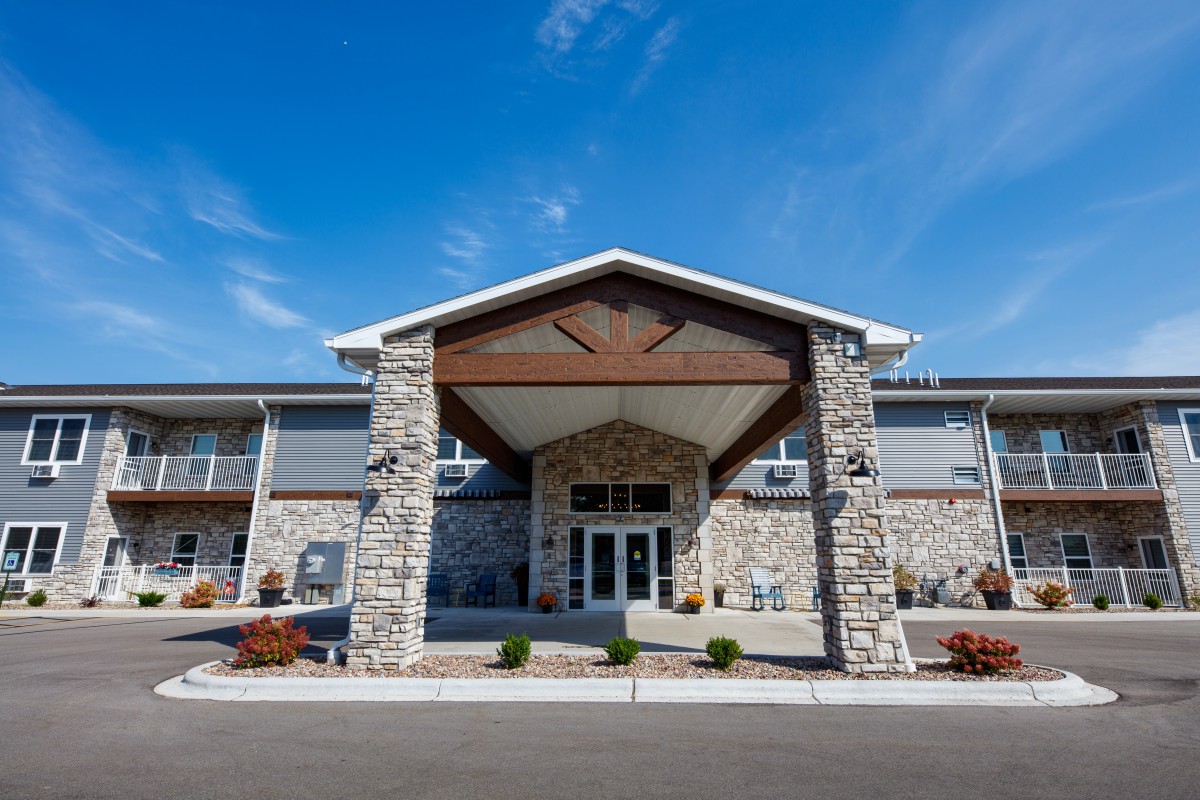
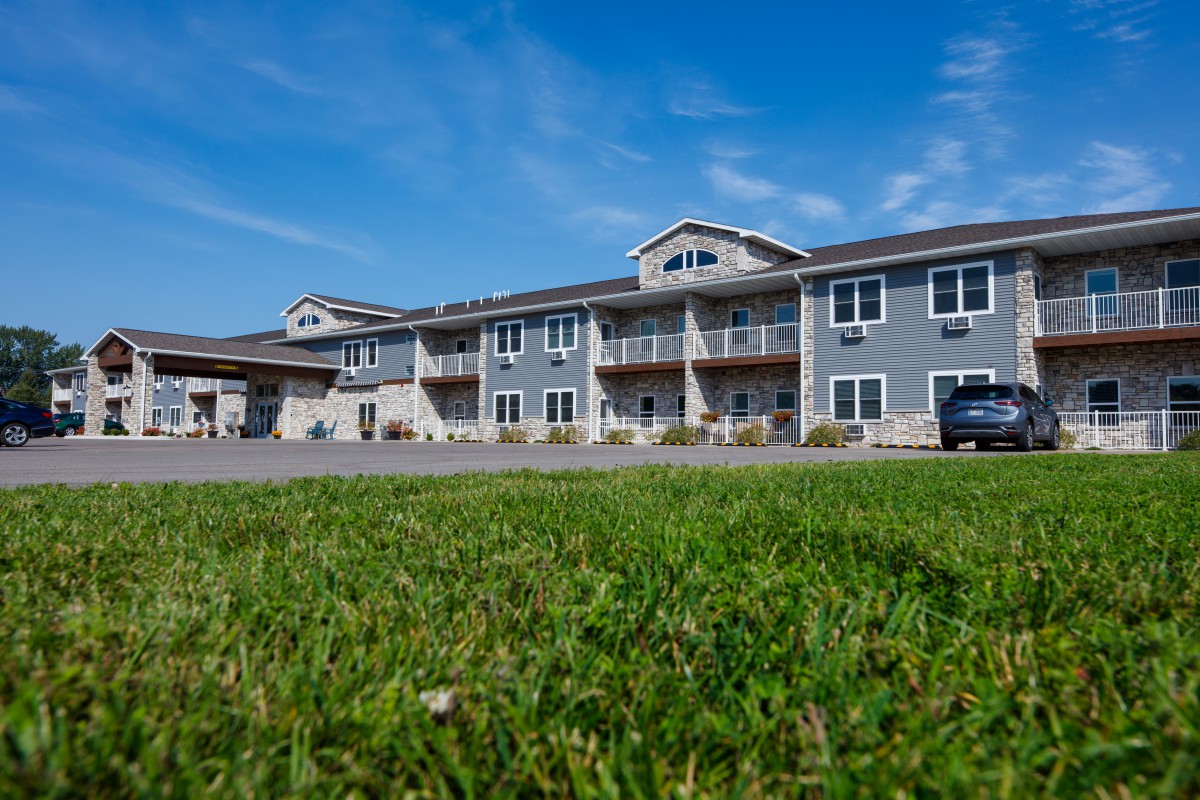
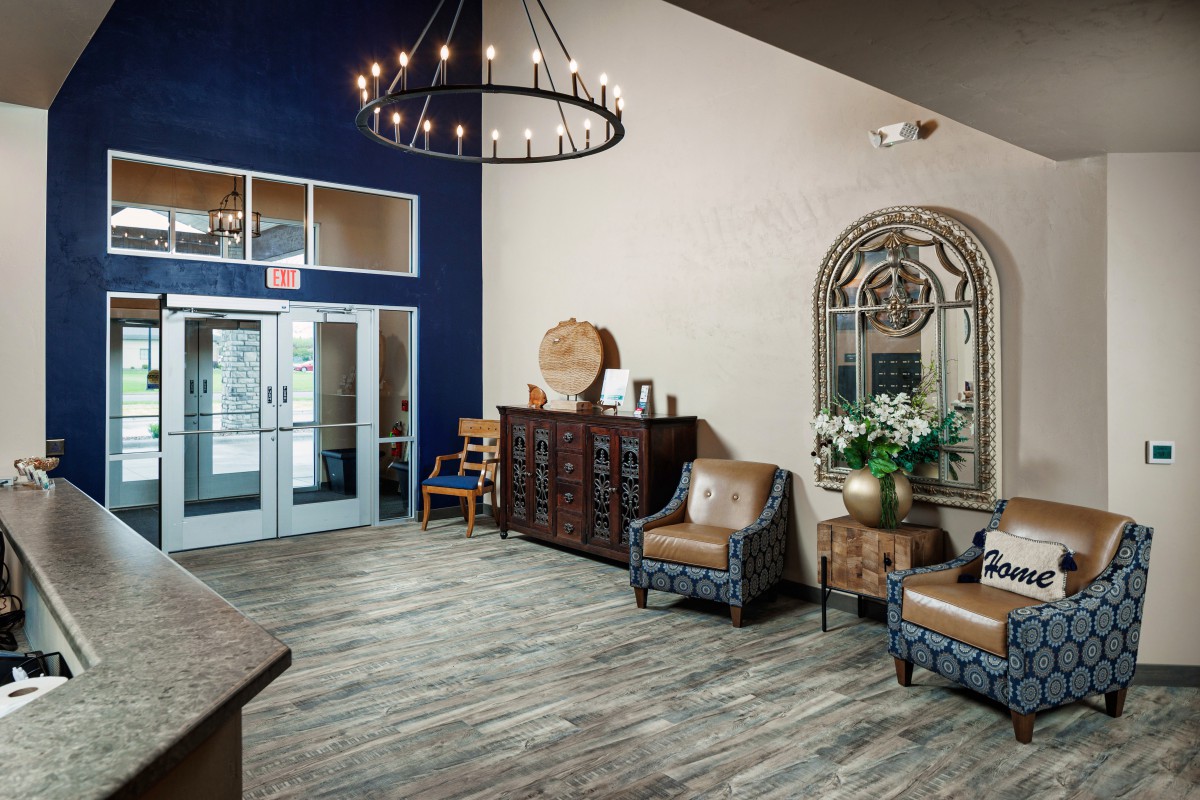
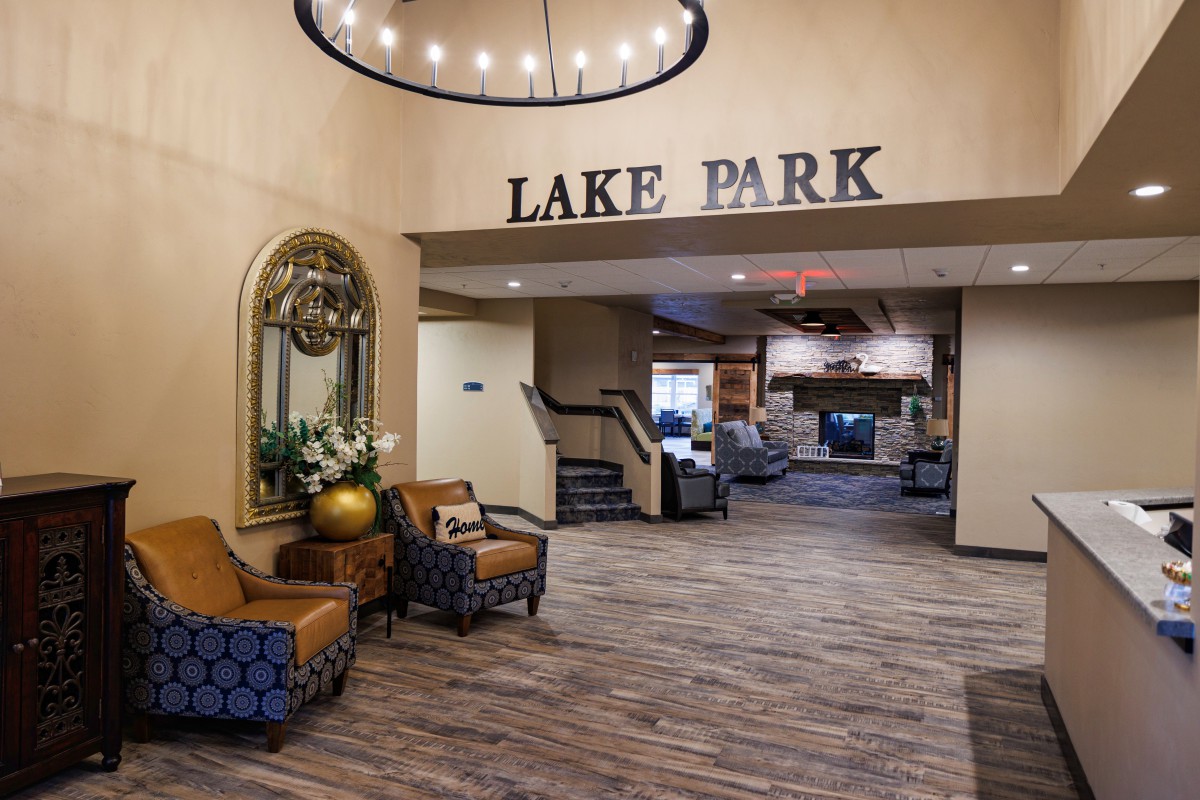

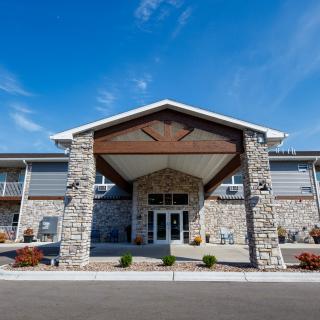
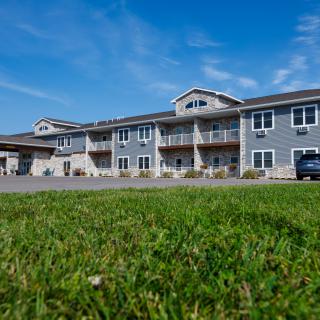

2006 Lake Park Drive, Marinette, WI 54143
For more information about senior living options: (866) 208-4318
Overall Review of The Cottages At Lake Park Memory Care
Pros
 The Cottages staff are caring and considerate, ensuring residents' needs are met.
- The Cottages is a wonderful place.
- The staff have been warm and welcoming.
- The move for their loved one was exactly the right choice.
- The friend appears happy and well adjusted.
- The staff are extremely good at what they do.
- The residents are treated with love and respect.
- They help family members through difficult days.
- The Cottages at Lake Park is highly recommended.
Cons
 There was neglect that happened with a resident, and the reviewer wouldn’t let anyone stay or live there.
- The reviewer found the staff not always very helpful.
Review
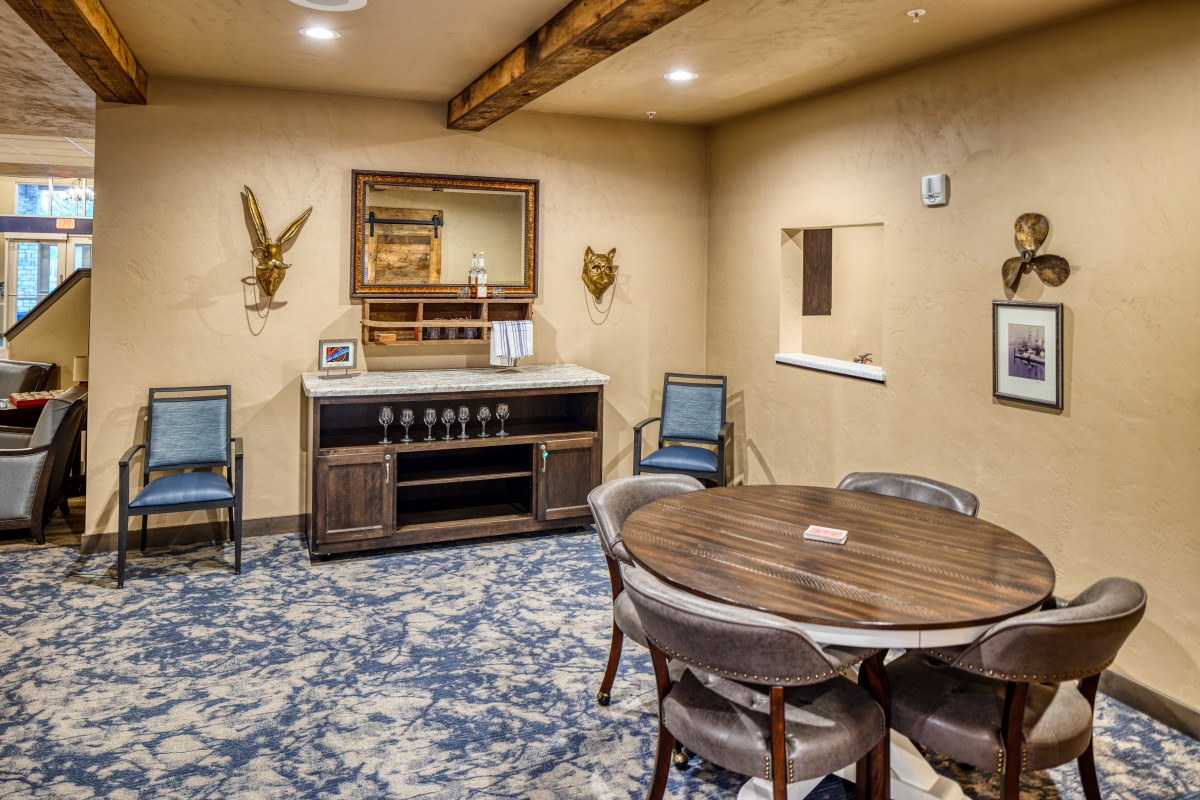
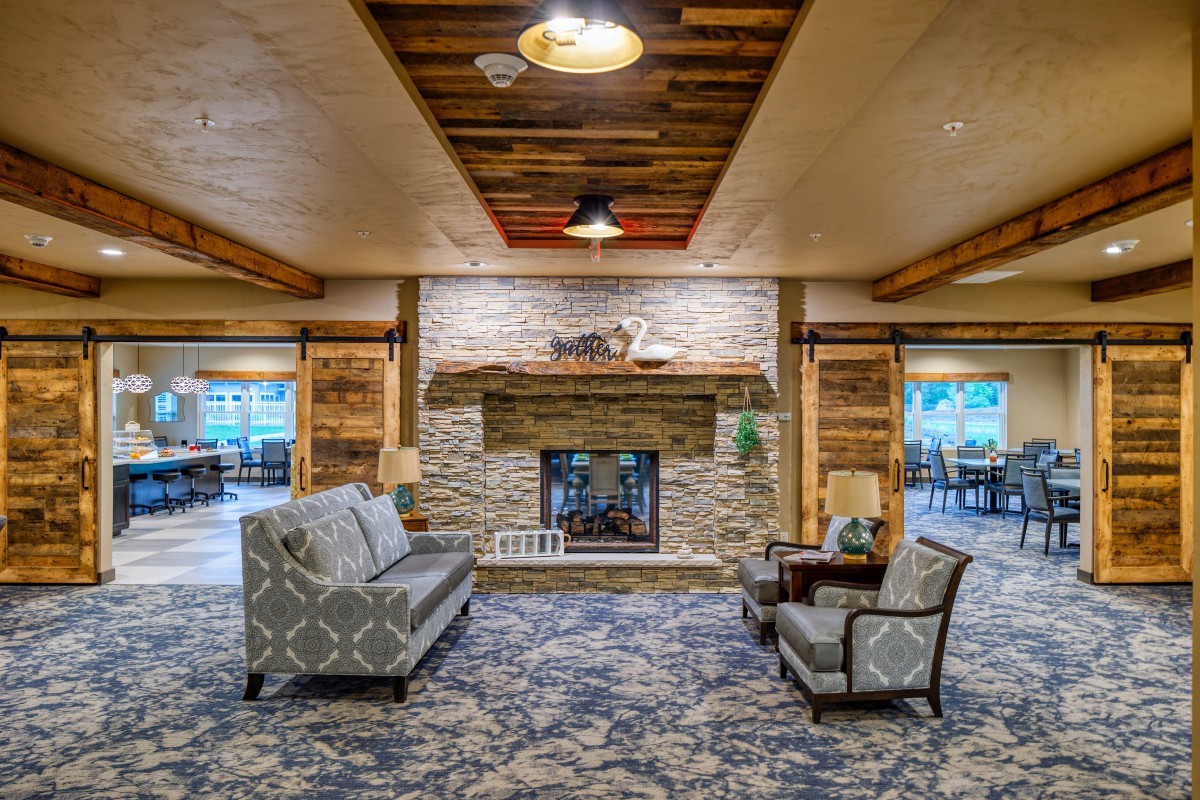
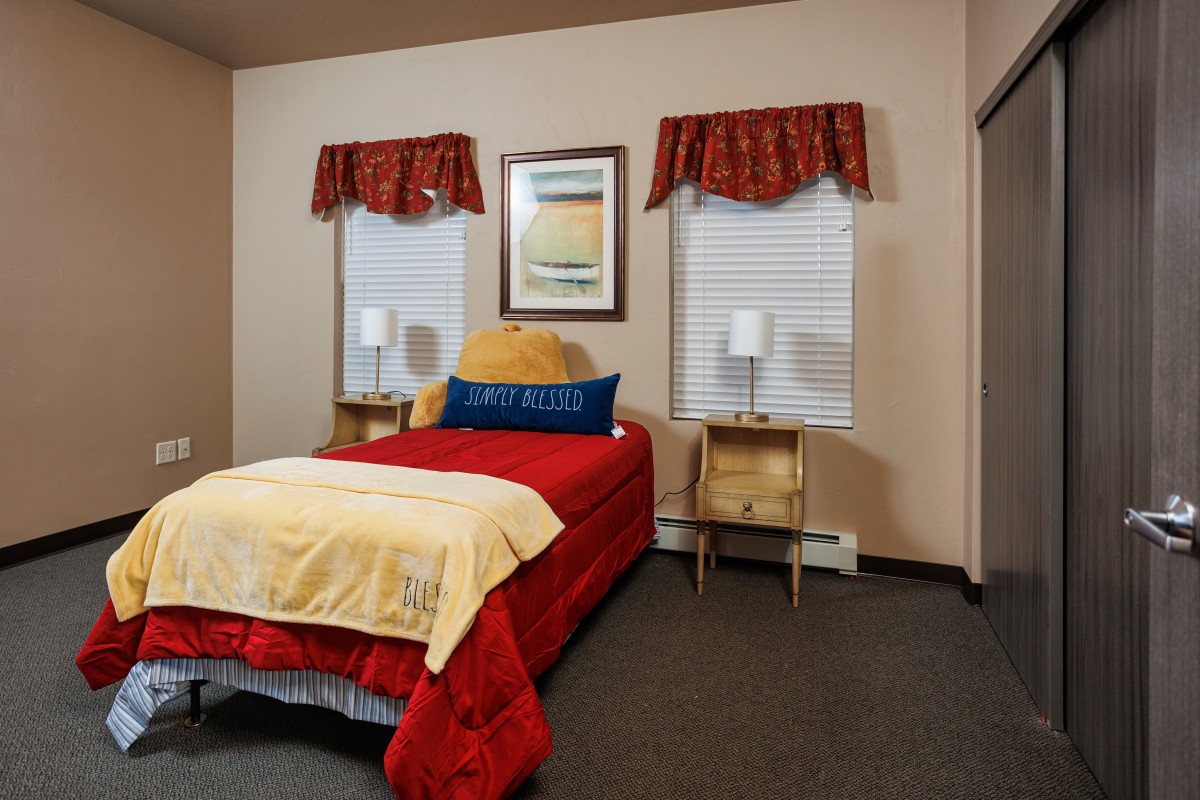
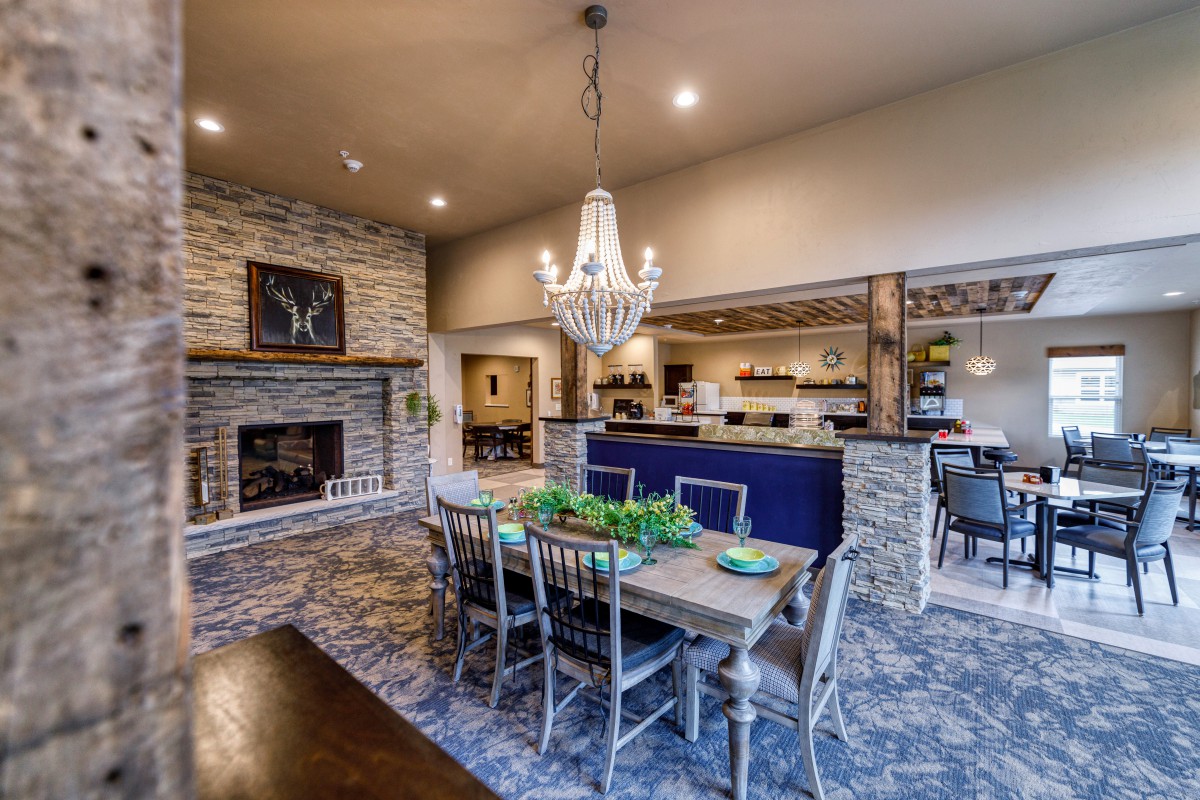
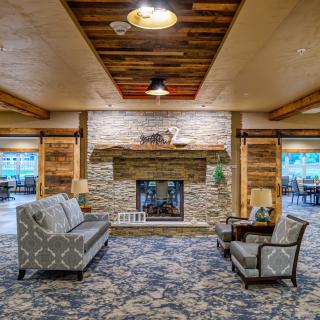
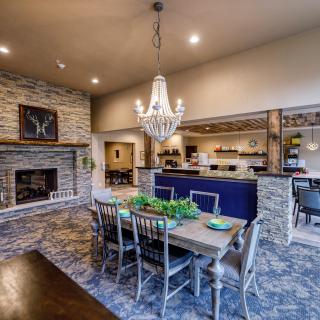
The Cottages At Lake Park Memory Care in Marinette is best suited for families seeking a dementia-focused environment where daily life centers on meaningful, personalized interaction with caregivers. This is a smaller, intimate setting that prioritizes staff relationships with residents, making it a good fit for memory-impaired individuals who respond positively to familiar faces, routine, and gentle engagement. Families nearby will appreciate the visible commitment of caregivers to resident comfort and to maintaining dignity through reminiscence, structured activities, and constant supervision. In short, this community appears most effective for residents who thrive on close caregiver rapport and a home-like atmosphere rather than a large, hospital-style campus.
Potential residents or families should consider alternatives if safety incidents or perceived neglect weigh heavily in choice. A single neglect report combined with comments about inconsistent helpfulness raises questions about risk management and day-to-day reliability. For residents requiring high clinical oversight, aggressive medical monitoring, or a more autonomous, less intimate environment, other communities with larger staff rosters, more on-site medical coverage, or broader programming may be preferable. Those exploring memory care should demand transparent policies on incident response, caregiver training, and how care plans are updated with family input, and compare with options that consistently demonstrate safety records.
On the positive side, the strongest pros are evident in the way staff care for residents: warmth, attentiveness, and a focus on making moments of connection meaningful. Several reviews praise the staff for being caring, responsive, and capable of eliciting joy from residents, even when memory lapses occur. Open communication with families and timely responses during transitions are repeatedly noted, which eases caregiver anxiety and supports cohesive care plans. These strengths can offset concerns about limited scale by delivering timely, person-centered care and a sense of partnership between family and campus that many memory-care families value highly.
Yet there are atypical but serious cautions. A lingering accusation of neglect involving a resident cannot be dismissed and merits explicit discussion with any prospective family. The sentiment in another review , that not all staff are equally helpful , signals potential inconsistency in day-to-day problem solving and support, depending on staff availability. Together, these points suggest a risk that the warmth and engagement may not always translate into consistently proactive safety or comprehensive assistance across all shifts. Prospective residents should probe staff scheduling, supervision, and how quickly concerns are escalated and resolved.
For dementia-focused decisions, leverage the community's strengths: expect staff to know residents well, respond quickly to needs, and guide families through difficult days. If this matches the care philosophy sought, plan a formal tour, request to meet front-line caregivers, discuss typical day routines, and review sample care plans. If safety and reliability in every shift are non-negotiable, or if medical complexity requires more on-site clinicians, consider alternatives and compare staffing ratios, memory-care programming, and safety protocols. In either case, insist on crisp, written agreements about care adjustments when memory or behavior changes occur.
Bottom line: The Cottages At Lake Park Memory Care can be an excellent match for dementia-focused care where the priority is intimate staff interactions and a collaborative, family-friendly approach. The site’s documented caregiver warmth and responsiveness are real assets that often translate into calmer days for residents and less stress for families. However, the presence of at least one serious safety critique alongside strong praise means choices should hinge on how well current leadership demonstrates safety controls, staff consistency, and transparent reporting. Prospective families should schedule a thorough tour, verify staffing patterns, request current resident references, and compare with alternatives before committing.
 35 resident community capacity
 Assisted Living
 Memory Care
 Air-conditioning
 Beauty salon
 Cable or satellite TV
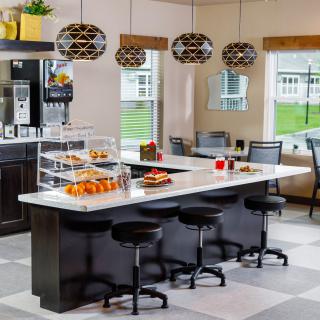
 Cafe
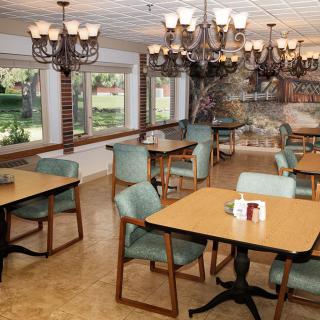
Cafe Dining room
 Family education and support services
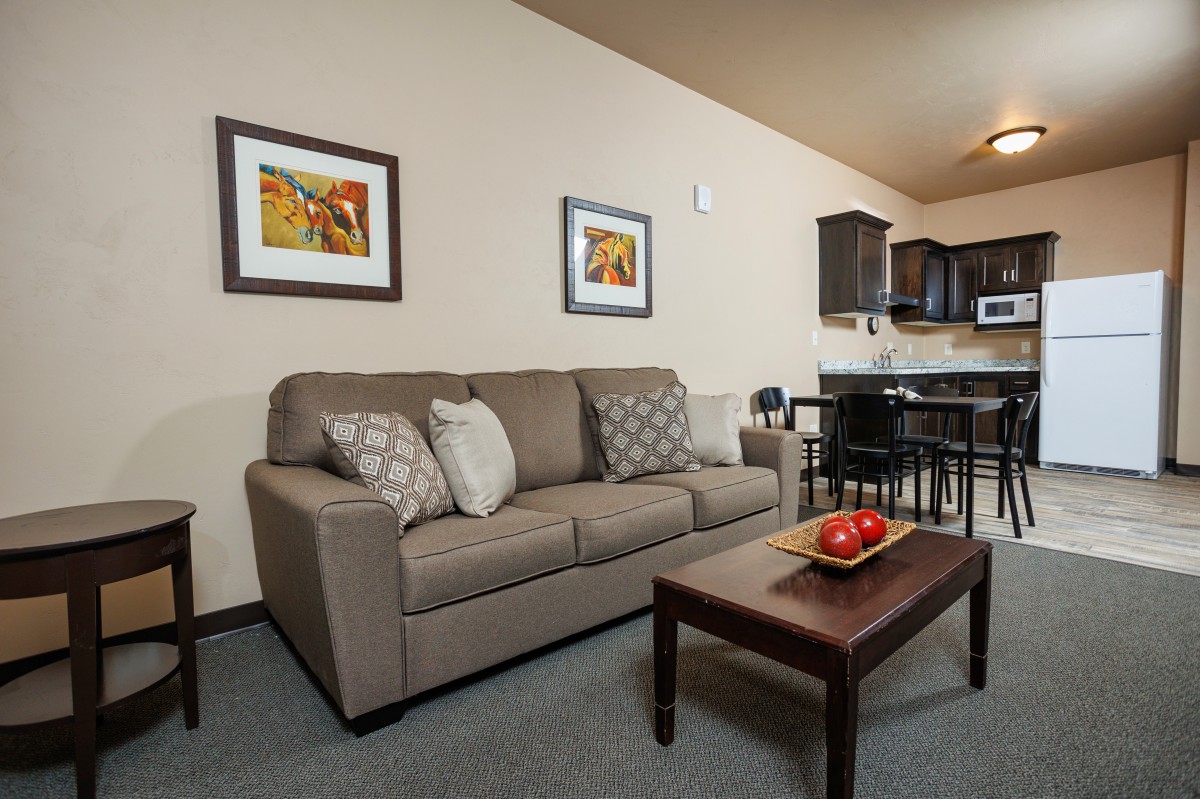
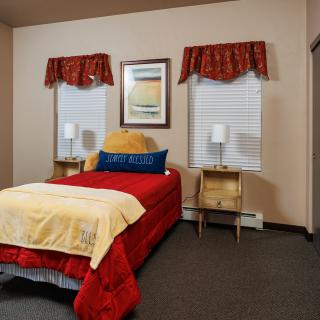
 Fully furnished
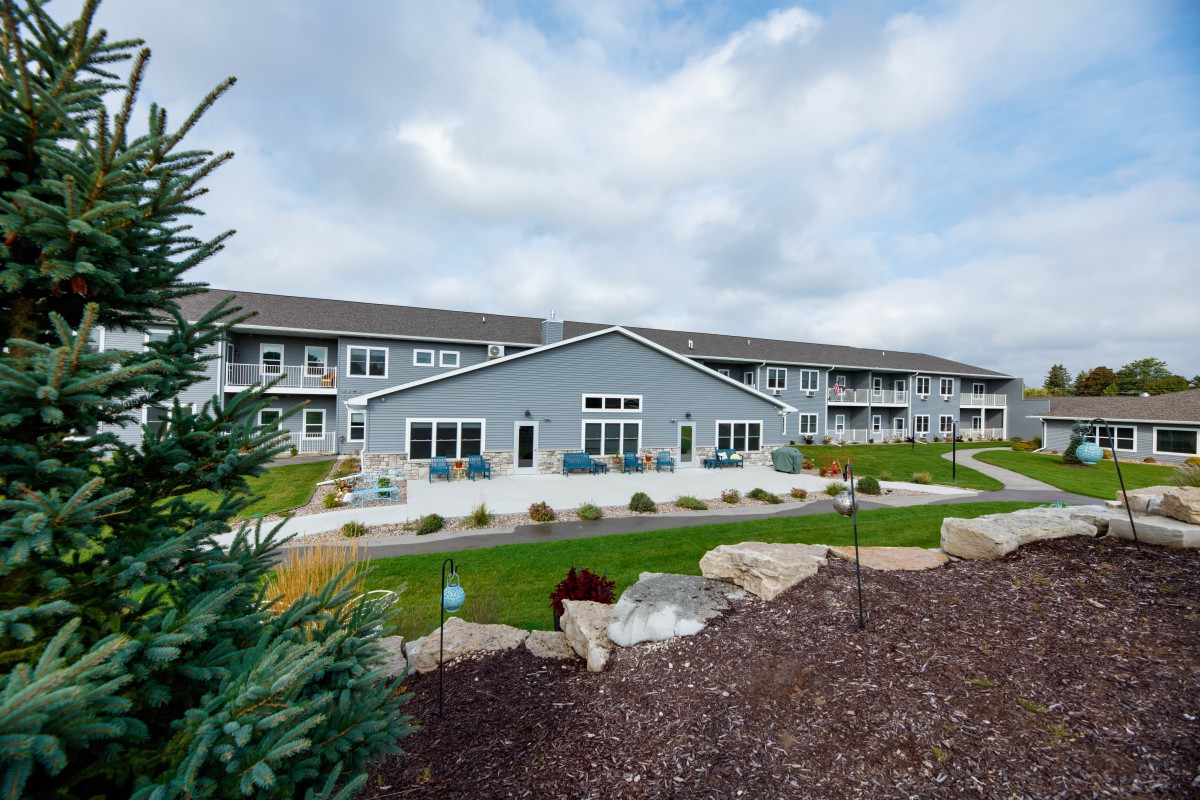
 Garden
 Housekeeping services
 Located close to restaurants
 Located close to shopping centers
 Move-in coordination
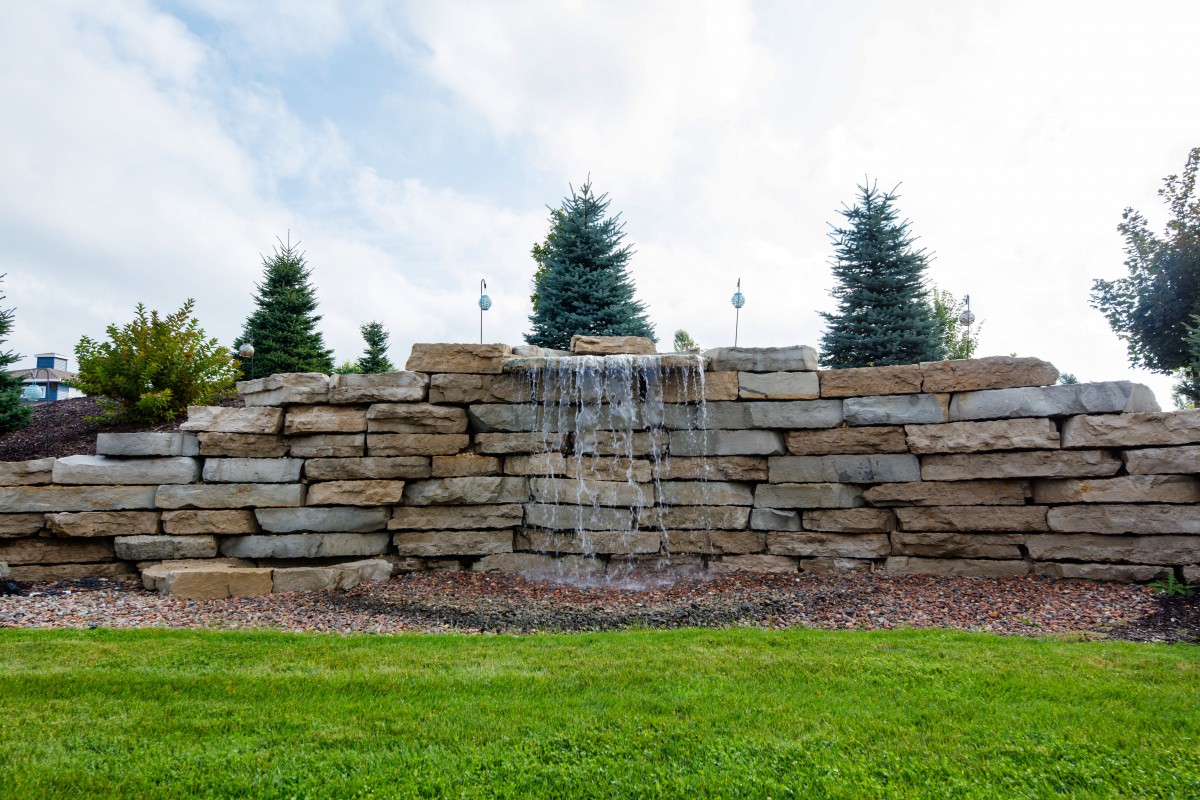
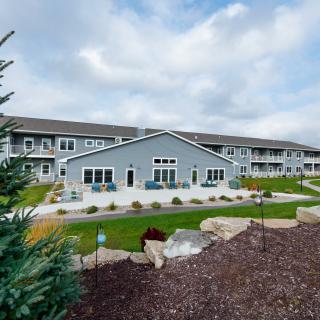
 Outdoor patio
 Outdoor space
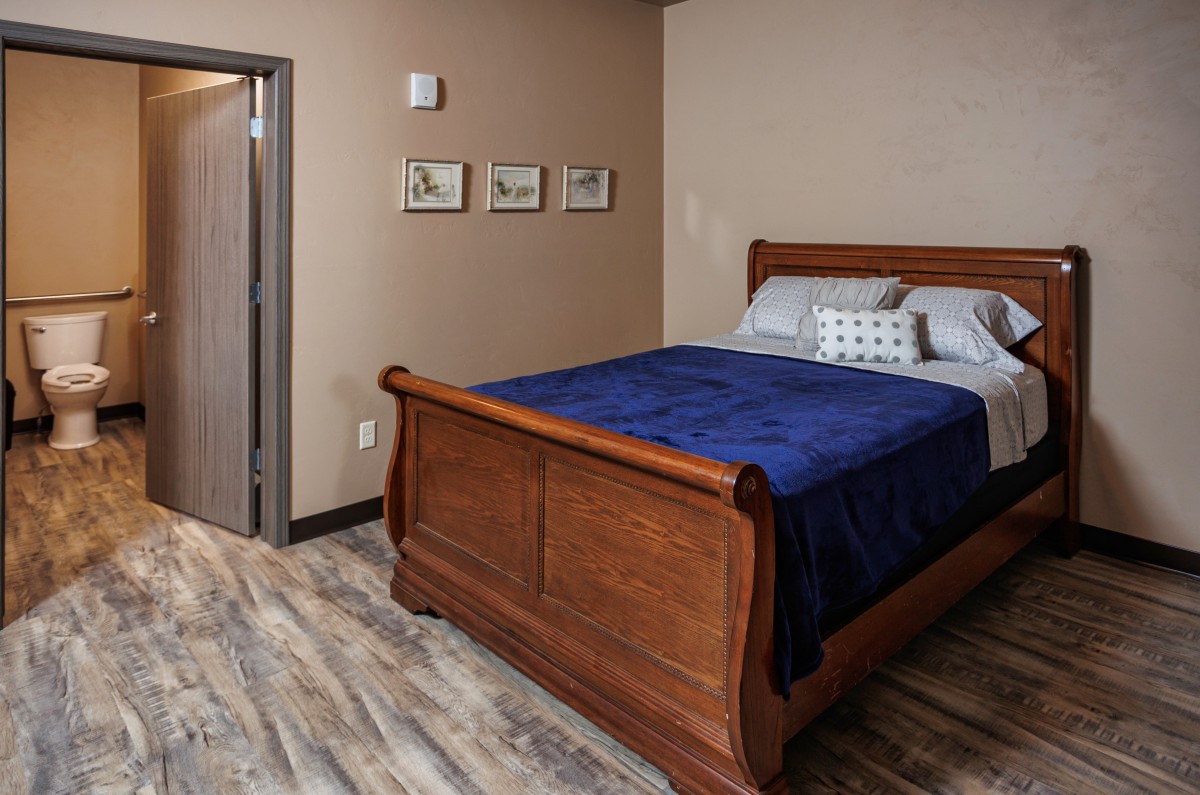
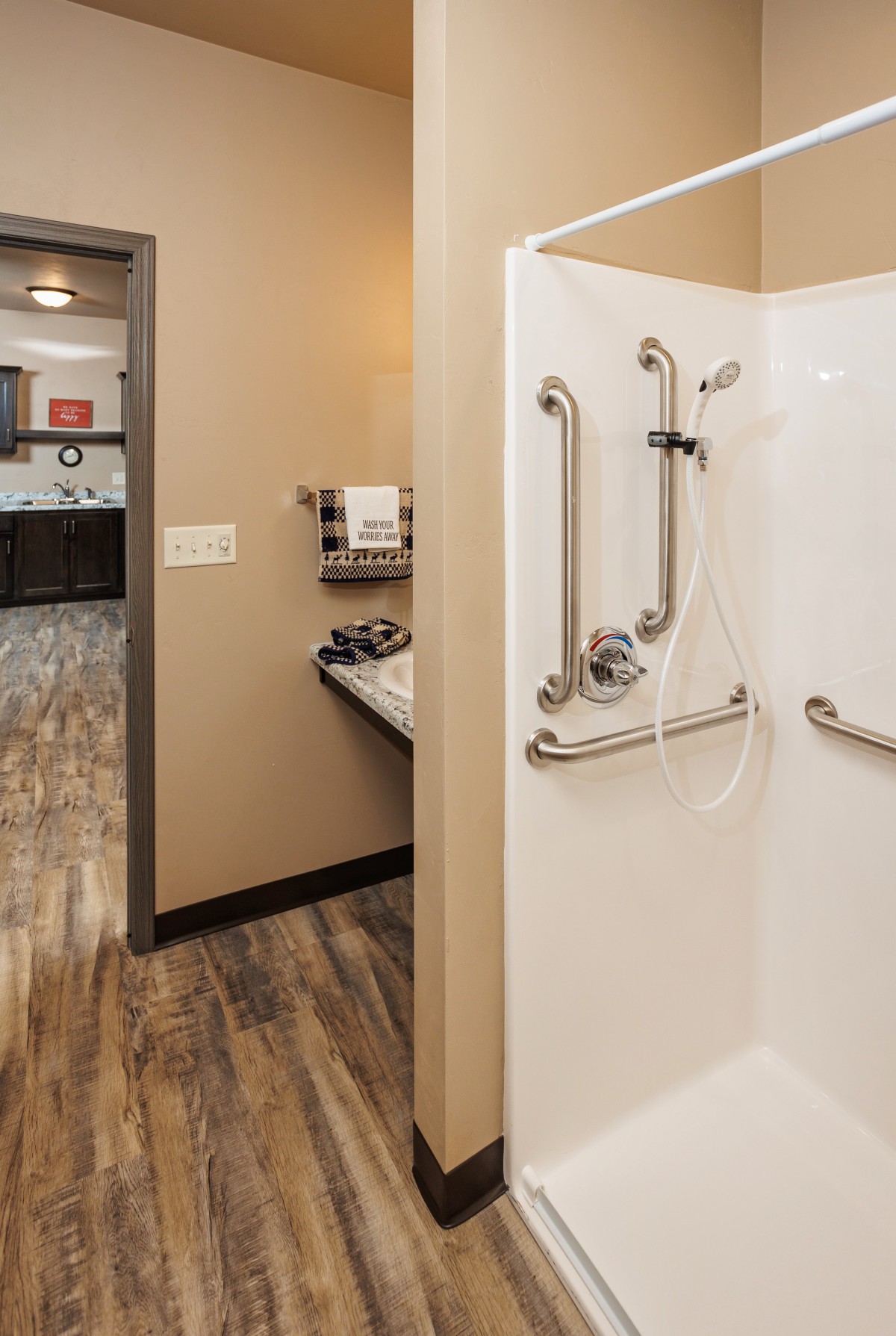
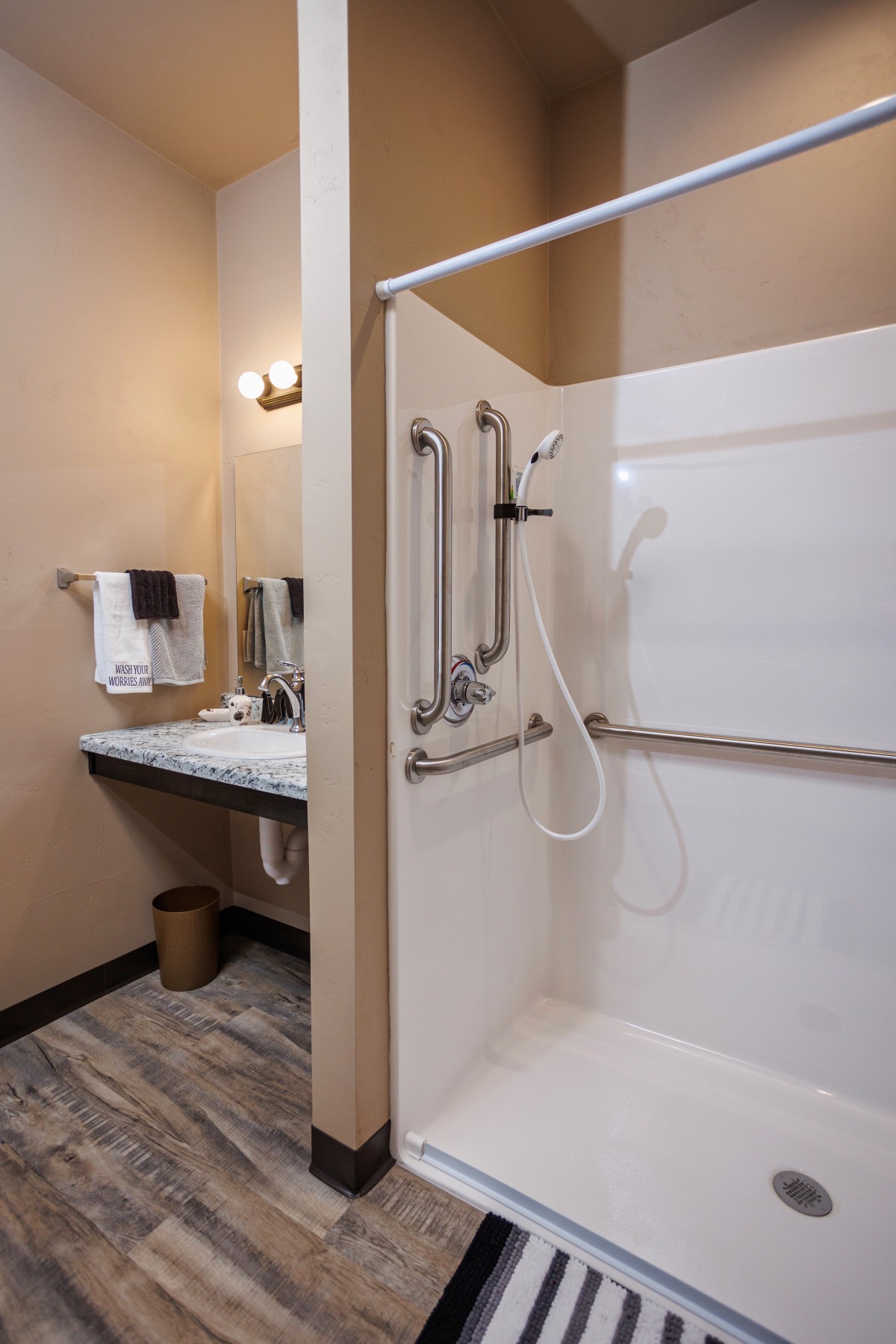
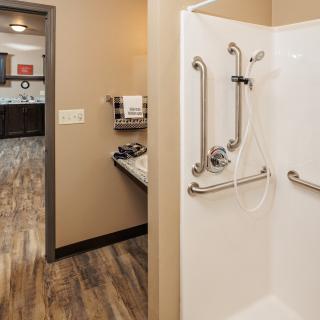
 Private bathrooms
 Restaurant-style dining
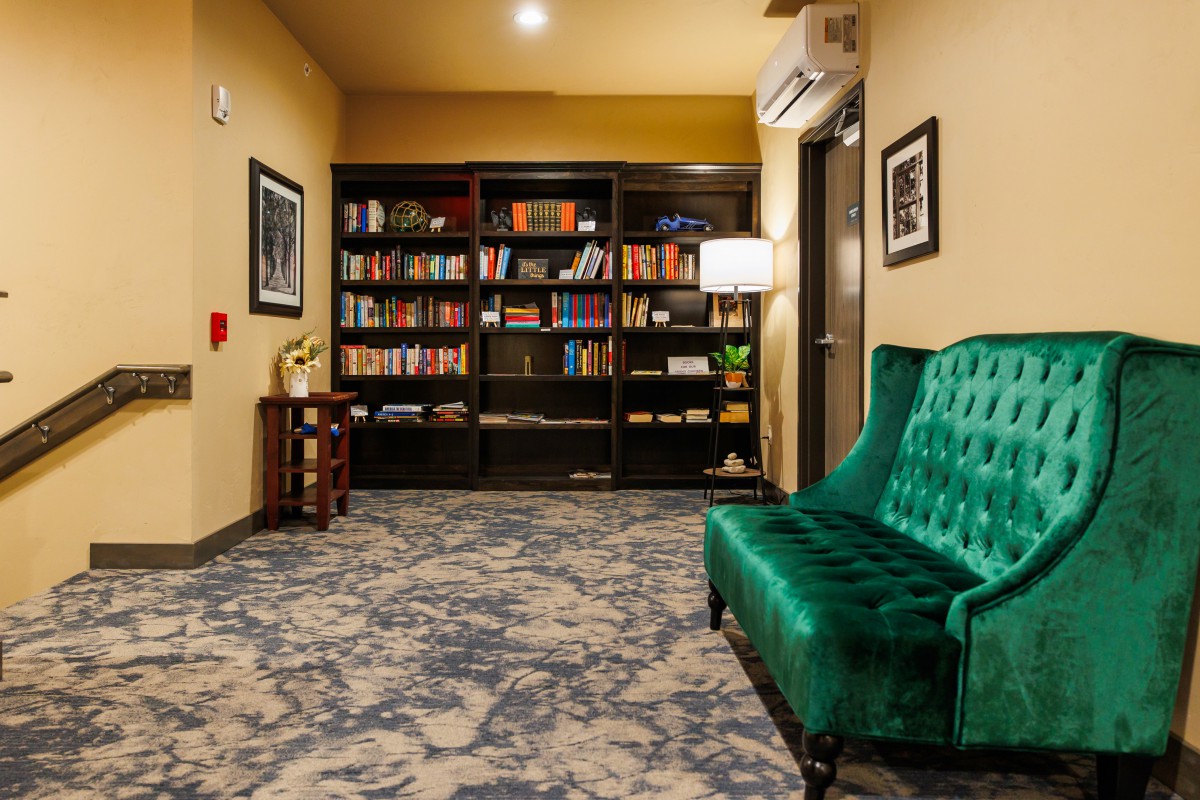
 Small library
 Telephone
 Wi-Fi/high-speed internet available
 12-16 hour nursing
 24-hour call system
 Accept incoming residents on hospice
 Activities of daily living assistance
 Administer insulin injections
 Assistance with bathing
 Assistance with dressing
 Assistance with transfers
 Care with behavioral issues
 Diabetes diet
 Medication management
 Mental wellness program
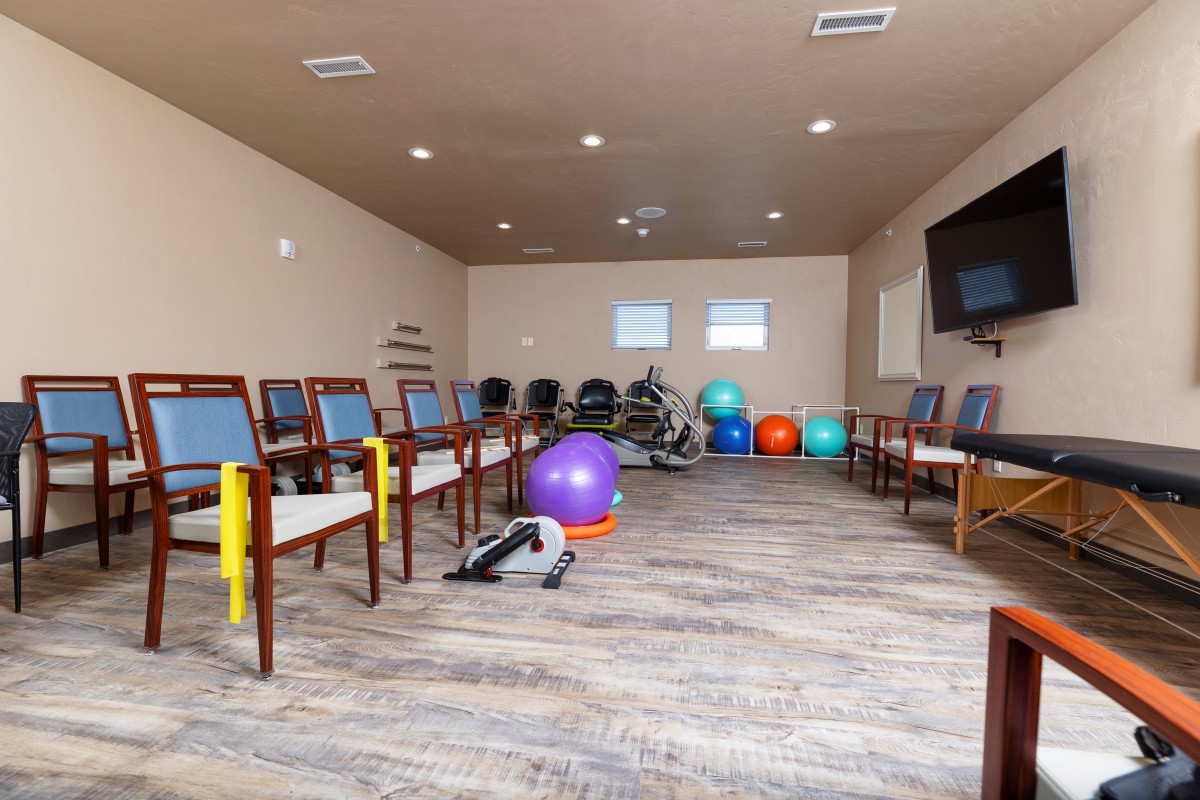
 Physical therapy
 Respite program
 Special dietary restrictions
 Fitness programs
 Planned day trips
 Delving into the Inner World of Dementia: Insights into Thoughts and Awareness
 Five Subtle Dementia Indicators to Observe: An In-Depth Guide to Understanding “Does My Mom Have Dementia?”
 Dementia, Paranoia, and Caregiver Guidance: Understanding the Connection