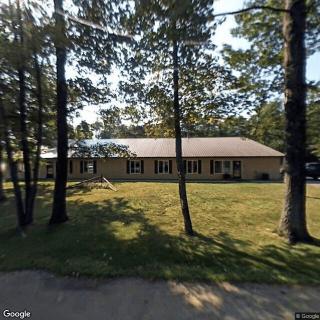
Sun Valley Homes II Marinette South in Marinette, WI

3206 Woodland Road, Marinette, WI 54143

For more information about senior living options: (844) 490-3973

3.3 from 8 reviews
5 stars
4
4 stars
0
3 stars
1
2 stars
0
1 stars
3

Assisted Living Board and Care Home Memory Care

Sun Valley Homes II Marinette South Costs & Pricing

Sun Valley Homes II Marinette South offers competitive pricing for its residents, particularly when compared to both Marinette County and the broader state of Wisconsin. With a monthly cost of $3,400 for a private room, Sun Valley Homes II is significantly more affordable than the county average of $4,000 and the state average of $4,339. Similarly, their pricing for a one-bedroom unit aligns well with local trends, priced at $3,400 - slightly above Marinette County's average of $3,320 but still favorable compared to the state figure of $3,412. Overall, Sun Valley Homes II Marinette South presents an inviting option for those seeking quality accommodations while maintaining mindful financial considerations.

Floor plansSun Valley Homes II Marinette SouthMarinette CountyWisconsin
Private$3,400$4,000$4,339
1 Bedroom$3,400$3,320$3,412

Overall Review of Sun Valley Homes II Marinette South

Pros

  • pro The residents are taken care of.
  • pro The workers are great at what they do.
  • pro The workers make sure the residents have fun things to do for the holidays.
  • pro The workers are very kind.

Cons

  • pro The facility does not provide healthy food and is often out of food.
  • pro Rides to doctor appointments were promised but not provided due to lack of a van.
  • pro The staff are under-staffed and not paid well, forcing them to cook, clean, and care for residents with little help.
  • pro Upper management should be fired.
  • pro The maintenance person is useless and rarely comes to Marinette.
  • pro The rooms are cold in winter and require a heater to stay warm.
  • pro They use RockMed, which is considered stupid; they should use the pharmacy.
  • pro The Marinette facility is not worth going to until changes are made.
  • pro Hotdogs and pizza are not good meals for the elderly.

Review

Sun Valley Homes II Marinette South seems best suited for seniors who need plain-vanilla supervision and prize personal warmth from frontline caregivers over a broad menu of structured activities or sophisticated services. The clearest asset in the feedback is the caring, hands-on work of the staff, who consistently go the extra mile for residents when it comes to holiday cheer and daily care. For families whose priority is a small, affordable setting where residents are treated with kindness and attended to directly by aides, this community can still feel like a capable, safe home. However, this comes with a practical caveat: the environment hinges on overburdened teams rather than on a robust, well-resourced program.

Those who would want to consider alternatives are families seeking reliable programming, strong management oversight, consistent meal quality, and dependable transportation to medical appointments. The reviews repeatedly flag a sparse activity calendar, with bingo as the only regular fixture, and point to gaps in logistics that affect daily life - most notably transportation that does not always materialize, and meals that fall short of residents' nutritional expectations. For residents who require frequent social engagement, varied enrichment, or a predictable schedule that includes transportation and coordinated outings, a different community may deliver a more satisfying experience.

The best news here is that the staff's commitment and resident-focused care do provide a meaningful offset to many operational shortcomings. Caregivers are described as kind and capable, taking initiative to brighten days and to fill gaps when resources are thin. Yet those positives do not fully neutralize the underlying constraints: persistent understaffing, night-shift safety concerns, and a management picture that many families would find unsettling. The sentiment that "the workers are great but stretched thin" captures the core tension - great people facing systemic limits - which means positive caregiver experiences can only go so far if key systems remain underdeveloped.

Operational gaps stand out as the decisive factors. Meals are reported as inconsistent, with concerns about food availability and quality, and the kitchen staff are often pressed into dual roles that strain both cooking and basic housekeeping. Rooms can be chilly in the winter, and maintenance issues are not consistently addressed, reinforcing a sense that comfort and reliability are uneven. Nighttime safety is particularly salient, with only a single worker on duty in some shifts, raising legitimate concerns about supervision and response times. The overall impression is of a caring, small-scale operation that needs stronger infrastructure and processes to truly deliver dependable, day-to-day quality.

From a decision perspective, families should weigh the warmth of the caregiving culture against the risk of ongoing gaps in programming, transportation, and maintenance. If the primary aim is budget-conscious care with attentive staff, Sun Valley Homes II Marinette South may fit. If the resident's needs include a robust activity lineup, guaranteed and timely transportation to appointments, nutritious meals, and clearly demonstrated leadership accountability, alternatives deserve serious consideration. Prospective residents should demand concrete, up-to-date answers on staffing ratios, night coverage, transportation policies, meal menus, and service guarantees during tours.

In practice, a disciplined approach is warranted: tour the facility with a checklist focused on staffing coverage during peak and overnight hours, observe a dining service, inspect room temperatures, and ask for a current maintenance log and response times. Request written commitments from management about transportation arrangements, meal planning, and how activities are developed beyond bingo. If possible, talk to multiple families with residents there to verify consistency of care and reliability. The bottom line is clear: the community works best for residents who value compassionate, hands-on care and can tolerate limited programming; for those who must have consistent programming, reliable transport, and strong leadership, it is prudent to explore alternatives while keeping the door open for a careful reassessment after a trial period.

Features

Housing

  • 15 resident community capacity 15 resident community capacity

Types of Care

  • Assisted Living Assisted LivingAssisted living facilities provide crucial support and care for seniors who may need help with daily tasks such as medication management, bathing, and meal preparation. These communities offer a safe and comfortable environment where seniors can maintain their independence while receiving the assistance they need to thrive in their golden years.
  • Board and Care Home Board and Care HomeBoard and care homes provide a smaller, more intimate setting for seniors who require assistance with daily tasks but do not need the level of care offered by a nursing home. They offer personalized care, meals, and social activities in a homelike environment, ensuring that seniors receive individualized attention and support in their golden years.
  • Memory Care Memory CareMemory care is crucial for seniors as it provides specialized support and services for individuals with dementia or Alzheimer's disease. These programs offer a safe and secure environment where residents receive personalized care, cognitive stimulation, and help with daily activities. Memory care helps seniors maintain their independence, quality of life, and dignity while also providing peace of mind for their families.

Amenities

  • Cable or satellite TV Cable or satellite TVCable or satellite TV is important for seniors because it provides entertainment, news, and companionship, helping to combat loneliness and boredom. It also offers a wide range of programming options tailored to different interests and preferences.
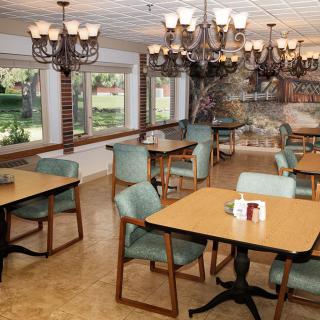
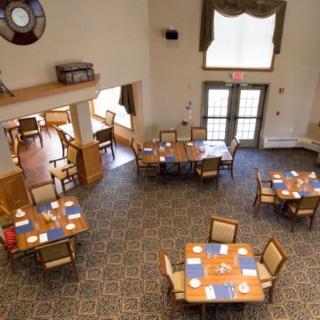
  • Dining room Dining roomDining rooms are important for seniors as they provide a space for socialization, connection, and nutritious meals. They offer opportunities for residents to bond over shared meals, foster a sense of community, and promote healthy eating habits. Dining rooms also ensure that seniors have access to well-balanced meals tailored to their dietary needs and preferences.
  • Fully furnished Fully furnishedFully furnished senior living communities are important for seniors because they provide convenience, comfort, and a hassle-free moving experience. Seniors can easily settle into their new living space without the stress of having to buy and move furniture. This allows them to focus on enjoying their new home and community.
  • Garden GardenGardens are important for seniors as they provide a peaceful and therapeutic environment for relaxation, physical activity, and socialization. Being in nature has been shown to reduce stress, improve mood, and promote overall well-being. Gardens also offer opportunities for seniors to engage in gardening activities, which can improve mobility, flexibility, and cognitive function. Additionally, gardens create a sense of community and connection with others who share a passion for plants and outdoor spaces.
  • Housekeeping services Housekeeping servicesHousekeeping services are important for seniors because they help maintain a clean and safe living environment, promote independence, and reduce the risk of accidents or illnesses. Additionally, having assistance with household chores can alleviate physical strain and allow seniors to focus on other aspects of their well-being.
  • Move-in coordination Move-in coordinationMove-in coordination is important for seniors because it helps ease the transition into their new living environment. It ensures that all logistics, such as packing, organizing movers, and setting up utilities are taken care of, allowing seniors to focus on settling in and adjusting to their new home. Having a smooth move-in process can alleviate stress and anxiety, making the transition smoother and more enjoyable for seniors.
  • Outdoor space Outdoor spaceOutdoor spaces are important for seniors as they provide opportunities for physical activity, social interaction, exposure to natural light and fresh air, and a sense of connection to nature. Having access to outdoor spaces can improve overall well-being and quality of life for older adults living in senior communities.
  • Private PrivatePrivacy is important for seniors as it allows them to maintain their independence, dignity, and sense of control over their own lives. It also gives them the space and freedom to relax, reflect, and engage in activities that bring them joy and fulfillment. Creating private spaces within senior living facilities is crucial for promoting overall well-being and quality of life.
  • Telephone TelephoneTelephones are important for seniors as they provide a lifeline for communication with loved ones, emergency services, and healthcare providers. They offer a sense of security and independence, enabling seniors to stay connected and access assistance when needed.
  • Wi-Fi/high-speed internet available Wi-Fi/high-speed internet availableWi-Fi/high-speed internet is important for seniors to stay connected with loved ones, access online resources, and participate in virtual activities to combat feelings of loneliness and isolation. It also allows them to easily manage healthcare needs, access entertainment, and engage in lifelong learning opportunities.

Care Services

  • 24-hour supervision 24-hour supervision24-hour supervision is important for seniors to ensure their safety, well-being, and access to immediate assistance in case of emergencies or health issues. This constant support provides peace of mind for both seniors and their loved ones, allowing them to age in place with dignity and security.
  • Activities of daily living assistance Activities of daily living assistanceActivities of daily living assistance are important for seniors because they provide essential support with tasks such as eating, bathing, dressing, and mobility. This assistance helps seniors maintain their independence, dignity, and overall quality of life as they age.
  • Assistance with bathing Assistance with bathingAssistance with bathing is crucial for seniors as it helps maintain personal hygiene, prevents infections, and ensures their overall well-being and comfort. It also provides a sense of dignity and independence for seniors who may struggle with this task on their own.
  • Assistance with dressing Assistance with dressingAssistance with dressing is important for seniors because it helps maintain their independence, promotes personal hygiene, prevents accidents and injuries, and improves overall quality of life. This service ensures that seniors can continue to dress comfortably and confidently, despite any physical limitations they may have.
  • Assistance with transfers Assistance with transfersAssistance with transfers is crucial for seniors as it helps prevent falls and injuries, maintains their independence, and ensures they can safely navigate their living environment. It also provides peace of mind for both seniors and their loved ones.
  • Coordination with health care providers Coordination with health care providersCoordination with health care providers is crucial for seniors to ensure proper medical care, medication management, and overall well-being. This collaboration helps prevent overlapping treatments, track progress more effectively, and provide comprehensive support tailored to individual needs.
  • Dementia waiver Dementia waiverDementia waivers are essential for seniors as they provide critical protections and accommodations for those experiencing cognitive decline. These waivers ensure individuals with dementia receive appropriate care, support, and resources to maintain their quality of life and dignity as they navigate the challenges of this progressive condition.
  • Diabetes diet Diabetes dietA diabetes diet is crucial for seniors as it helps manage blood sugar levels, reduce risks of complications, and improve overall health and well-being. By following a balanced and nutritious diet tailored to their specific needs, seniors can better control their diabetes and enhance their quality of life.
  • Diabetic care Diabetic careDiabetic care is crucial for seniors as they are more susceptible to developing diabetes due to aging and other health conditions. Proper management of diabetes can help prevent complications such as heart disease, vision loss, and nerve damage, improving the overall quality of life for seniors in senior living communities.
  • Hospice waiver Hospice waiverHospice waivers are important for seniors because they allow individuals to receive specialized end-of-life care and support at home or in a hospice facility. This waiver ensures that seniors can access the necessary resources and services to maintain comfort and dignity during their final days.
  • Incontinence care Incontinence careIncontinence care is essential for seniors to maintain their dignity, hygiene, and overall quality of life. By addressing incontinence issues promptly and effectively, seniors can enjoy a sense of independence and comfort in their daily activities.
  • Meal preparation and service Meal preparation and serviceMeal preparation and service are crucial for seniors as they may have limited mobility or energy to cook nutritious meals. Having access to healthy and convenient food options can ensure they are getting the proper nutrition needed to maintain their overall health and well-being.
  • Medication management Medication managementMedication management is crucial for seniors to ensure they are taking the right medications at the correct dosages and times. This helps prevent adverse drug interactions, reduces the risk of medication errors, and promotes overall health and well-being. Proactive management also allows for adjustments as needed based on changing health conditions or new prescriptions.
  • Mental wellness program Mental wellness programMental wellness programs are essential for seniors as they promote cognitive stimulation, emotional support, and social engagement. These programs help prevent isolation, depression, and cognitive decline, ultimately enhancing the overall quality of life for older adults.
  • Mild cognitive impairment Mild cognitive impairment"Mild cognitive impairment" is important for seniors because it is an early stage of cognitive decline that can potentially progress to more severe conditions such as dementia. Recognizing and addressing mild cognitive impairment can help seniors receive appropriate care and support to maintain their quality of life and independence for as long as possible.
  • Special dietary restrictions Special dietary restrictionsSpecial dietary restrictions are important for seniors because age-related changes in metabolism and health conditions can make it difficult for their bodies to process certain foods. By following a diet tailored to their specific needs, seniors can maintain their overall health and well-being, manage chronic conditions, and reduce the risk of complications such as malnutrition or food interactions with medications.
  • Specialized memory care programming Specialized memory care programmingSpecialized memory care programming is crucial for seniors with cognitive impairments such as dementia or Alzheimer's disease. These programs provide a safe and supportive environment tailored to the unique needs of individuals with memory loss, helping them maintain their independence, dignity, and quality of life.
  • Transportation arrangement (medical) Transportation arrangement (medical)Transportation arrangements for medical purposes are essential for seniors as they may have difficulty driving themselves to appointments or accessing public transportation. Having reliable and safe transportation options ensures that seniors can receive timely medical care and maintain their health and well-being.
  • Transportation to doctors appointments Transportation to doctors appointmentsTransportation to doctors' appointments is crucial for seniors as it ensures they have access to necessary medical care and support for their health needs. Without reliable transportation, seniors may struggle to attend important appointments, leading to potential delays in treatment and health complications. Providing transportation services helps seniors maintain their overall well-being and quality of life.

Dining

  • Diabetes diet Diabetes dietA diabetes diet is crucial for seniors as it helps manage blood sugar levels, reduce risks of complications, and improve overall health and well-being. By following a balanced and nutritious diet tailored to their specific needs, seniors can better control their diabetes and enhance their quality of life.
  • Special dietary restrictions Special dietary restrictionsSpecial dietary restrictions are important for seniors because age-related changes in metabolism and health conditions can make it difficult for their bodies to process certain foods. By following a diet tailored to their specific needs, seniors can maintain their overall health and well-being, manage chronic conditions, and reduce the risk of complications such as malnutrition or food interactions with medications.

Activities

  • Community-sponsored activities Community-sponsored activitiesCommunity-sponsored activities are important for seniors as they provide opportunities for social interaction, mental stimulation, and physical activity. These activities can help improve overall well-being, combat loneliness and isolation, and promote a sense of belonging and purpose among older adults.
  • Scheduled daily activities Scheduled daily activitiesScheduled daily activities are important for seniors because they provide structure, socialization, mental stimulation, and physical activity. Engaging in regular activities can improve overall well-being and quality of life for seniors living in a community setting.

Description

Sun Valley Homes II Marinette South is an assisted living community located in Marinette, WI, offering board and care home and memory care services. The community is fully equipped with amenities such as a dining room, fully furnished accommodations, a garden, and housekeeping services. Residents can enjoy the convenience of move-in coordination and access to outdoor spaces as well.

The community provides various care services to assist residents with their daily living activities, including bathing, dressing, and transfers. It also offers coordination with health care providers to ensure comprehensive care. Sun Valley Homes II Marinette South caters to residents with special needs such as dementia or diabetes by providing specialized memory care programming, diabetic diet options, and diabetic care.

Residents benefit from medication management services and have access to transportation arrangements for medical appointments. The community places importance on mental wellness with its mental wellness program and support for individuals with mild cognitive impairment. Incontinence care is available as well.

Meals at Sun Valley Homes II Marinette South are prepared according to special dietary restrictions if needed. Daily activities are scheduled to keep residents engaged and entertained.

Additionally, the community boasts a convenient location with nearby cafes, parks, pharmacies, doctors' offices, restaurants, transportation options, places of worship, and hospitals for easy access to necessary amenities and services.

Overall, Sun Valley Homes II Marinette South provides a comfortable and supportive environment for individuals seeking assisted living or memory care services in the Marinette area.

Nearby Places of Interest

Hospitals

  • Bay Area Medical Center (0.1 miles)
  • Bellin Health NorthReach OB/GYN (0.2 miles)
  • Bay Area Orthopaedic Consultants (0.2 miles)
  • Bay Area Cancer Care Center (1.4 miles)
  • Menominee Medical Clinic (2.7 miles)
  • US Veterans Medical Center (2.7 miles)

Physicians

  • Karawicz Adam MD (0.2 miles)
  • Mridani Choudhury (0.2 miles)
  • Aurora Bay Area Medical Group (0.2 miles)
  • NorthReach Family Care (0.2 miles)
  • MacArthur Sandy MD (0.2 miles)
  • Bay Area Mobility Center (0.3 miles)
  • Dennison Magnin & Oberdorfer Family Care Dentistry (0.5 miles)

Places of Worship

  • Our Savior's Lutheran Church Elca (0.6 miles)
  • Twin City Baptist Church (1.4 miles)
  • Livingword Ministries (1.5 miles)
  • St Thomas Aquinas Academy - Holy Family Campus (1.6 miles)
  • Trinity Ev Lutheran Church-Wis Synod (1.7 miles)
  • Wels (1.7 miles)
  • First Trinity Lutheran Church (1.8 miles)

Restaurants

  • Alibi Bar & Grill (1.5 miles)
  • Roger And Tec's Final Tap (1.5 miles)
  • Aloha Inn (1.6 miles)
  • Applejacks Bar & Grill (1.7 miles)
  • Helen's Edgewater Inn (1.7 miles)
  • Ironworks (1.7 miles)
  • Dodge Inn (1.7 miles)

Parks

  • Red Arrow Park (1.6 miles)
  • Higley Field (1.7 miles)
  • Seagull Bar State Natural Area (1.7 miles)
  • Stephenson Island (2.2 miles)
  • Veterans' Memorial Park (2.8 miles)

Transportation

  • Taxi (1.9 miles)
  • M & M Taxi Service (2.9 miles)
  • U-Haul Neighborhood Dealer (3 miles)
  • Enstrom Helicopter (3.5 miles)

Cafes

  • Zinger Coffee & Tea (2.1 miles)

Pharmacies

  • Walgreens (2.2 miles)
  • CVS Pharmacy (2.7 miles)

Frequently Asked Questions

How much does it cost to live at Sun Valley Homes II Marinette South in Marinette, WI?
Where is Sun Valley Homes II Marinette South?
Does Sun Valley Homes II Marinette South provide care for residents with dementia or Alzheimer's disease?

Nearby Communities

  • Sun Valley Homes II Marinette North

    Sun Valley Homes II Marinette North

    Marinette, WI

    3.8 from 5 reviews
    $3,200 / month

    pro Competitive pricing with comprehensive assisted living and memory care in a small, community-focused setting.

  • Sun Valley Marinette

    Sun Valley Marinette

    Marinette, WI


    pro Specialized memory care with trained staff and 24/7 support, plus diabetic care.

  • Shore Manor

    Shore Manor

    Marinette, WI

     
    $530 / month

    pro Very affordable two-bedroom pricing; pet-friendly; many nearby amenities.

  • Luther Manor Assisted Living

    Luther Manor Assisted Living

    Marinette, WI

    4.1 from 10 reviews
     

    pro Broad care options with extensive on-site amenities.

  • Northland Lutheran Retirement

    Northland Lutheran Retirement

    Marinette, WI


  • Assisted Living in Marinette

    Assisted Living in Marinette

    Marinette, WI

    4 from 3 reviews
     

    pro 24/7 supervision and nursing with broad on-site amenities.

  • Bayview Senior Care

    Bayview Senior Care

    Sturgeon Bay, WI

    4.4 from 20 reviews
    $4,100 / month

    pro Compassionate, attentive staff with strong resident connections.

Related Resources

  • do dementia patients sleep a lotWhy Do Dementia Patients Sleep So Much? Understanding Oversleeping, Stages, and Care Approaches

    Dementia often results in disrupted sleep patterns, leading to excessive daytime sleeping due to factors like brain damage affecting circadian rhythms, medication side effects, and lack of structure in daily activities. Caregivers must monitor these changes closely, as oversleeping can increase risks such as malnutrition or dehydration, and provide necessary support and routines to enhance patient engagement and well-being.

  • when to move from assisted living to nursing home8 Key Indicators That Suggest It May Be Time to Transition from Assisted Living to Skilled Nursing Care

    The transition from assisted living to skilled nursing care is often prompted by complex medical needs that assisted living cannot meet, with key indicators including frequent health declines, increased falls, severe memory issues, and caregiver burnout. Families should recognize these signs early to discuss options with healthcare providers and prepare for the emotional and logistical aspects of moving to a facility that offers comprehensive medical support.

  • best foods for dementia patients to eatNourishing the Mind: Essential Dietary Approaches for Dementia

    Dementia is characterized by cognitive decline, with nutrition playing a vital role in brain health; while no specific diet can prevent or reverse it, a nutrient-dense diet rich in antioxidants and healthy fats may support cognitive function. The MIND diet, which emphasizes beneficial foods and limits processed items, along with proper hydration and individualized meal strategies, can enhance the well-being of dementia patients.